

Wazhma
The knock came at 11:00 on a Tuesday morning. I had prepared my little brothers and sister for this possibility – if the apartment building receptionist warned us that the military police had arrived, they should turn out all the lights, hide our passports and money, and crouch in a back room. This had happened several times in the past two years, so we were ready.
But this time, there was no warning.
The knock was quiet and polite. School had ended for the summer break, so all four of us were home. We were unaware that there was a new receptionist working that day, June 3. My 19-year-old brother Mustafa assumed it was a neighbour, and instinctively opened the door. He saw a woman wearing a dark commando-style military police uniform, backed by four men in street clothes.
They demanded our IDs, and my brother spoke the lines we’d rehearsed, in Urdu: We’re just kids, he told them, we’re Pakistani, we don’t have our ID cards on us, and our parents are out. He phoned our neighbour Shoaib Khan, a friendly Pakistani man who knew our situation, and he came and told the police he was our older brother.
But the police seemed to know who we were. They made me go change into a long dress and cover my head with a hijab before I was loaded into a car with my siblings. While changing, I discreetly put our passports and cash into a folder and slipped it to Shoaib on the way out.
The cars took us to a sprawling detention camp on the edge of Islamabad. It is known as the Haji camp, formerly used by Pakistanis preparing to make the pilgrimage to Mecca. But this year, Pakistan’s military-led government had dramatically ramped up its campaign to expel hundreds of thousands of Afghans and their descendants from the country and into the hands of the Taliban, and they’d converted these camps into prisons for deportees. On seeing it, I thought that it was unholy that they’ve turned this previously joyous camp into something that’s really the opposite: a place to hold fellow Muslims whose lives they were ruining.
Outside the entrance, I argued with the police. They insulted me and laughed at my situation, saying I was going back where I deserved to be. They’d taken away our phones and were going to lock them into a small metal box. I told them we were children and we had to let our parents know we’d been seized, or else they’d think we’d died. They relented, allowing us to send one text.
My brother sent a brief message to our older sister in Canada, urging her not to tell our mother what had happened. I sent a hurried WhatsApp text to Doug Saunders at The Globe and Mail.
Then they grabbed the phones, separated the boys from the girls, and marched us into the large, barren rooms of a dormitory building, with only a few rugs on the otherwise bare concrete floors. Afghan families were sprawled across those rugs, some sobbing and shaking. Wooden slats were nailed across the windows. We had no possessions, and no contact with the world.
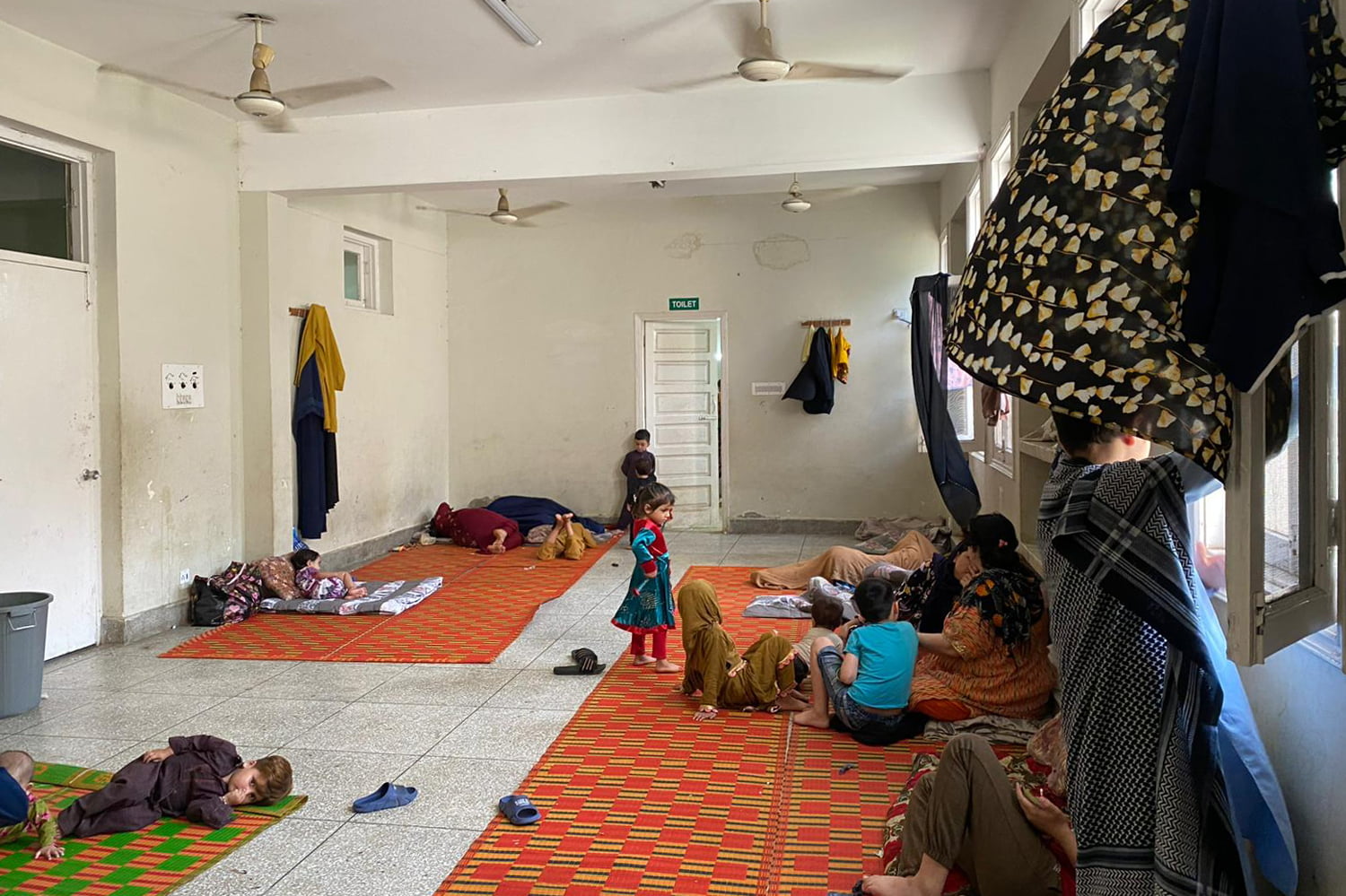
Later I curled up in a corner of the floor, and let my sister Nahid, 14, have the one pillow I had persuaded them to give us. I couldn’t sleep. Nobody would tell us when we’d get out, or what would happen next. It was my 23rd birthday that night.

Doug
The sound of my phone buzzing against the hardwood floor half-roused me from my sleep. It was 3:42 on Tuesday morning in Toronto, so I prepared to close my eyes and check the message after breakfast. But something made me glance down at the screen. Seeing the name, I sprang awake with a chill: Wazhma.
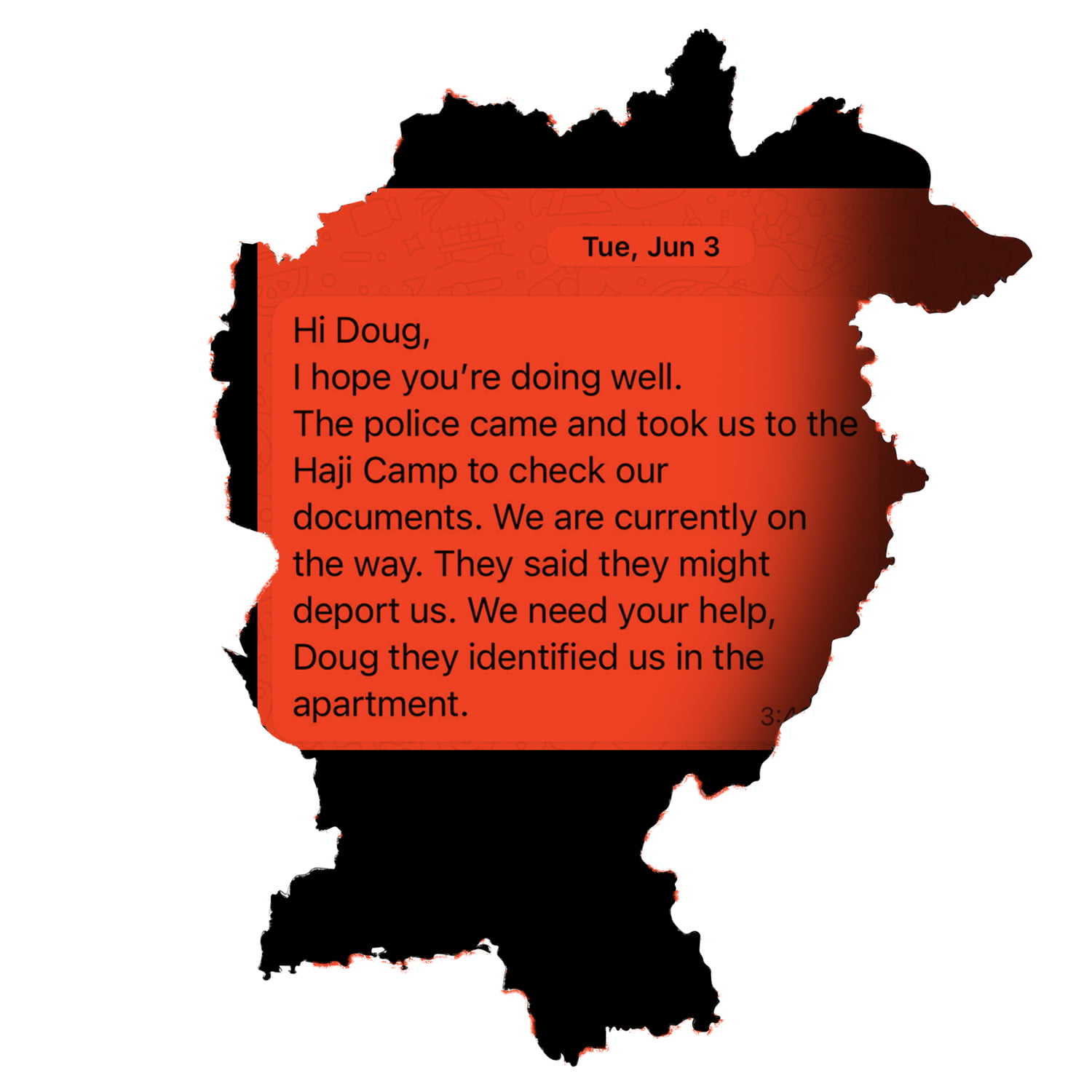
“Hi Doug ... The police came and took us to the Haji camp to check our documents,” she had texted from Islamabad. “They said they might deport us. We need your help, Doug, they identified us in the apartment.”
This was the scenario I had spent the past 18 months working to prevent. I’d been joined by a growing circle of Canadians, all concerned about this prospect: A household full of children, led by a young woman who was personally targeted by Taliban-supporting figures, was about to be dragged through the Khyber Pass and delivered back to Afghanistan, all while waiting to find a way to get to Canada.
They were among hundreds of thousands of victims of a mass deportation campaign being carried out by Pakistan’s military-led government. Pakistan is home to an estimated three million Afghans, including about 700,000 refugees who fled across the border after the Taliban seized control of their country in 2021.
Starting in 2023, Pakistani officials began deporting any Afghans without legal residence documents or visas – a large group, since Pakistan had stopped issuing such documents to most Afghans. Even many who had lived in Pakistan since the early 1980s, along with their children and grandchildren, still lacked legal status. By 2025, the United Nations High Commission for Refugees estimated that 910,000 Afghans had been deported.
This year, apparently emboldened by similar deportation initiatives launched by U.S. President Donald Trump, Pakistan’s government dramatically escalated the campaign. Afghans without documents were given until March 31 to find asylum in another country, or they’d be rounded up and deported. Mass-detention camps, such as the Haji camp where the Hamidi kids were held, were opened in major cities for this purpose. Within weeks, Interior Minister Talal Chaudry boasted that more than 80,000 Afghans had already been sent across the border.
Wazhma and her siblings had lived in hiding because they knew they were vulnerable to deportation. They’d spent years trying to get refugee status or a visa in Pakistan, with no success. Yet they also knew that they did not belong in that camp. By spring of 2025, three of them, including Wazhma, had been accepted as refugees in Canada. And they were all members of what was, in many respects, a Canadian family. It was just a matter of getting them out before the soldiers knocked on their door.
It began in January of 2024, when I spent a month in Pakistan for a Globe and Mail article investigating one of the world’s most serious migration crises: The growing number of Afghans who, after fleeing in 2021, had decided that their only way to escape the Taliban’s tyranny and Pakistan’s mass deportations was to make the dangerous trek across Iran and Turkey, and sometimes into Europe, with the aid of smugglers.
The route, known as the Dunki path, is very expensive and involves sneaking across heavily fortified borders at night. Most who set out do not make it. Some are killed or brutalized. Many more are sent back to Pakistan or Afghanistan, where they live in hiding and prepare for another attempt.
My co-author was Zia Rehman, a superb reporter from Karachi, the megalopolis on Pakistan’s south coast. He didn’t know any Afghans hiding in the northern cities of Islamabad, Rawalpindi or Peshawar, but he told me he’d heard about an Afghan girl who knew scores of them, and who spoke all the languages. He recommended that we hire her. Wazhma was only 21 at the time, but she’d worked for aid organizations that had given her contacts in the heart of these communities.
Over the next several weeks we found that Wazhma’s language skills, her expansive network, her negotiating abilities, her refugee’s instinct for safety and her innate journalistic talents made her much more than a translator or fixer. She earned a researcher byline on the resulting feature, which was part of a series that won one of Canada’s top journalism awards.
As I worked with her, I learned that Wazhma was in a paradoxical position: She, too, was from an Afghan family that had fled the Taliban during their takeover in 2021, and was living in hiding in Pakistan, without legal residency documents.
Wazhma’s larger secret soon emerged: She was the head of a household consisting entirely of children; two older members of her immediate family, including her sole surviving parent, lived in Canada as legal residents. Their mother had made the agonizing decision, in 2023, to come to Canada as a guest of her Canadian older daughter in hopes of receiving asylum and being able to sponsor or resettle her younger children some day.
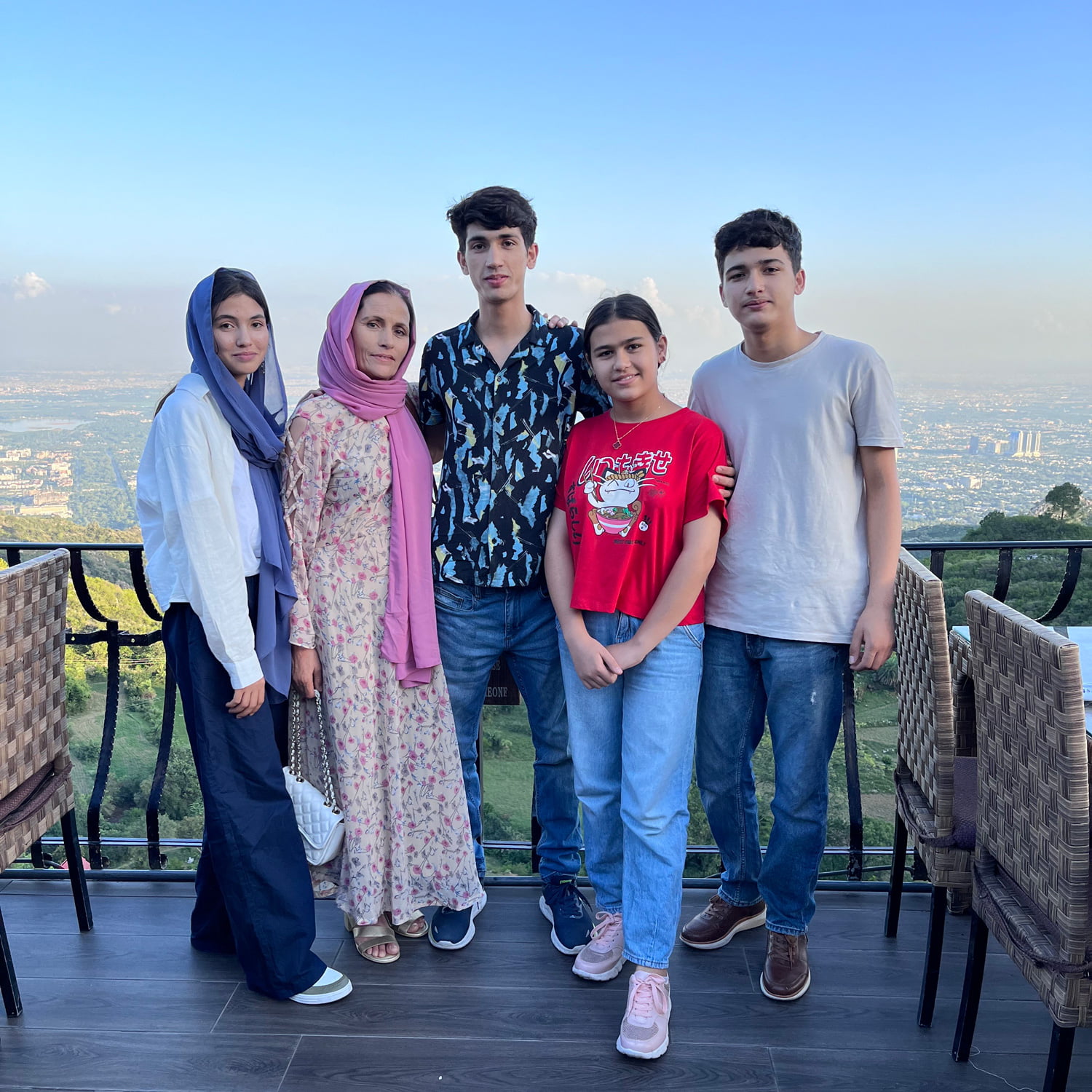
You would think that Wazhma and her siblings would have been able to follow the path of their mother and older sister, as sponsored members of the family, or as refugees in their own right. But they slowly realized, as they spent months visiting government and aid-agency offices, that they fell into an awkward blind spot at the interstices of Canadian immigration and refugee policy.
When I first met her, Wazhma had spent a year living in an Islamabad apartment with her three siblings, all teenagers. They spoke to their mother in Mississauga by phone every morning, and explored dozens of ways to reunite the family, none of them successful. Wazhma was, I realized, a perpetual Canadian-to-be, without any certain path out of Pakistan or policy to reunite her family.
Toward the end of my journalistic stay, Wazhma invited me to their place for lunch. As I drove to their half-constructed concrete apartment tower on the dusty edge of Islamabad, I didn’t expect much from a house full of teenagers.
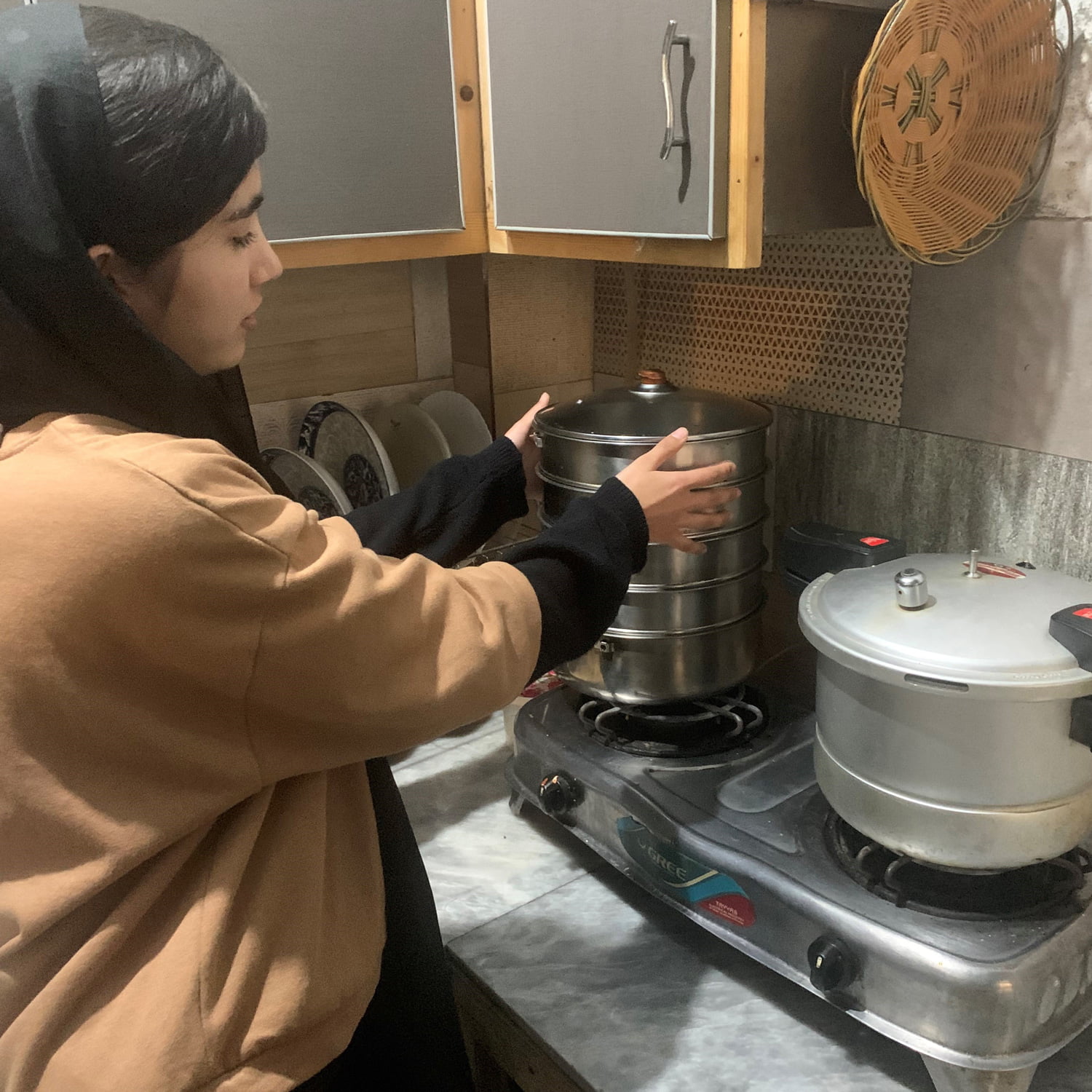
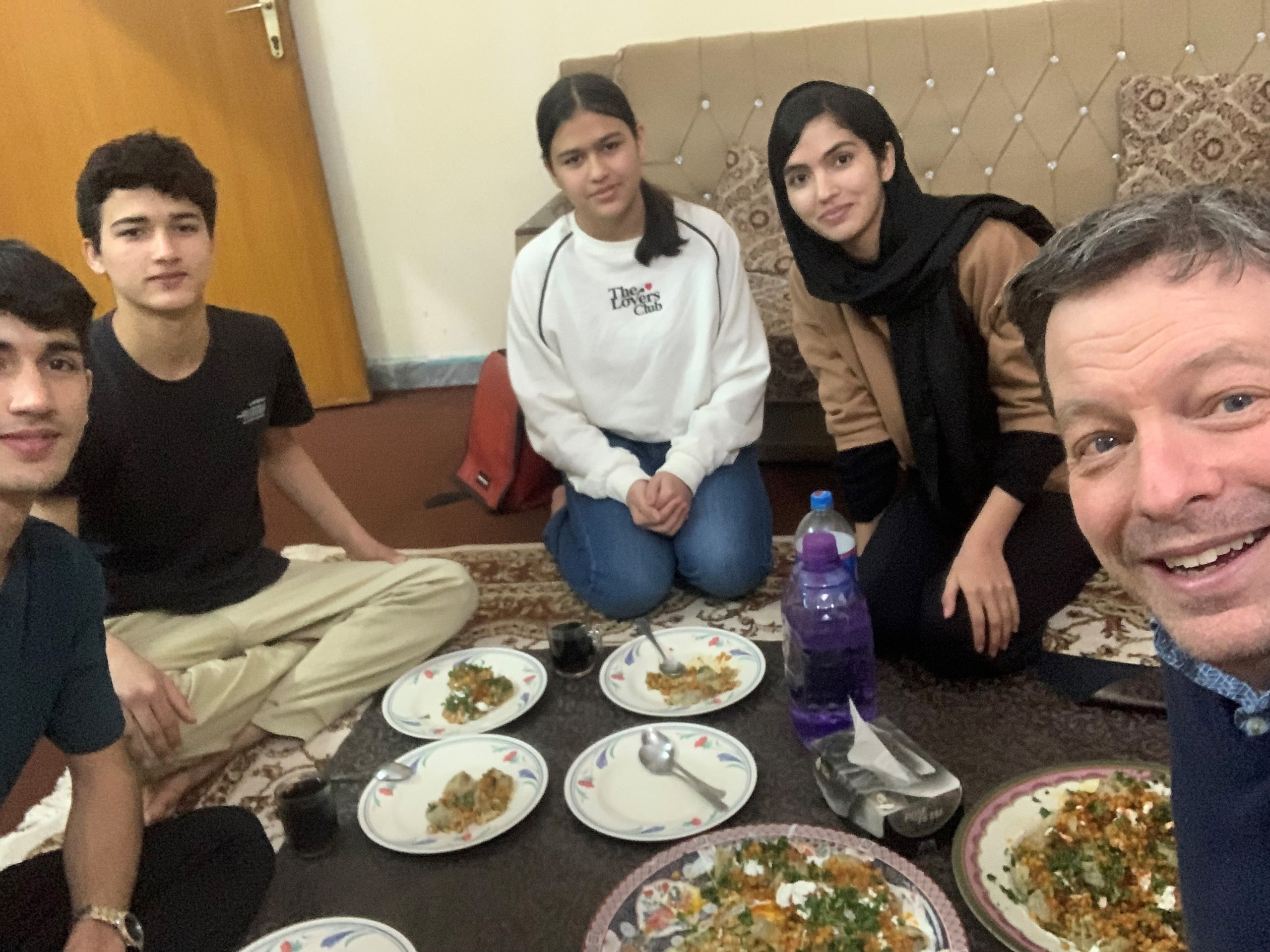
I was wrong: Wazhma and her siblings cooked a really spectacular meal of Mantu, the delicious Afghan meat dumplings served on special occasions, in what was clearly a neat and orderly household. The four kids had become a tight-knit family of their own, and they spoke enthusiastically, in good English, of their school plans and daily routines – and of the policy dilemmas that kept their family separated.
As soon as I returned to Canada, I knew we had to find a way to get them out of danger.

Wazhma
There was no bedding, no toiletries, not even anything to read or keep us occupied in the camp. A woman from one of the adjoining families had offered us a single pillow, and then got in a fight with an older woman from the same family who didn’t want them to surrender such a rare luxury. I told them off for fighting among themselves, then yelled out the window for the guards to bring us another pillow and a pen. They ignored me at first, but I kept yelling until they gave up and brought us those things.
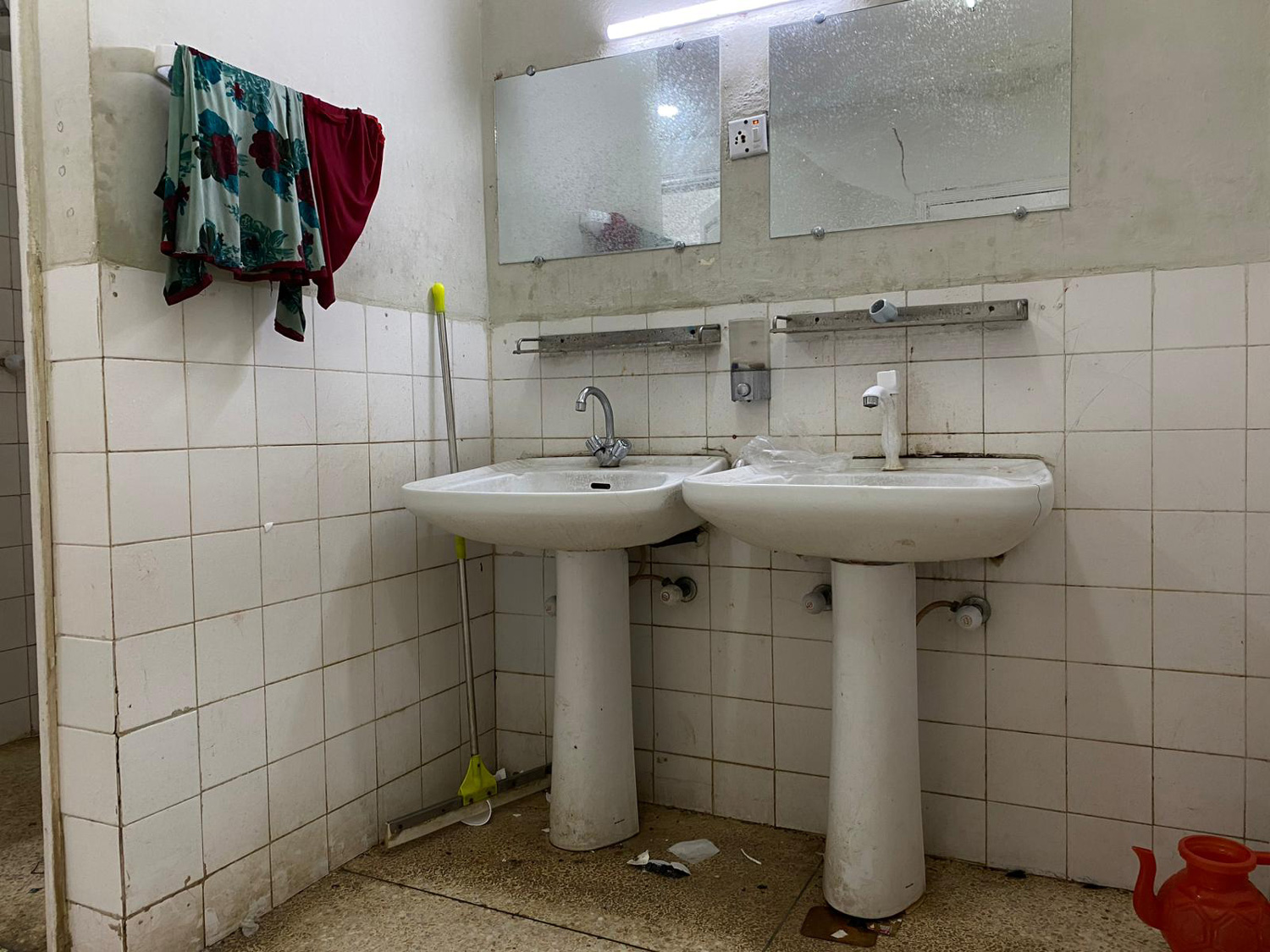
I used the pen and an old lunch wrapper to play games and puzzles and draw sketches with my sister. I balled up a piece of plastic wrap so we could play catch. And I yelled at the guards to put me in touch with my brothers, who were in a men’s dormitory. We would not survive this ordeal unless we could stay together as a family – that’s something we had learned the hard way.
I grew up in Kabul during the best time, when Hamid Karzai was president and Western countries were present. We never saw the Taliban, and the war didn’t touch us. We had a big house with a garden, among the few Persian speakers in an otherwise Pashtun neighbourhood. My mom worked for a French charity that supported kids living on the streets, and my dad had been in the military but had become a traffic policeman so he could stay close to home. We would all go out for family picnics, and we could just wear jeans and a blouse, without pressure to conform.
I became interested in the media when I was eight or nine years old. My older sisters worked in broadcast media, and one of them took me to watch the production of the Afghan version of Sesame Street, which was funded by the U.S. Agency for International Development. In those years, Afghan media was a place for women.
In 2014, we started to experience bombings and terrorist attacks, as the Western militaries left and the Taliban became more aggressive. It was becoming too dangerous to live in Afghanistan.
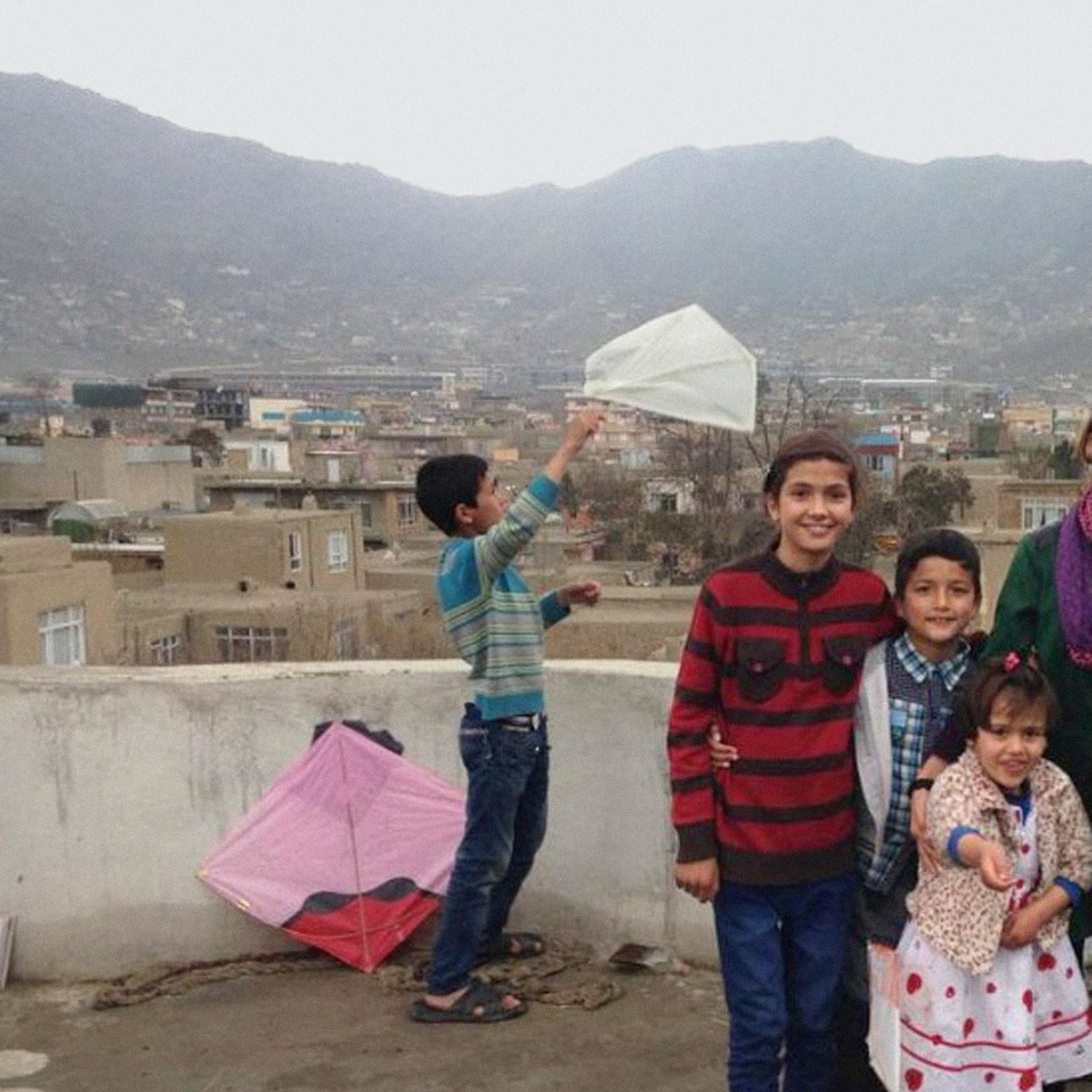
My older sister Yalda, always the adventurous one, got a scholarship for a study program in Brazil in 2017. She met a Canadian guy, Phillip, in South America; they shared a love of hiking and the outdoors, and they travelled a lot together and later got married.
In 2018, my family moved to India. We had a good life in New Delhi – people were very tolerant and school was good. But all our attempts to get refugee status or immigrate were rejected. So we returned to Kabul, where we found things had become more tense and violent during our year away. And then the pandemic began.
My father became very ill in 2020. After he began having terrible trouble breathing, my mom took him to the hospital. The doctor told her to take him home; there was nothing they could do for him. Hospitals in Afghanistan had basically stopped functioning. There was no oxygen, no proper medicine, and everyone was scared.
After that, I was the one who took care of my father. I fed him fruit and tried to help him. We had always been very close. I was alone with him when he stopped breathing and went cold. My sister told me he had died. My heart was broken.
I was still grieving him when the Taliban took over Kabul. It was on the last day of my high-school exams when they entered the city and we learned that president Ashraf Ghani had fled, abandoning his own country. We knew the army wouldn’t be defending us. And we realized we had to leave. Our Taliban-supporting neighbours knew we had worked for Western organizations and for the army, and that there was no male head of our household – only women who had jobs, which they considered wrong. They could do anything to our family.
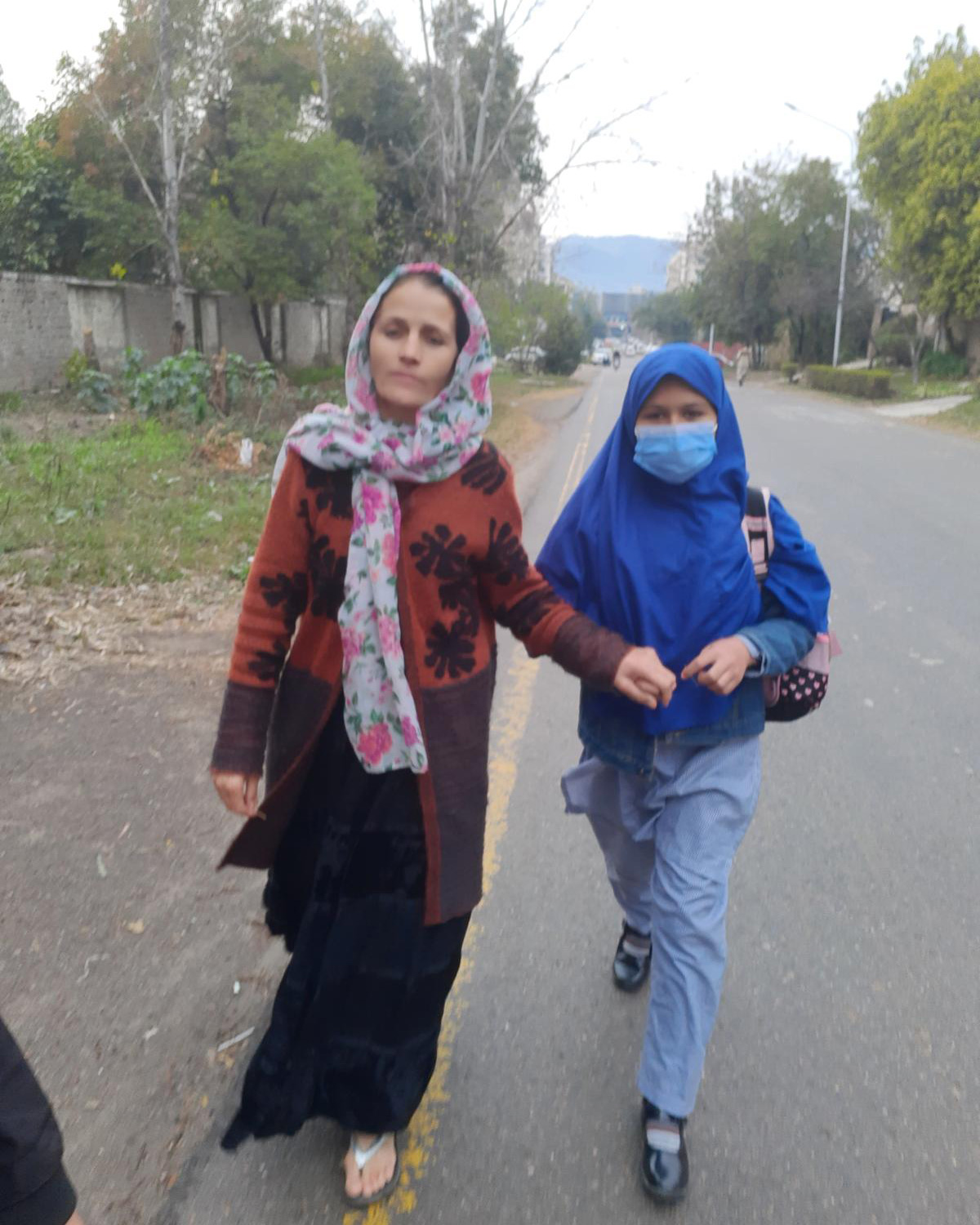
But the airport was inaccessible, and most of the land borders had imposed rigid visa checks. We found a Pashto translator willing to make a trip to Kandahar, where the border was more open, and so my mom and my sister and I put on long dark dresses and full head coverings for the first time in our lives, squeezed the six of us into our car with only one bag to hold our possessions, and drove through the desert in the south of Kandahar province, where we could cross the border into Pakistan.
We found a place in Islamabad. I got a job teaching languages, and we started looking for a way out. It was hard, because Pakistan wouldn’t allow Afghans to get their refugee status documented by the United Nations High Commission for Refugees, and most countries, including Canada, require you to have that status before you can apply for any refugee scheme.
Finally, in May of 2022, Yalda and Phillip found a solution. While travelling in Ecuador, they had secured us visas to travel there and claim refugee status. The visas were physical documents that arrived in the mail. We bought five one-way plane tickets, and went to Islamabad airport, dreaming of our new life in South America. After we’d checked our bags, however, the Pakistani authorities wouldn’t allow us to board. They wouldn’t issue us an exit visa – they said we needed a visa stamped in our Afghan passports, not a paper visa. But there is no Ecuadoran embassy in Afghanistan, so it would be impossible to obtain. We left the airport in despair, without legal residence and without a future.
Yalda did not give up. She was a Canadian now, and was living in Mississauga, Ont. Canada has special visas allowing foreign-resident parents and grandparents to visit their Canadian families for up to five years, and she got one of those for our mom, who could file for refugee status after arriving; she’d almost certainly be accepted, because her work with Western organizations had made her a target of the Taliban.
But Canada doesn’t have such visas for siblings. And it would be a couple years before our mom would have her Immigration and Refugee Board hearing, which would hopefully give her permanent-resident status and allow her to sponsor her own dependent children – that is, the ones who are under 22 years of age. I would be too old to qualify as a dependent. That meant my mom’s four youngest children, including me, would be left alone in Islamabad for years. We didn’t know for how long.
At first my mom didn’t want to take the visa. She couldn’t fathom leaving her kids behind – it would be unbearable. But we told her we didn’t have another way out.
So in July of 2023, she went to Canada, and the four of us were left alone together in a two-bedroom apartment. Mom would phone us from Mississauga every morning at 5 a.m. It was hardest on my little sister Nahid, who was 12. She would take one of my mother’s old dresses to bed with her and fall asleep embracing it, weeping.
My siblings went to school every day, and I worked. My sister and her husband were supporting us from Canada – they covered rent and school fees, and my paycheques covered the rest. From 2022, I’d had a job teaching Persian in a school, and then a job at a private kindergarten. Eventually, I started getting work for non-profit organizations that work with refugees and women in danger, and with media organizations including The Globe and Mail. Then I found rewarding work with an organization that helps Afghan girls who are victims of forced marriage – a threat I understood well, because distant relatives were trying to get me married to their son in Afghanistan. In the summer of 2024, we were forced to move to a new apartment because our location was known to such people.
Gradually we got used to being a household together. At first there was some tension – whether my siblings could stay up all night on their phone, who could do the shopping safely, how to get everyone to school on time. But the fact that we were in danger, that we had no legal papers and the police or some Taliban relatives could come take us at any time, brought us closer together.
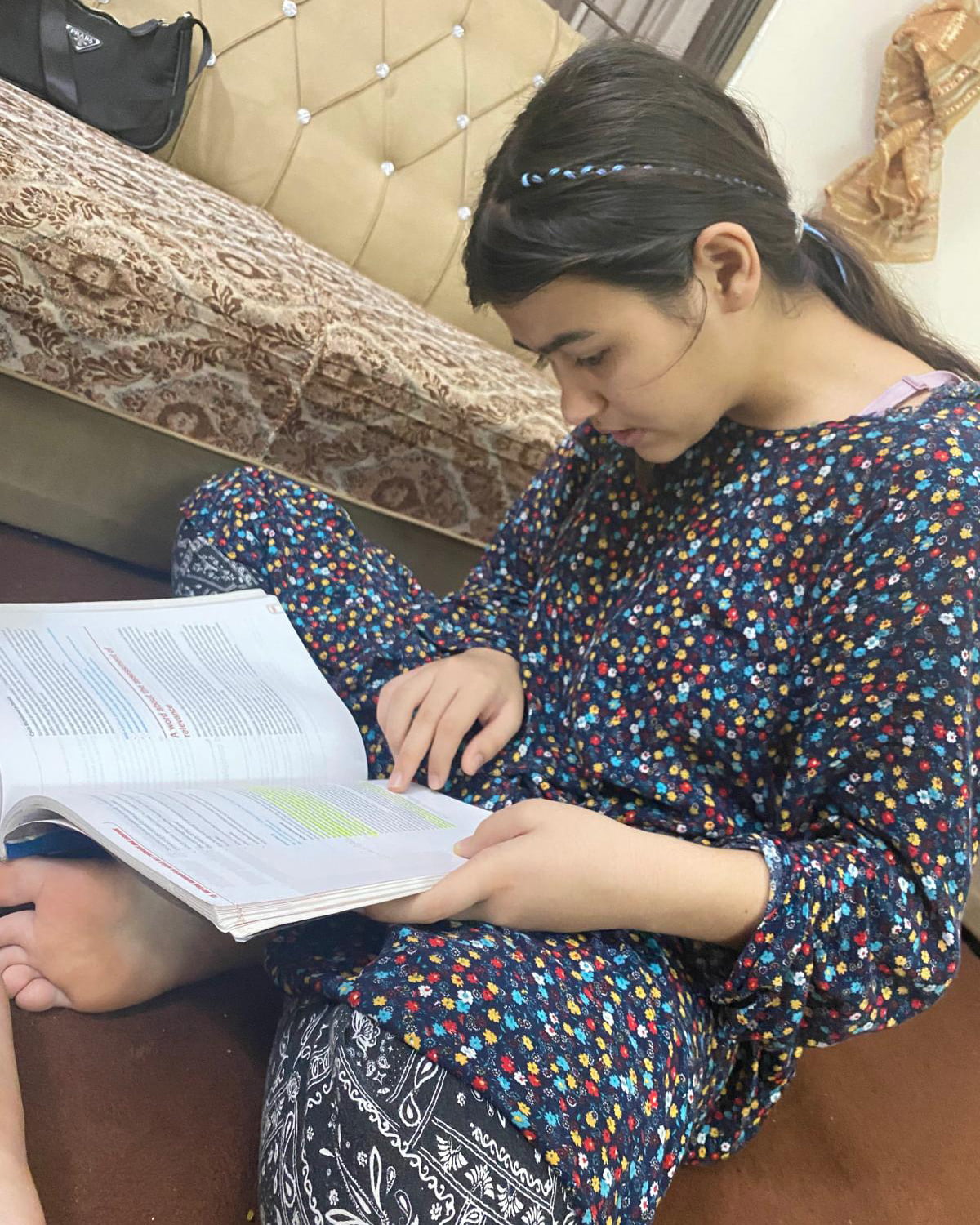
After almost two years we’d developed a set of routines and we helped each other out a lot. But it was also agonizing, because we knew we had no future in Pakistan. And we had no idea how we would ever get to Canada. It could be years, it could be never. And when they started rounding up Afghans this year, I knew there might come a day when there was a knock on our door.
Doug
I knew we had little time to spare after getting Wazhma’s text. My first instinct, in those predawn hours, was to call Leslie Scanlon, who I’d known as the Canadian high commissioner to Pakistan. She frequently had to save Canadian refugee applicants from being deported. Then I remembered that she had recently become Canada’s ambassador to Israel – a busy job in the early summer of 2025, to put it mildly. Nevertheless, she quickly put me in touch with Luke Myers, a veteran diplomat who was serving as acting head of mission in Islamabad.
Luke immediately understood the gravity of the situation, and dispatched his diplomatic and consular staff to contact the Pakistani Interior and Foreign Affairs ministries and the Islamabad deputy responsible for the camp. The High Commission’s representative from the Canadian Department of Immigration, Refugees and Citizenship went to the detention camp to personally intervene.
Just before 7 a.m. the next morning in Islamabad, after the Hamidis had spent their first night in the camp, the officials received assurances that the four had been removed from the list and wouldn’t be deported.
But as the day went on, it appeared that they were going to be spending another night in the detention camp. Nobody knew why.
At 3 a.m. in Toronto on Wednesday – around noon in Islamabad – I got a voice text from Wazhma: “Hello Doug. They’ve given me my phone for a moment, since we’ve been here 24 hours. They say they will deport us tomorrow, at maybe 7:00. I don’t know what to do.”
One step forward, two steps back. In February of 2024, when I returned from Pakistan and began contacting Canadians to find a solution to Wazhma’s situation, I had no idea there would be 16 months of this pattern to come.
Since the Taliban seized Kabul in the summer of 2021, Canada has received about 55,000 Afghan refugees. The largest group are people who worked directly with the Canadian military or government and their families, whose lives were in immediate danger if they stayed. Their resettlement was a triumph of round-the-clock effort on the part of understaffed immigration and refugee departments.
But Afghans who were targeted by the Taliban for having worked for other Canadian organizations, including the media, often faced long delays and bureaucratic hang-ups, as my colleague Mark MacKinnon discovered during his lengthy ordeal to get The Globe’s Kabul staff and their families out of Afghanistan. Many other Afghans with legitimate asylum cases experienced years-long delays and discovered that their families could not easily be reunited. In response, Ottawa instituted a number of special policies designed to expedite these reunions (those programs have now ended).
The Hamidi family weren’t one of those cases. Because they are a mix of immigrants and refugee claimants, they fell between the cracks of those two systems – and they fell prey to a set of Canadian policy gaps, disconnected departments and rigid adherence to rules that often keep families separated for very long periods, sometimes forever.
One of the first people who helped me was Said Najib Asil, the young TV journalist who founded Canada’s Afghan journalist organization, Free Speech Hub. I got further assistance from Rachel Pulfer from Journalists for Human Rights, and immigration-law professor Jasteena Dhillon. The three of them gave me detailed information on a range of Canadian specialty visas and immigration programs that could apply to Wazhma.
The most prominent of these, the Human Rights Defenders refugee stream, is designed to rescue a handful of people each year from around the world who are being persecuted for defending people against authoritarian regimes. Wazhma’s work saving child forced-marriage victims made her a candidate. But by 2024, the program had a years-long waiting list.
I soon found that most other Canadian refugee programs – including sponsorship by citizens such as me – require their candidates to be officially recognized as refugees by their home country’s office of the UNHCR. But Pakistan does not allow the UNHCR to issue such documents. Wazhma was invisible to Canada because she couldn’t even apply.
In October, I told Wazhma’s story to Canadian senator Ratna Omidvar, who had come to Canada in the 1980s as a refugee from Iran and is a respected academic expert on immigration policy (she retired from the Senate late last year). “We have to do something immediately,” she told me, and arranged meetings to organize a network of people around the Hamidi family’s cause.
The first solution she found was through Canada’s well-regarded employment-based refugee settlement programs, such as TalentLift Canada. These connect skilled refugees with Canadian companies in need of specific skills who will agree to employ the chosen refugee full-time for at least a year. Wazhma’s work experience made her an ideal candidate, and impressively, the CEOs of two Toronto-area companies were eager to hire her as soon as they heard about her background.
We had just filled out her forms, and were beginning to plan her working schedule, when we got word from Ottawa that Wazhma could not bring her younger brothers and sister with her. IRCC does not allow these programs to recognize younger siblings – only offspring under the age of 22 – as accompanying dependants. The same applied for university-based refugee programs, which we also tried.
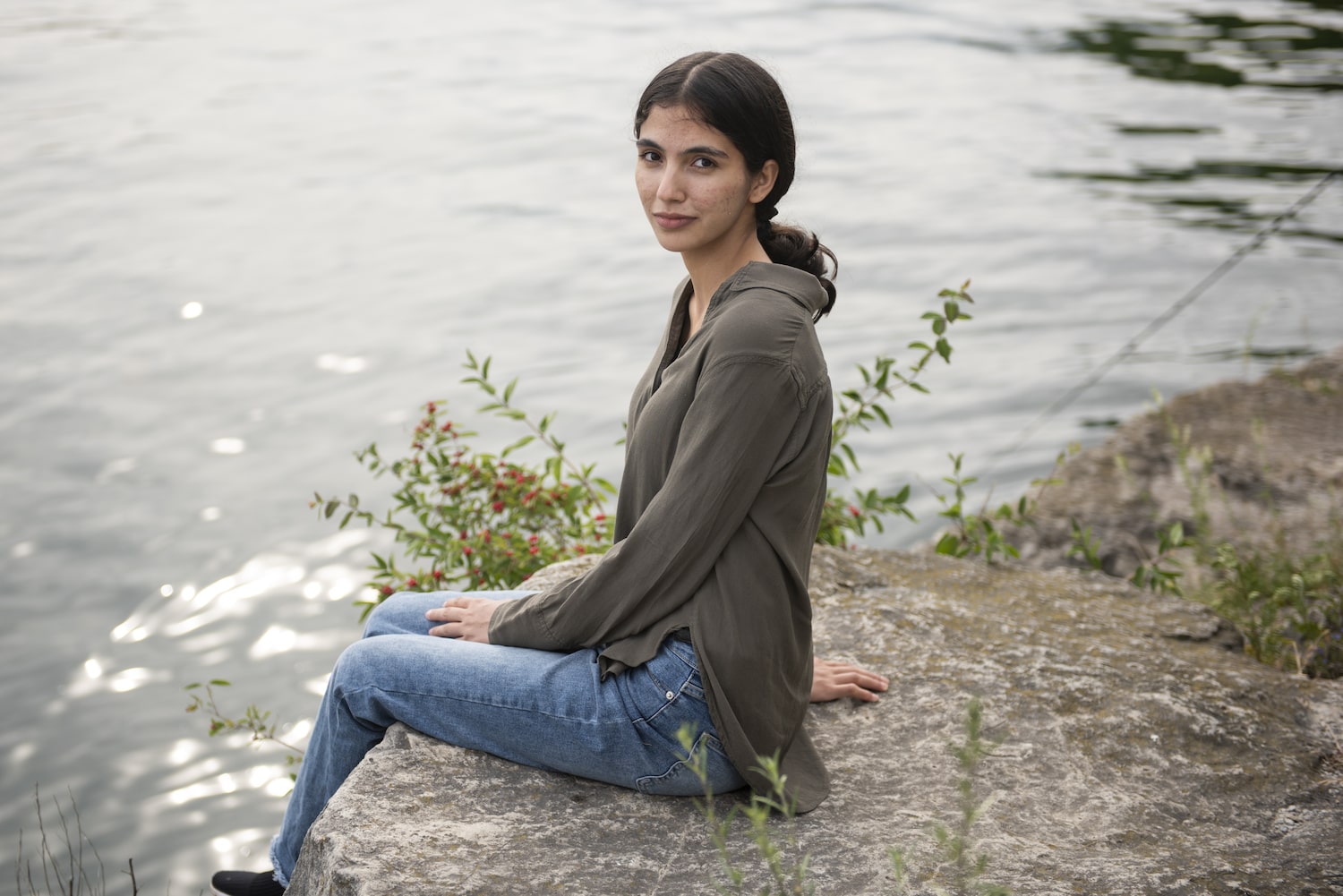
This left the Hamidi family in a predicament. They could either get Wazhma to Canada through one of these programs, and leave her child siblings behind – or they could wait until their mother became a permanent resident, and she could apply to sponsor the three kids under the age of 22 as dependants, which would leave Wazhma behind. Either process was likely to take years, and Pakistan’s mass-deportation program was closing in on the four of them.
In January this year, Ms. Omidvar recommended I get in touch with Mellissa Fung, the CBC journalist whose book Under an Afghan Sky and 2021 documentary Captive chronicled her violent 2008 abduction by Taliban-linked figures in Kabul and examined the plight of similar abductees in other countries.
Mellissa immediately recognized the urgency of the situation and responded with a flurry of activity. Her connections led to one of the most elusive entry paths for refugees: the Sponsorship Agreement Holder system. This grants a number of charities and community organizations in Canada a handful of refugee sponsorship slots each year. These are among the very few Canadian schemes that do not require UNHCR refugee status; it is up to the organization to determine that candidates are genuine refugees.
An organization in Mellissa’s network agreed to give up the sponsorship slots it had remaining for 2025 – which was exactly three. One would go to Wazhma, because she was a woman under imminent threat. Her child siblings Nahid, 14, and Mujtaba, 17, would get the other two. But her brother Mustafa, 19, would be left behind – there were no more slots. We asked IRCC to open up one more space on humanitarian grounds, but Ottawa’s tough new stance toward immigration numbers meant they were unwilling to add an extra refugee in 2025.
We enlisted lawyers to prepare various options, including a possible court challenge based on the UN’s Convention on the Rights of the Child, which IRCC rules say is the basis of their policies. But even if successful, that was still not likely to happen until early 2026 at best. By this point it was May, and Pakistani reporters such as Zia were chronicling the mass detainment of Afghans after the March 31 deadline passed. I began texting Wazhma regularly to make sure she was safe, and in late May wrote a column about the danger she and other Afghans faced.
Three days after that column was published, the military police came to Wazhma’s door. Now she and her siblings were on a convoy of buses headed through the Khyber Pass to the Afghan border.
Wazhma
On that second night in the camp, the police read out a list of everyone who was to be deported. But they didn’t include my name or my sister’s. Then another police officer told us we had been removed from the deportation list. I told Nahid we were safe. But then for some reason they made us stay the night.
Things had changed by the morning. The police officer came in and said we should prepare ourselves to be deported. Another officer told us that we had been removed from the deportation list, only to be added back on an hour ago. We all had to get on the buses.
At this point, I panicked. I told the officers that it was an emergency, that I was a refugee and I could prove it, that I couldn’t be taken to the border. A female commando observing my outburst struck me between my shoulder blades. “You have to get on the bus,” she said, then laughed at me and spat: “Oh my God, now you’re crying?” In truth, I was so frightened that I couldn’t cry.
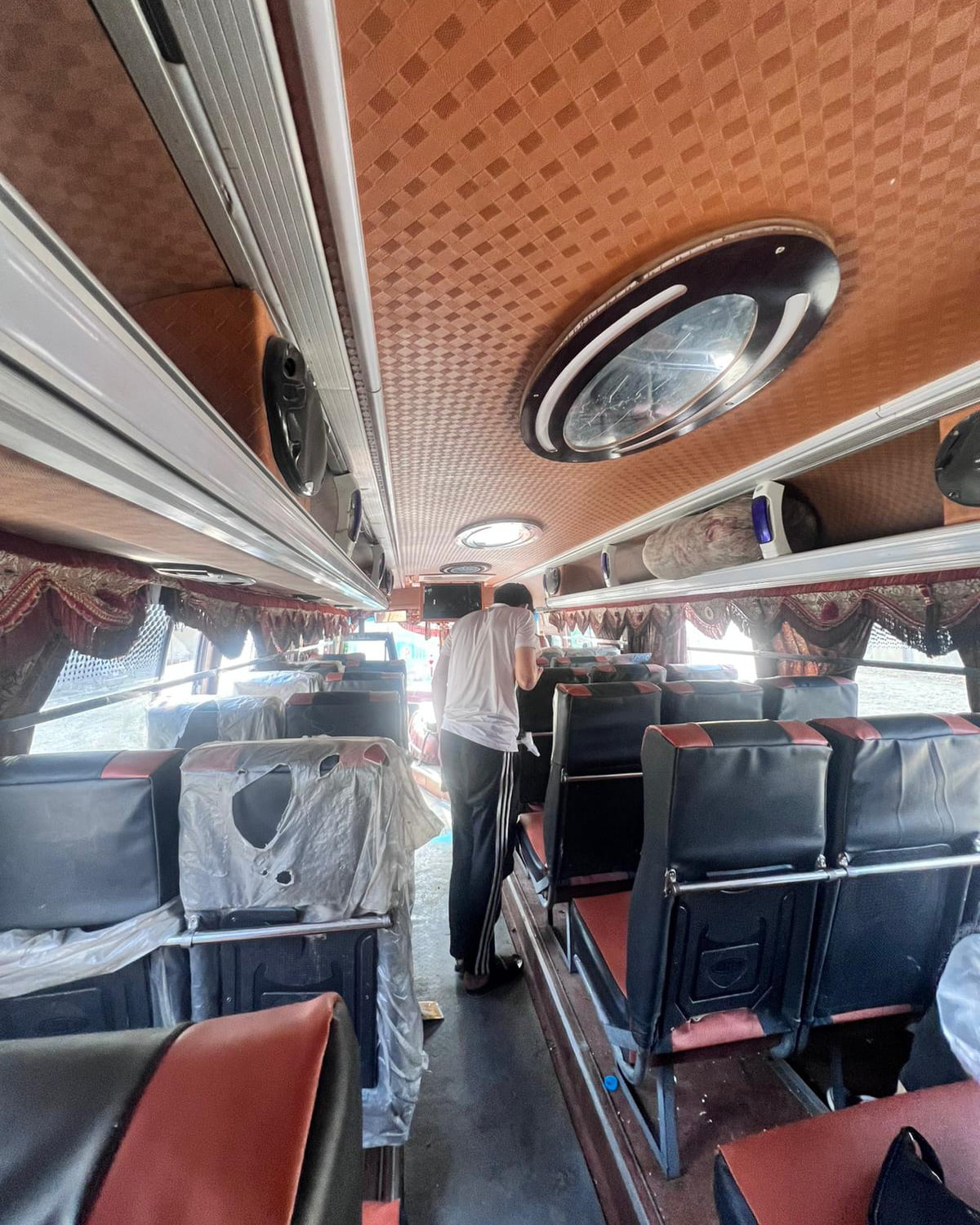
On board the bus for women, which was full, there was a police driver and two armed officers. Another family on board had also been accepted as refugees by Canada. We were terrified, and I started making plans with that family to stay in tents in a sprawling encampment near the border, so we could maybe avoid being sent all the way to Kabul where the Taliban would find us.
As the bus made its way toward the border, I thought to myself: I can’t do it. I can’t save my family. We’ll have to start everything again, from zero, maybe living in a tent. And we’ll never be a whole family again.
And then, just before we got to Peshawar and the mountains, the bus pulled over and stopped. A car had driven in front of the convoy and had flagged it over – and I realized it was the sports car of our neighbour, Shoaib. He got out, spoke a few words to the bus driver, and passed a bag through the window. It was the folder containing our passports and cash. He said the Canadian officials had told him what was happening and he had caught up with the bus. I felt slightly better – it meant we could survive at the border.
But as we travelled the mountains and entered the outskirts of Torkham, the famous border crossing on the edge of the Khyber Pass, I realized it was about to happen. Since I didn’t have the kind of full-body dress and headcovering the Taliban require, I could be sent to jail for what I was wearing. I asked the police to let me get out and buy a long hijab, but they wouldn’t allow it. An older woman overheard the conversation, and gave me hers: “You need it more than I do. I won’t get in trouble because I’m old.”
It took a long time for the buses to get through Torkham town. That was because it was the day before Eid, and so many Pakistani farmers were bringing animals through the border crossing to be sold for ritual slaughter in Afghanistan. Maybe those animals saved us from deportation.
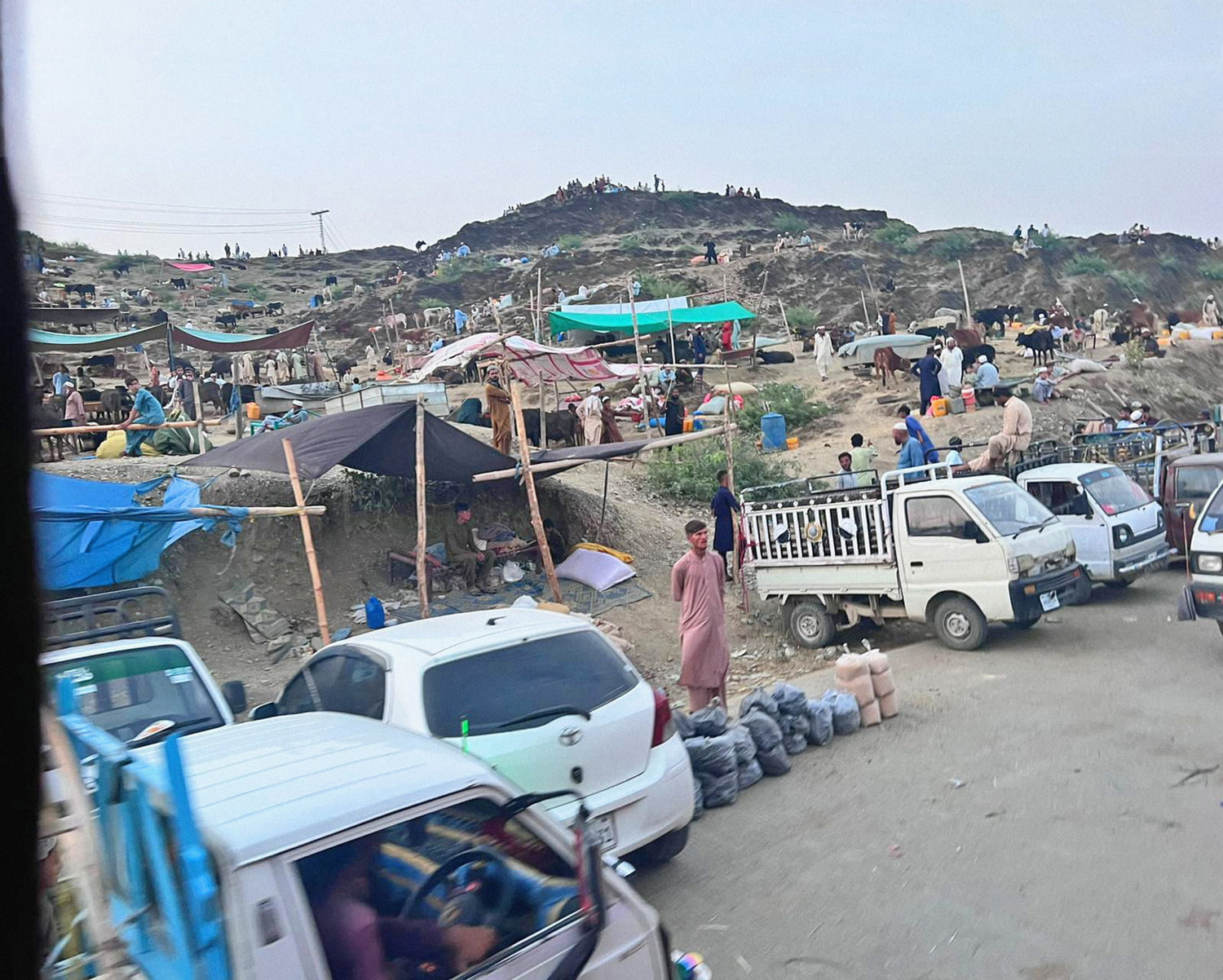
When we got to the border crossing point, the police told everyone to get out and join the queue at the crossing. But they told me and my sister, and the other family with a Canadian refugee application, to stay on the bus. Then my brothers Mustafa and Mujtaba came on and joined us. The police said that they’d received a release form, and we’d be sent back to the Haji camp in Islamabad. And they gave us our phones back. I contacted Doug.
Doug
I had been sending texts to Wazhma’s phone every couple hours through Wednesday and Thursday, without any response. Then, at 7:40 Thursday morning – just before 5 p.m. in Pakistan – my phone buzzed with a hasty text: “Hi Doug. We are in Torkham border now. They don’t deport us and they take us back.”
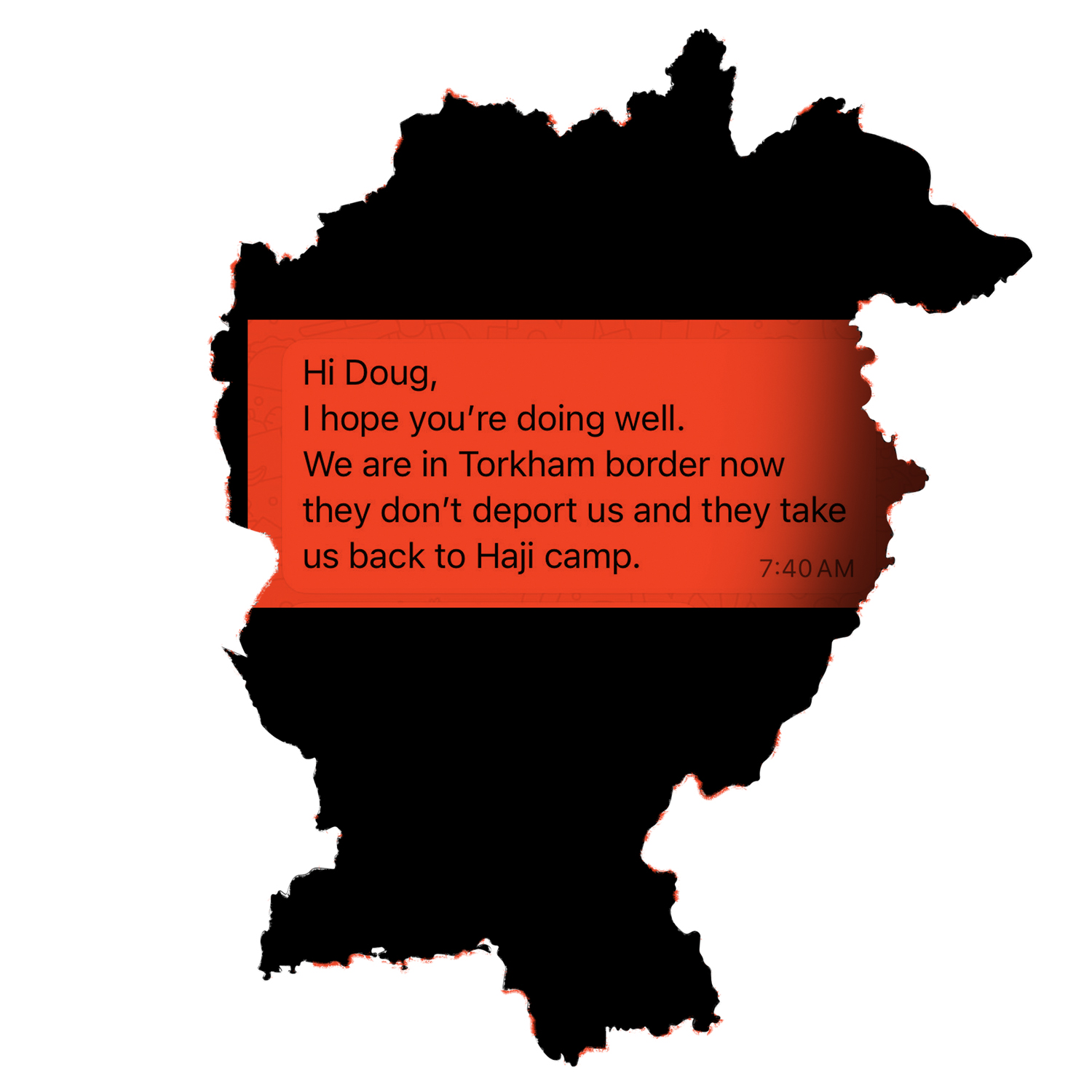
I alerted Luke at the High Commission. He told me that his immigration staff had learned that after they’d had the Hamidi kids removed from the deportation list, orders had come from higher up in the Pakistani government to deport everybody. Then it was all hands on deck. Finally, late on Thursday, he had reached Pakistan’s Deputy Prime Minister, who agreed to remove the kids from the deportation list under the condition that they be flown out of Pakistan more or less immediately.
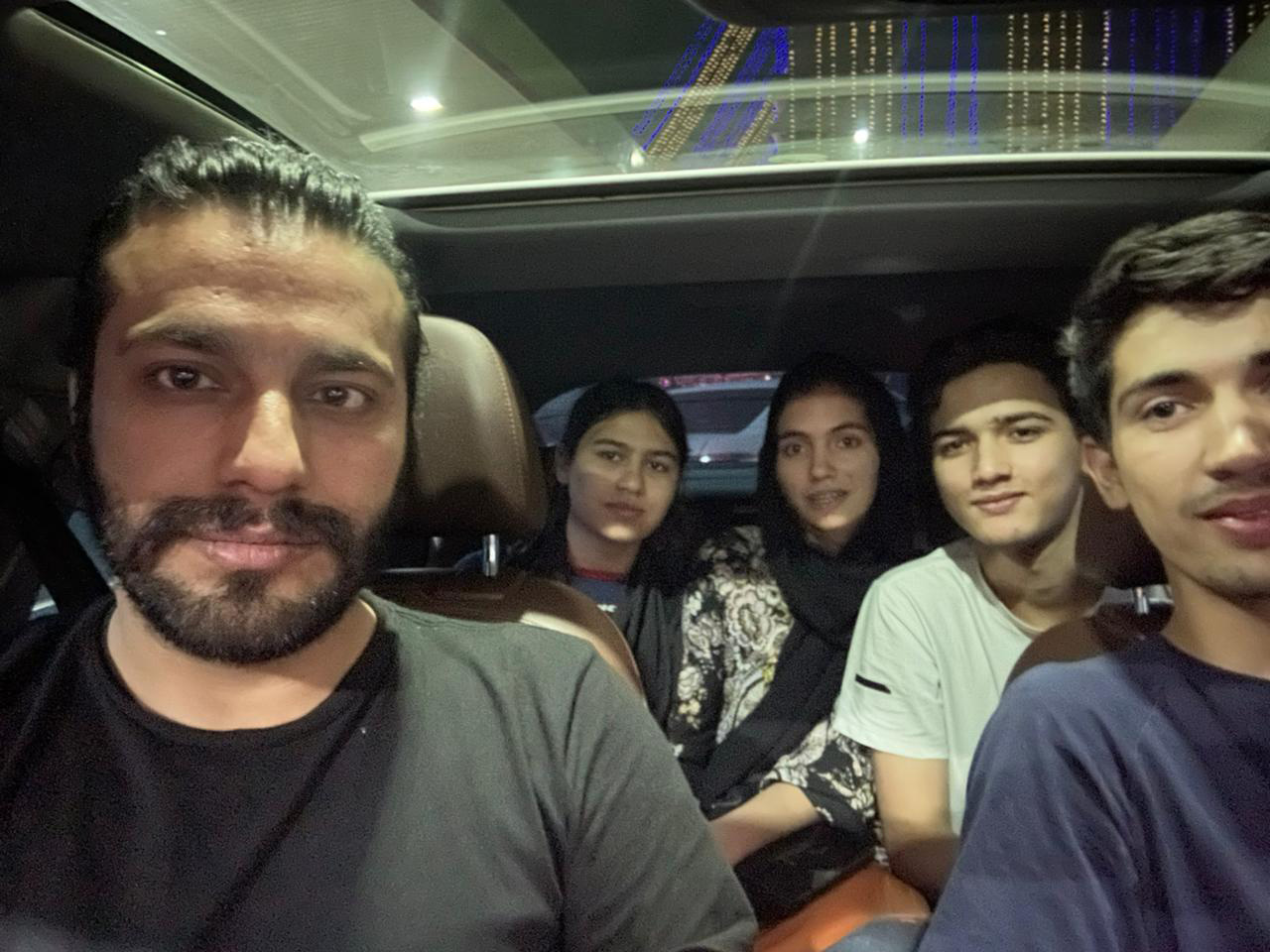
A few hours later I was texted a picture of Wazhma and her siblings seated inside Shoaib’s sports car, making their way through Islamabad. They were headed to the Canadian High Commission, where the staff greeted them warmly, processed their biometrics and health checks, and issued them visas.
Mustafa, the 19-year-old who had been denied a sponsorship and was preparing to wait at least a year alone in Islamabad, was made a Government-Assisted Refugee so he could join his siblings.
They were issued tickets to fly to Toronto via Dubai the next week (their family had to cover the cost of the tickets). And Luke congratulated them on their courage and reassured them that they would all be going to Canadian schools in September.
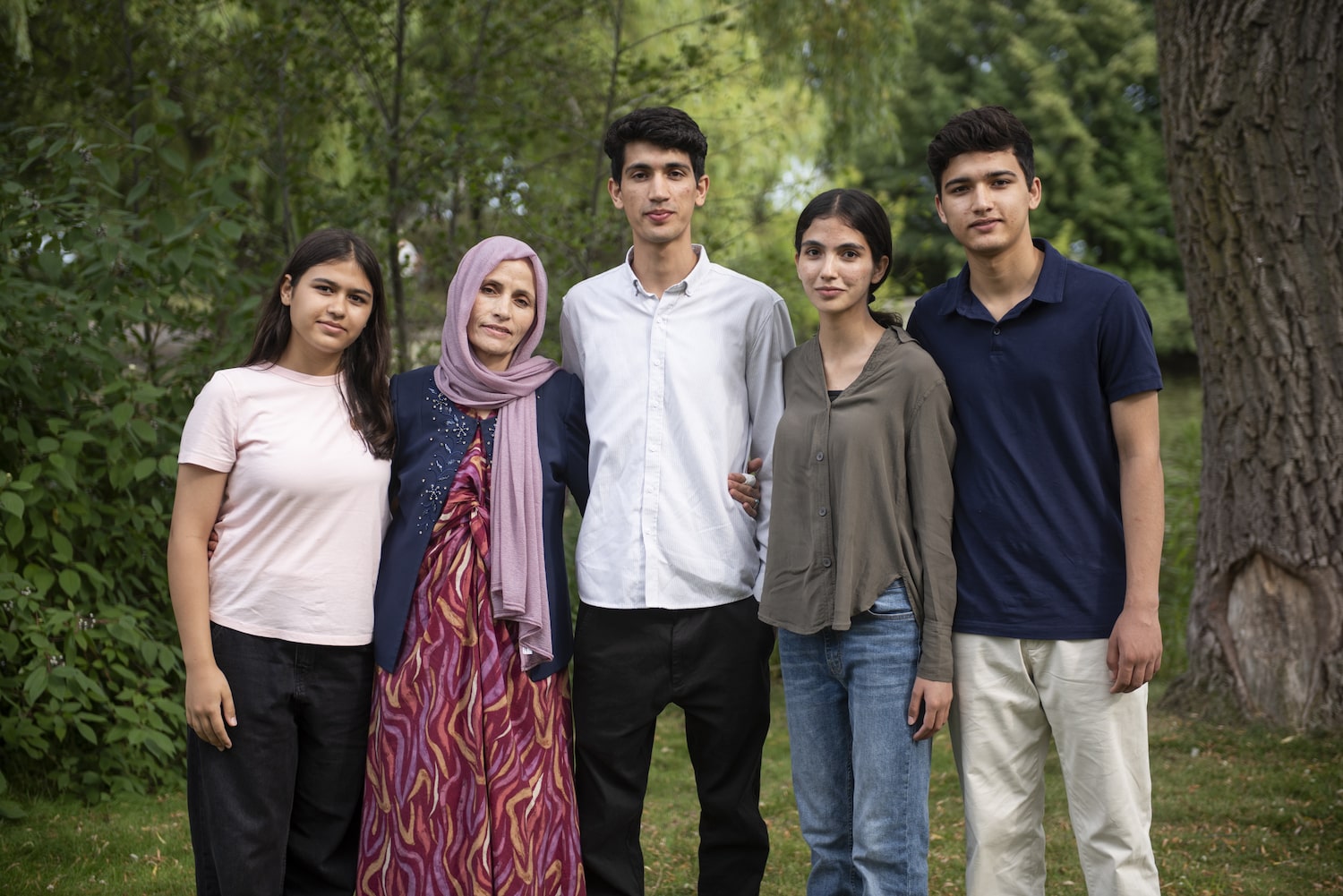
A few days later, they greeted their mother in Mississauga for the first time in two years.
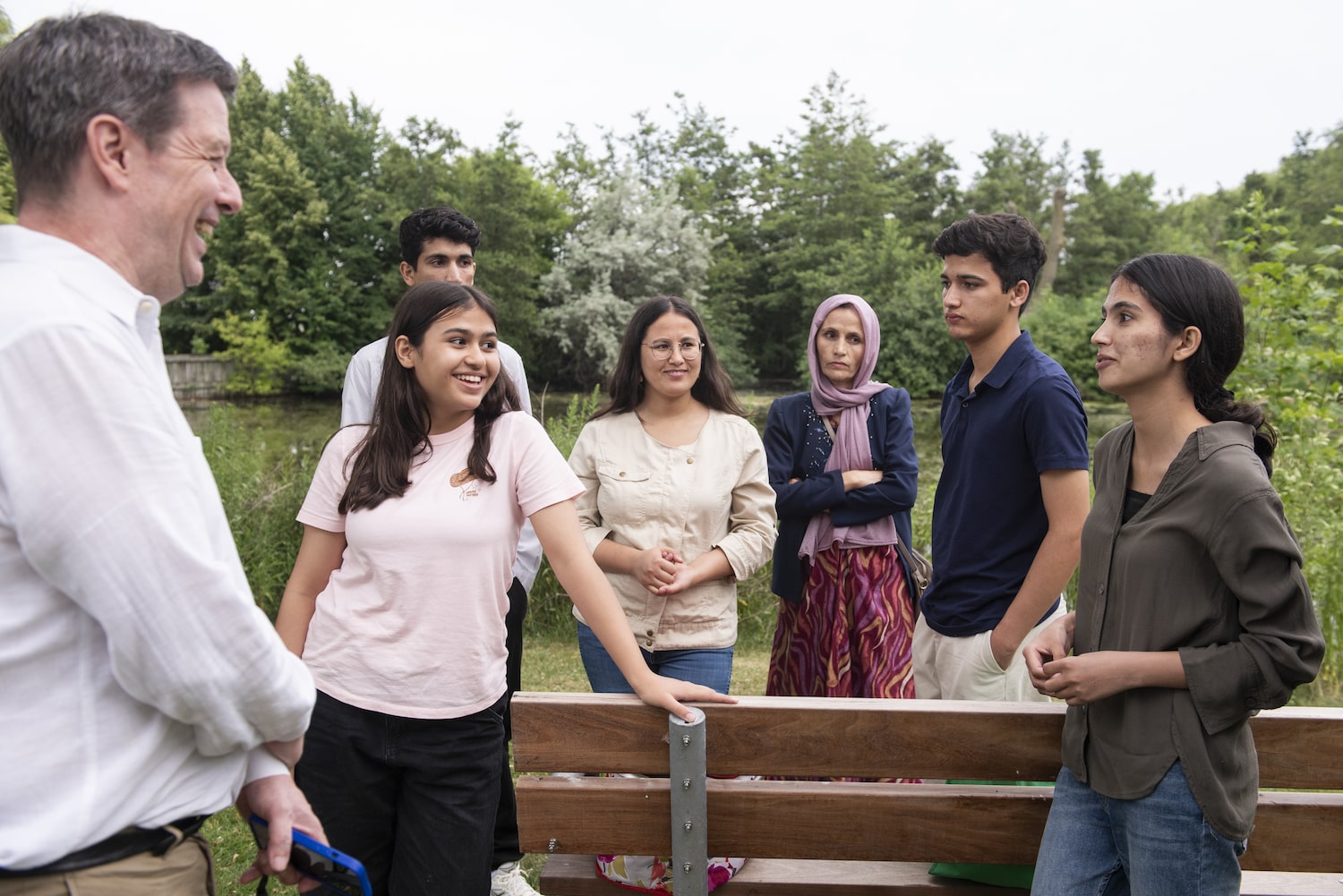
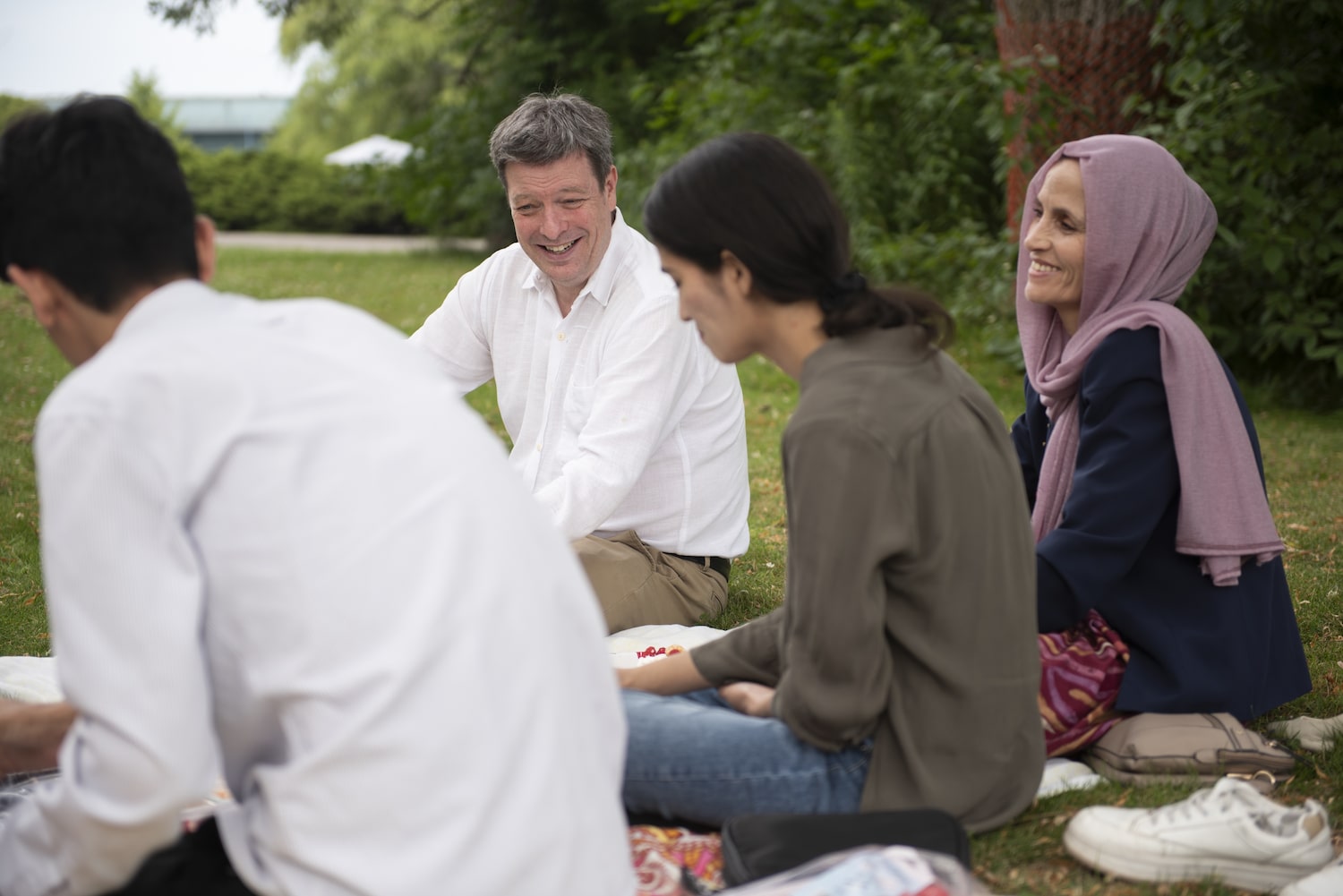
On July 1, the four Hamidi kids and Phillip took the bus and subway to our house in Toronto, where they joined my family for a Canada Day barbecue.
It was somewhat surreal for everybody. A few weeks earlier, these kids had been in a Pakistani detention camp under armed guard, then dragged to a mountain border post; now the entire family were permanent residents of Canada, soon to be citizens, eating burgers and potato salad and talking about swimming lessons and university admissions with our kids, who are the same age as Wazhma and Mustafa. Becoming Canadian was easy for them – they had been waiting to do it for years.
On one hand, their two years of separation in Islamabad were partly a result of Canada’s fraying patchwork quilt of immigration and refugee systems. As my recent investigation found, those often disconnected institutions, and the rigid rules that govern them, tend to create barriers and perverse incentives against the permanent settlement of intact families.
But the public servants who execute those policies – from the Immigration and Refugee Board, the Department of Immigration, Refugees and Citizenship, and the diplomatic, consular and immigration staff at the High Commission – all went to extraordinary lengths to make things work, once they understood the nature of the family’s problem. And, especially, once the Hamidis were in a genuine crisis and headed to the border, Luke Myers and his team moved heaven and earth to get them out.
It is a quintessential Canadian system: overloaded and awkwardly designed during normal times, but exceptionally effective in moments of crisis. Unfortunately for Wazhma and her siblings, it took a serious crisis to bring them together. And unlike other Afghan families still divided and trapped in Pakistan, they had a cast of thousands determined to get them out.
Wazhma
At Toronto’s Pearson Airport, as officials processed our arrival and issued us social insurance numbers, one of the United Nations staff there was a fellow Afghan. “You’re lucky to be coming to Canada,” he told me, “and if you study hard, I’m sure you will make it.”
It was such a joyous moment to see our mother and sister again after all those years. After we’d rested, we just took pleasure in doing normal things – making breakfast and lunch together, and especially walking in the park, like we used to do years ago. But now it was safe. This is a very important thing: In Afghanistan and Pakistan, it was never completely safe to walk around outside, especially for women. There was always a chance something bad would happen to you. For the first time, we could just walk around, go shopping, take hikes, and discover the amazing libraries, all without fear. I had never known that feeling.
My life has been delayed. Since 2021, when the Taliban took over on my last day of high school, I haven’t been allowed to be a student, or live legally anywhere, or start a career. Now, suddenly, it’s all possible. I can get a university degree and become a journalist and a professor.
I want to make up for all that lost time, and discover my own journey. And I’m so grateful to all the people who watched out for us and got me here.
