
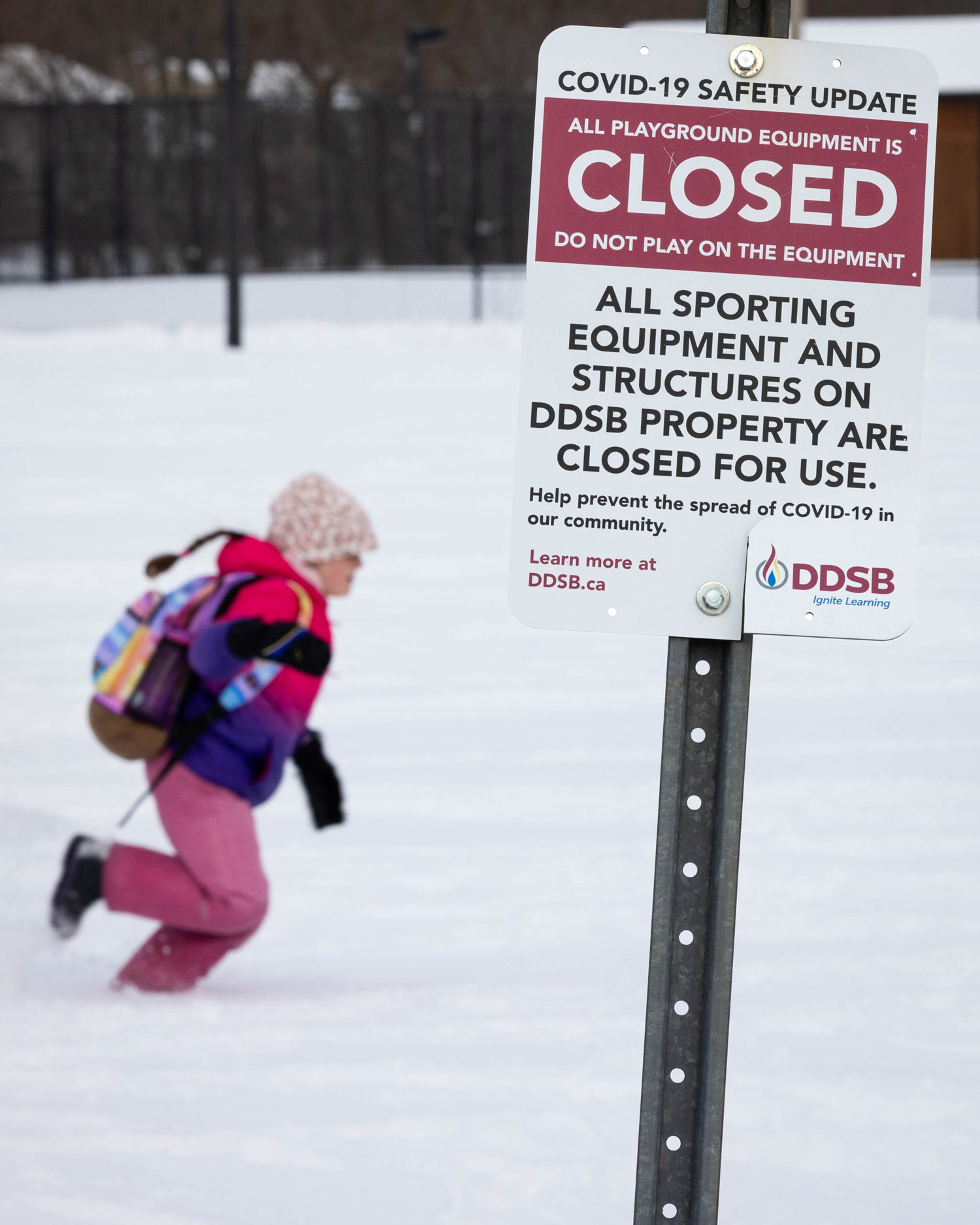
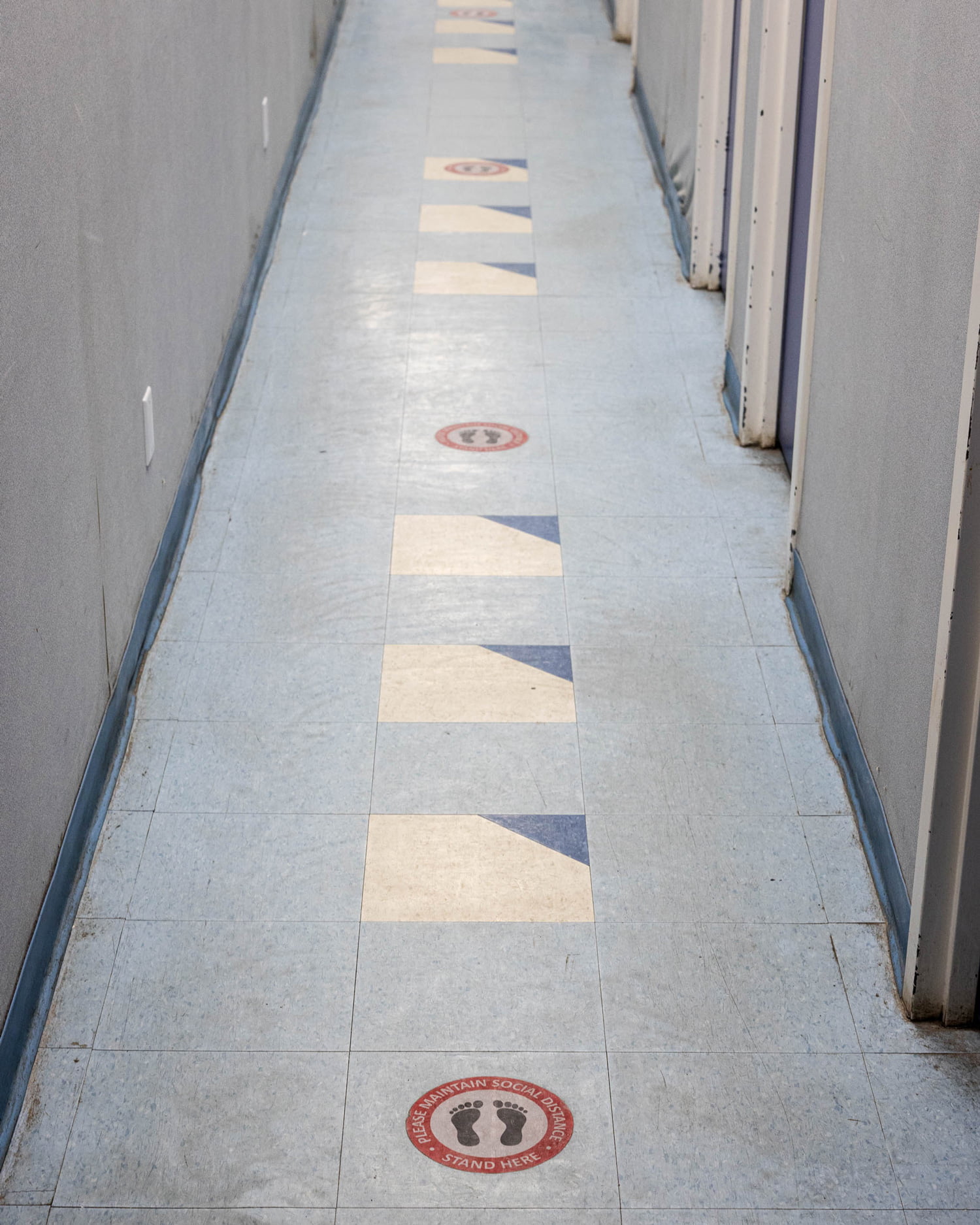
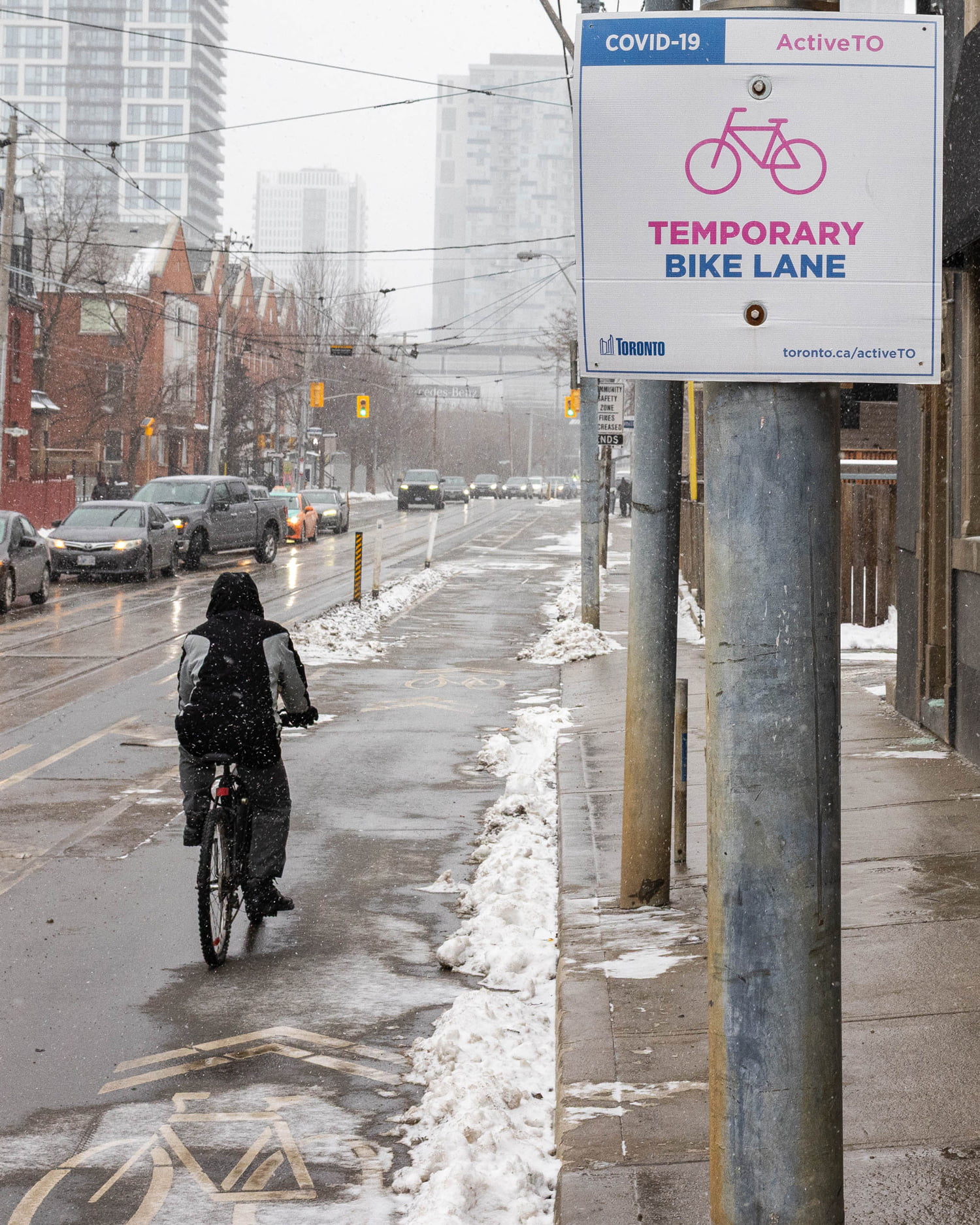
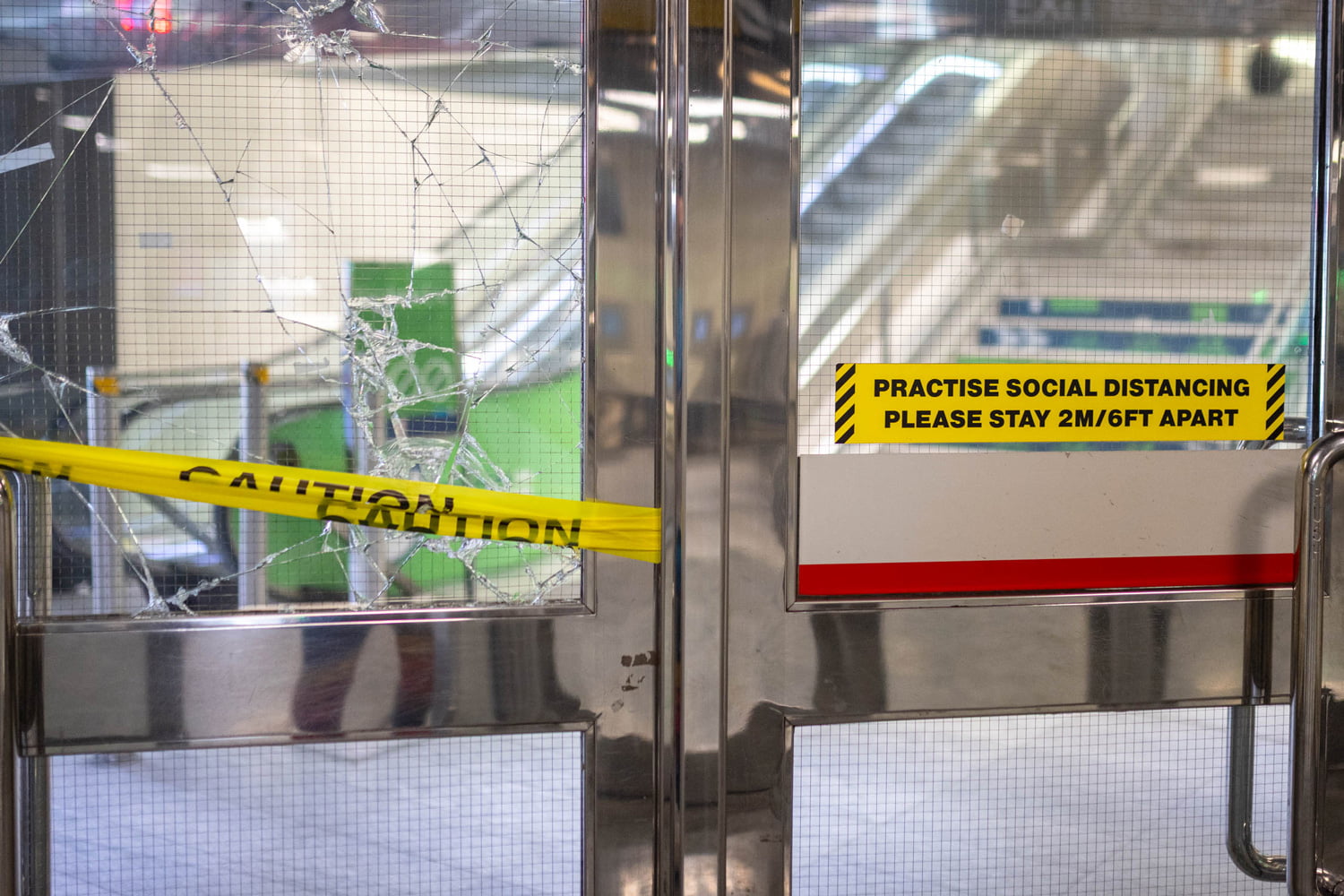
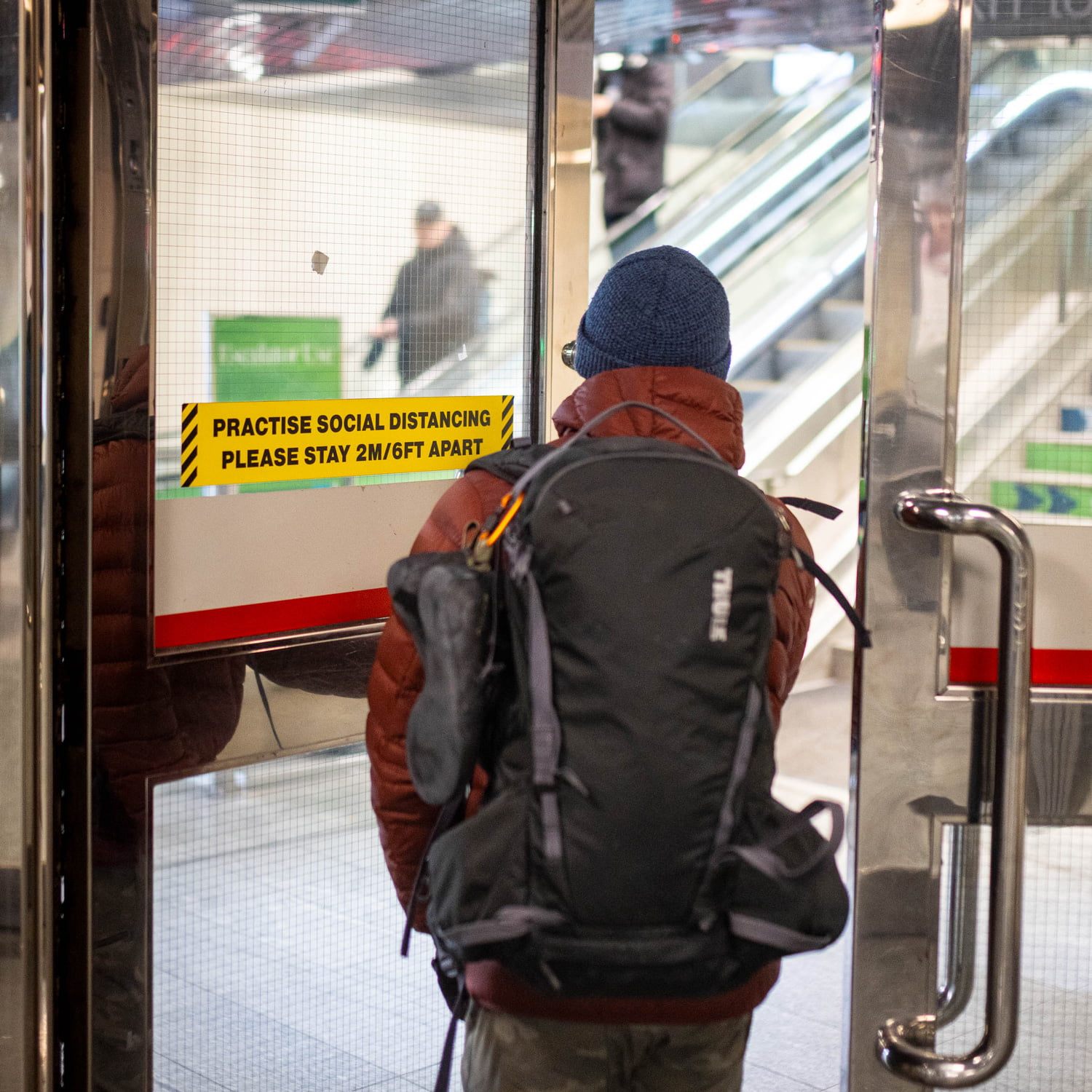
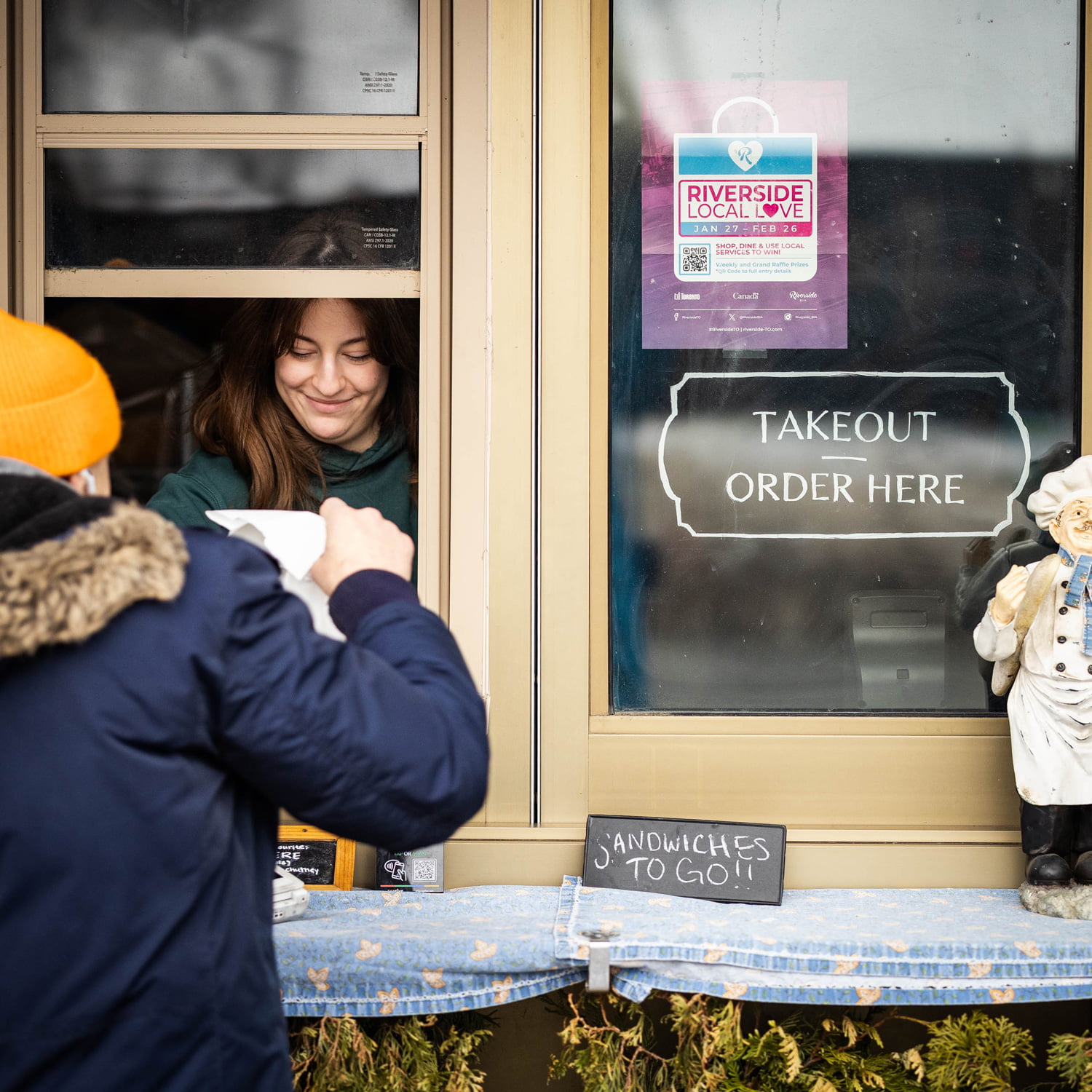
In February 2025, nearly five years since COVID-19 was designated as a global pandemic, Globe and Mail photojournalist Melissa Tait tracked down artifacts from those earliest days that remain in public spaces. Author Claire Cameron assembled the accompanying poem using phrases from news stories and online discussions about pandemic life.
How much do you remember about the pandemic?
the stories you hold on to will be
colored by your own experience
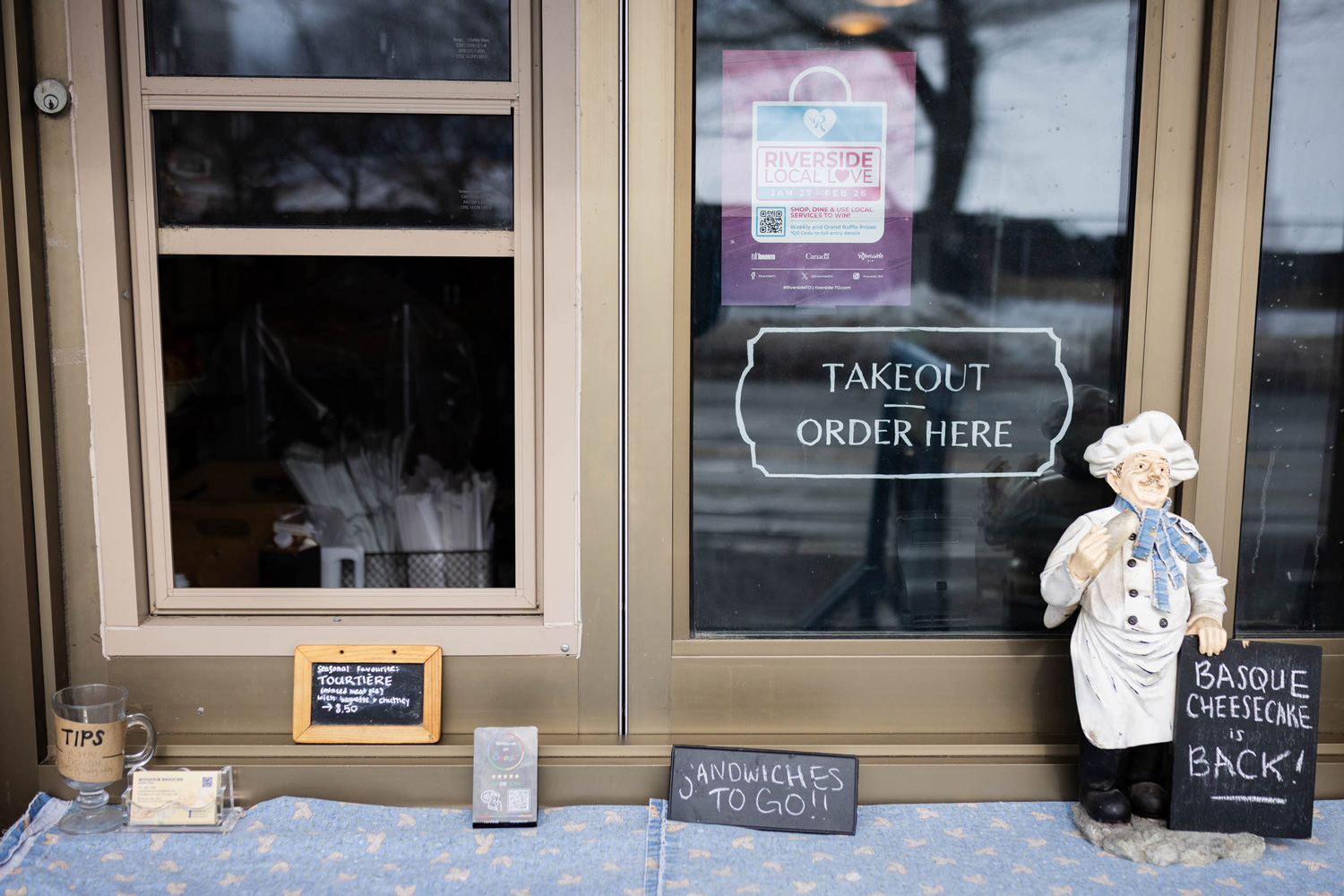
No cars on the road. No planes overhead
like in some kind of sci-fi or horror movie
the world had been emptied of people

It was eerie, to put it mildly
the shrieking ambulances
the sudden scramble to find toilet paper
The headline frenzy, the tragedies, the uncertainty
lockdowns imposed a sameness
the sense of time, in other words, shrank
March lasted like, three months
an automatic hand-sanitizing station
you could only enter the grocery aisles from one direction
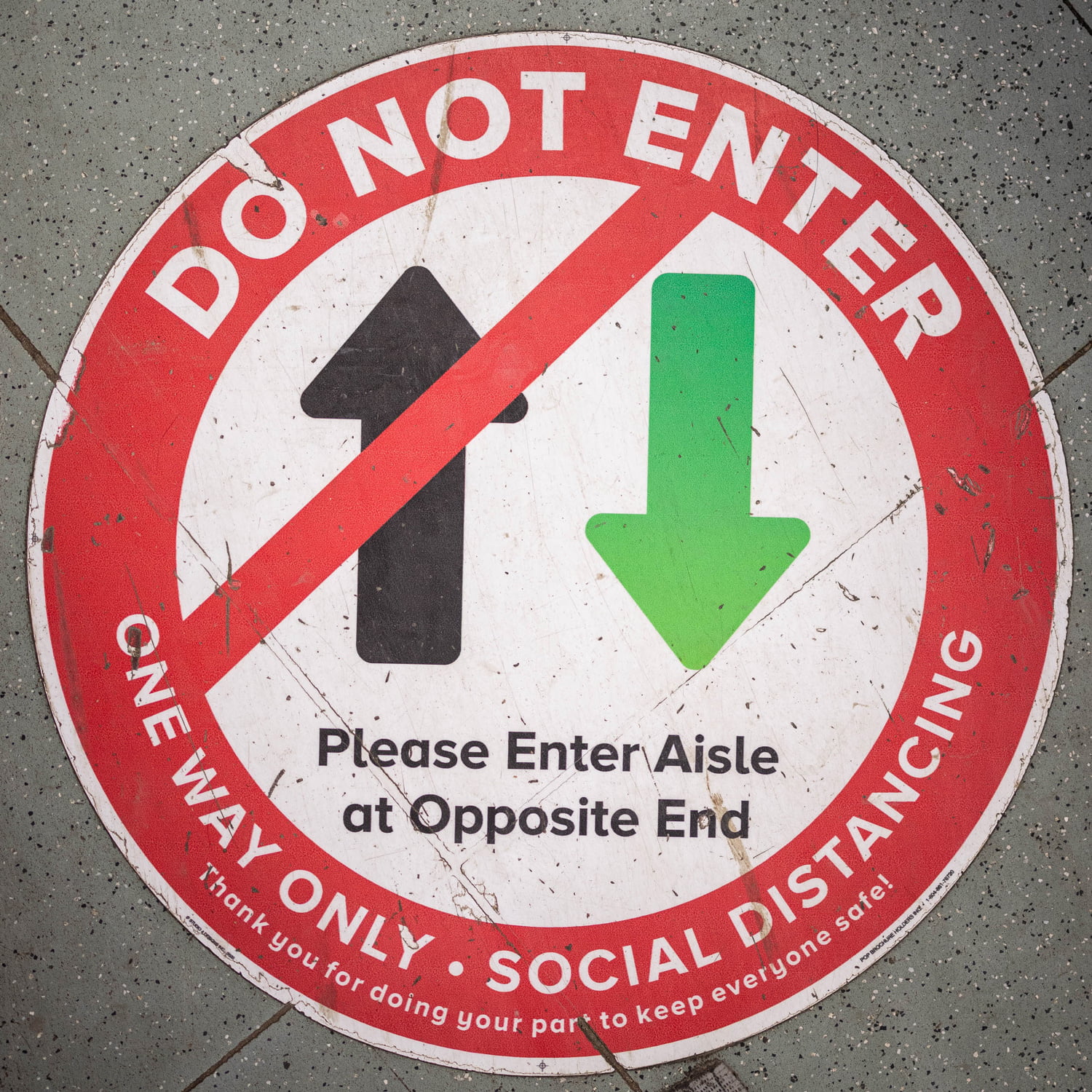
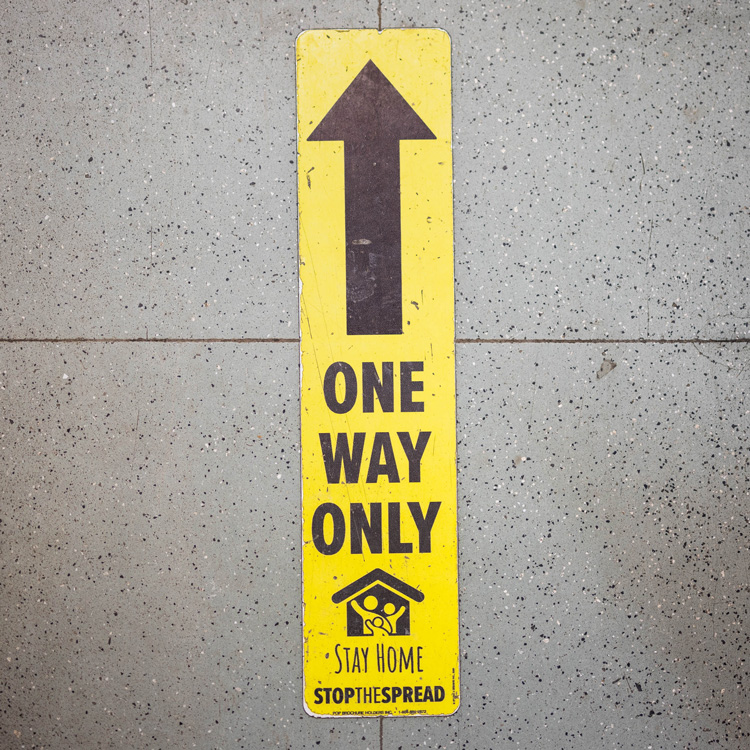
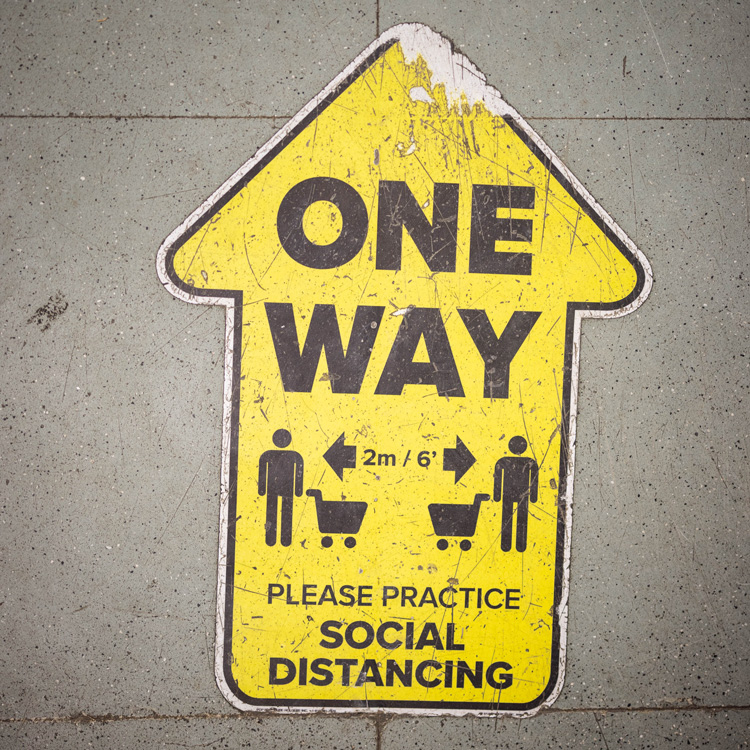

People may also be forgetting how deadly
the first couple of years of the pandemic were
major spikes in cases
Plastic barriers enforced distancing
masks required signs
the phrase “unprecedented times”
People complained of difficulty
psychological distress, brain fog
a rift between pre-pandemic and pandemic time

Our routines shifted
suddenly everyone’s baking bread
I fell into the sourdough trap
I learned who my friends are
I got to be the best mom
I started going to therapy
Workers were told they were essential
and touted as heroes
they’re out risking their lives
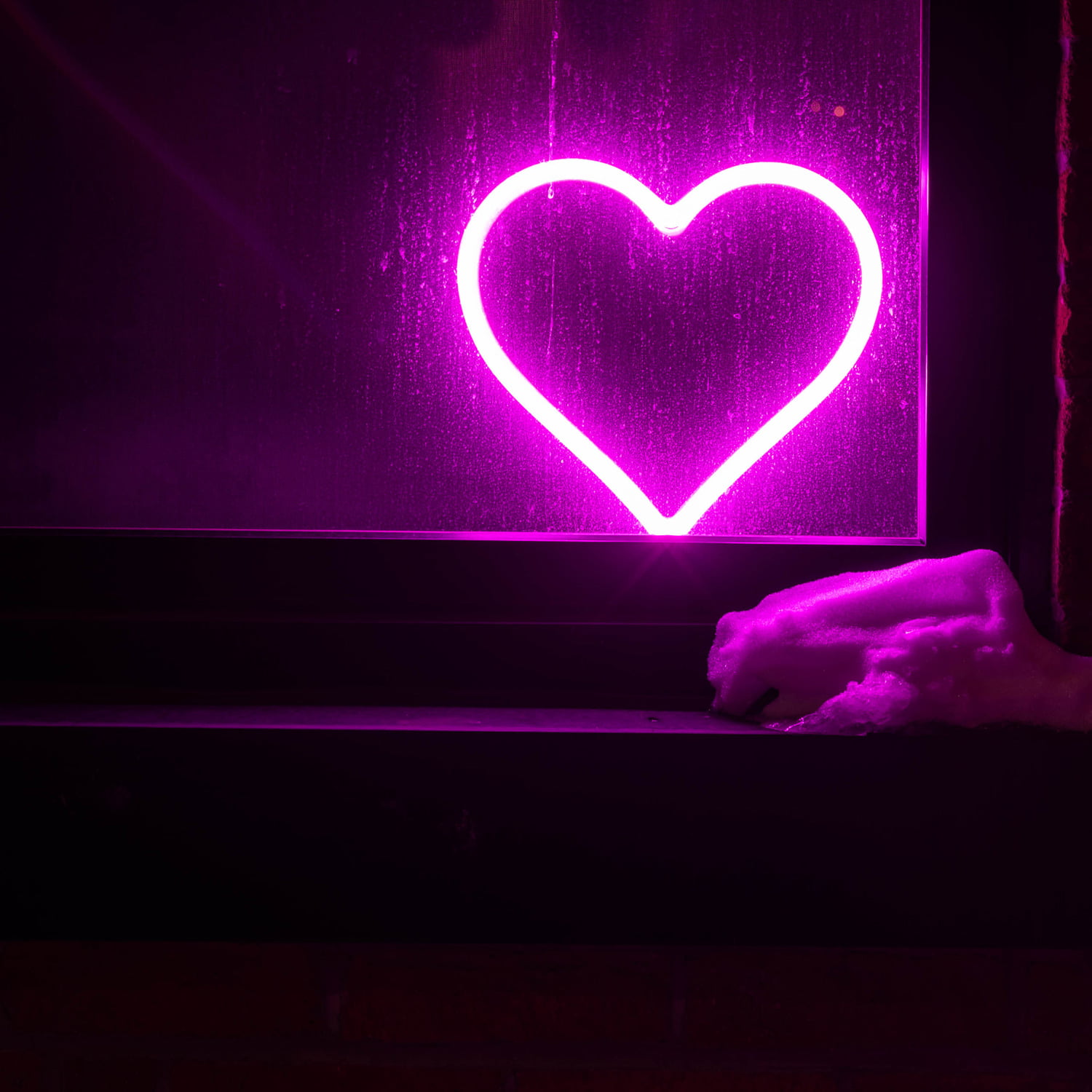
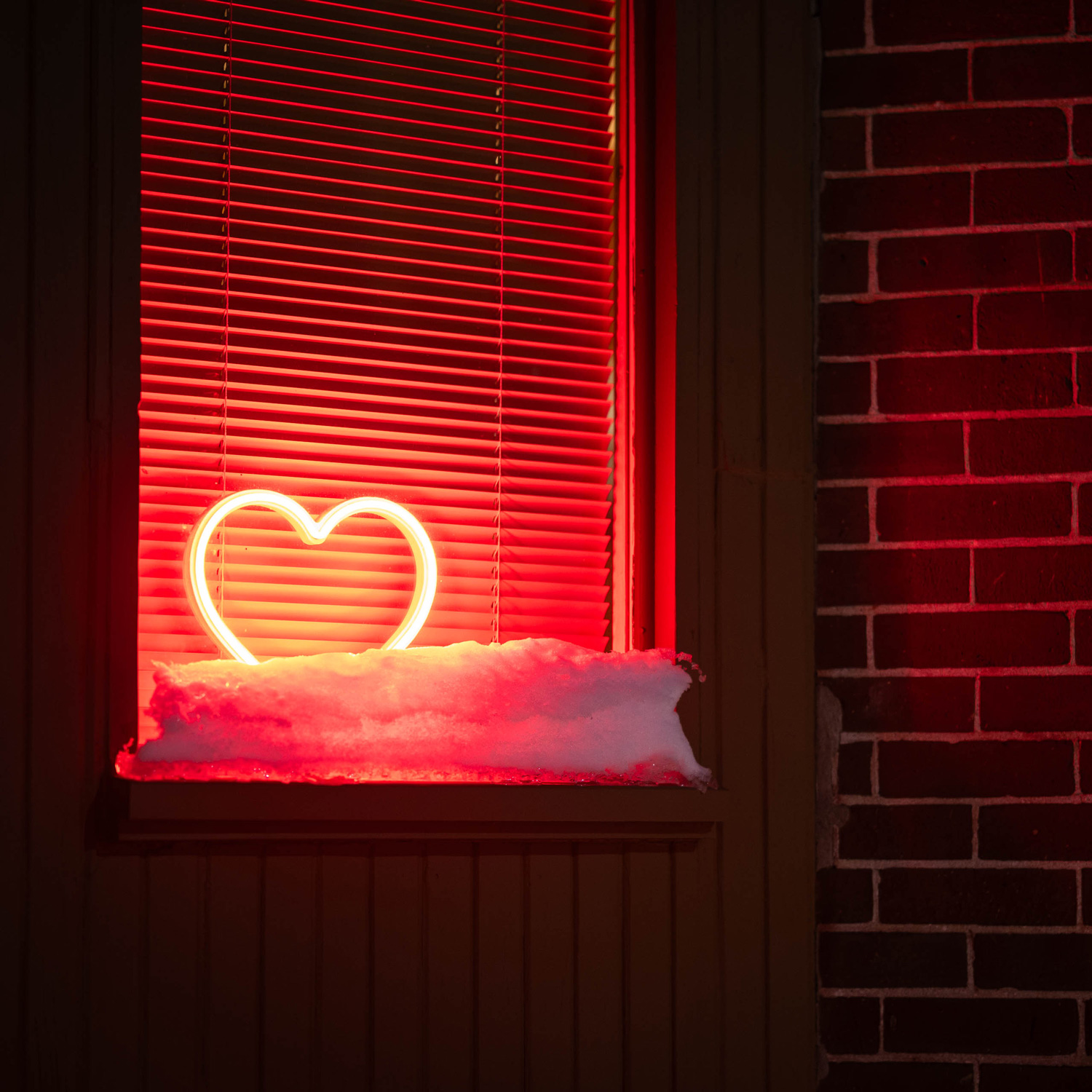
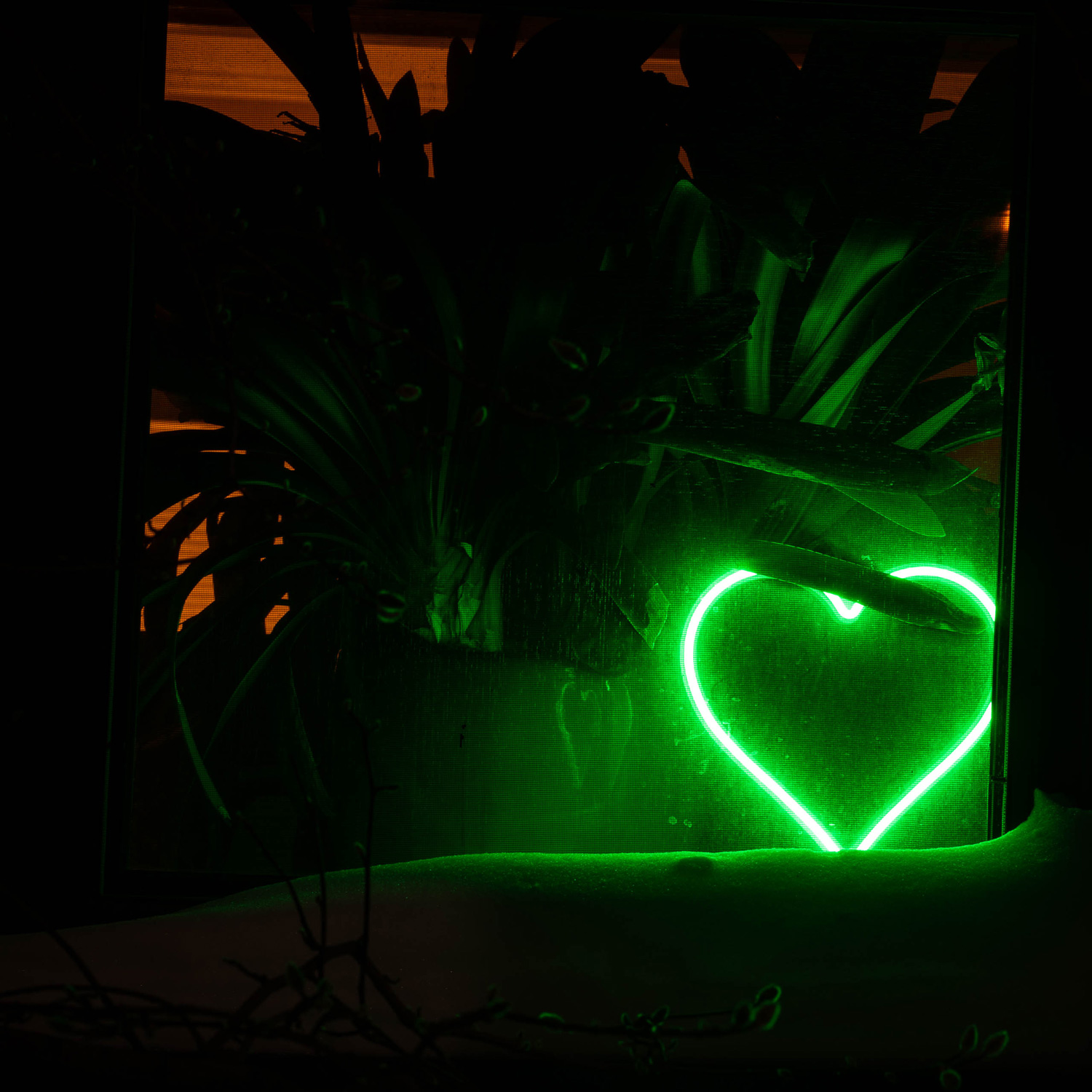
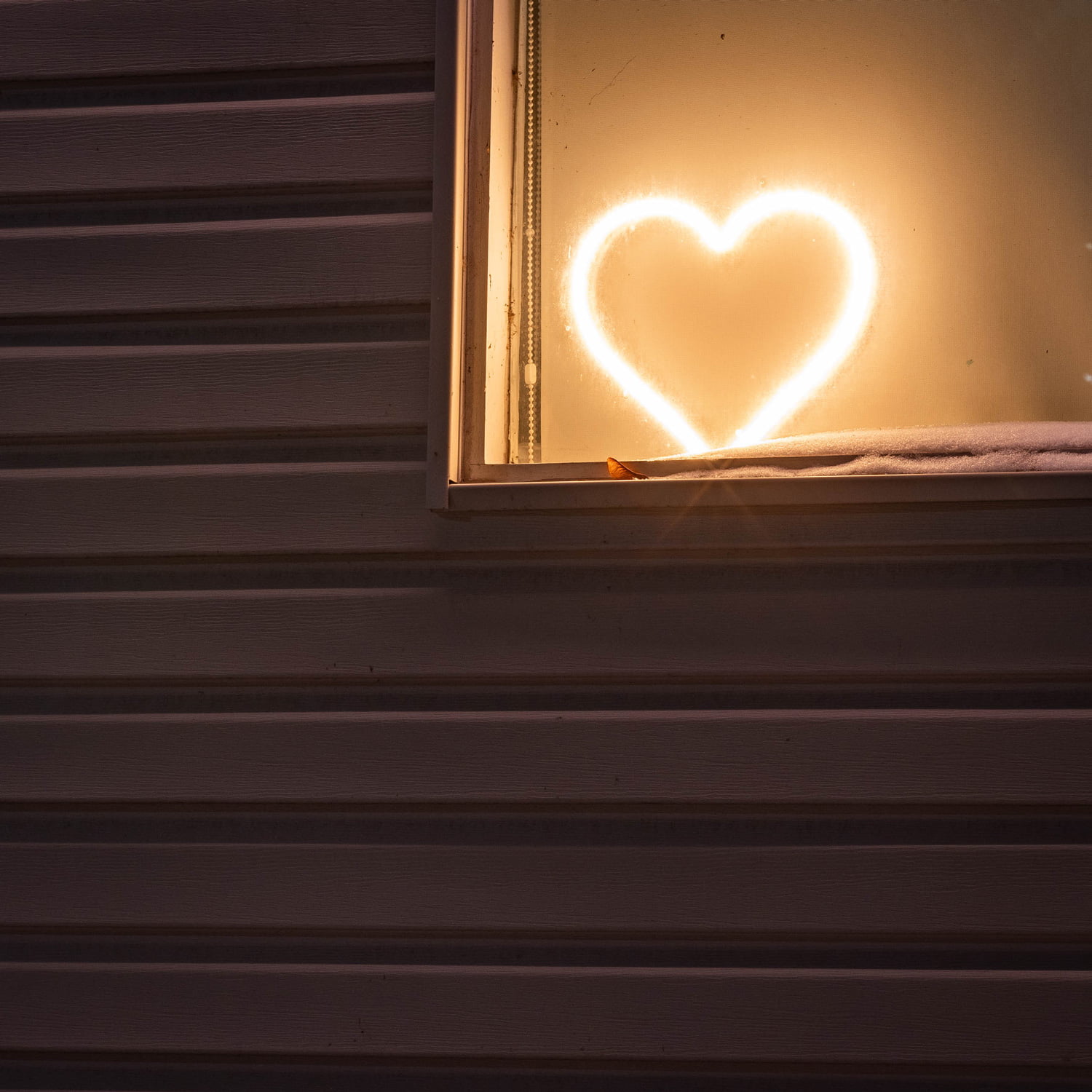
This neon heart on their window?
in their yards banging pots and pans
represents support for front line
Wildlife started walking through towns
missed out on basically 3 years of dating
people are still not over the “Imagine” video
It’s important to not forget about
the millions of long COVID patients
I may never be the same person I was before
Lost trust in government
forced retirement
I haven’t been able to smell a fart since I had covid

The way many people behave in public truly became unhinged
it’s not as if anyone is okay now
the deep polarization may also linger

Some changes are likely here to stay
home delivery, telemedicine and online education
and to realize that things can get worse
This period should be documented
the longer-term consequences
the exhaustion we all experienced
A very common response to that is to try to avoid anything
that reminds us of what happened
the brain creates these event boundaries
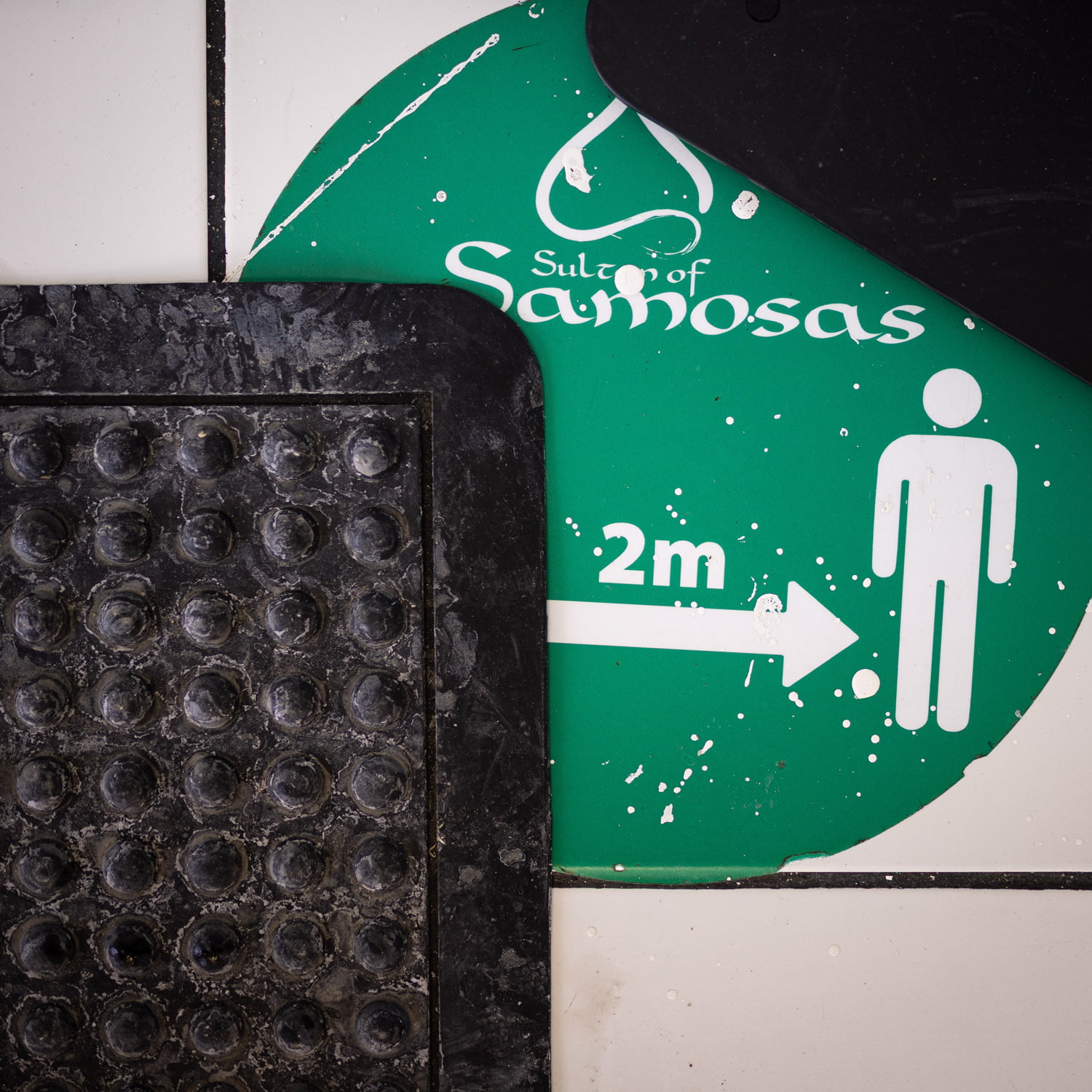
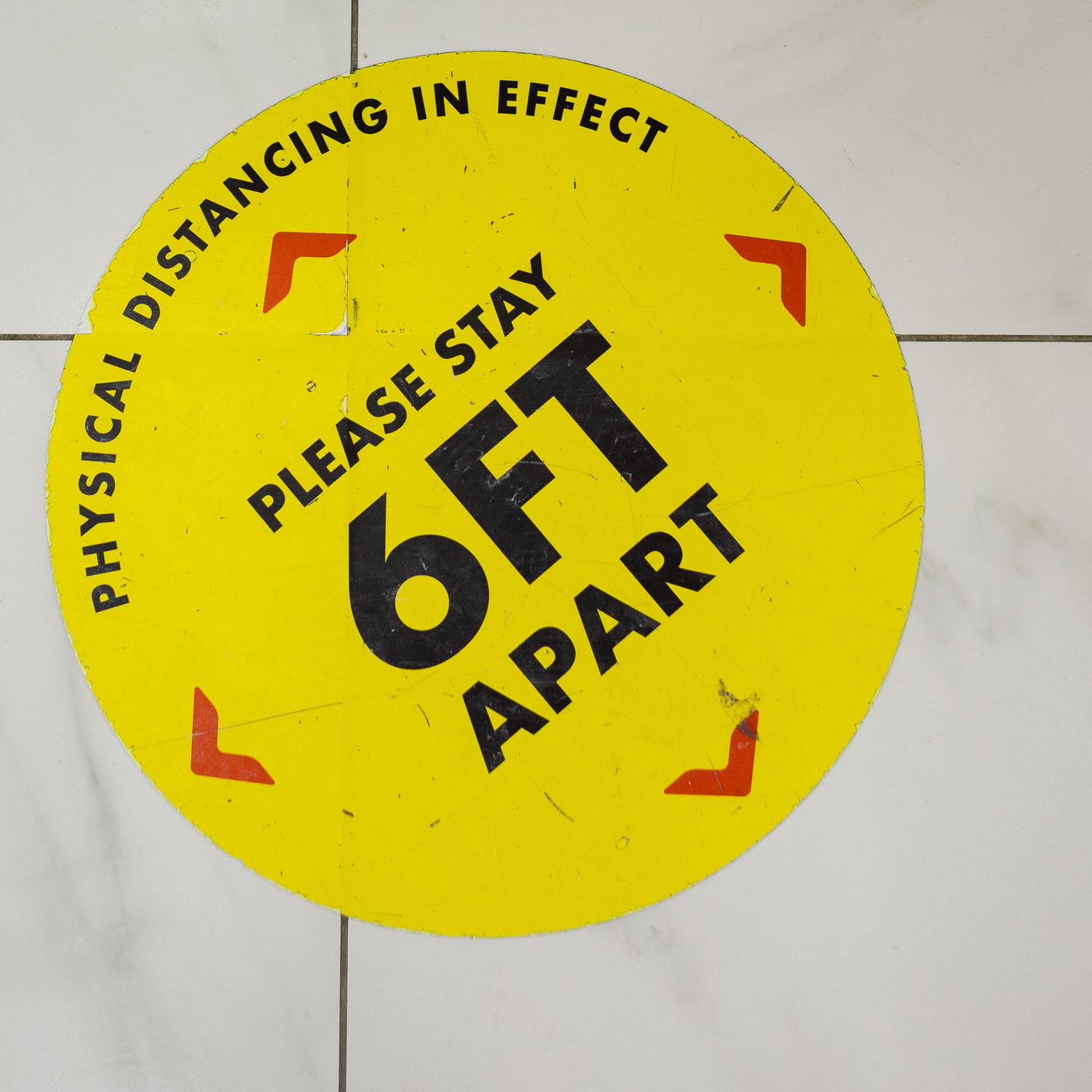
“Stand six feet apart” signs are
outdated, ignored, and everywhere
these are artifacts
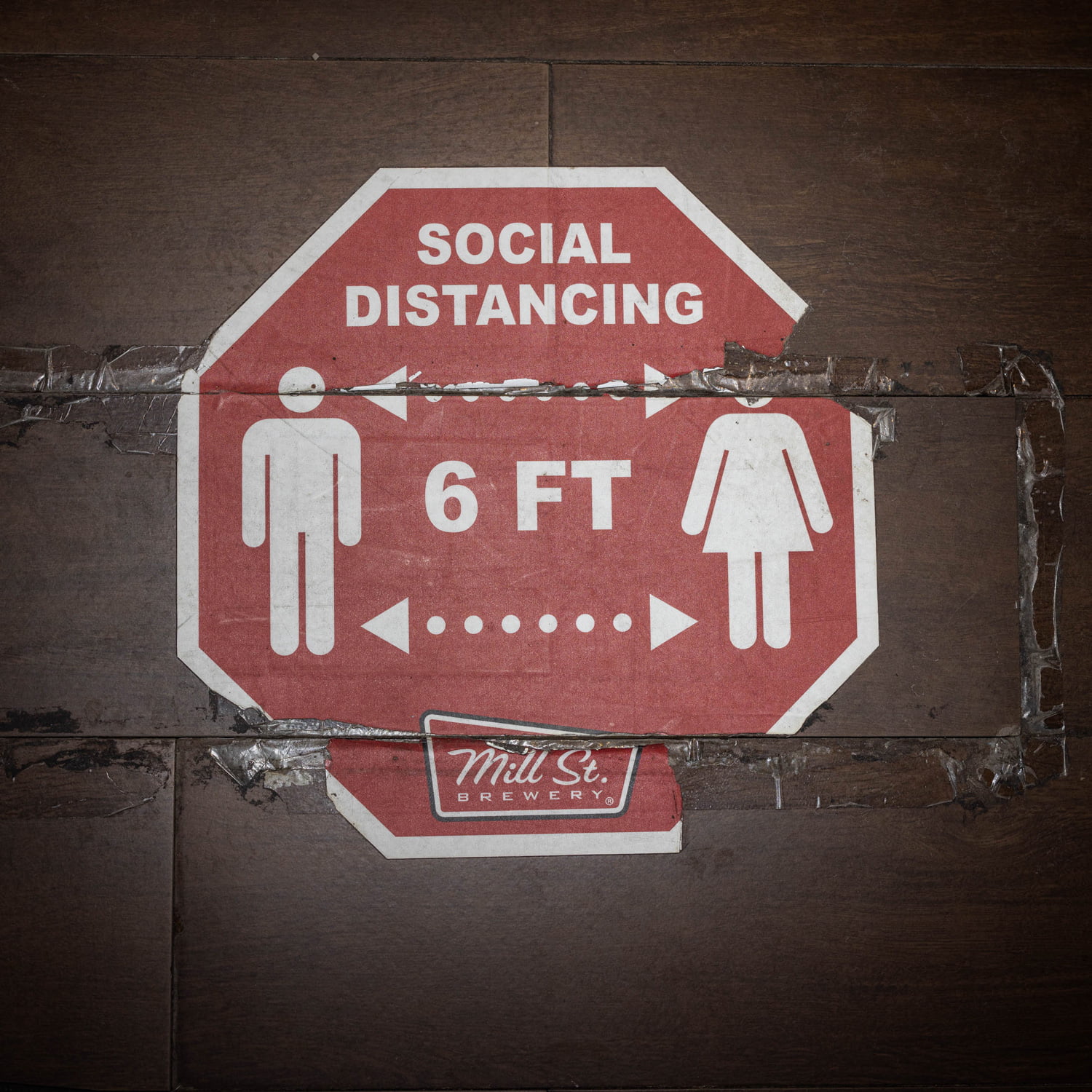
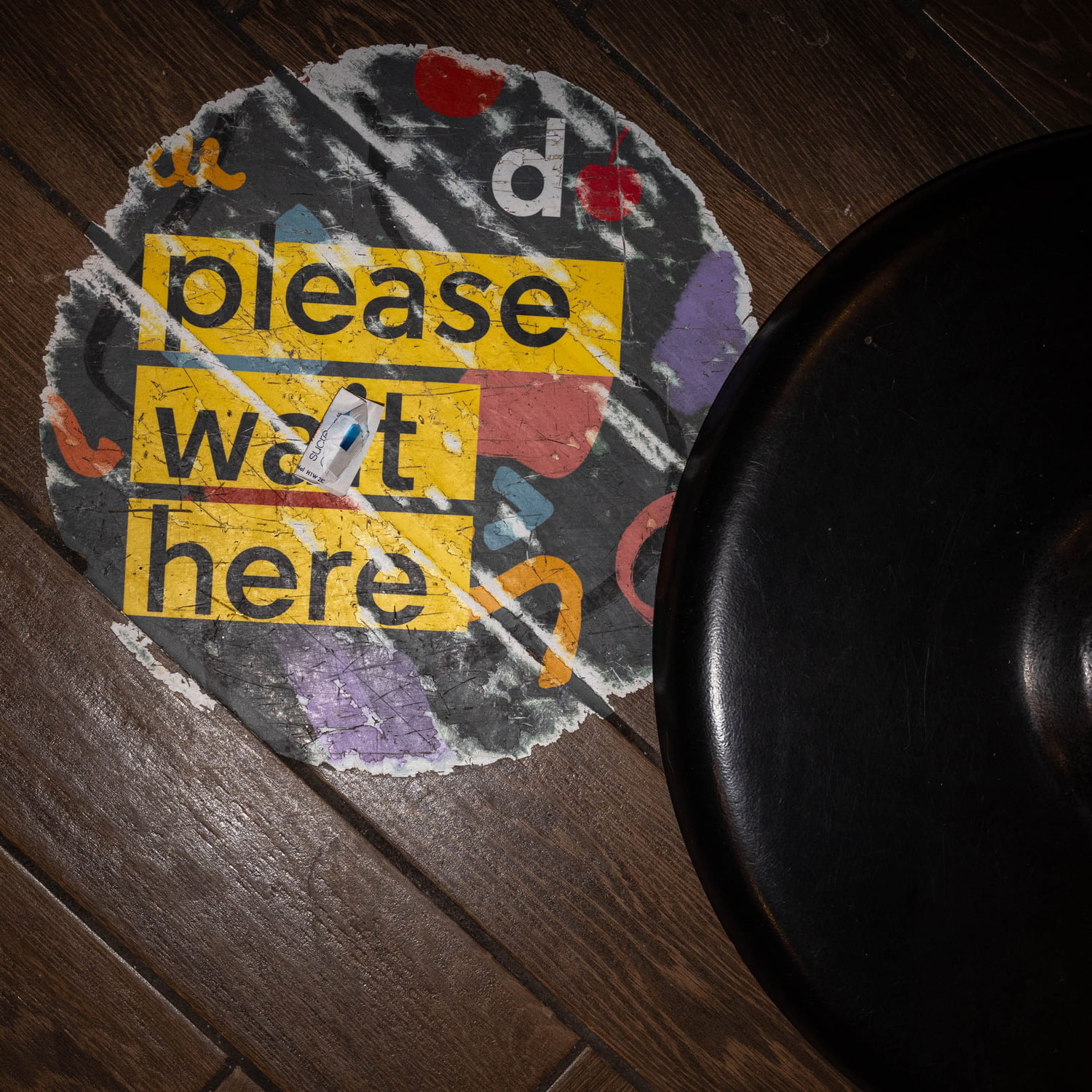
How accurate are our memories?
recollections are not an indelible record
it’s not just the passage of time that makes us forget
My loved one passed
the coronavirus has not disappeared
never take tomorrow for granted
New normal includes both good things and bad things
there are some people who may never be able to forget
I actually miss the pandemic a little

Credits
Photojournalism by Melissa Tait Found poetry by Claire Cameron Digital storytelling by Laura Blenkinsop Art Direction by Bryan Gee Editing by Mark Medley
With thanks to all who shared the pandemic relics they spotted
Video
Author Claire Cameron reads a portion of her found phrases poetry.
Video by Melissa Tait