‘We’ve moved 16 times; we’ve lived the life of a military family. So we promised the children that by coming here, we’d finally have a stable life. But the government hasn’t kept the promise it made to us.’
— Florence Bollet Michel
(standing back, left)
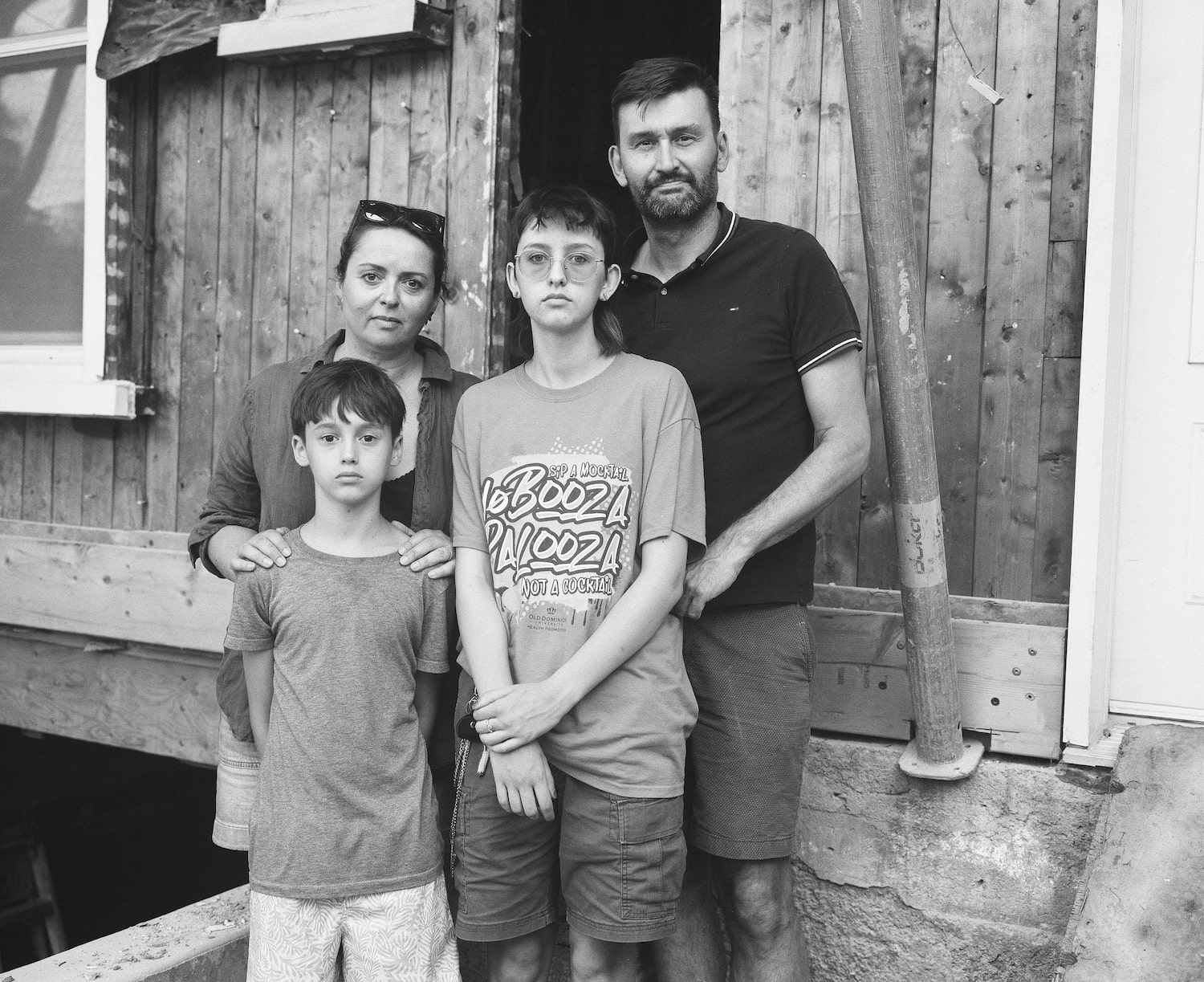
Florence Bollet Michel, her partner Xavier, and their children Agathe and Timothé in front of their duplex, which is currently undergoing renovation. After moving around frequently owing to Xavier’s career as a naval officer, the family decided to drop anchor in Quebec. This choice came naturally, since their two other children (not pictured) had already settled there.
The family was eligible for permanent residence thanks to Florence’s job as a social worker assisting seniors in Montreal. However, changes in the law have affected the family significantly: When Xavier’s father passed away recently, Xavier was unable to travel to France, blocked by his implicit status, to say a final goodbye.
Adil Boukind is a documentary and portrait photographer based in Montreal.
For generations, Canada has cultivated a reputation as a country where those willing to contribute, work hard and play by the rules could build a stable future.
Immigration has long been central to the country’s identity and prosperity. Recognized in the Canadian Charter of Rights and Freedoms and reinforced through the Canadian Multiculturalism Act, multiculturalism has become a defining feature of Canada, while immigration has been widely acknowledged as essential to addressing labour shortages and an aging population. For decades, governments have encouraged skilled workers, international students and their families to choose Canada and build their lives here.
‘We really want to stay here; we’re settling in well. In fact, we sold everything in China – we sold two homes. We quit our jobs and sold all our possessions to move here.’
— Shuan Li (right)
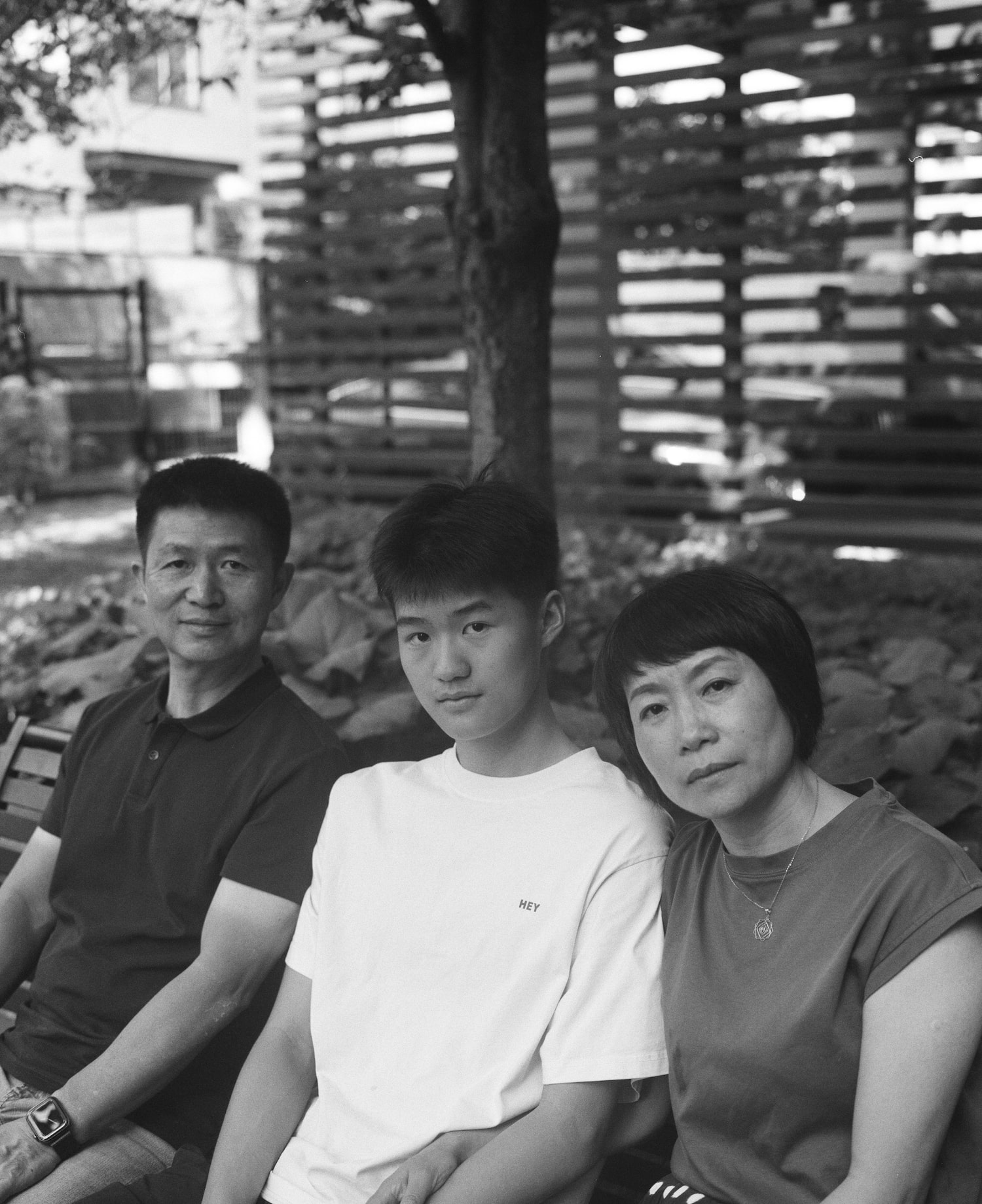
Shuan Li, her partner Will, and their son Dingning in their apartment in Montreal. After her first visit to Quebec as a tourist, she moved there with her family five years ago.
She was eligible to apply for permanent residence through the PEQ at the end of 2024, but the program’s sudden suspension and subsequent closure left her just a few months short of eligibility. Although the program’s reopening now allows Shuan to apply, she remains anxious due to complications with her partner’s immigration case.
It has been nearly two decades – roughly half my life – since I immigrated to Quebec and decided to make Canada my new home. I originally came here to study political science, and I ended up staying. After graduating, I began a career as a photojournalist. Today, I regularly work with press outlets in Quebec, but also across Canada and internationally. I’m not sure I would have been able to build this career so easily anywhere else. And yes, although I was supporting the French national team during the FIFA World Cup, I think I can safely say that I have integrated well into Quebec.
Administratively speaking, however, the journey was no walk in the park. Immigrating to Canada may be easier than in other countries, but the process remains complex, even for someone who, on paper, checks all the boxes for the ideal candidate in Quebec: bilingual in French and English and a local university graduate. I have to be honest: I took my time. Between two study permits and two post-graduation work permits, I spent eight years living in Canada before applying for permanent residence.
Under the Quebec Experience Program (PEQ), which leads to a Quebec Selection Certificate, I was almost “overqualified,” so to speak. Why did I wait so long? Quite simply because I felt no sense of urgency, since I was living in a predictable society. At no point did I doubt that I could become a Canadian if I wanted to.
Yet the rules of the game have changed – and keep on changing.
‘We’re fed up, and at the same time, we can’t help but think it’s a shame because we feel – and it’s not at all pretentious to say this – that we were contributing something; we were well integrated.’
— Anne Ponsoye (left)

Anne Ponsoye and her daughter Pénélope in Montreal, on Anne’s last day in Canada owing to the expiration of her visa. After selling everything they owned in France and investing $95,000 in her husband’s pilot training – he, meanwhile, has already returned to France – the French woman never expected their life plan to be abruptly cut short. “When he enrolled in the program, we were told, ‘Yes, the degree qualifies for permanent residency.’” Her husband worked for Air Inuit.
Meanwhile, Anne worked with seniors as a home care co-ordinator and taught sewing classes. Her director had hoped to help her obtain a restricted work permit, but changes to the rules regarding the list of eligible occupations for open work permits made that effort pointless.
Her daughter Pénélope is completing her studies in Montreal and is reconsidering her future in Canada.
The PEQ, created in 2010 to allow graduate students and temporary workers already living in Quebec to quickly obtain permanent residence, was gradually phased out by François Legault’s CAQ government starting in October, 2024, until it was discontinued in November, 2025. The closure of this Quebec integration program was intended to fulfill an election promise to lower immigration thresholds.
Even at the time, the decision to target this program – which was aimed at the immigrants most successfully integrated into society – raised legitimate questions about its appropriateness. Today, the decision to end the PEQ is no longer widely supported. As Premier, Christine Fréchette announced its reopening through Oct. 31, 2026, in part in the hope of winning over voters in the recent provincial election. Based on Monday’s results, that gambit has failed.
But despite the program’s reopening, the eligibility criteria are restrictive: Applicants must have been eligible before its abolition in November, 2025. As a result, many families live in fear of not being able to stay, while others are simply ineligible.
Contrary to my own experience, the people I have met are facing a wall of uncertainty. Yet they chose Quebec and Canada because they couldn’t imagine living anywhere else. This is the case for Shuan Li and her husband, who sold their home in China to settle in Montreal. Or Bruna Luiza Ongaratti and her partner, who deliberately chose Quebec even though other countries were willing to welcome them.
But what stands out most is the situation of the children, who consider themselves fully Quebeckers and Canadians. For the youngest children I met – those aged 10 and under – French is their first language, and moving to their parents’ home country is simply not an option.
On top of the stress and anxiety caused by administrative hurdles comes the inability of some to work and provide for their families.
‘It’s complete nonsense: They invest in our integration, they teach us French, and then they want to send us back.’
— Bruna Luiza Ongaratti
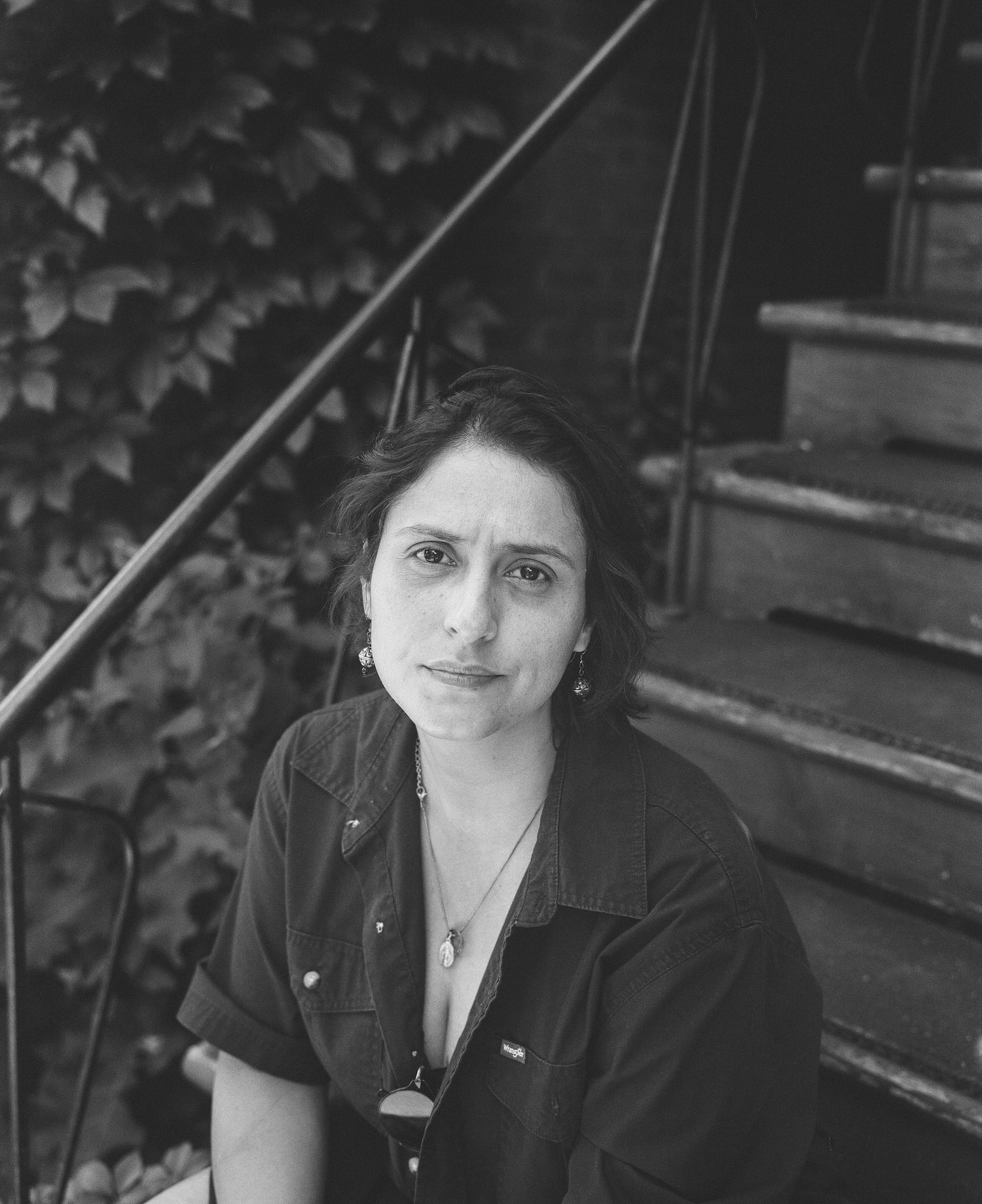
A former psychologist and clinic owner in Brazil, Bruna Luiza Ongaratti became a child care educator after moving to Quebec. She left her home country when her husband, a special effects expert in the film industry, was offered a job in Montreal.
The recent reforms hit her hard: her work permit expired, and she lost her access to the province's public health insurance (RAMQ). She denounces the absurdity of a system that funded her family’s French language training only to ultimately force them to leave.
This extremely stressful situation has affected her daughter’s behaviour, even though she is well-integrated at school and French has become her first language – to the point where the school contacted Bruna to warn her that her daughter’s behaviour had deteriorated.
Bruna is now eligible to apply for the PEQ. However, because of her current employment status, she may not be able to return to work until she obtains permanent residence – a process that could take more than a year.
By abruptly changing the rules of the game, policy-makers are playing a dangerous demographic and economic game for short-term electoral gain. By jeopardizing the lives of thousands of people who came to settle here in good faith, they are undermining the social contract and Quebec’s reputation.
For several years now, political discourse in Quebec has turned immigration into a convenient scapegoat for structural problems. Whether in the case of the housing crisis – long denounced by experts – the decline of French, or the strain on public services, it has become easier to blame newcomers than to take responsibility for years of underfunded infrastructure and questionable policy choices.
If Quebec’s population were just as large as it is today without ever having welcomed immigrants, the challenges of accessing housing, health care, and schools would be exactly the same. The crises Quebec is facing today are the result of its policies, not of the arrival of skilled and selected immigrants. Populist government decisions harm not only the families they directly affect, but also Quebec and Canada, which are depriving themselves of skilled individuals who have already integrated into society.
‘For about 10 years now, politicians have been trying to point the finger at immigrants to avoid taking responsibility for other issues.’
— Sergio da Silva
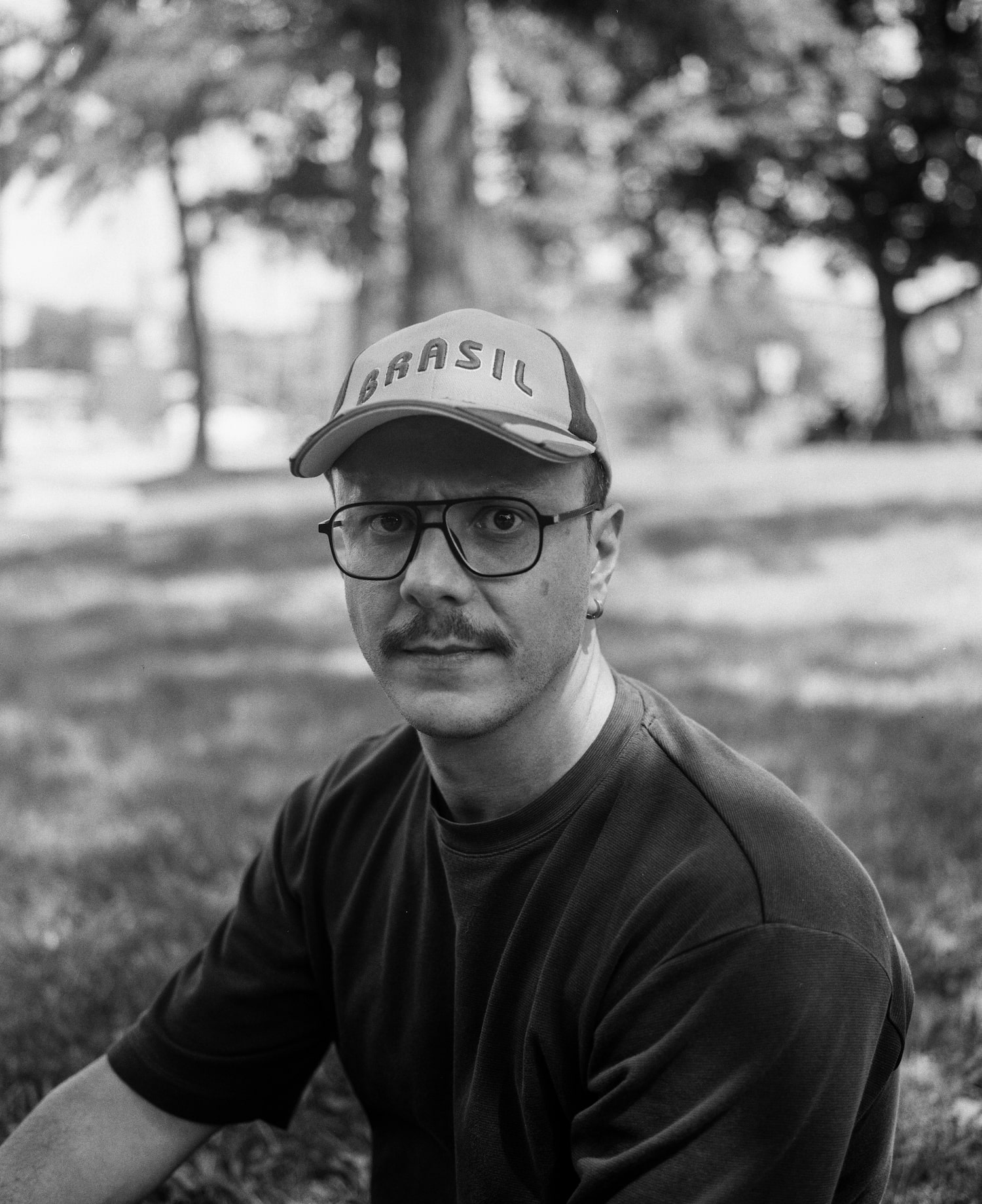
Sergio da Silva’s interest in Quebec dates back to 2011, when he was drawn in by the government’s recruitment campaigns in São Paulo. These campaigns emphasized the need to welcome workers and students to offset the aging population. He spent years preparing for his move by learning French while still in Brazil and saving nearly $30,000 to fund a master’s degree in education at the University of Montreal. “I received offers to pursue my master’s degree in France, Portugal, and other countries – even in the United States,” but he only wanted to come to Quebec.
A former activist in his home country, he never imagined he’d have to become one again in Canada, where he is now advocating for immigrants’ rights. He regrets the scapegoat role immigrants have been given in recent political discourse.
Sergio recently managed to obtain his Quebec Selection Certificate and now has applied for permanent residency. In his view, this reopening of the PEQ does not match what policy-makers announced: “I think it’s important to emphasize that this is less than a partial reopening.” Although people can apply until the end of October, their futures remain uncertain.
The election of Pierre Saint-Paul Plamondon earlier this week is seen as a “disaster,” as both the Parti Québécois and the Parti conservateur du Québec have been against immigration.
While Quebec’s premier-elect, Pierre Saint-Paul Plamondon, previously expressed openness to retroactive measures for those affected by changes to government promises, his current position appears to be leaning against keeping the program alive.
One of the main political promises of his election campaign was to reduce the immigration target from 45,000 to 35,000 new permanent residents per year. It is difficult to see how such a reduction would benefit the province, particularly in Quebec’s remote regions, where qualified workers are already in short supply.
Whether this is ultimately a good or bad decision, I believe the damage has already been done. Trust between immigrants and the government has been deeply shaken, and for many, the promise of Canada as a land of opportunity has been lost.