Steve Wadden is a photojournalist and avid fly fisher living and working in Unama’ki, Cape Breton.
He was the best fishing buddy I never had.
A father, a strong voice for the Mi’kmaq, a martyr twice in one lifetime, and a hell of a fisherman – Donald Marshall Jr. was a hero in my eyes.
Junior, as he was known, was convicted in 1996 under the federal Fisheries Act for harvesting and selling adult eels from Welnek, Pomquet Harbour, N.S. The incident, which put First Nations treaty rights centre stage, ultimately ended with Junior’s successful Supreme Court of Canada appeal and a decision 25 years ago, on Sept. 17, 1999, that upheld Indigenous rights to earn a livelihood from the harvest and sale of fish, wildlife, wild fruit and berries as set forth in the Peace and Friendship Treaties of 1760 and 1761.
Whenever I’d run into Junior, we’d always talk about fishing. Finally, one day, I worked up the courage to ask if he’d take me out on the water and let me bring my camera along. He was all for it, and the next few times we bumped into each other it was “we gotta get out soon” or “maybe this weekend.”

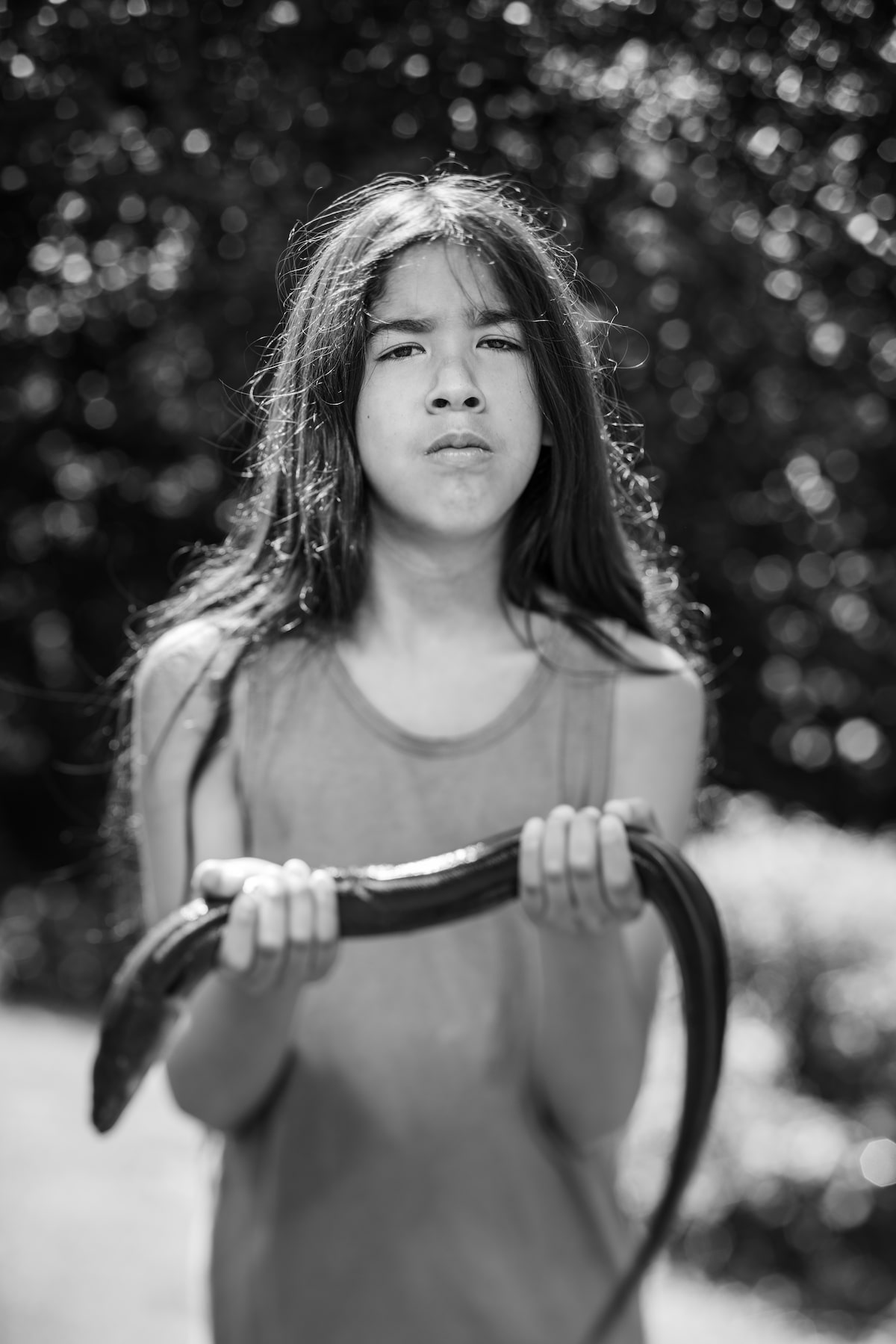
Eels, like the one that Joef Bernard speared in Potlotek, are revered source of food and medicine in Mi’kmaq culture.
When you’re young, like I was back then, you figure you’ve got all the time in the world. But life has a way of screwing up best laid fishing plans, and our day never came. Junior passed away a few years after I met him, in 2009, at the age of 55. I still think about him often. Not about how wronged he was throughout his life – he was also at the centre of one of the most infamous wrongful convictions in Canadian history, spending 11 years behind bars for a murder he did not commit – but how special he was. His memory serves as a sure reminder to never take anything for granted, and to always honour my instincts.
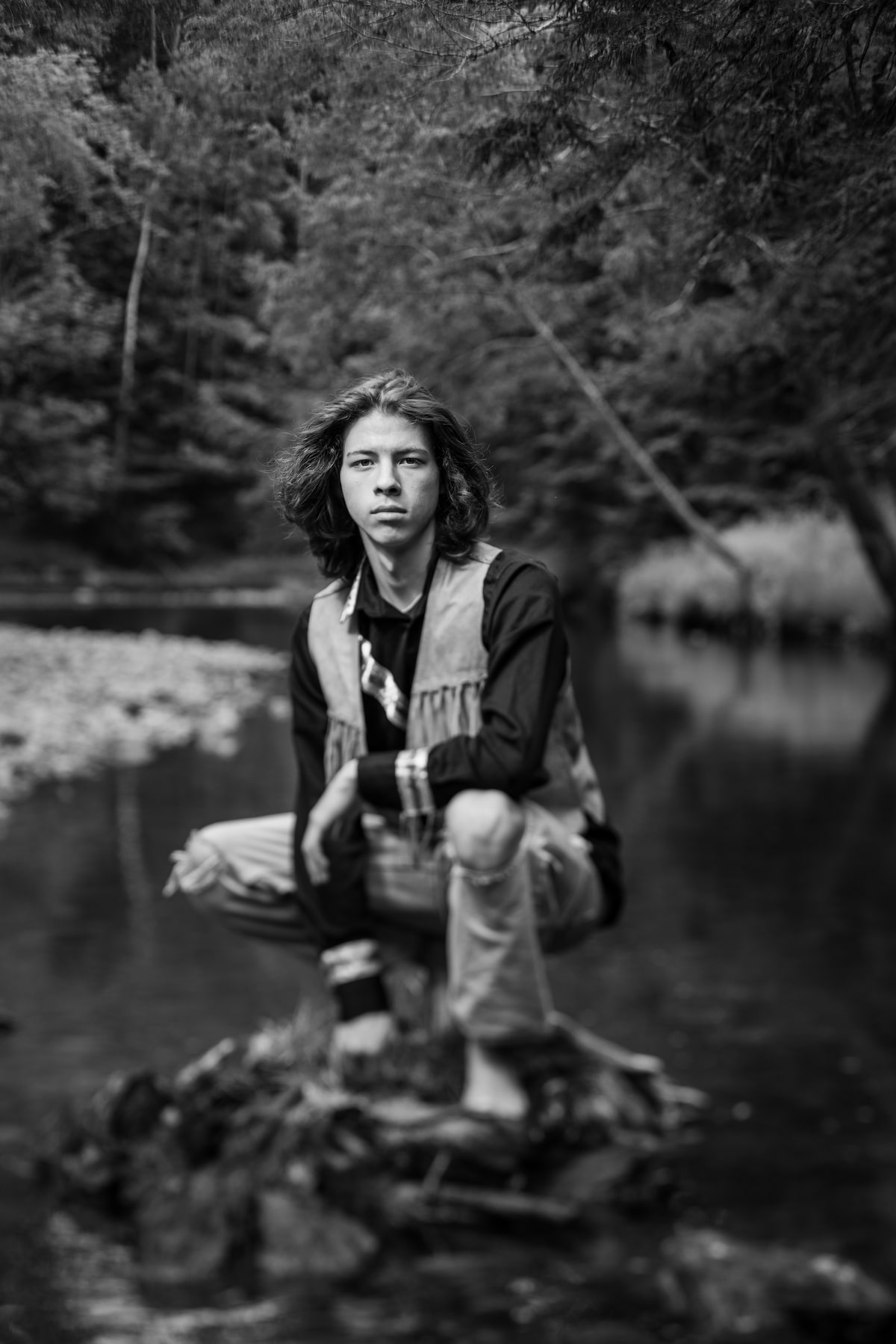
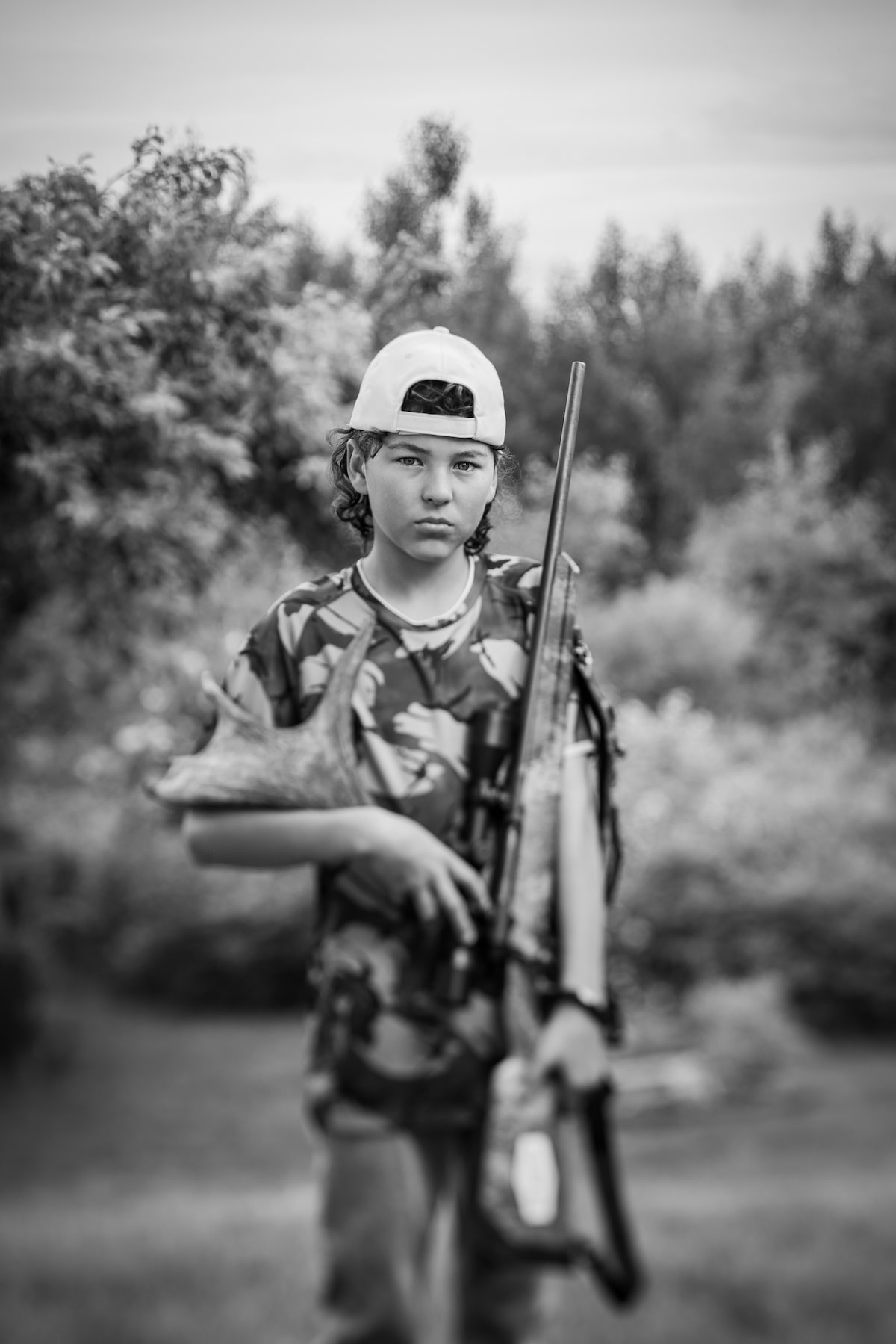
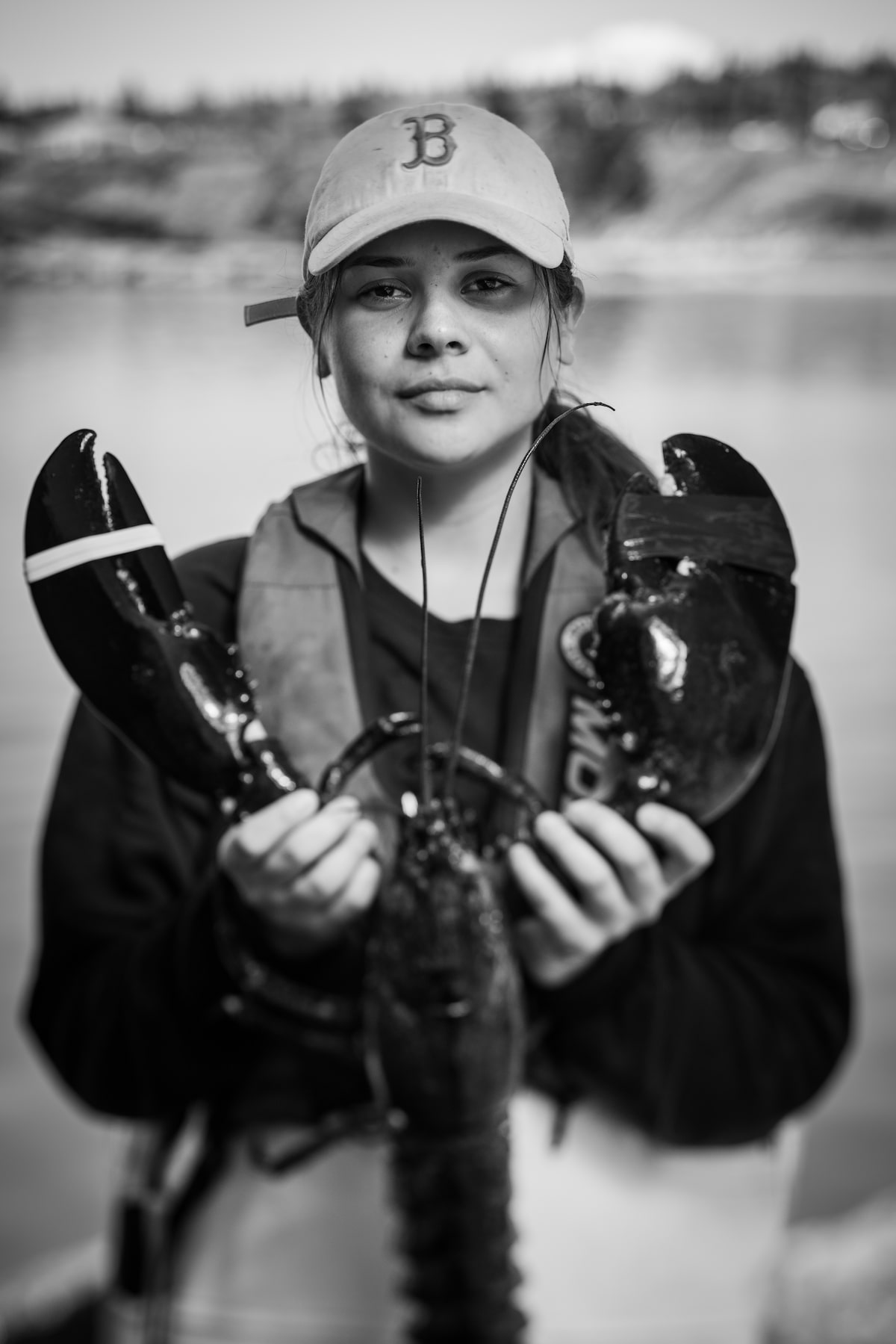
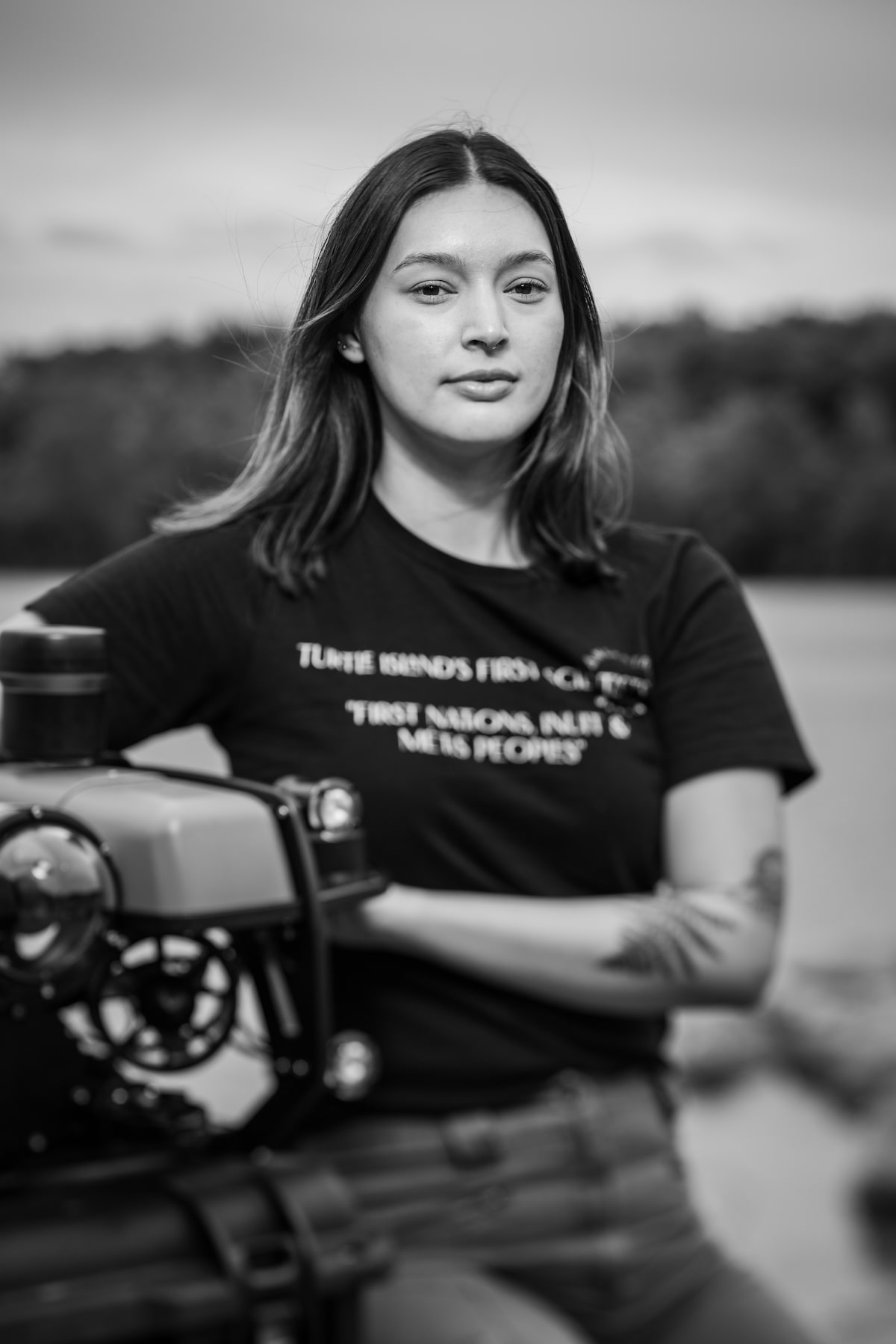
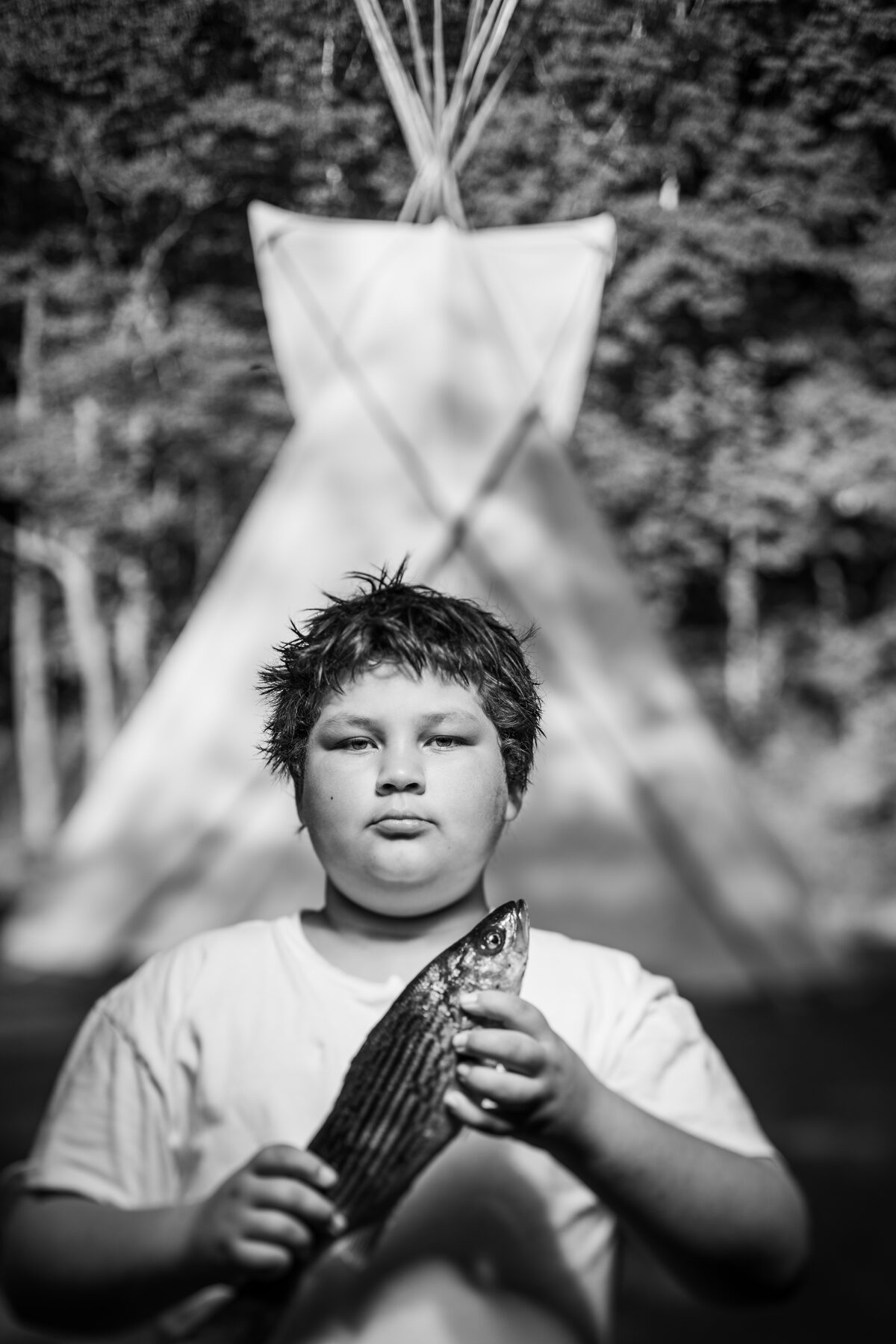
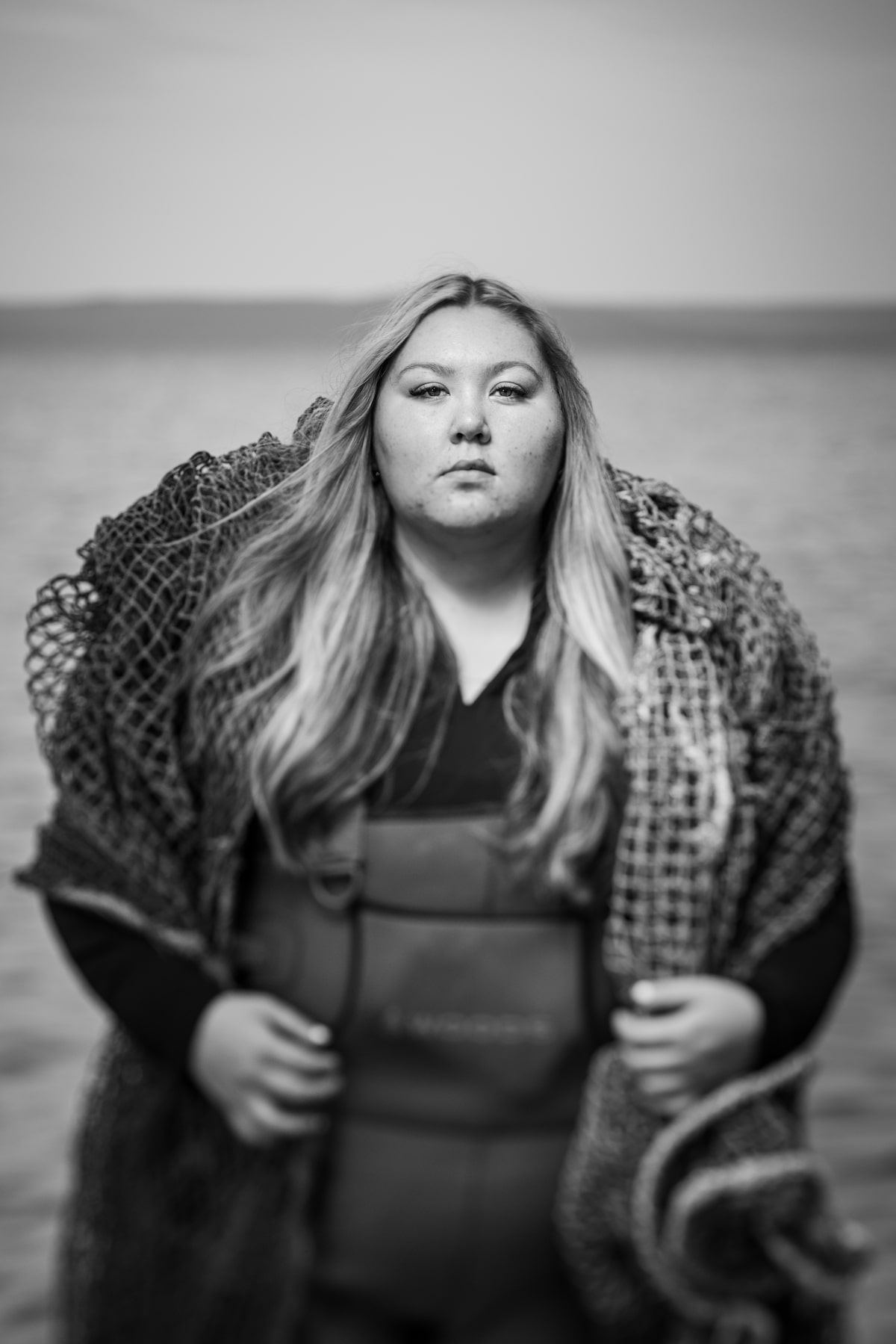
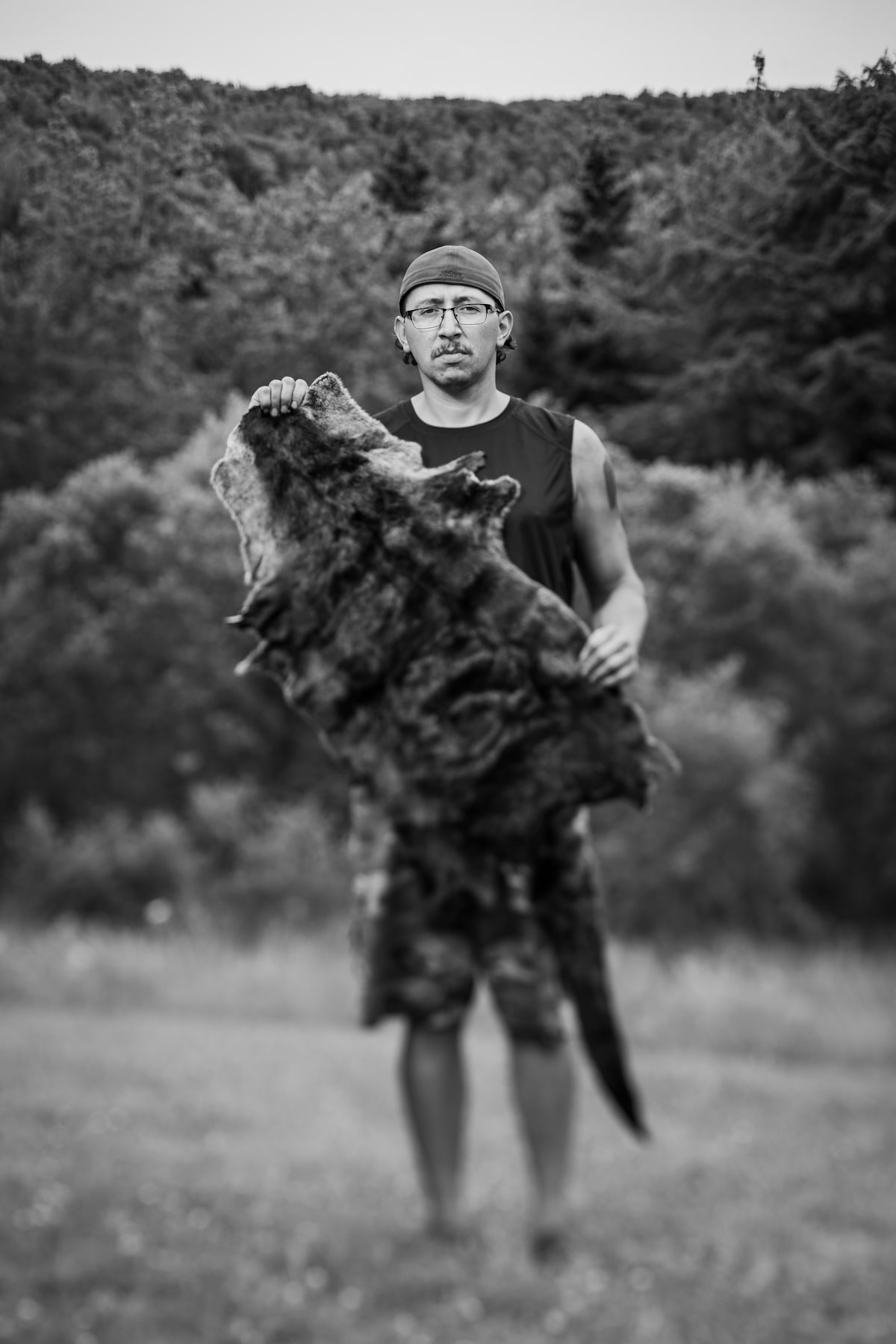
When a friend of mine told me that 2024 marked the 25th anniversary of the Marshall Decision, I decided to pay tribute to his legacy. Photographing and chatting with proud, young Mi’kmaq harvesters, conservationists and activists, it was plain to see that Junior’s pursuit of justice had not been in vain. The truth is, the weight of the Marshall Decision and of Junior’s own personal sacrifices are beyond measure.
Junior’s 16-year-old son Donald Marshall recently told me that he shares the same dreams as his father. Dreams of a world where Indigenous communities break free from dependency on government, where young people are given the resources and guidance to become torch bearers for their culture and architects of their own future, and where treaty rights are respected and not abused by greed.
In dreams we can be whatever we want to be and do whatever we want to do. Resilience is in our bones.