
Annie Lax swings her friend on a hammock during Robinson Cook’s birthday party on Calf Island on June 11, 2024. Mr. Cook lives on the small island that’s a short boat ride from Tofino with his partner, Mary Forest.
Annie Lax swings her friend on a hammock during Robinson Cook’s birthday party on Calf Island on June 11, 2024. Mr. Cook lives on the small island that’s a short boat ride from Tofino with his partner, Mary Forest.
Melissa Renwick is a photographer based in Tofino, B.C. This work was funded by The Trebek Initiative.
When I moved to Tofino from Toronto nine years ago, I soon learned that the place I’d dreamed of living had more stories to tell than what was being sold to the public.
What originally drew me in wasn’t just the landscape, where it often felt like you were standing on the edge of the Earth, but the sense that life here operated by a different logic. It was quieter, less mediated and rougher around the edges. There was a time when roaring beach fires were a nightly summer ritual, and a seasonal wage was enough to survive. But this was before the town’s success started pricing out the people who keep it running.
Since then, crosswalks have been painted, roads have been paved and old, weathered buildings have been replaced with shiny, new storefronts. Tofino has been commodified; it’s now a brand that is sold and bought, and the town’s character is changing fast to keep up. This shift didn’t start with me. It’s part of a transformation that’s been unfolding for decades, one I only caught glimpse of when I arrived.
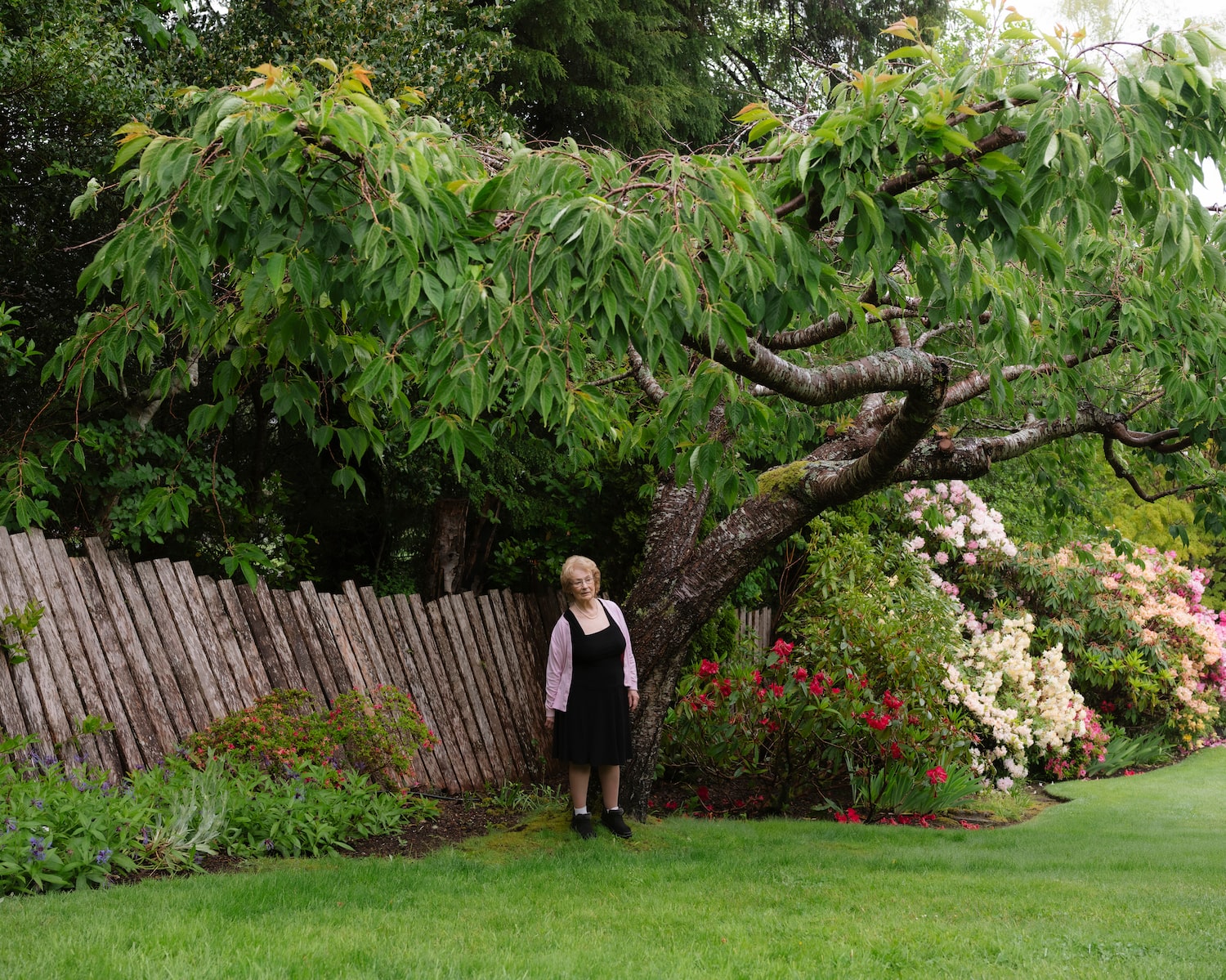
In 2024, Tofino’s tourism sector generated around $657-million in total economic output and $102-million in tax revenue for B.C. and Canada. Before 1959, Tofino was relatively unknown to most Canadians. A logging road was carved through the mountains that year, connecting it to the rest of Vancouver Island for the first time. An influx of surfers, hippies and draft dodgers followed. They built their lives in the surrounding forests and beaches, until they were evicted to make way for the Pacific Rim National Park Reserve in 1970.
Long before they arrived, Tla-o-qui-aht First Nation was steward of these lands. More recently in 1984, the nation declared Meares Island a tribal park to stop MacMillan Bloedel from logging. It was a radical act of land defence that predated much of the broader old-growth conversation in B.C. and placed Tofino on the international map. Indigenous land defenders and counter-culture misfits were, in their own ways, pushing back against the same capitalist forces.
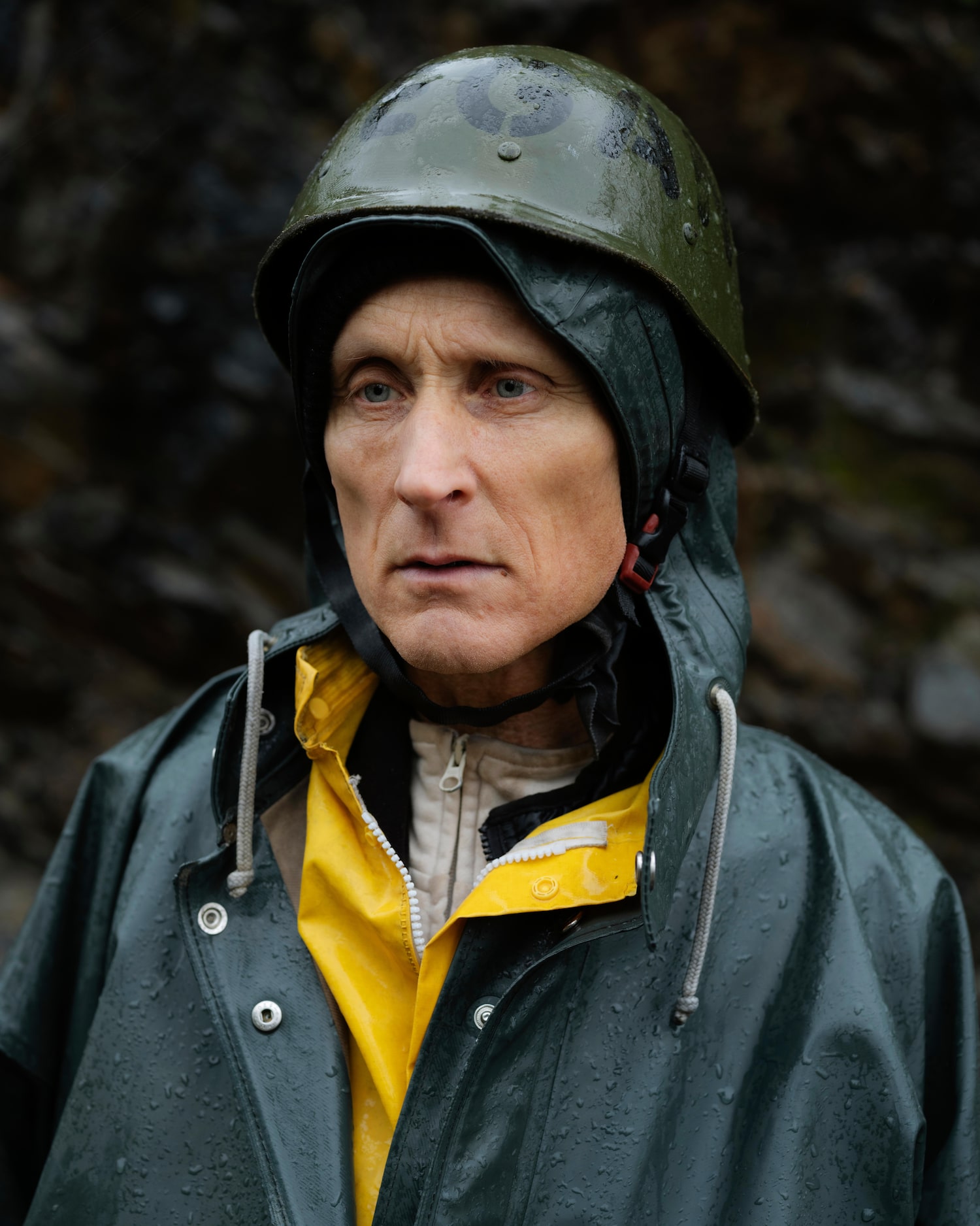
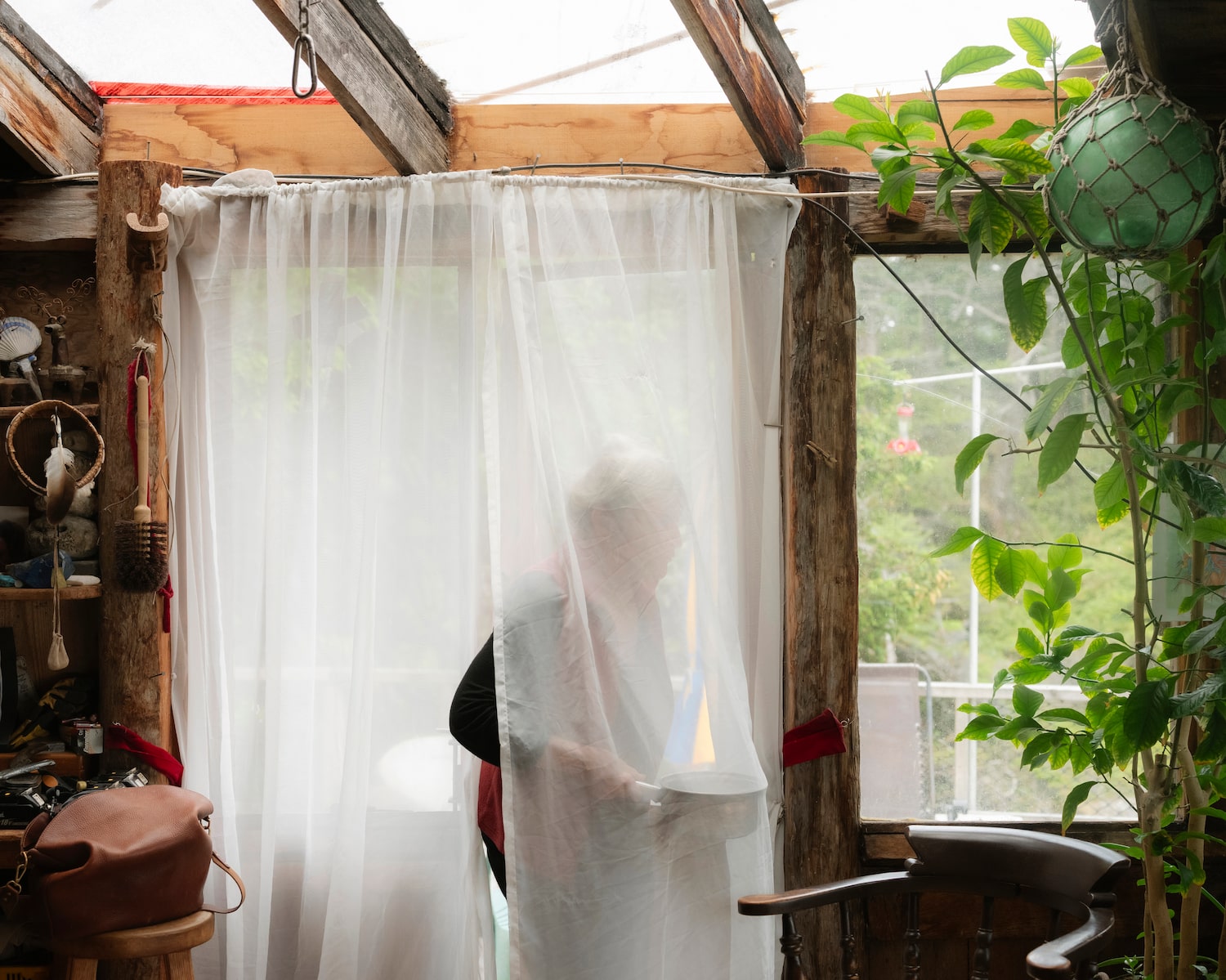
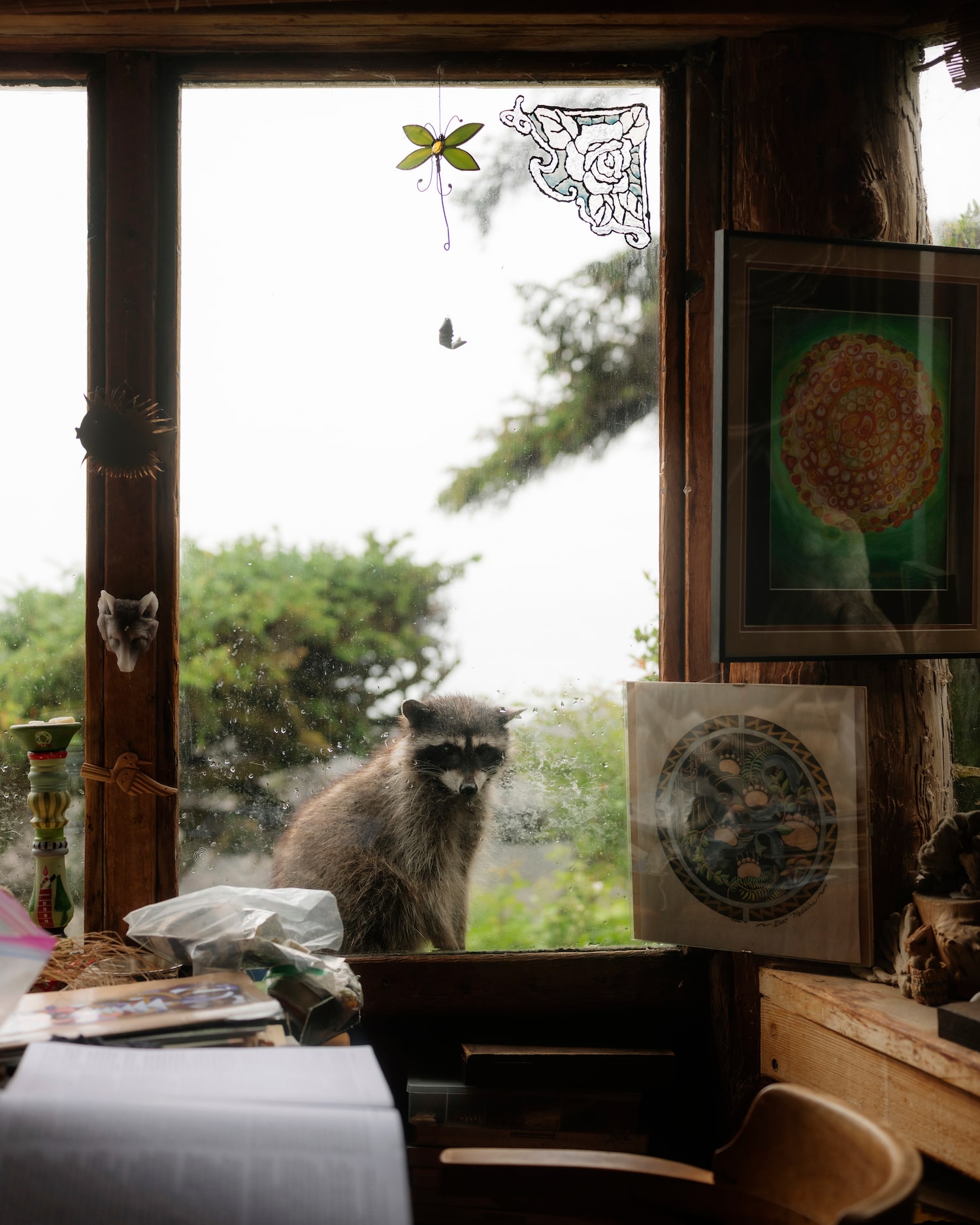
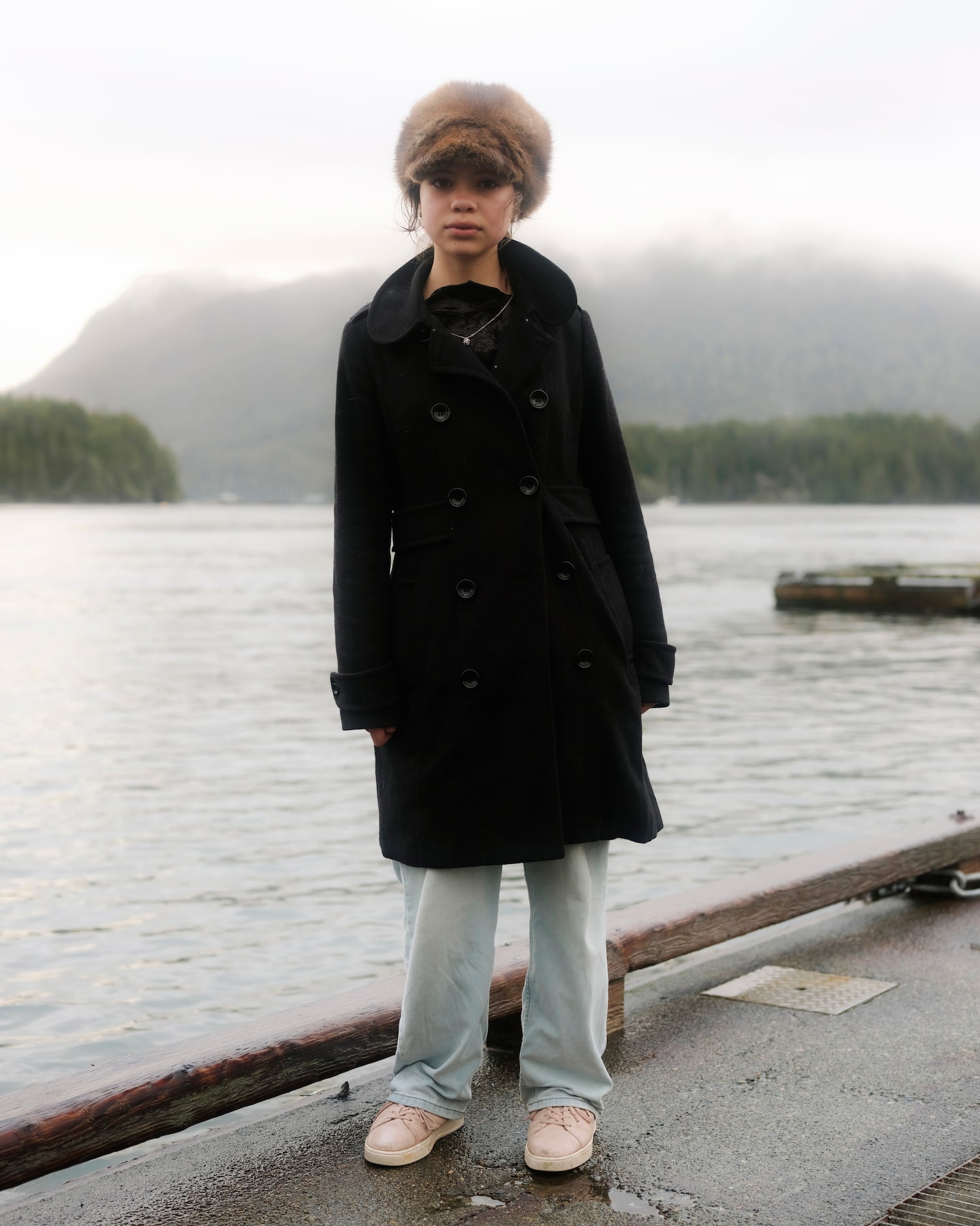
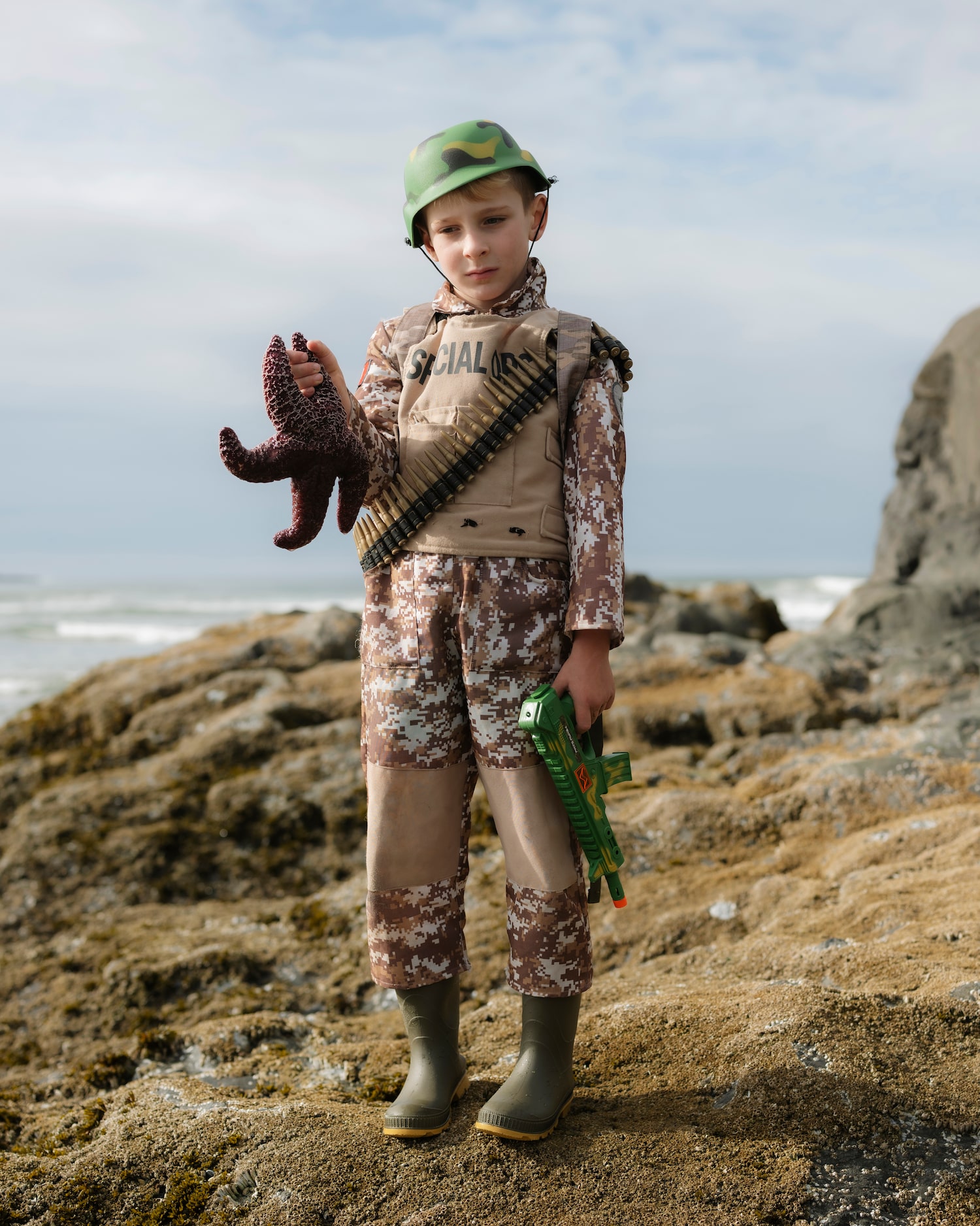
Today, a blue 1966 Volkswagen van with a surfboard strapped to the roof serves as Tourism Tofino’s town mascot. It’s a counter-culture image the town has never quite shaken, a paradoxical emblem of a lifestyle that’s been co-opted for mass consumption.
Home to around 2,500 people, Tofino balloons in population in the summer and receives more than 700,000 visitors every year. Many are lured by postcard images of cotton candy sunsets and perfect, peeling longboard waves.
But it’s in the darkness of winter that the real soul of the place reveals itself. It’s in those long stretches of waiting, after the bulk of the tourists have fled for calmer waters, that the real Tofino is exposed.
The first winter I spent here was in 2018. I remember being stirred awake around 2 a.m. by my neighbour, Johnny Dawson, pounding on my door like a mad man. When I answered, he told me to pack a bag and get in his truck. “Now,” he said, in a calm but urgent voice. All I could think to grab were my cameras and laptop. Tsunami sirens wailed in the background as we skidded out onto the highway, ignoring stop signs, racing for high ground. Mr. Dawson had been living in Tofino for over 20 years and was convinced this was going to be the big one.
No significant waves materialized, but the warning served as a reminder of how exposed we are living on the coast and how much we depend on each other because of it.
The wildness breeds a community of people that, despite their differences, are stubbornly loyal to one another. Looking out for each other is just what you do.
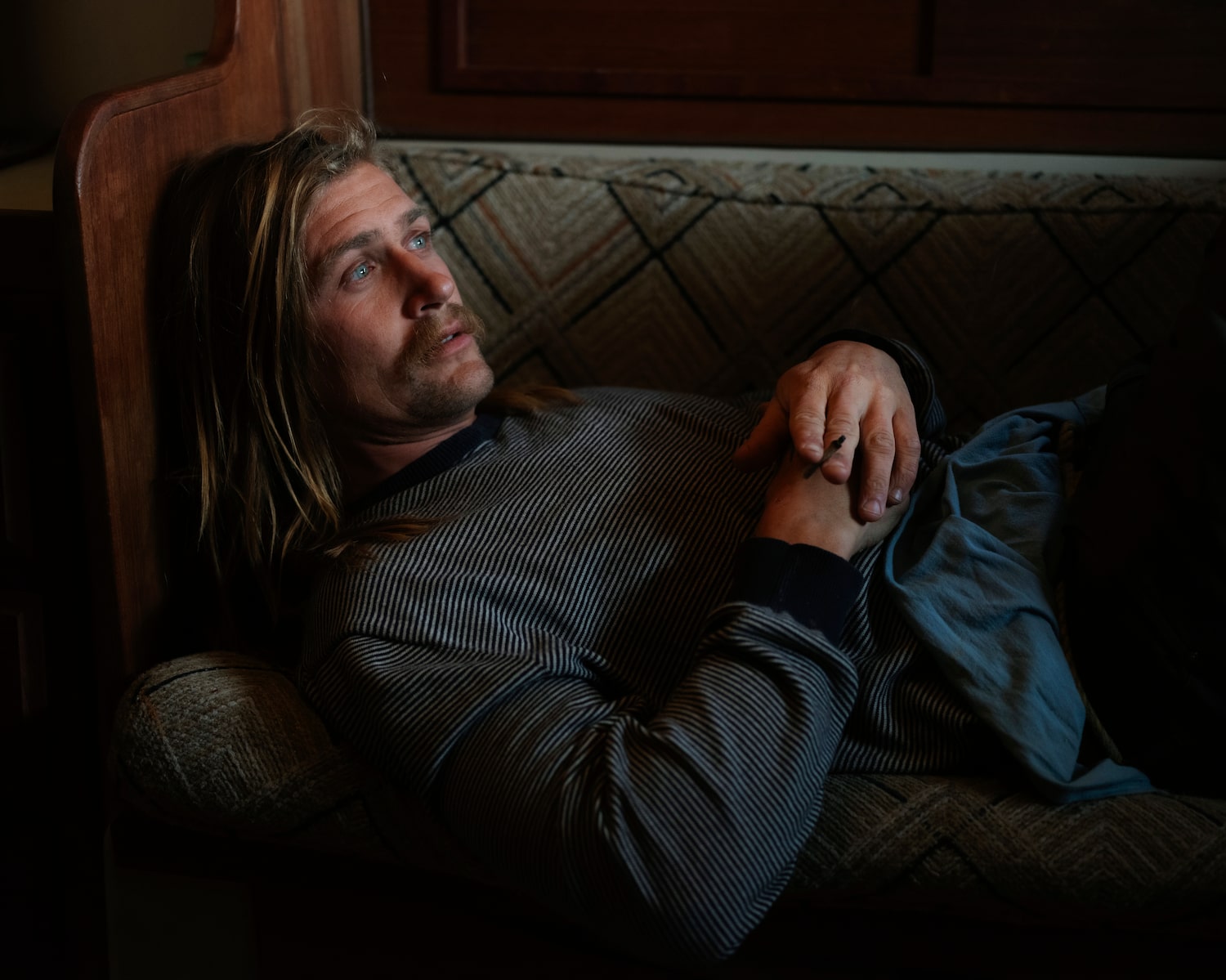
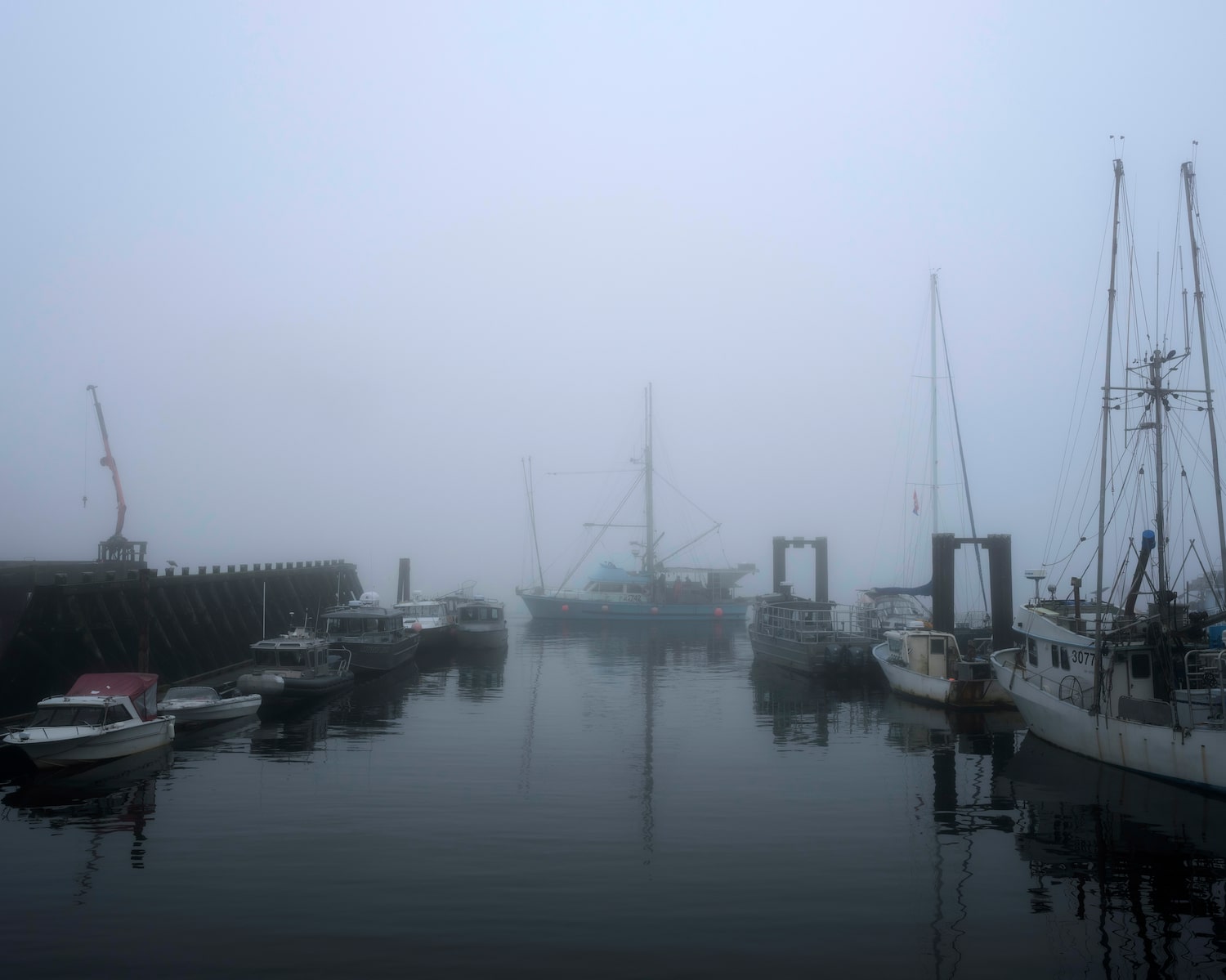

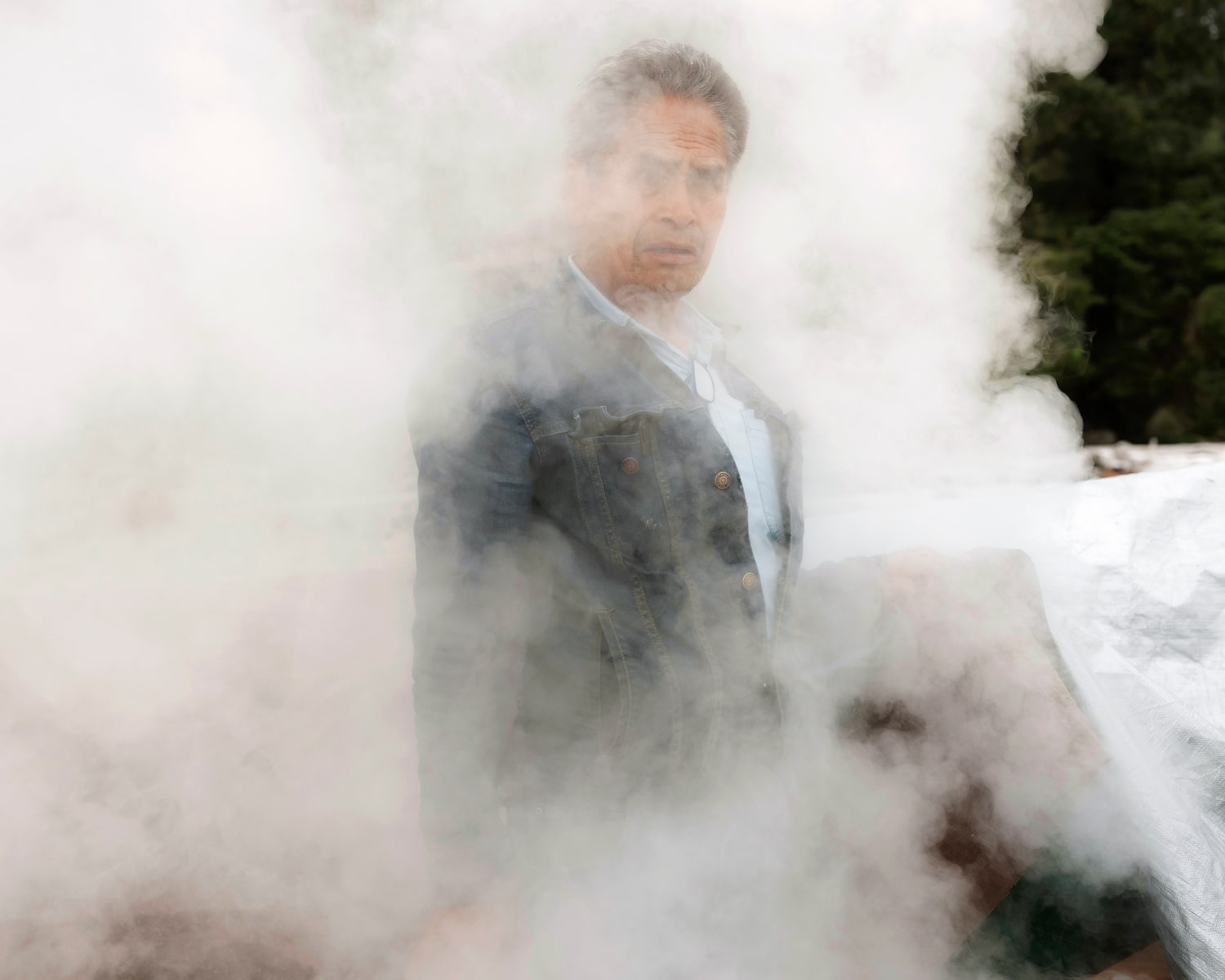

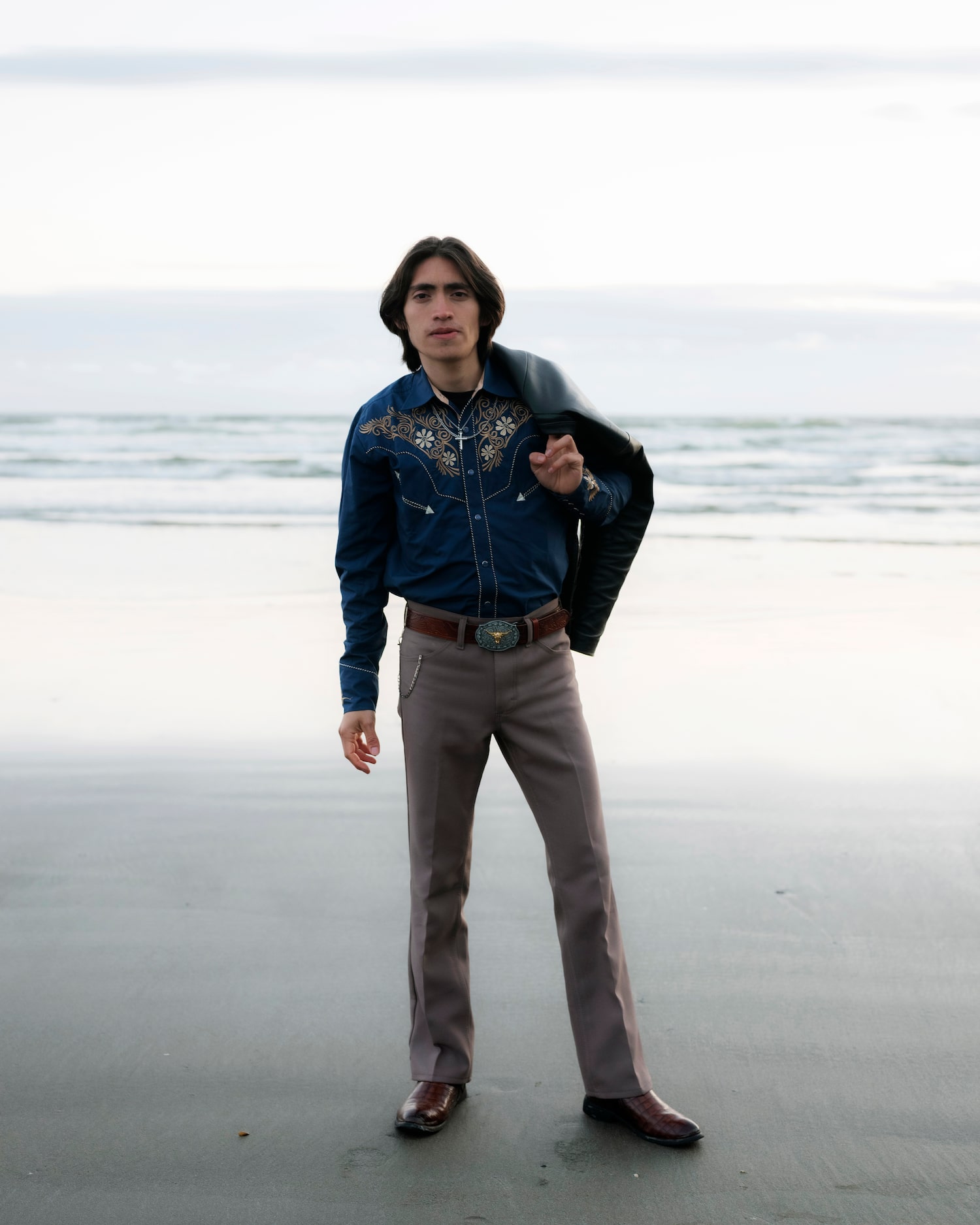
As the town’s image became increasingly glossy, I was interested in creating images of a Tofino that hold onto its past and a community who refuses to let it go.
The place I moved to nine years ago may be harder to find now, but it’s still here, if you know where to look.

The sun sets from Frank Island on Chesterman Beach in September, 2024. The small, privately owned island is accessible by the tombolo in between the north and south ends of the beach at low tide.
The sun sets from Frank Island on Chesterman Beach in September, 2024. The small, privately owned island is accessible by the tombolo in between the north and south ends of the beach at low tide.