
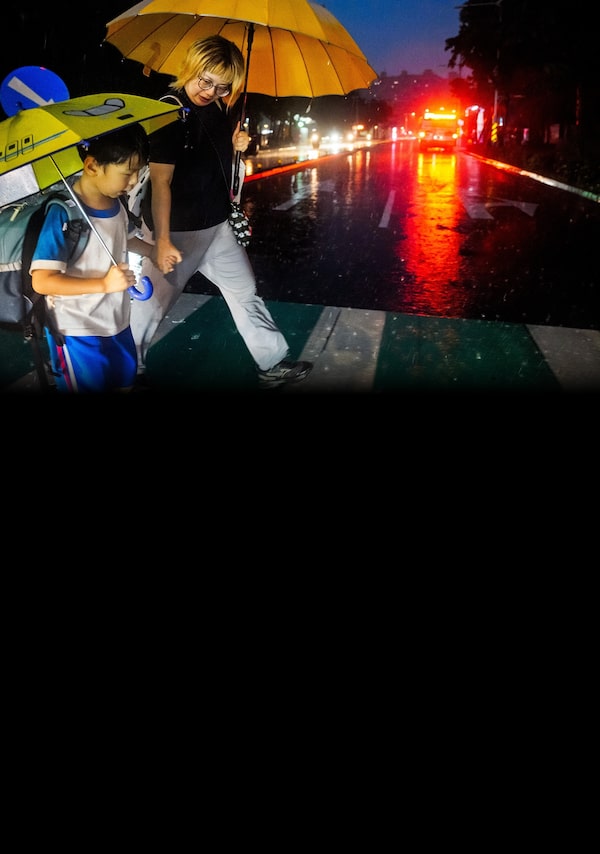
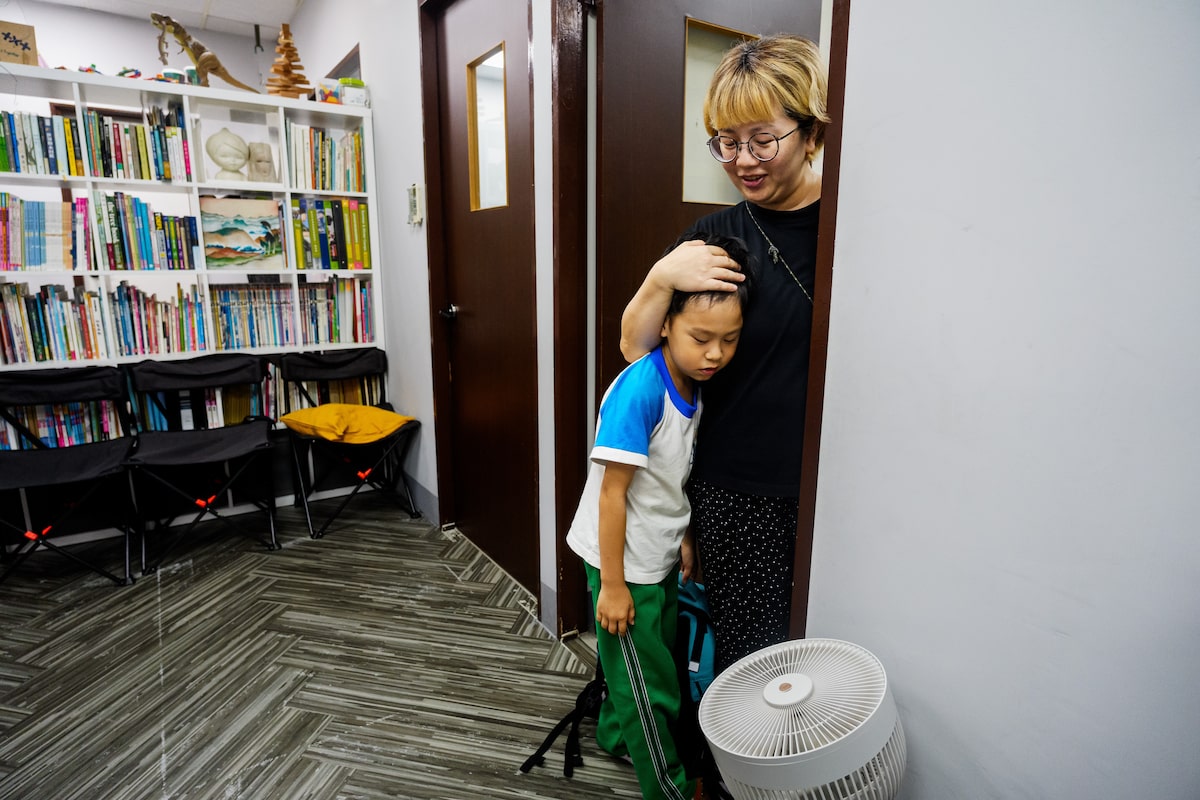
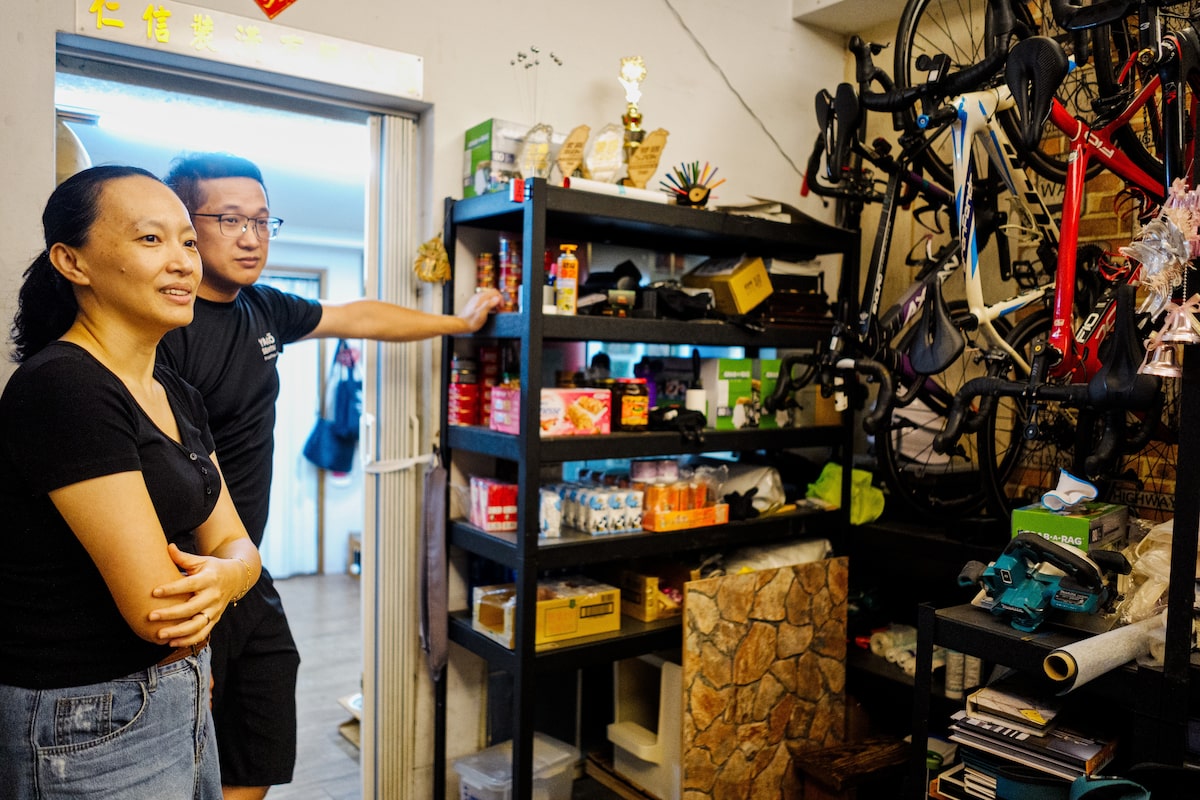
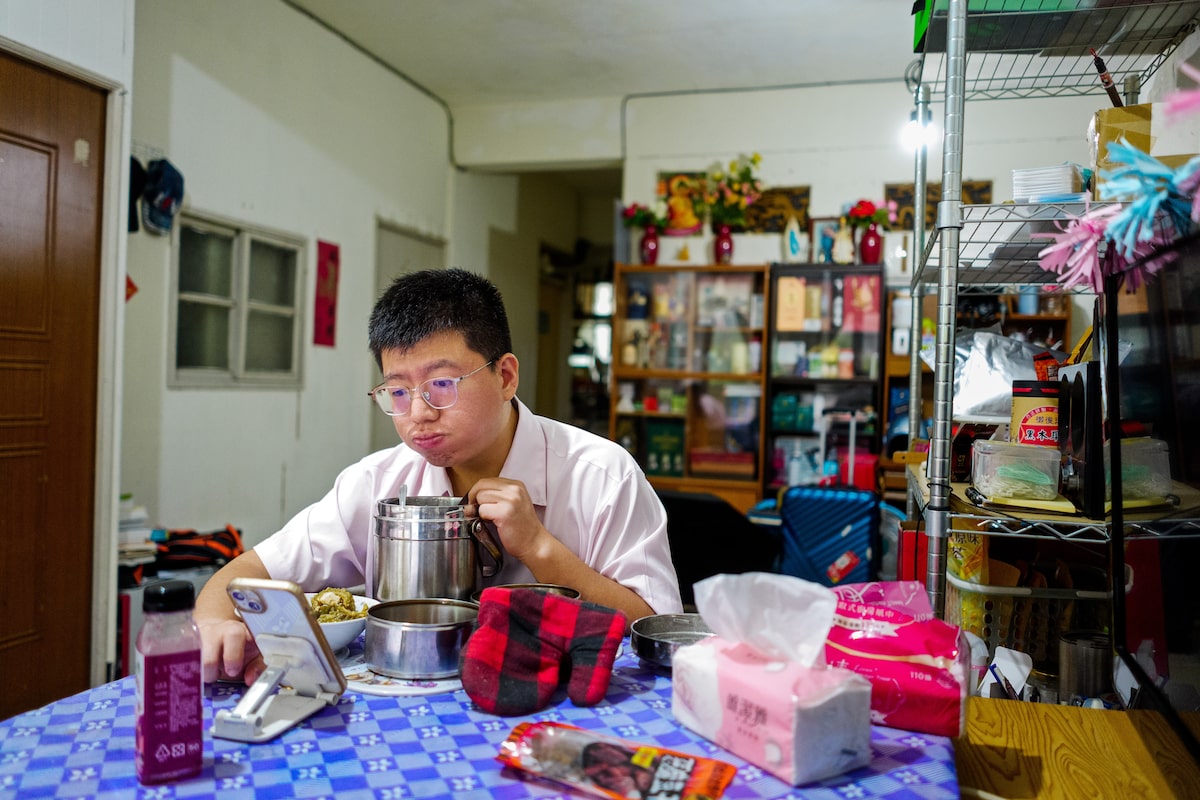
Polok Hsu, 7, knows to fear a Chinese attack on Taiwan. But he doesn’t understand why his family is training for it.
“What if someone wanted to take your toy?” said his mother, Hsiao-Ying Yu, 42, trying to explain the decades-old conflict that will shape the future of the young boy’s life. “How would you feel?”
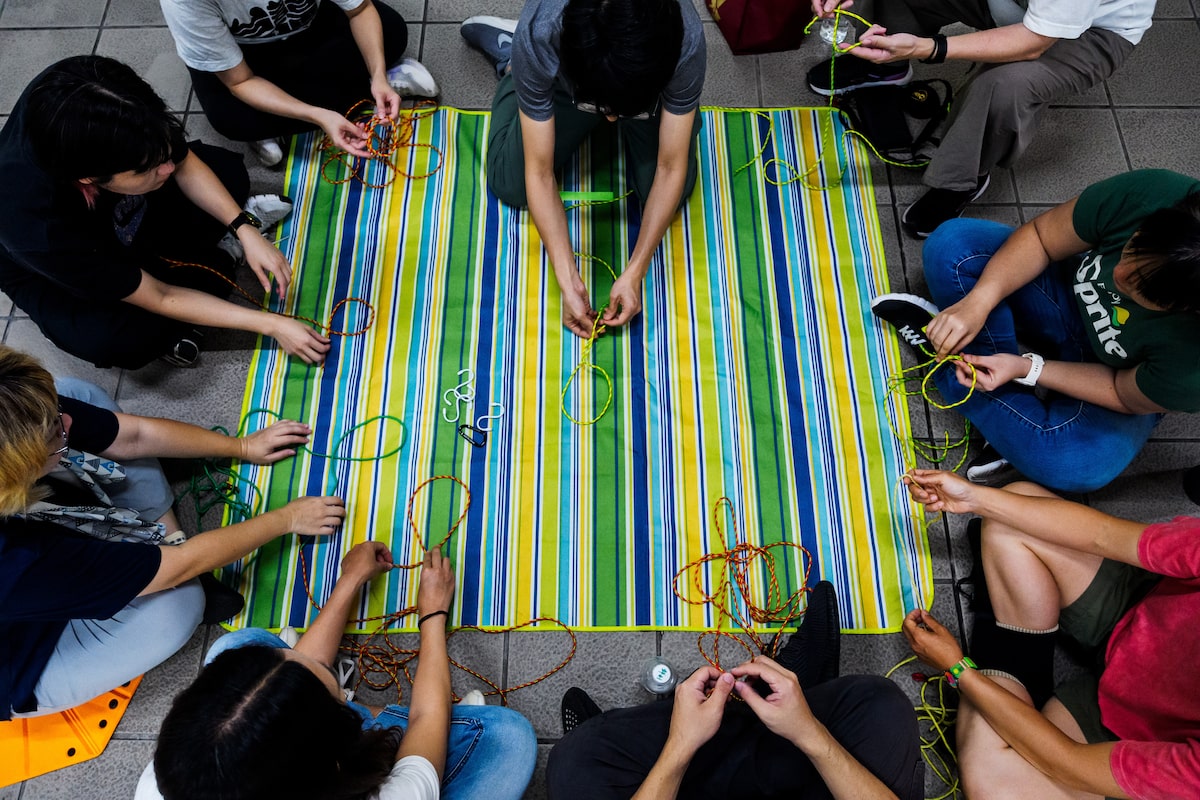
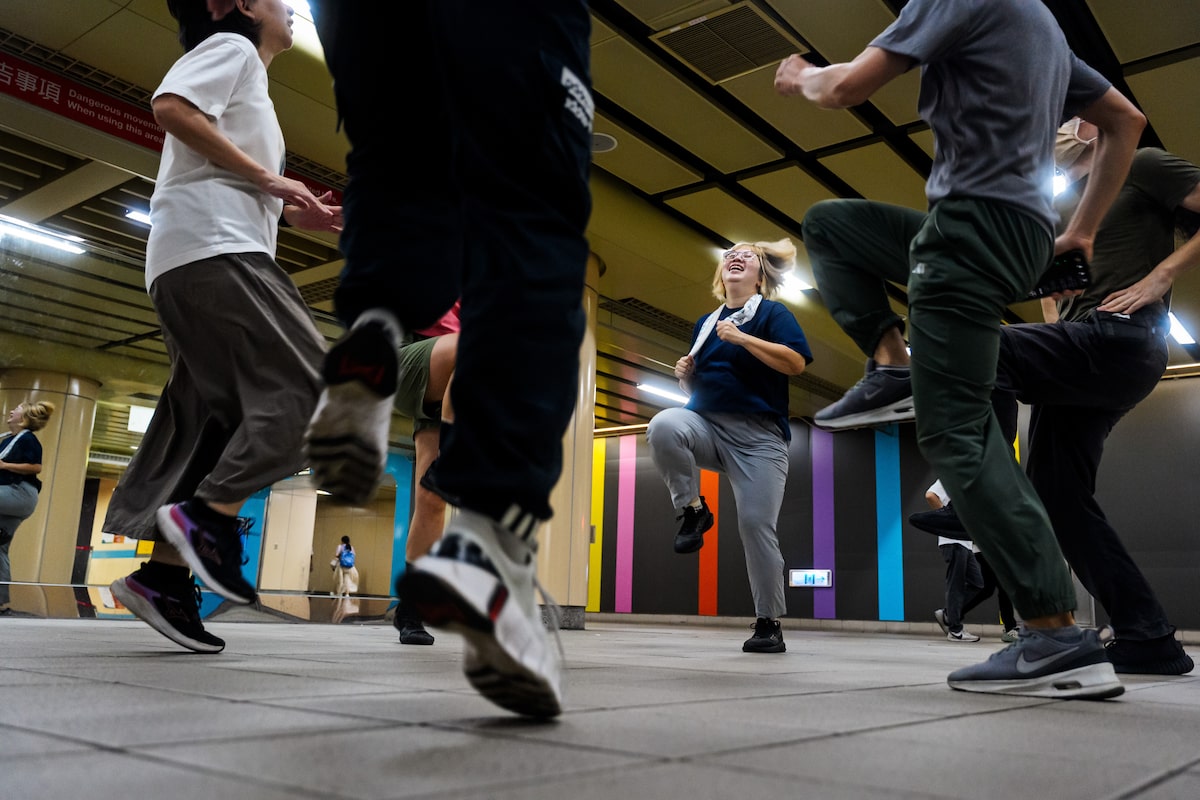
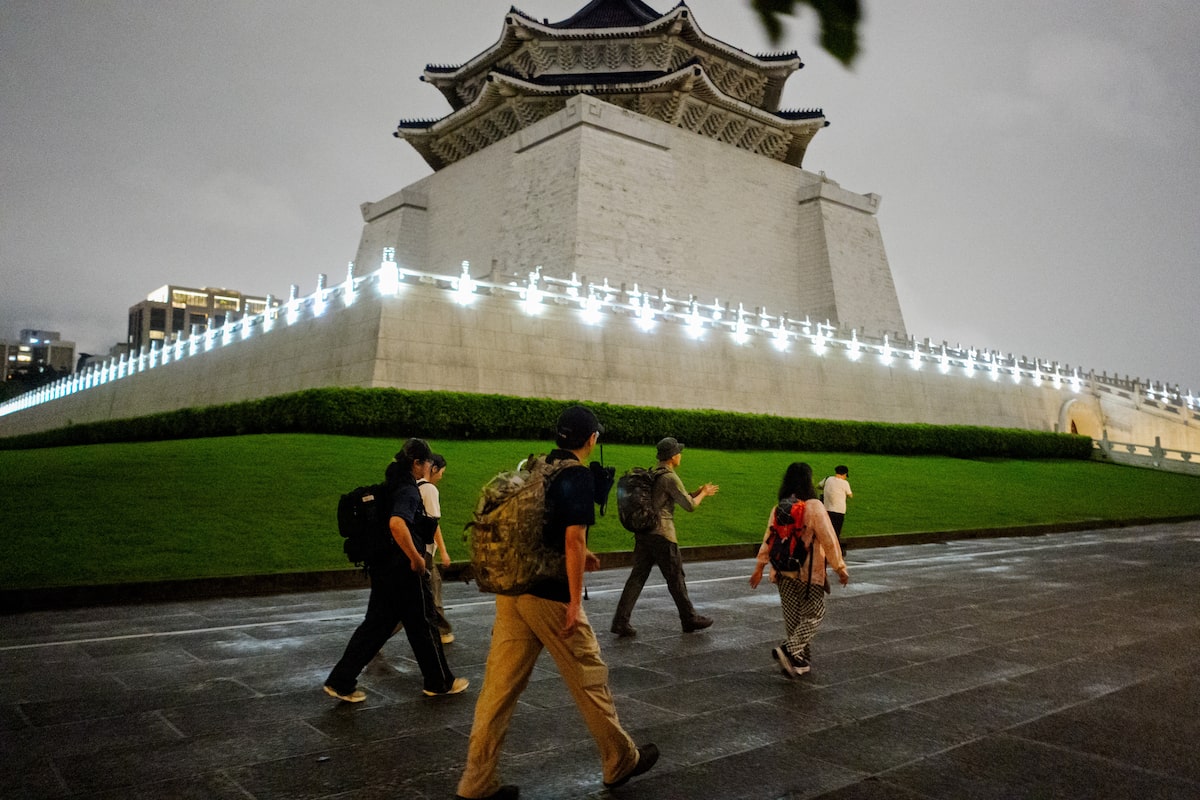
Since January, he and his parents have attended weekly civil defence group meetings at Shalun Elementary School in New Taipei City. They are part of a small but growing movement of civilians preparing for a crisis they hope never comes. For decades, Taiwan knew it could count on U.S. support if China were to make good on its vow to unify the self-governed island of 23 million with mainland China. But under President Donald Trump, that security guarantee is no longer a certainty.

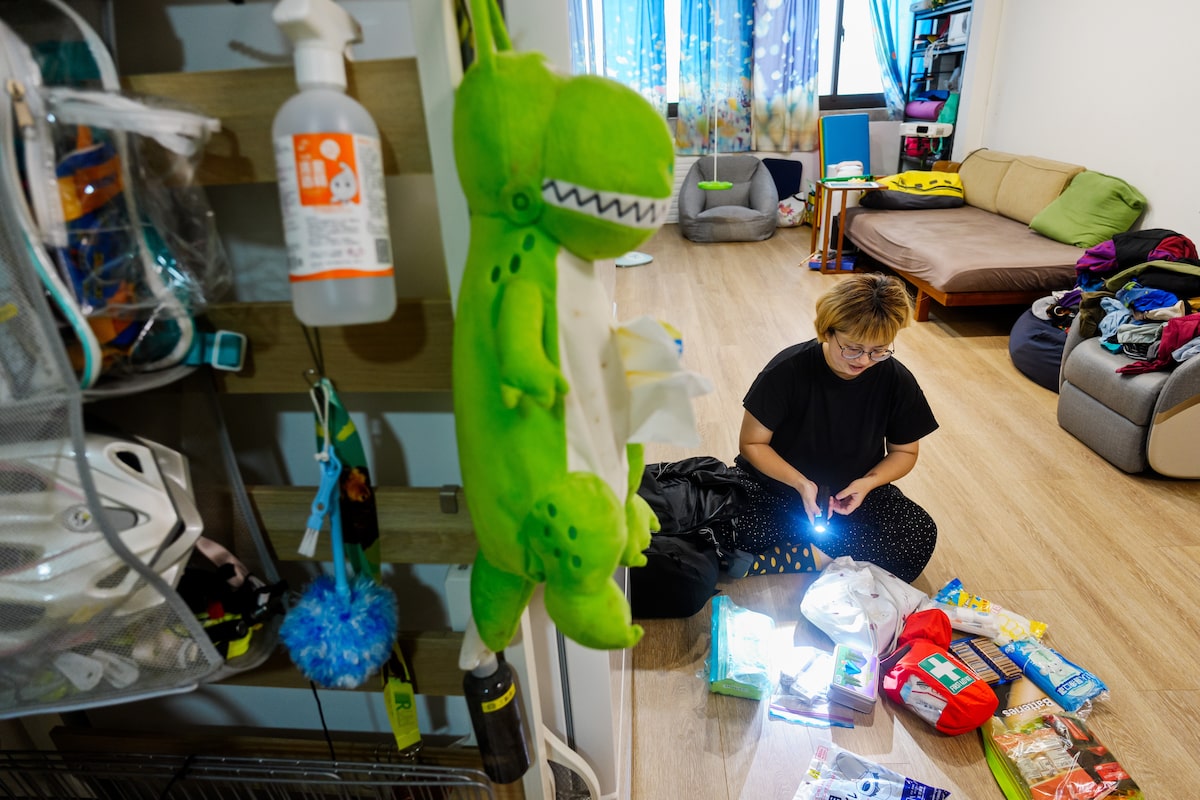
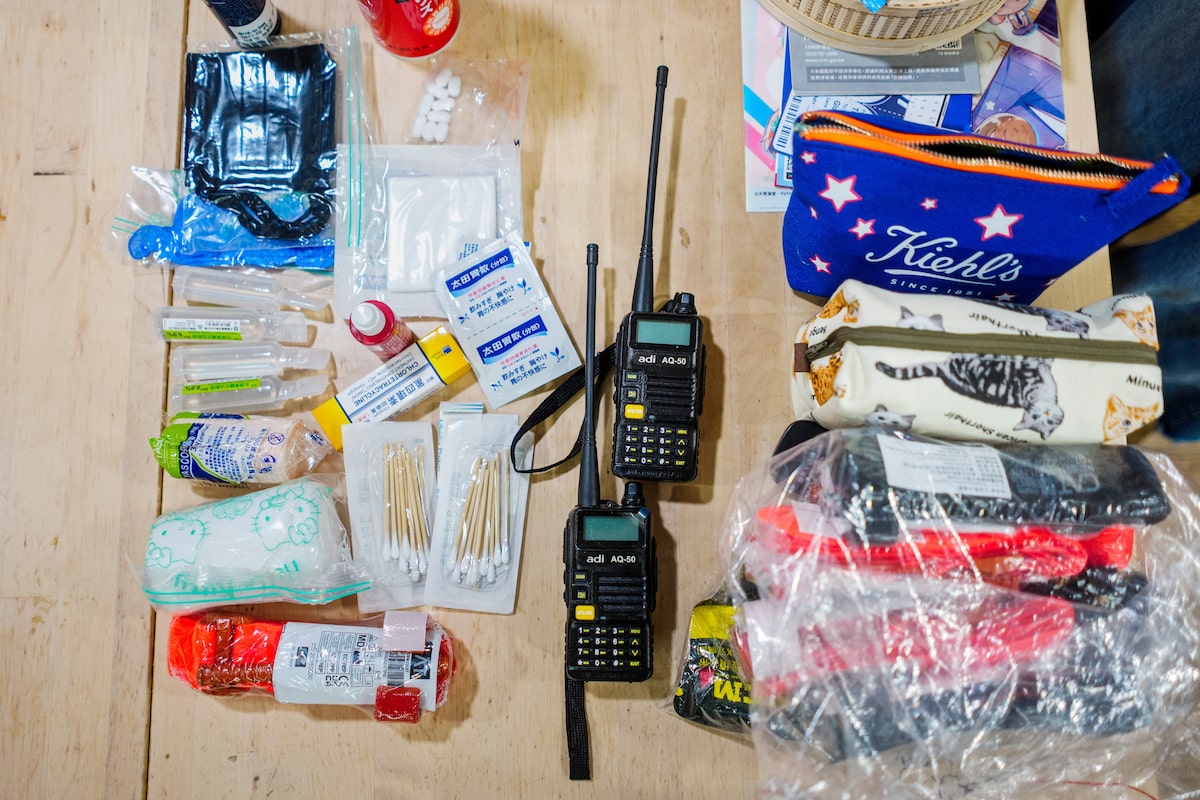
Polok Hsu helps his mother, Hsiao-Ying Yu, with equipment for their civil defence group meeting in New Taipei City. The group meets weekly to prepare for a crisis they hope never comes: a Chinese invasion.
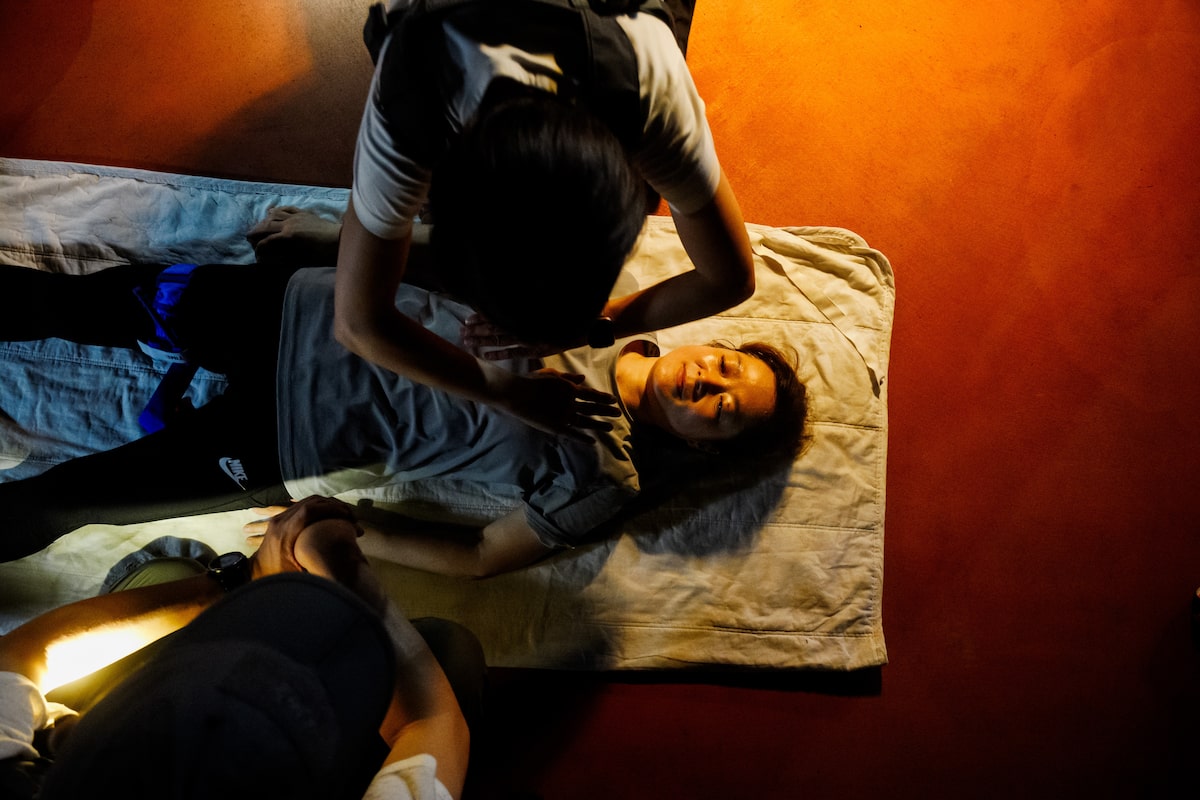
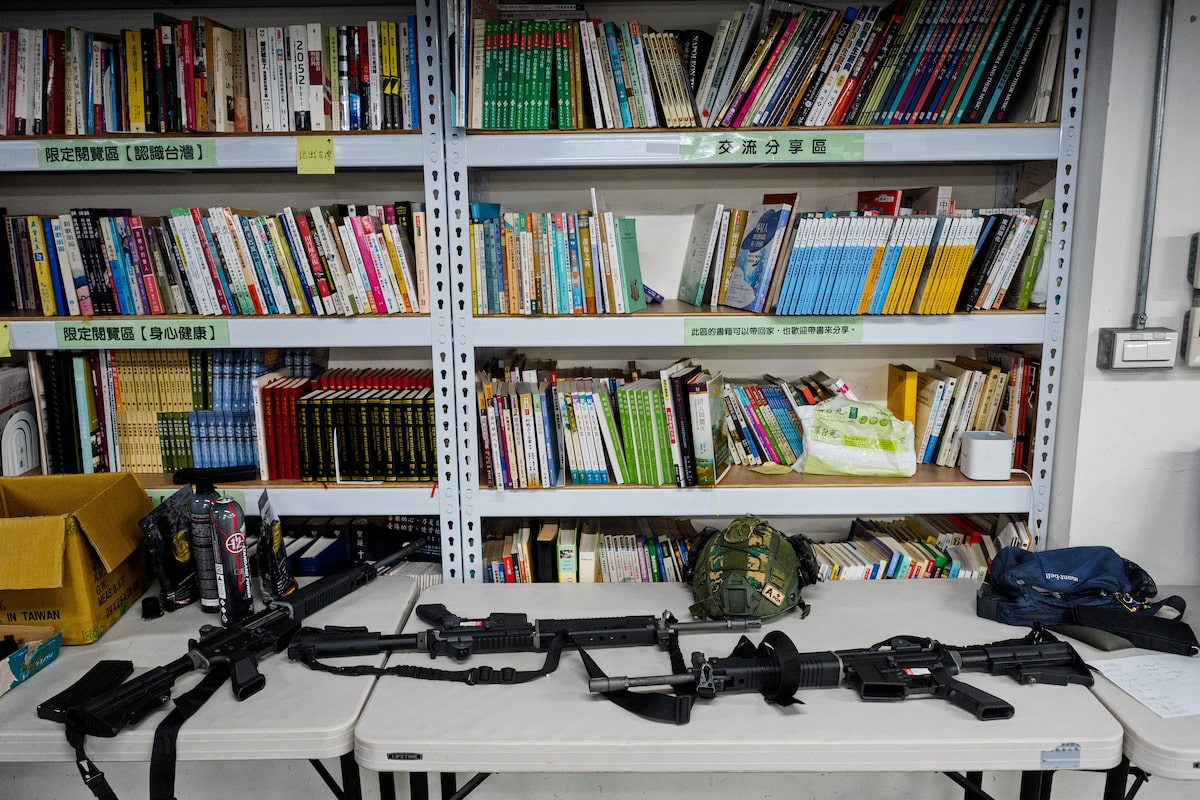
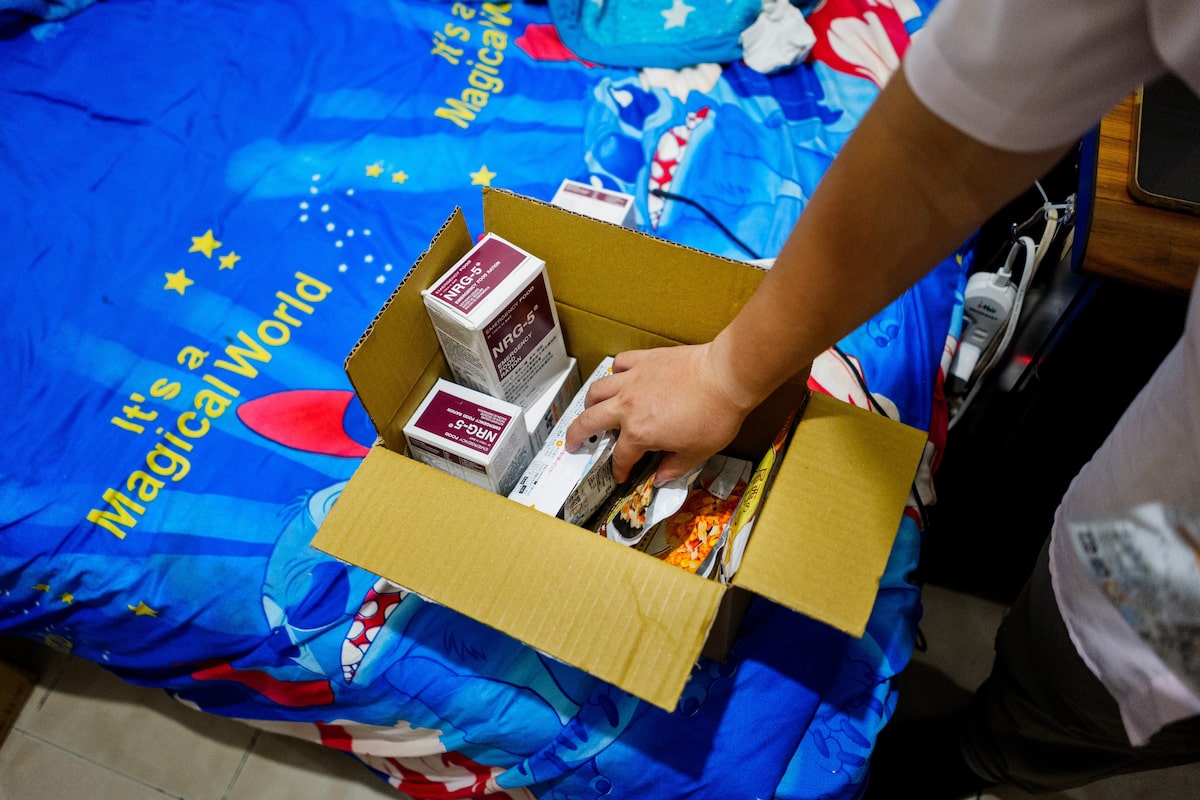
Taiwan’s civilian vanguard does not expect to stop an invasion. Instead, the movement is focused on what it would take for the island to survive the first days of a war, blockade or emergency that disables the systems it depends on. The kind of conflict Taiwan is bracing for will kick off with disrupted communications, damaged infrastructure, overwhelmed emergency services and widespread uncertainty.
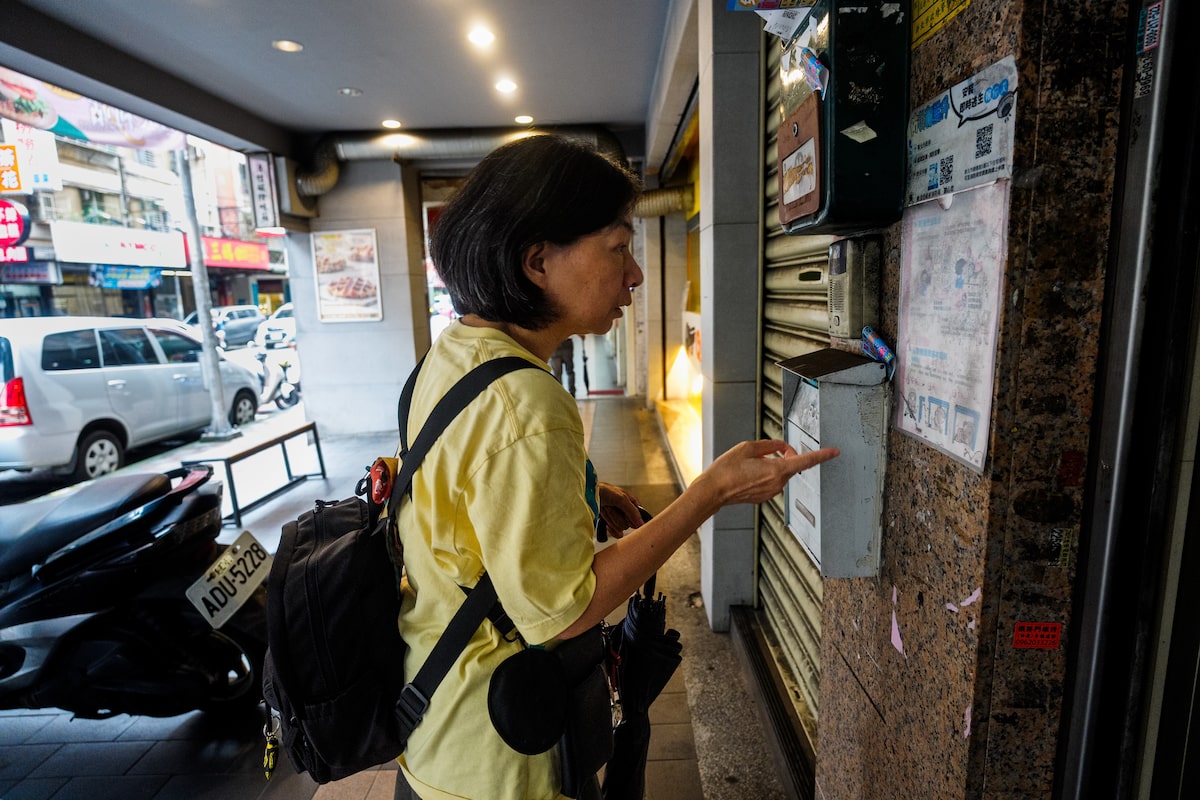
Taiwanese security analysts, civil defence organizers and government officials describe the required response as a whole-of-society effort rather than a purely military one. In the liminal space between peace and war, ordinary citizens become first responders, responsible for keeping their families, neighbourhoods and communities functioning.





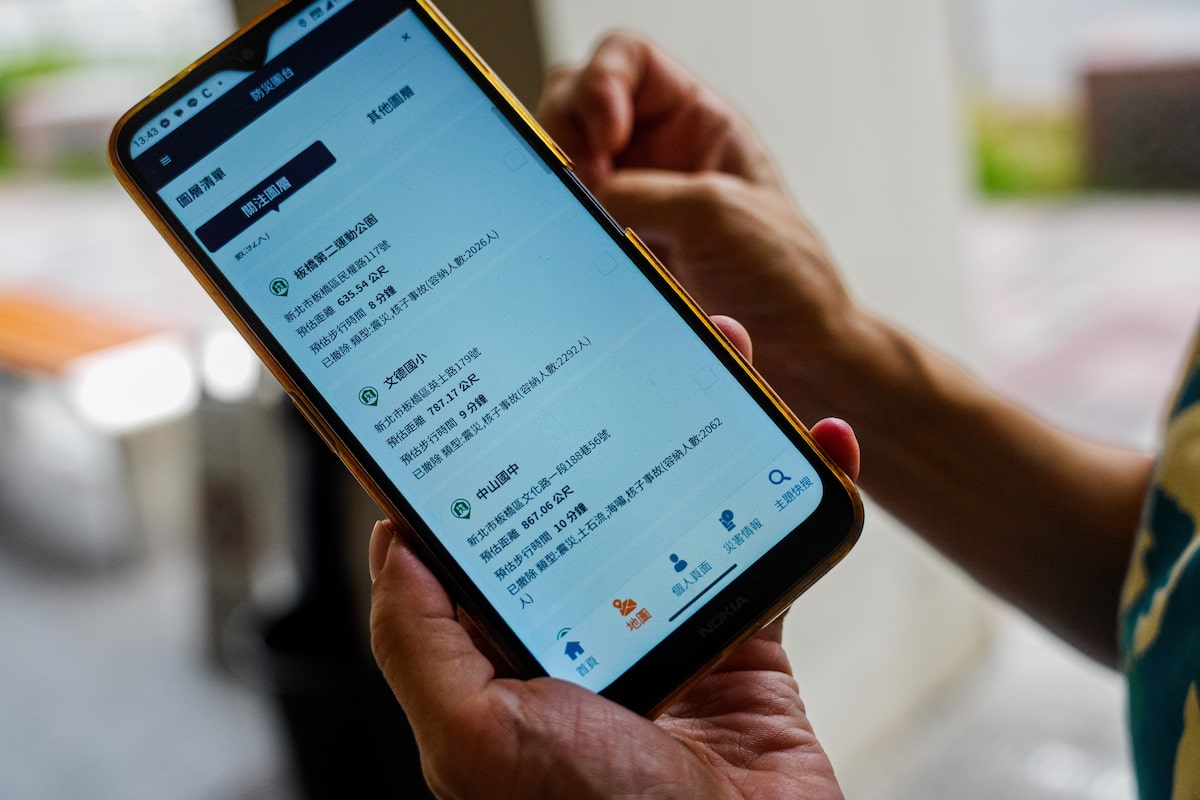


Just in case: Read Taiwan’s official handbook for emergencies
Postscript: Behind the lens
Taiwan sits like a stubborn comma in China’s unfinished sentence, a pause Beijing insists is temporary, but Taipei increasingly dares to make permanent.
Until recently, the possibility of a Chinese invasion of Taiwan was a hypothetical debated by war strategists in journals and Pentagon simulations. But lately, Beijing’s language has sharpened. Its military posturing has grown more daring. Its warships prowl the Taiwan Strait like sharks in warming waters. Its fighter jets cross the median line near Taiwan’s airspace.

Marcus Yam is an international visual correspondent with The Globe and Mail.Randy Piland
I was interested in how people imagine war and prepare for it while living their normal, daily lives. How does this tension reshape society?
I was surprised to learn that civil defence in Taiwan was more about building trust than strategizing for war. Many of the volunteers I met weren’t motivated by military plans. They were learning emergency response skills and getting to know their neighbours because they believed those relationships would matter in any crisis.
One of the biggest reporting challenges was earning people’s trust. Our interviews touched on sensitive topics, such as national security, geopolitics and personal fears. Rather than rushing interviews, I spent time with people before putting them before the camera and returned repeatedly to speak with and photograph them.