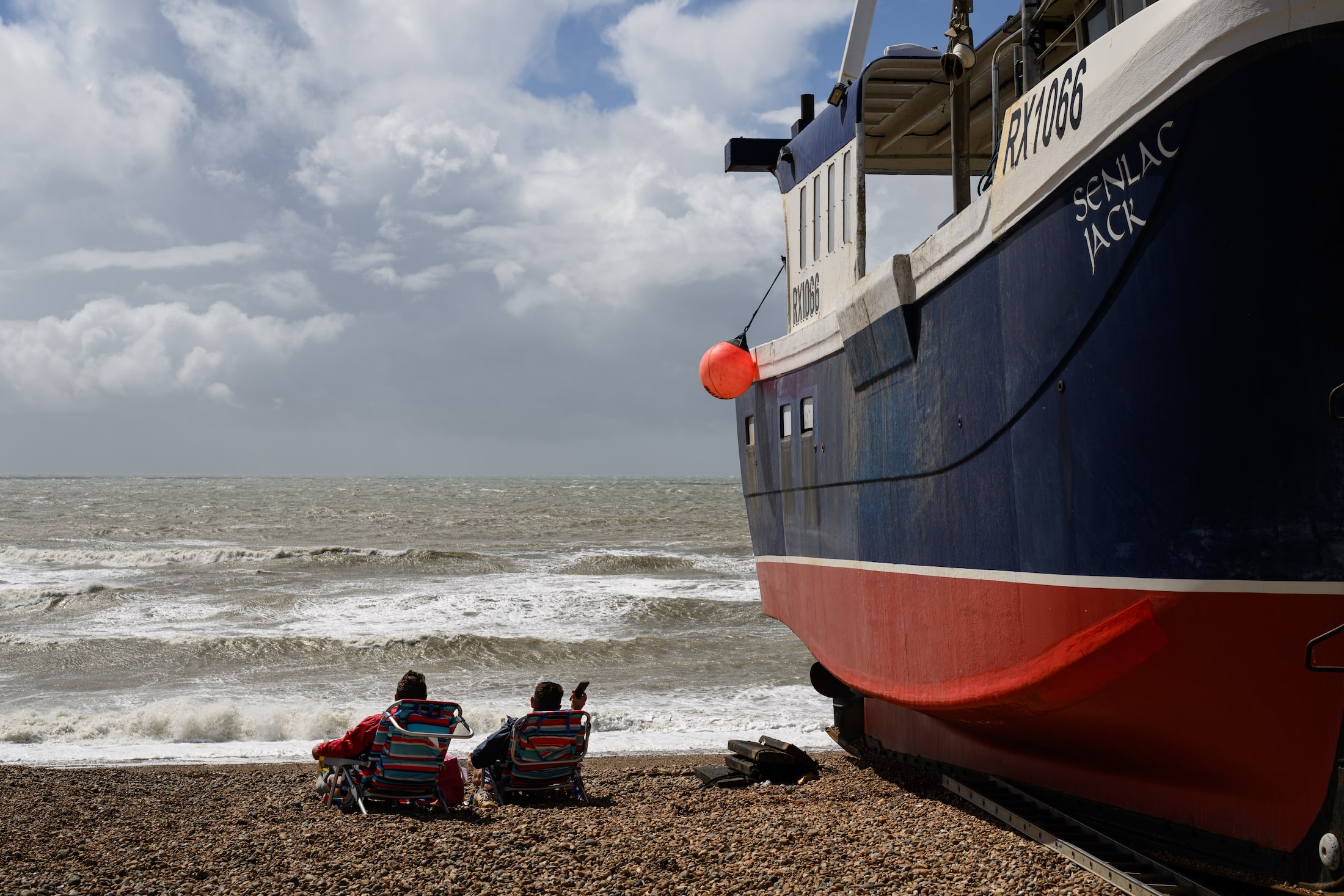

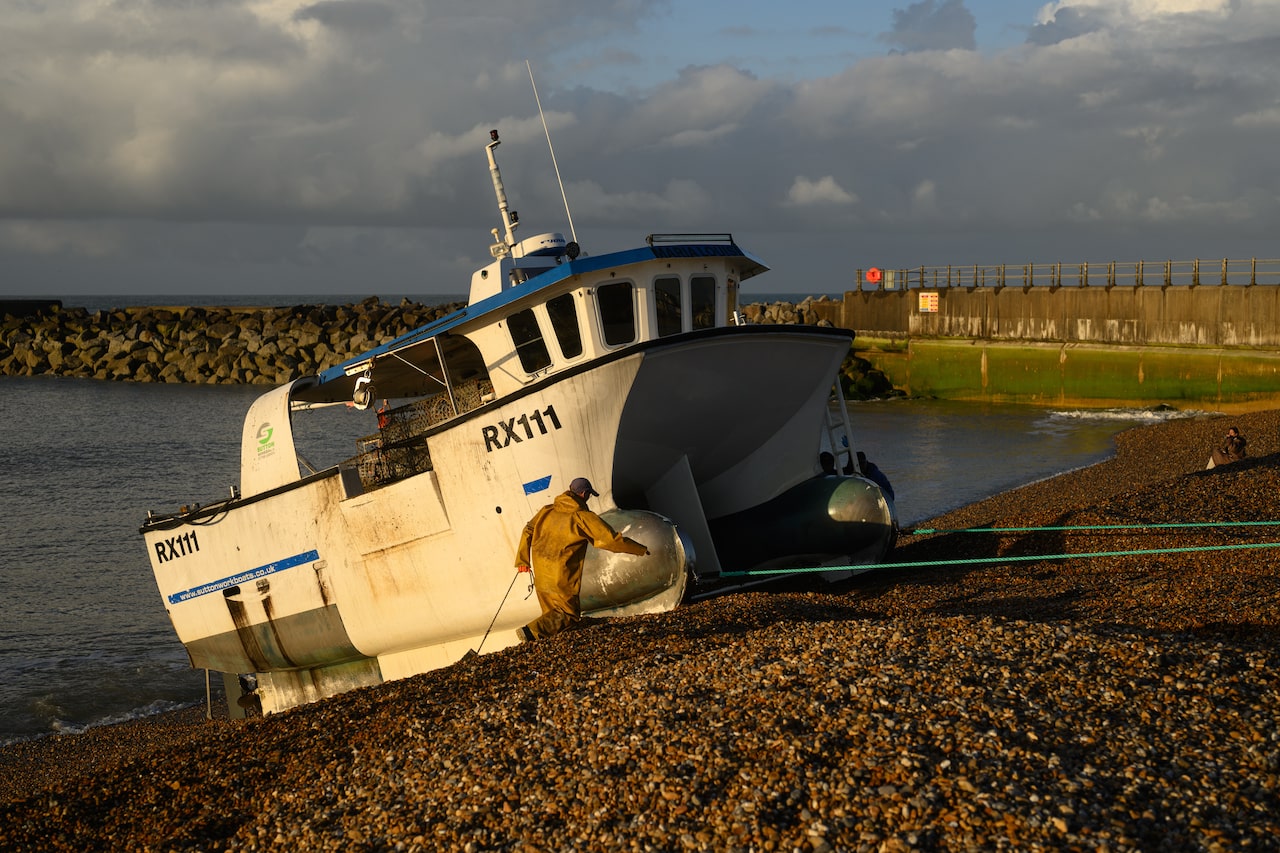
Shortly after dawn one recent morning, three aging fishermen attached a pair of lines to the Maria Louise and hauled the fibreglass fishing boat out of the crashing waves of the English Channel and across the pebbles of Hastings beach using a weathered old bulldozer. The previous night had been the last of the cuttlefish season, in another disappointing year. Declining stocks caused in part by the French and Belgian beam trawlers operating 10 kilometres offshore have devastated this historic beach-launched fishery over the past decade.
“This isn’t what it used to be,” said skipper Roland Kelly, who had just winched his own boat onto the beach. “You can’t make a good living at this any more.”
As they hauled the traps out of the hold that morning, a different sort of English Channel journey was being prepared just over the horizon: an ultra-secret operation to transport a 960-year-old image of this stretch of English beach, with similar-sized boats landing in a bay to the west of these fishermen, carrying not fish but men bearing spears and swords. That depiction of Hastings will cross from France to England in a high-tech cradle aboard a heavily guarded, late-night underwater train.
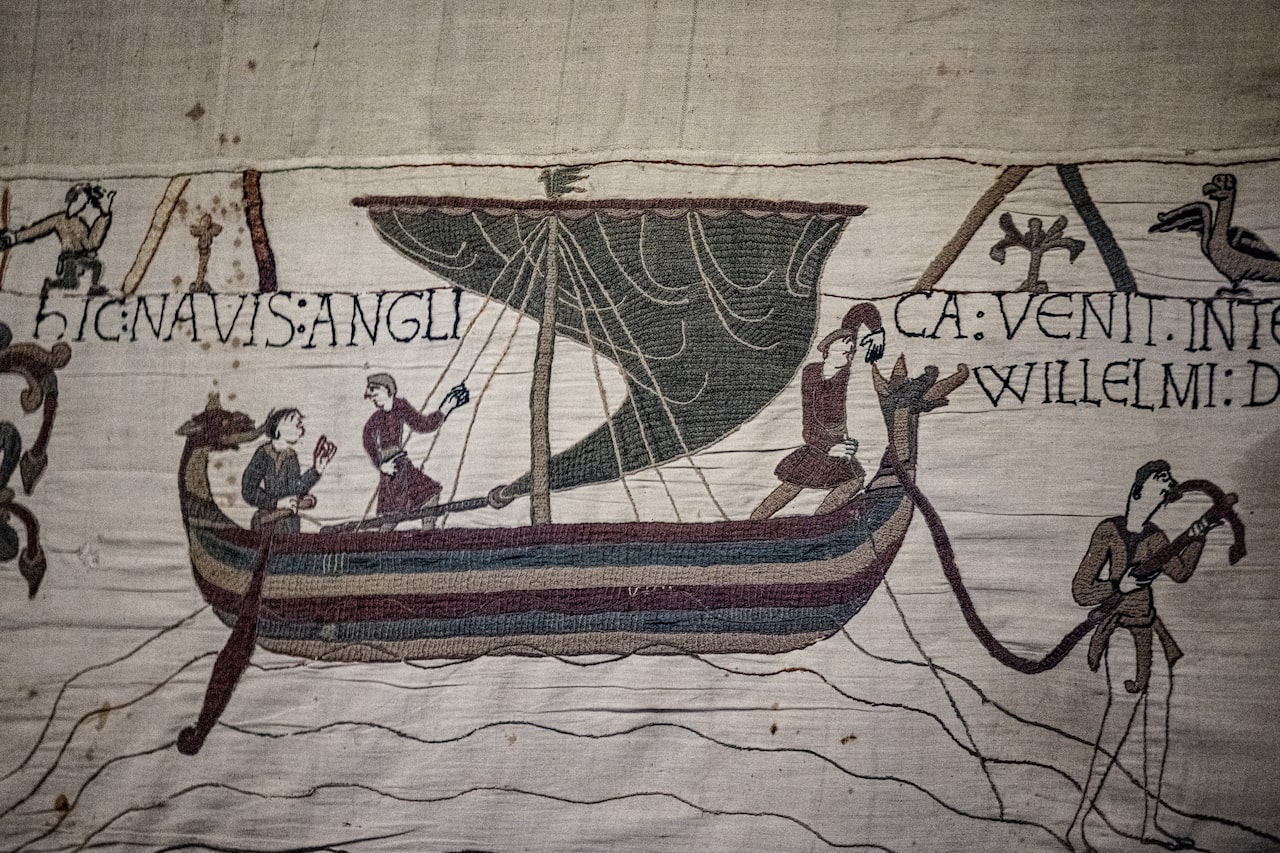
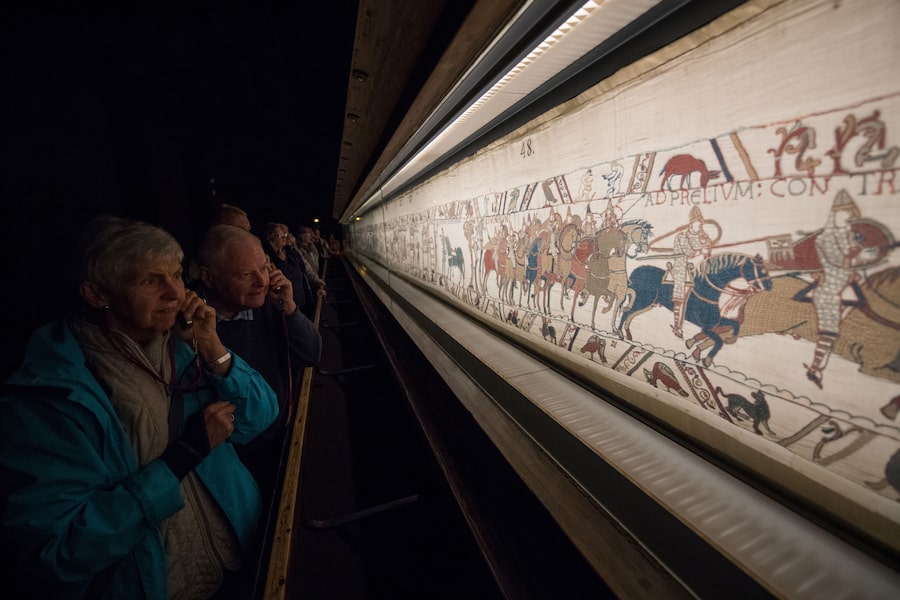
The Bayeux Tapestry, a 70-metre-long, embroidered medieval narrative, centres on the landing, in 1066, of William the Conqueror and his troops near Hastings. It depicts the sequence of alliances and betrayals by England’s Anglo-Saxon and Danish rulers and the Duchy of Normandy that led to William’s decision to build a fleet, assemble an army and seize the English throne. It concludes with the Battle of Hastings and the beginning of the Norman Conquest – the events that created modern Britain and the English language as we know it.
This summer it is leaving Normandy, for the first time since it arrived there from England ten centuries ago, in a carefully rehearsed operation to lend it to the British Museum for a year-long exhibition, starting in September. The loan was brokered directly between French President Emmanuel Macron and British Prime Minister Keir Starmer in an effort to renew relations across the Channel.
What unites the medieval figurations of Hastings in 1066 and the plight of real-life Hastings in 2026 is a decision made by British voters 10 years ago.
A voter leaves a polling station after casting her ballot in the Brexit referendum on June 23, 2016. The UK voted to leave the EU in 2016 by a margin of four per cent – 52 per cent to the 48 per cent who wished to remain.AFP / Getty Images
The June 23, 2016, referendum, in which Britons voted by a narrow margin to advise that the United Kingdom leave the European Union, was initially seen by some as a chance for an independent country to forge a new economy and new trade, immigration and diplomatic relationships, freed from the bureaucratic restrictions of Brussels. That was especially true in Hastings, whose 93,000 people voted strongly in favour of exiting the EU, in part because their small-boat fishery was promised a much better deal.
But the actual treaties with Europe negotiated hastily by Prime Minister Boris Johnson after his rapid exit from the EU on Jan. 31, 2020, dashed all those hopes.
Economic researchers concluded last year that leaving the EU had reduced Britain’s GDP by 6 to 8 per cent and caused a net loss of 330,000 workers, or 1 per cent of the labour force, contributing to a 3- to 4-per-cent drop in productivity.
Hastings has fallen into deeper decline, its fishery stuck with even worse restrictions and tougher competition. And relations between Britain and its continental neighbours remain paralyzed on many fronts, leaving leaders scrambling to find ways, even symbolic ones, to rebuild a millennium-old relationship.
London
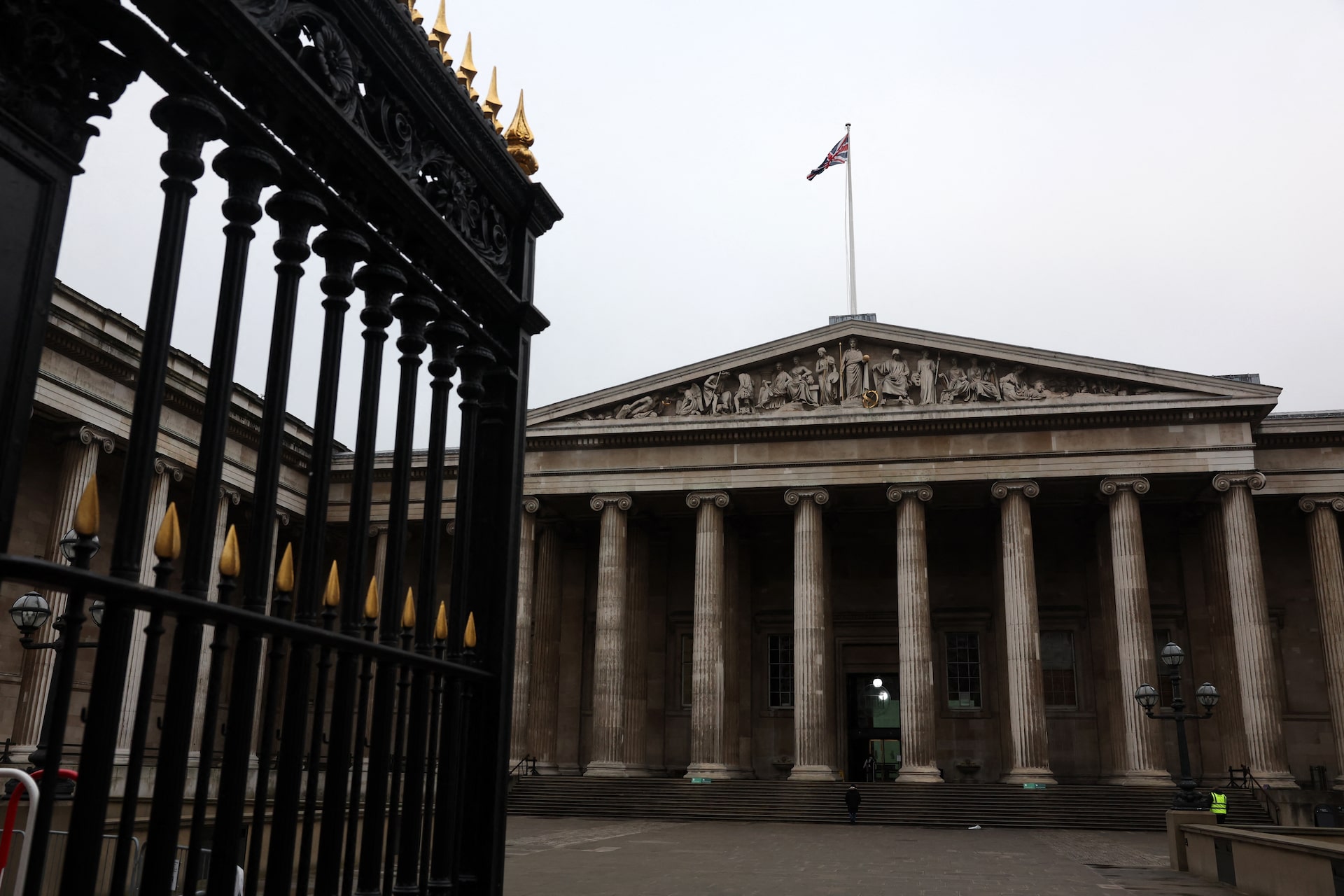
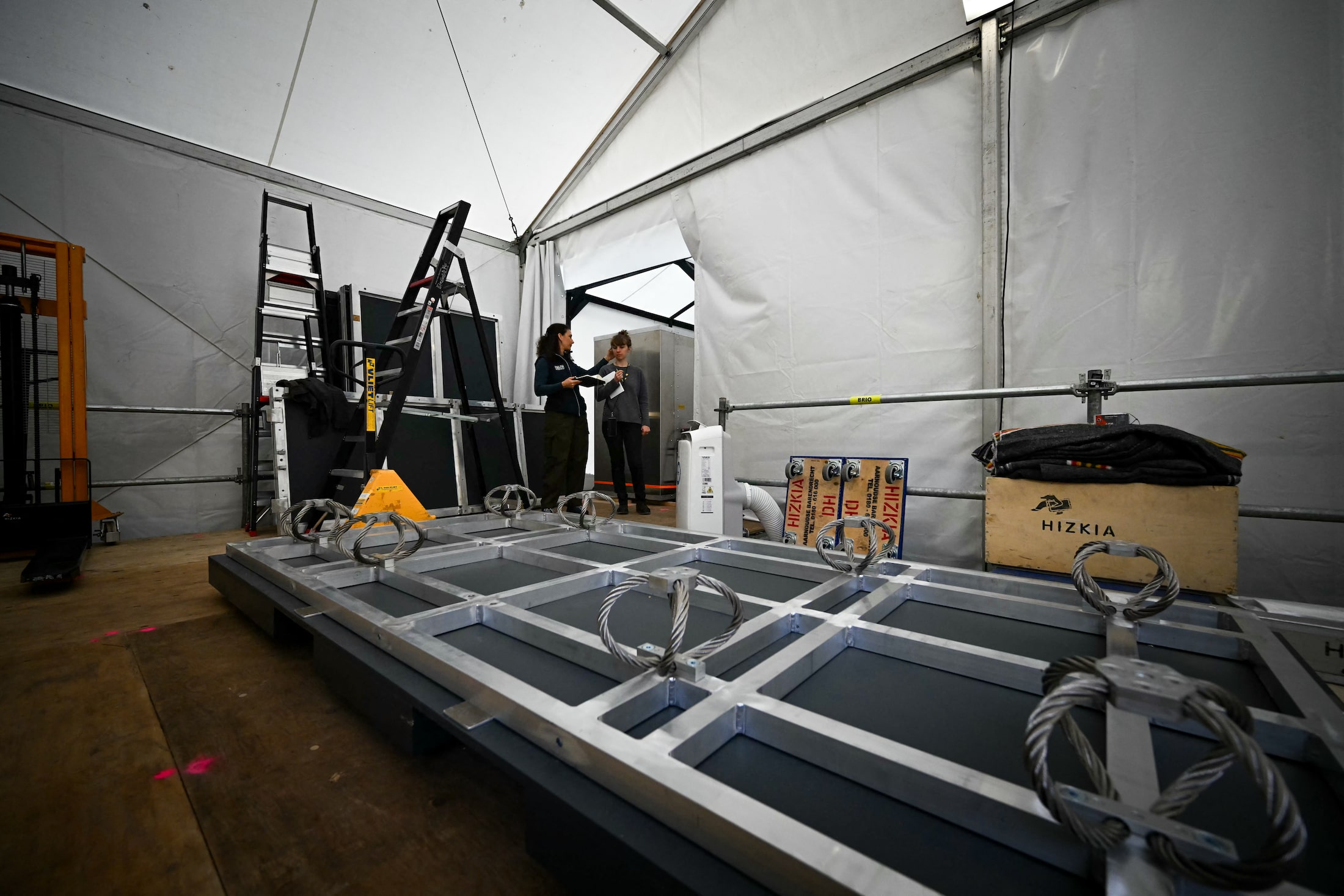
In the cavernous depths of the British Museum is a vast, windowless modern hall known as the Sainsbury Exhibitions Gallery, where the most expensive and sensitive museum display in British history is being prepared.
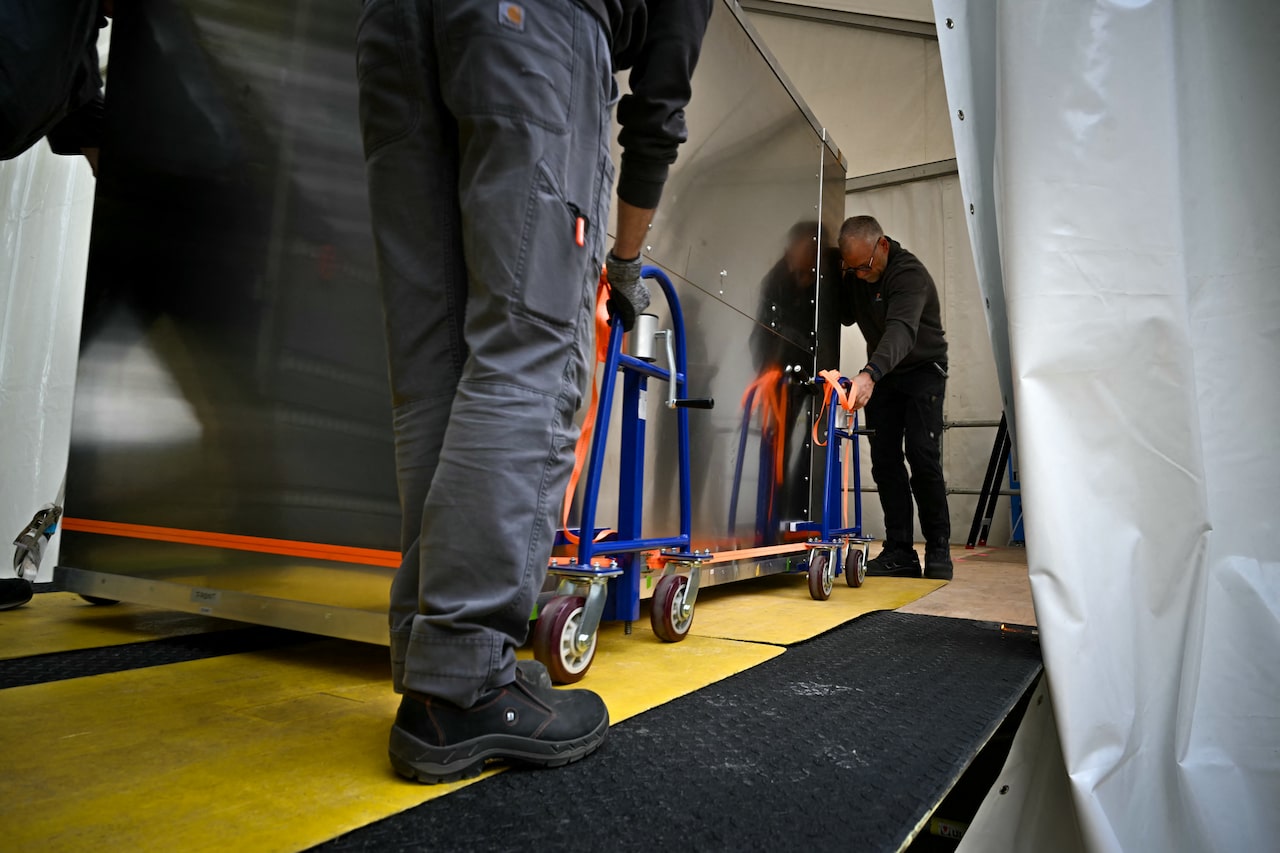
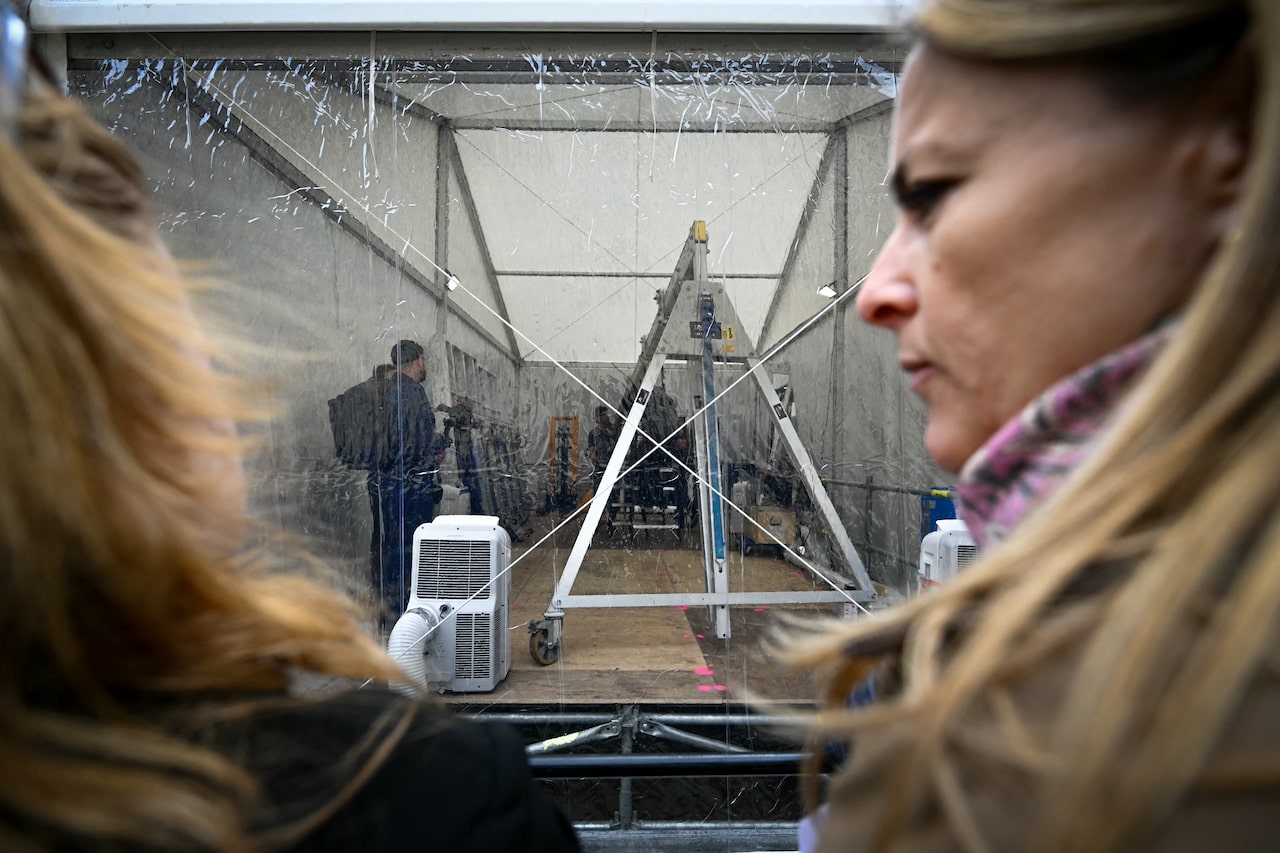
Here, staff are carefully positioning the equipment they will use to unroll and shift the exceptionally delicate embroidery, 50 centimetres tall and considerably longer than an NHL rink, onto its angled, snaking viewing stand, where it will be laid flat below interpretive materials. They’ve already done it twice, in dress rehearsals in which a replica was brought across the channel and installed in the museum using the same vehicles that will be used for the actual tapestry. The precise moving date is a carefully guarded secret but is said to be in July.
“Never in the history of transporting works of art have so many tests, so many protocols, so many risk checks been carried out for a single relocation,” said French Culture Minister Catherine Pégard, responsible for her country’s side of the operation, comparing the transport container to “a cradle in which a newborn has been laid.” For its part, Britain has taken out an £800-million insurance policy on the tapestry and will lend its own set of historical treasures to France.
The stealth operation was the brainchild of Mr. Macron, conceived during the darkest days of bilateral relations between France and Britain − a breakdown that was near-total between Mr. Johnson’s years and 2022, when the Russian invasion of Ukraine made military co-operation more necessary, and didn’t fully recover until the election of Keir Starmer’s Labour government in 2024.
Mr. Starmer promised during his election campaign that he would not seek a referendum on rejoining the EU – a disappointment to a big contingent of his party (a strong majority of Britons now wish to rejoin the 27-country bloc). Mr. Macron, upon learning that Normandy’s Bayeux Museum would be closed for renovations in 2026 and its famous tapestry placed in storage, saw a golden opportunity.
“I think Macron was quite keen,” said Helen Drake, a professor of French and European studies at Loughborough University London who has analyzed the politics and diplomacy behind the tapestry loan.
“Needing to repair the Franco-British relationship was partly due to material interests” such as defence and trade, Dr. Drake explained, “but also because there is a fabric to that relationship, a mutual trust and set of diplomatic routines that had become frayed under Brexit, and that takes us back to the symbolism of the Bayeux Tapestry.”


The political symbolism in Britain is more ambiguous. After all, the anti-Europe politician Nigel Farage, leader of the surging far-right Reform UK party, used to campaign wearing a necktie depicting the Bayeux Tapestry, which he frequently said was a reminder of “the last time we were invaded and taken over.”
Mr. Starmer is evidently gambling that more Britons will take another lesson: That Mr. Farage’s non-European British “we” is historical fiction, that their country is indelibly linked to its continental neighbours, culturally, genetically and economically. After all, the Normans − the descendants of Viking raiders who had settled in France − conquered a Britain that had been ruled for half a millennium by people from modern-day Denmark and Germany who had raided and settled the island. And they replaced the Romans, who had occupied it for centuries.
That’s certainly the lesson EU countries would like Britain to take from the exhibit. But there’s an underlying problem: There is a reasonable chance that Mr. Farage’s party, which remains angrily anti-European, could win the next election in 2029. Leaders of EU countries know this and won’t entertain a re-entry bid as long as that remains possible.

The anti-Europe far-right Reform UK party, led by Nigel Farage, has been gaining ground in recent years, and could win the next election in 2029.Jack Taylor/Reuters
Mr. Starmer’s sudden announcement this week that he will step down as Prime Minister and allow MP Andy Burnham to become his successor means he likely won’t be in office when the exhibition opens on Sept. 10 – but it also means that U.K.-EU talks scheduled for this summer won’t take place. (Mr. Burnham, like Mr. Starmer, has promised not to hold a referendum on rejoining the EU, but wants new treaties on things such as student mobility.)
So Mr. Starmer is left with individual gestures: uniting with cross-channel neighbours against the abuses of Donald Trump and Vladimir Putin, rejoining continental defence and agricultural trade blocs and returning to an era of spectacular cultural exhibitions.
“I do not think the Starmer government was ever naive enough to think that improvements in the Franco-British bilateral relationship would be some kind of bridgehead into [EU] membership,” Dr. Drake said. “Although getting a better relationship with France is incredibly important … So there is a connection. It’s not just a symbolic gesture.”
Hastings
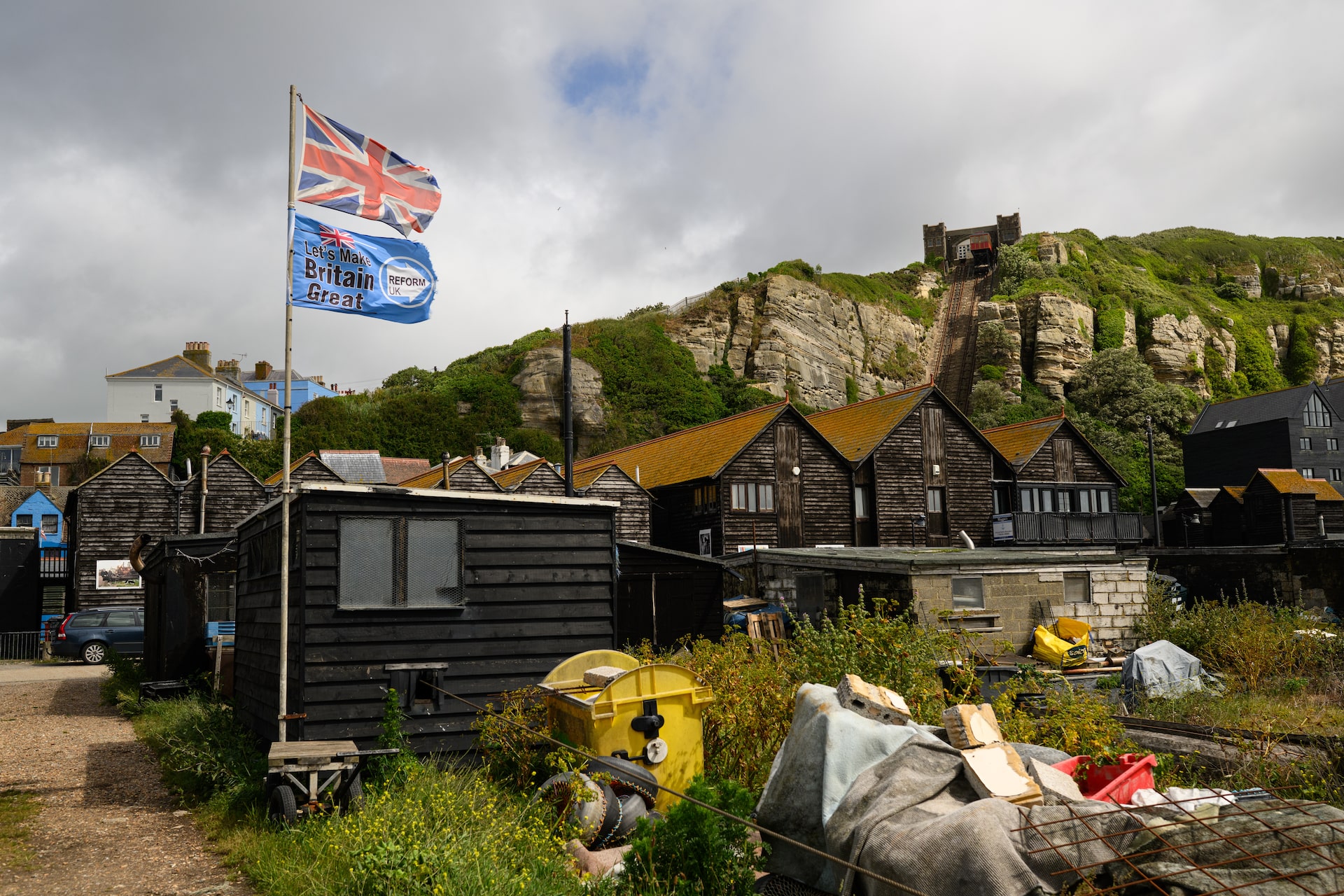
If you travel 120 kilometres south from the British Museum to the storied pebble beach that has been known as the Stade since Anglo-Saxon times, you are essentially travelling backwards over the path William took during the weeks after the Battle of Hastings, before he had himself crowned William I of England at Westminster on Christmas Day. The route takes you through the medieval Sussex landscape known as the High Weald, before the road ends at what was once the largest beach-launch fishery in Europe.
These days, there is only a small stretch of wooden or fibreglass fishing boats known as “under tens” (because they are less than 10 metres long) on the Stade. There are considerably more schoolchildren on class trips to see the artisanal fishery than there are fishermen and women working on the beach.

Paul Joy, chairman of the Hastings Fishermen's Protection Society, says Brexit has left his industry worse off than before.Justin Griffiths-Williams/The Globe and Mail
“We’re in a worse position fishing-wise than we were before Brexit, and it was bad then,” said Paul Joy, a 77-year-old fisherman who spent his early years as a bare-knuckle boxer before devoting 35 years to the trade his family has been plying on this beach since before 1066. He now runs the Fishermen’s Protection Society, created in the 19th century to enforce the medieval charter that allows the beach-launch fishery to operate exclusively. From his small office above the fish market, he recites a dire set of figures.
In 2015, there were 53 boats on this beach. Now there are just 18, and most sit idle for extended periods, unable to justify the fuel and labour costs of going to sea. All but one of the fishermen here today are 60 or older, and they all say fishing doesn’t earn enough to pay a mortgage – they’re doing it out of love and habit.
Ironically, the seafood harvested by these boats − including sole, mackerel, cod and scallops − is the sort that environmentalists, governments and diners want to become dominant – “sustainable,” “artisanal,” “line-caught.” Some Michelin-starred restaurants in London buy directly from their boats.
But the under tens have long come second to the big trawlers and the companies that control them. The European Union, and the Common Fisheries Policy it oversees, had not been good for the artisanal fishery. From 2012 to 2016, fishing vessels from other EU countries caught eight times more fish in British territory than U.K. fishermen did. In fact, a quarter of France’s national catch came from British waters.
During the Brexit campaign and later negotiations, British politicians promised Hastings fishermen that they would gain exclusive fishing rights to Britain’s waters, with EU vessels excluded right up to the English Channel’s median line. They later reduced that to a 12-mile exclusive zone. Then, as Mr. Johnson scrambled to make the “hard Brexit” he’d promised, that too was traded away in exchange for British market access to Europe’s food and drink trade, financial services and tourist entry, leaving only a six-mile zone.


Just after dawn, a few of Hastings' remaining fisherman ready their cuttlefish pots for the next season. Over a decade ago there were 53 fishing vessels on the pebble beach that has been known as the 'Stade' since Anglo-Saxon times. Now there are only 18 smaller boats left.Justin Griffiths-Williams/The Globe and Mail
“It makes you realize how small an area we’ve got – you can’t lay gear within three-quarters of a mile from shore, so you’ve got a very narrow corridor to fish in,” Mr. Joy said. “It was a government decision at the end of the day: They sacrificed the fishing industry for easier access to markets in Europe.”
Now, 1,768 foreign vessels are allowed to fish up to the six-mile limit. On top of that, Mr. Johnson agreed that Britain would remain a member of the Common Fisheries Policy, which meant that tight national quotas would remain in place.
Mr. Joy voted enthusiastically for Brexit. So did most of the guys resting in their sheds after returning from a tough night on the water. In fact, several of the sheds fly the flag of Reform UK. But none of them believe Brexit was good for them.
“We got nothing,” said skipper Roland Kelly, 63. “A 12-mile limit would have been a massive thing for us if it had been protected. But we got half that. Now, when you watch the marine traffic apps, no matter the weather, you see French, Belgian and multinational boats going up and down [the six-mile line]. Our territory is completely depleted. It’s been raped. You’re looking at 18 trawlers at a time. They want to be in our fishery because we’ve tried to protect it.”
“We are being decommissioned by stealth. We’re being starved out of the game.”
Yet none of the fishermen say that rejoining the EU or altering the terms of Brexit − not even a larger exclusive limit − would help their fishery. European overfishing, even the most conservative fishermen say, is dwarfed by the devastating effects of climate change.
“If the current Prime Minister or the next one suddenly took the U.K. back into the EU, it probably wouldn’t make much difference to the fishery,” Mr. Joy said. “That’s because of global warming – the survival rates of the spawning stock are negligible based on water temperatures. There’s not going to be enough fish here for anyone.”
It’s not just the fishermen who’ve seen their political views go on a roller-coaster ride. All of Hastings has reflected the changing mood of the country: In 2016, it had a pro-European Tory MP, Amber Rudd, who quit the caucus over Mr. Johnson’s “no-deal” Brexit, then a far-right Tory and now a Labour MP; city council has gone from Tory to Labour and then, last month, to a Green majority with a substantial Reform opposition.
Hastings was the quintessence of the Brexit paradox: The places that voted most overwhelmingly to leave the EU were those that tended to be most dependent on EU funding and policies. Hastings, as one of the most deprived places in the U.K., relied on long-term structural funds from Brussels. John Bownas, who founded the Love Hastings business improvement area during the chaos of Brexit, says the abrupt shift out of Europe was devastating.

John Bownas, founder of the Love Hastings business improvement district, has seen firsthand the dire economic effects of Brexit on his community.Justin Griffiths-Williams/The Globe and Mail
“What do you do when the whole landscape changes, when the funding framework and the regulatory framework changes and you are left holding the sharp end? What is it that any town can do to tackle that? Prior to Brexit, there was long-term revenue support from Europe for initiatives which would provide employment and skills training and support local businesses. … You could plan forward.”
Much of that EU money has been replaced with British programs, but they’re not the same – strictly for capital investments, many of them designed for short-term expenditure with quick political results.
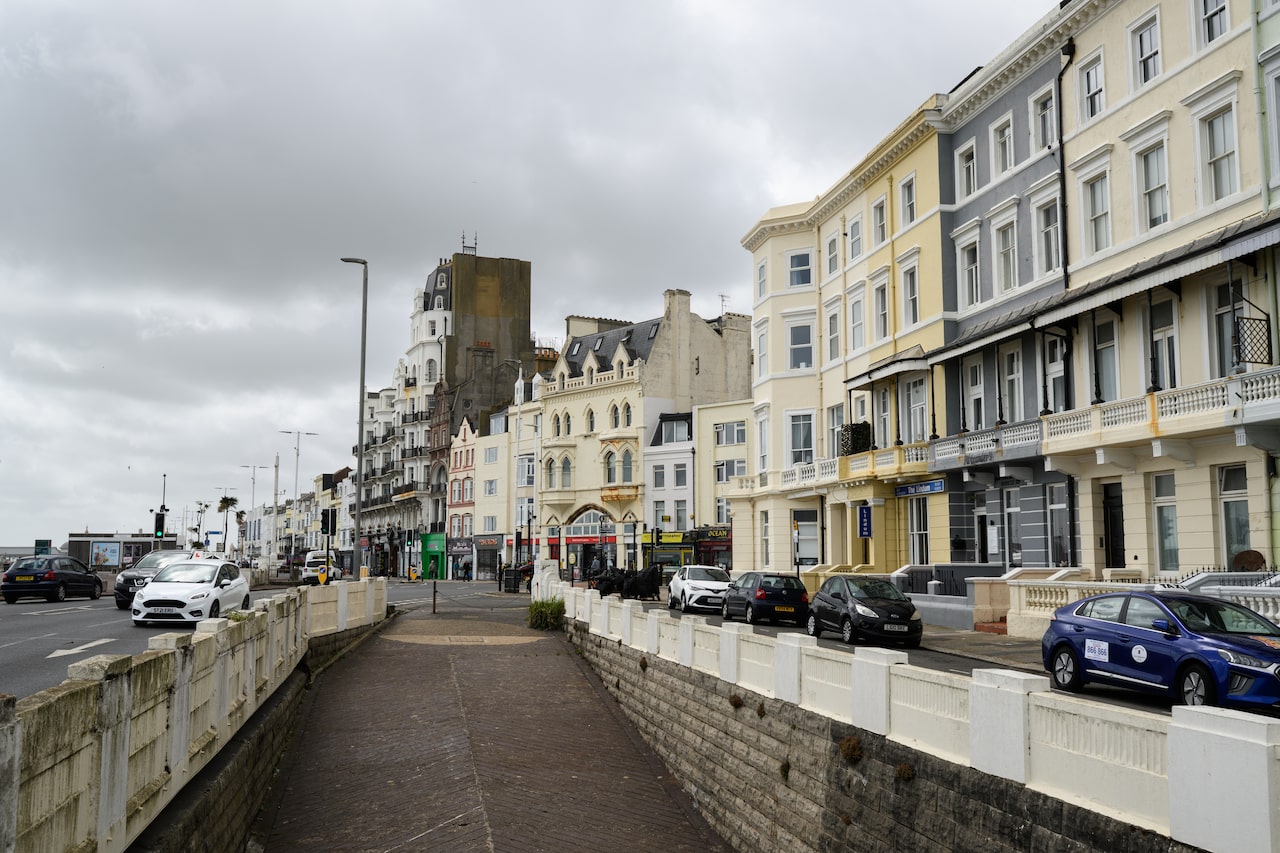
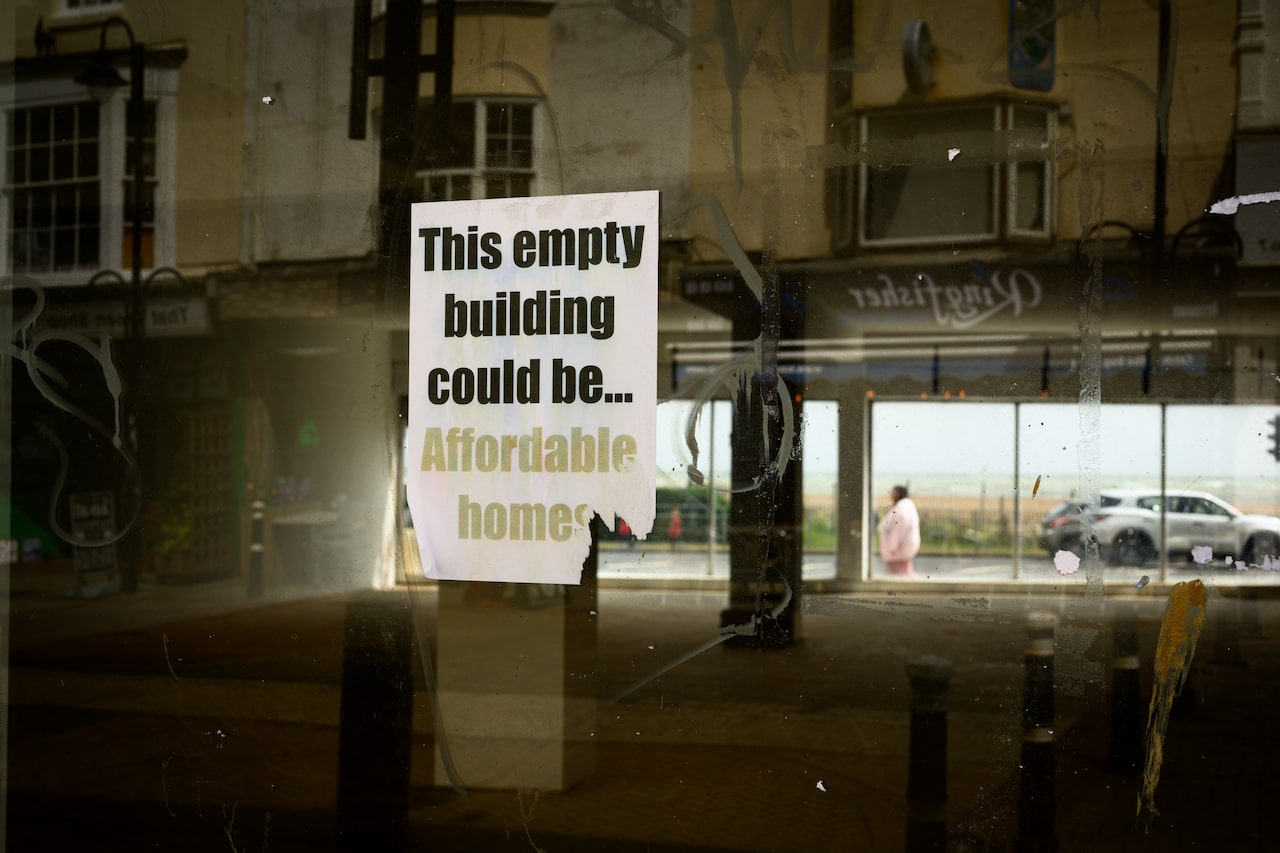
Julia Hilton is the Hastings councillor responsible for regeneration and community wealth building and recently became deputy leader of the new Green majority council. She has watched Hastings decline over the past six years to the point where it’s now ranked the 13th-most deprived town in England. It’s a postindustrial place whose seaside charm masks large populations who are physically isolated in sprawling public-housing estates with no available employment.

Hastings councillor Julia Hilton has watched the historic seaside town slide into decline in the post-Brexit years. She says the new approach to recovery is to create tangible change in one neighbourhood at a time as funds allow.Justin Griffiths-Williams/The Globe and Mail
“It’s worse now than it was before 2020,” she said. “In terms of access to housing, we are the worst in the country. Lots of money has come in, but it hasn’t made a difference to those figures, and that’s what’s got to change.”
There is a shared realization that neither the EU nor London are going to fix Hastings, she says, and the new approach is not to transform the whole city into something it isn’t but rather to fix one neighbourhood at a time. “We’re using the bits of money that we have to work in a much more hyper-local way in those slightly forgotten communities, doing what we call planning for real.”
There are plenty of factors other than Brexit that have hurt places like Hastings. Environmental damage has hurt fishing; postindustrial transition and the loss of European tourism have hit the town’s businesses; COVID-19 was especially bad for its low-income population.
What has changed in the past 10 years is that nobody believes any more that a single act will transform the entire nature and function of the city, 1066-style.
“There were lots of flags being waved in terms of voting to get us out of Europe and all these lovely things that were going to happen,” Mr. Bownas said. “I have yet to see anybody who has been able to point to an actual Brexit benefit. That is the rub.”
It’s not the entire Bayeux Tapestry that’s coming to Britain. It was originally woven, probably in England, as an 80-metre-long narrative depicting the full Norman Conquest. But the final 10 metres disappeared many centuries ago, leaving its story hanging, unresolved, forever in Hastings.
Like the city itself, it leaves us wondering what might come next.