High above the blood-soaked streets of Port-au-Prince sits Haiti’s only golf course.
The manicured greens and fairways of the Petionville Club, perched on a hill overlooking the city, are partially owned by the businessman Reynold Deeb, a major importer of consumer goods.
When the Canadian government was evacuating some of its citizens last March because gangs had taken over the capital, killing thousands and displacing half a million others, the embassy approached Mr. Deeb about using his property as a helipad. He graciously obliged.
“We have diligently done our best to make this delicate and dangerous operation a total success,” Mr. Deeb wrote to Canadian consul Catherine Brazeau. The operation was delicate in part because, just over a year earlier, Global Affairs Canada had accused Mr. Deeb of financing gangs – the same ones its citizens were now fleeing from his golf course. He was placed on a sanctions list that forbade Canadians from doing business with him.
Canada ultimately added seven more members of the Haitian elite to its sanctions list for colluding with organized crime in the country. They belong to the dozen or so families of European or Middle Eastern descent who largely control Haiti’s impoverished economy, and are now blamed by many citizens and international bodies – including the United Nations – with helping sow its brutal harvest of gang violence.
Haitians have many colourful nicknames to describe these people and their influence. Some call them the BAM BAM, an acronym for six leading business dynasties – the Brandts, Acras, Madsens, Bigios, Apaids, and Mevs. Others call them the bourgeois, or simply the oligarchs.
While the roles of foreign powers such as the U.S. and corrupt Haitian politicians like the Duvaliers are well known in the country’s story, the oligarchy has received little attention outside of Haiti. But now that bodies litter the streets of Port-au-Prince, an international police force attempts to restore order and a new Prime Minister tries to establish his authority, the question of how the country spiralled into such chaos is more urgent than ever.

Police in Port-au-Prince are up against a well-armed and organized network of gangs that have seized much of the capital, and many civilians have died in the clashes between them.Goran Tomasevic/The Globe and Mail
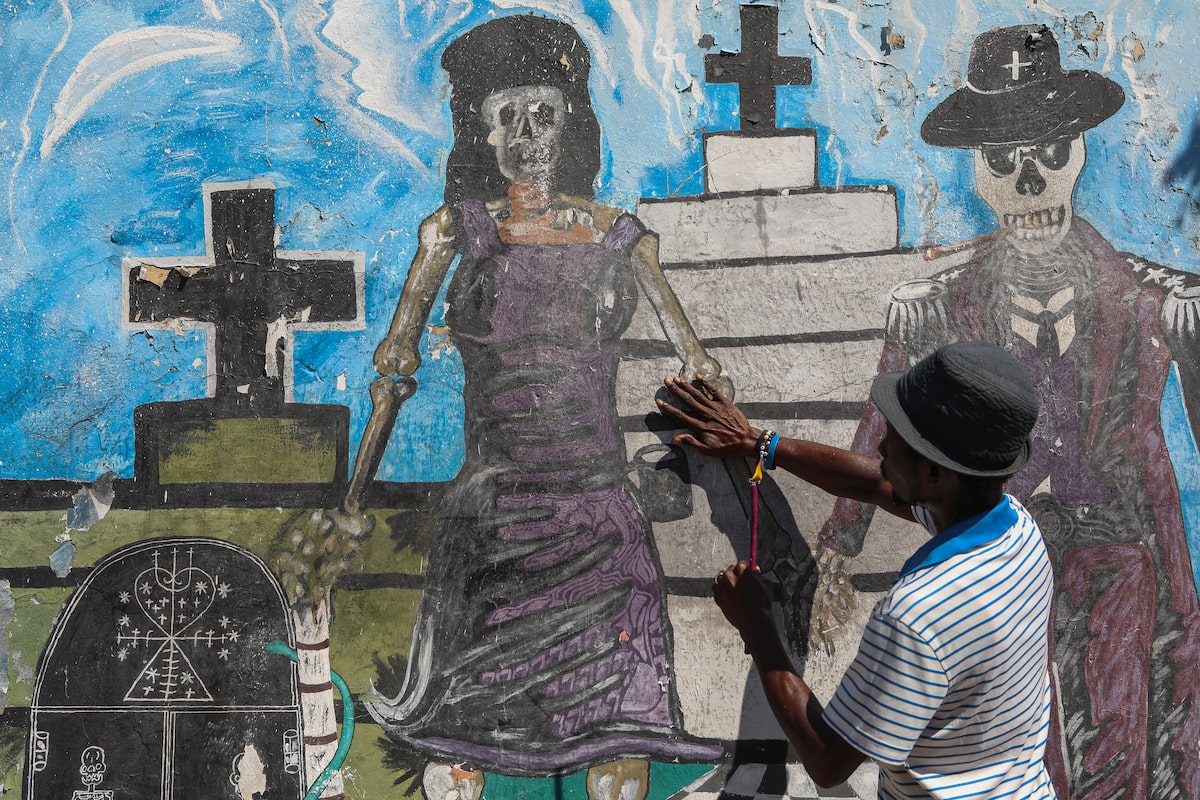
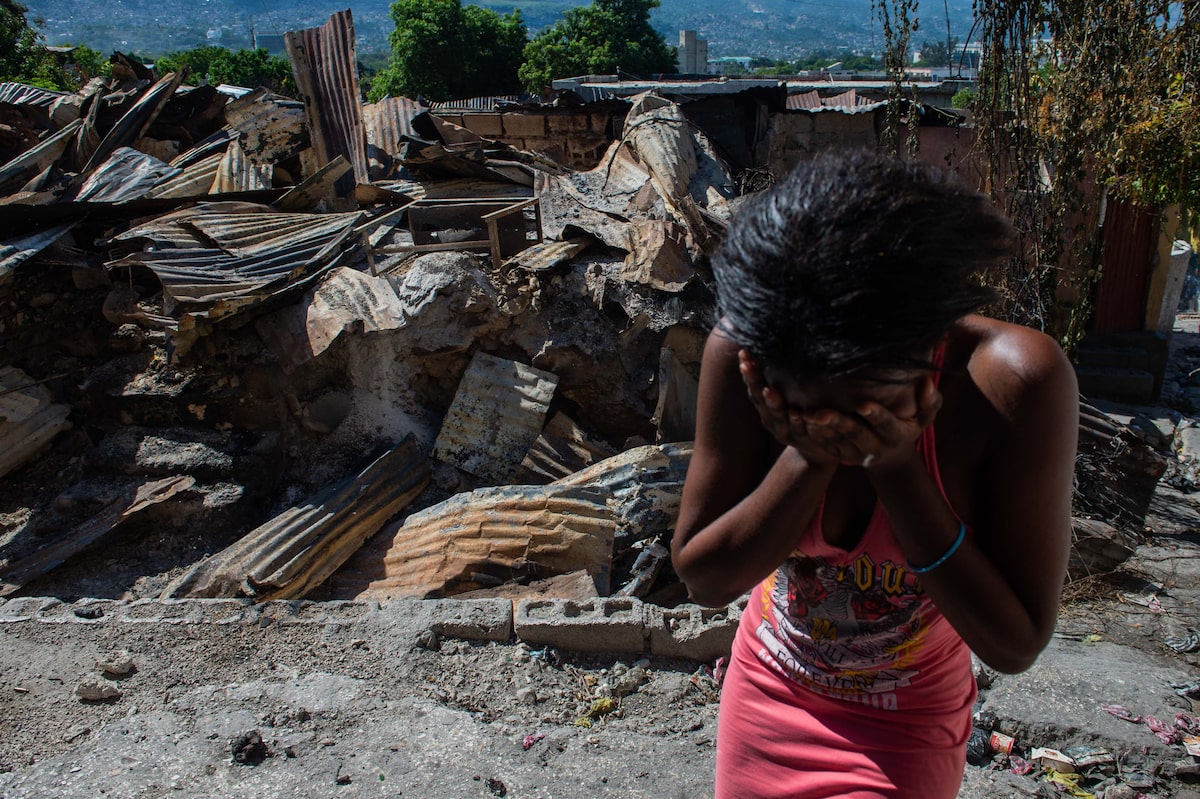
Although members of the Haitian upper class deny the accusations against them, close observers of the country say a rapacious economic elite is a significant and mostly hidden part of the answer. By dodging taxes, financing politicians and funding gangs as private militias, a small group of business leaders have helped fuel the country’s current crisis. “I guarantee there is a positive integer of oligarchs who have used the gangs for security and paid them,” said Dan Foote, the U.S. Special Envoy for Haiti from July to September, 2021. “They’ve been running the country for at least 120 years.”
The business leaders at the centre of this story have all denied the allegations made against them by the Canadian government and others. Reynold Deeb said in a response to The Globe and Mail that Canada’s claims “are false and have been made without any evidence, just rumours and the Haitian equivalent of tabloid articles.“ The former shipping magnate Marc-Antoine Acra said his business empire has been destroyed because of the sanctions. Gilbert Bigio’s lawyer wrote: “Any statement or implication that Mr. Bigio has any connection to or bears any responsibility for financing gangs, gang violence, arms dealing, tax evasion, murder or any other crimes in Haiti or elsewhere is false and defamatory.“
The accusations against individual members of the private sector, which span decades and cover most of recent Haitian history, are in some cases difficult to prove. But dozens of interviews with scholars, former government officials and civil society actors – along with hundreds of pages of court documents and leaked financial and diplomatic records – reveal how the country’s economic elite helped turn Haiti into a failed state.


Haiti was born from the ashes of the world’s only successful slave revolt and was established as the world’s first Black republic in 1804.
By the turn of the 20th century, however, the “Pearl of the Antilles” – as Haiti was once known – began attracting some of the European and Middle Eastern immigrants who were reshaping economies across Latin America.
By 1910, roughly 200 German families controlled a large share of Haiti’s international trade, while Levantine merchants did so well that a popular movement arose to expel them from the country, successfully in some cases.
The economic clout of these newcomers was further entrenched in the decades that followed. The U.S. occupation of 1915 to 1934 dispossessed many of the Germans but empowered Lebanese and Syrian entrepreneurs who had in some cases become the local agents of American corporations.
The dictatorship of François “Papa Doc” Duvalier, beginning in 1957, gave the growing Syro-Lebanese elite a further leg up. In his campaign against the existing mixed-race ruling class, the dark-skinned Mr. Duvalier offered preferential treatment to immigrant families.
Marc-Antoine Acra – the descendant of Lebanese merchants who had been in Haiti since 1918 – told the French newspaper Le Monde in 2012, “The country was always run by the descendants of Europeans. It was Duvalier who bet on us. We owe him a lot.”

François (Papa Doc) Duvalier ruled Haiti for for 14 years until his death. His son and successor, Jean-Claude Duvalier, was dubbed Baby Doc.AFP via Getty Images
By the 1970s, families like the Bigios (originally from Aleppo) were prospering in the export of cotton and cacao, while the Apaids of Tripoli were expanding their textile holdings. Fritz Mevs, whose family was from Hamburg, had purchased the massive Haitian American Sugar Company.
These newly minted power brokers collaborated with the autocratic Mr. Duvalier, whose fearsome Tonton Macoute paramilitaries killed and tortured thousands of political opponents. U.S. diplomatic cables from the late 1970s published by Wikileaks show how closely Mr. Mevs worked with Jean-Claude Duvalier, Papa Doc’s son and successor, urging him during one private dinner to fire a progressive minister who was seen as “anti-business.”
Monopolies were common in this corrupt and tight-knit business world. Taxes and import duties were often seen as easily avoided irritants. Eddy Deeb, Reynold’s brother, once admitted in a court deposition that it was “possible” he manufactured fake customs stamps to smuggle goods onto the island. An archipelago of offshore bank accounts belonging to Haitian businessmen, including Gilbert Bigio and the brewer Raymond Jaar, shielded wealth earned in Haiti from the country’s depleted state coffers, according to the Pandora Papers leak.
The BAM BAMs enjoyed a lifestyle most Haitians could only dream of: armoured SUVs, second and third homes in Florida and France, tuition for their children at McGill University and the University of Miami.
Some became astoundingly wealthy. The family of Mr. Bigio, an elderly construction tycoon, came to own a $30-million mansion on a private island in Miami known as Billionaire’s Bunker, where his neighbours now include Jeff Bezos and Ivanka Trump.
The contrast between such luxury and the poverty of the majority could be head-spinning. William O’Neill, a UN official who began working in Haiti in the late 1980s, recalled visiting homes in the exclusive parts of the Pétion-Ville suburb and marvelling at the inequality on display. “You can think you’re in the south of France,” he said. “You enter these grounds, manicured lawns, very high walls, servants everywhere, satellite dishes, the finest foods, the finest wines, and then right outside those walls there are three women crouching with a sack of peanuts with sewage all around them.”

Soldier take control of the Haitian legislature during 1991's coup against Jean-Bertrand Aristide, whose reformist anti-poverty policies put him at odds with the wealthy elite.Steve Starr/Corbis via Getty Images
But the fast times of the Haitian upper class were about to hit some turbulence. When business leaders supported the 1991 military coup against the democratically-elected president Jean-Bertrand Aristide, the U.S. sanctioned dozens of them, including Mr. Bigio, Mr. Mevs, and Mr. Apaid.
It was not so easy to weaken their hold on the Haitian economy, however, since they owned virtually everything of value in the country, and even providing aid often meant doing business with them.
When the U.S. intervened again in 1994, this time to restore Mr. Aristide to power, some wealthy Haitians were able to make a profit provisioning the same government that had just sanctioned them. The Mevs family, who owned a private port, leased land to the U.S. military for fuel storage and to bivouac troops.
With the embargo in place, some dynasties shifted their profit centres overseas, including to Canada. Roger and Raymond Jaar, Haitian entrepreneurs of Palestinian descent who once held the country’s Coke bottling monopoly, founded Montreal’s Les Brasseurs RJ brewery in 1998.
The Jaars did not respond to repeated requests for comment sent through Les Brasseurs RJ.
The Central Intelligence Agency branch chief in Haiti in the mid-1990s, Fulton Armstrong, saw clearly that the U.S. intervention had not dislodged the local oligarchy. When there were blackouts in Port-au-Prince, he would look up at the lofty heights of Pétion-Ville and see “these brilliantly lit chalets,” with blue and white mercury lights dancing in the darkness, powered by private generators.
Mr. Armstrong began drawing diagrams of the connections between these top families, soon realizing they intermarried as much as any European aristocracy. He also observed that the elite was not afraid to use violence to retain its grip on power, hiring “goons” to go into slums and scare political opponents.
“The moment you have warfare, these people can go out and buy any gang they want,” said Mr. Armstrong, now a lecturer at American University in Washington.

Mr. Aristide took the presidency again in 2001, which would lead to more frictions with business leaders who wanted him gone.Hector Mata/AFP/Getty Images
The emergence of organized crime as a major force in Haiti was in some ways organic, given the country’s desperate poverty, and was arguably fuelled by politicians like Mr. Aristide, his critics have long charged. But the private sector played an underrated role in giving rise to the Haitian gangland.
Some accounts suggest members of this class were indeed working directly with gangs to thwart their rivals. With Mr. Aristide back in power, many business leaders openly opposed the populist leader. The government had recently announced a minimum-wage increase that would have disrupted the business model of the Apaid family’s garment empire in particular.
In July, 2003, André Apaid arranged to pay the notorious gang leader Labanye US$30,000 to attack Aristide supporters in the Cité Soleil slum, according to a contemporary report by the University of Miami’s Center for the Study of Human Rights.
The American lawyer Thomas Griffin, who authored the report, interviewed other gangsters who were in the room when the pact was sealed.
“Apaid asked the young men to become the violent arm of his movement to undermine the elected government, and to crush the democracy movement in Cité Soleil,” he wrote.
In a WhatsApp message to the Globe, Mr. Apaid wrote: “Statements contained in the report you refer to are totally false.”

André Apaid confers with U.S. diplomat Roger Noriega in 2004, after the opposition rejected a power-sharing peace plan that would leave Mr. Aristide in office.JAIME RAZURI/AFP via Getty Images
The power of the bourgeoisie sometimes constituted a kind of shadow government, seeking to replace the state when it wasn’t working to undermine it. When gangs were fomenting insecurity in the ports in the mid-2000s, a group of local businessmen began funneling guns and ammunition directly to the police to protect their interests.
Reginald Boulos, president of the Haitian Chamber of Commerce, was the alleged ringleader of the initiative and urged other entrepreneurs to join him “in order to provide cover for his own actions,” according to U.S. diplomatic cables from 2005 published by Wikileaks.
In a phone call, Mr. Boulos denied this, and said he had never had any involvement in the arms trade.
His fellow tycoon Fritz Mevs blew the whistle about the scheme to the U.S. embassy, complaining that the porous border between the police and the gangs meant that there was no guarantee the weapons were ending up in the right hands, and that “funneling the arms secretly would only serve to reinforce rumors that the elite were creating private armies,” according to the cable.

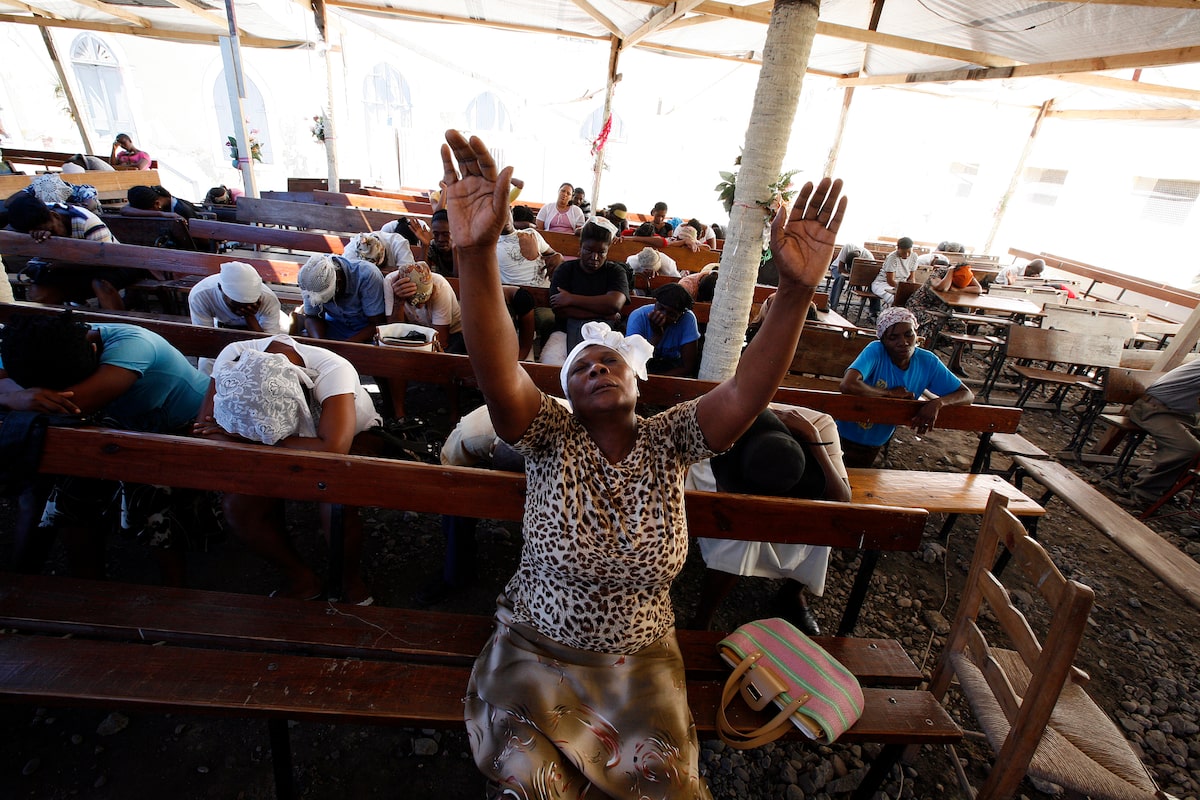
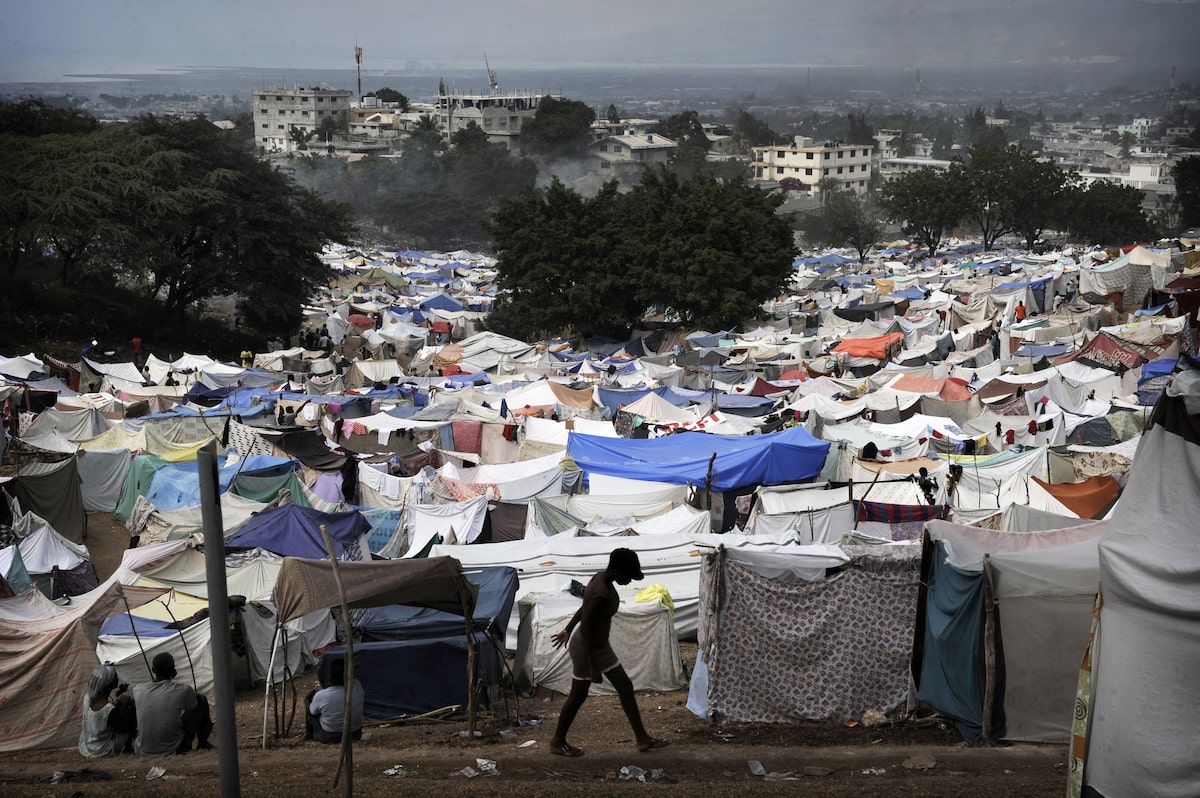
Haiti’s devastating 2010 earthquake only solidified the oligarchy’s grip. The country’s business dynasties lost money in the catastrophe but they were well positioned to capitalize on rebuilding efforts.
Construction and dredging contracts worth tens of millions of dollars flowed to the powerful Vorbe family and Bigio conglomerates, while the Apaids benefited from a new U.S. law exempting certain Haitian imports from tariffs. As André Apaid’s son Clifford told Le Monde in 2012, speaking of a natural disaster that killed more than 200,000 of his countrymen, the earthquake was a “beneficial tragedy” for his family.
The weakened institutions of post-earthquake Haiti saw even more brazen lawlessness on the part of the country’s elites. Reynold Deeb secured his choice of customs officials posted to multiple ports of entry around 2011, using his control over these functionaries to evade taxes by under declaring and mislabeling contraband goods, according to a report from a UN Security Council panel of experts in September, 2023. A former customs official named Milien Anglade estimated, in a widely circulated op-ed, that the government was losing out on $900-million a year in revenue through contraband because of this arrangement.
(Mr. Deeb responded with outrage to the Security Council report. “These false allegations have not only had a negative impact on my honour and dignity, but also cause harmful prejudices and place my family and me in significant danger,” he said in a statement at the time.)

Marc-Antoine Acra, with his daughter in 2011, belongs to a family dynasty involved in construction materials, paper and food importing.Paolo Woods/The Globe and Mail
In 2015, a shipment of sugar from Colombia commissioned by the Acra family docked at the Mevs family’s private port in Port-au-Prince, only for longshoremen to discover an estimated 800 kgs of cocaine and 300 kgs of heroin.
A judge charged Marc-Antoine Acra with drug trafficking. But as the investigation was under way, president Michel Martelly named him a Haiti Goodwill Ambassador, and the case was ultimately dropped.
In a statement, Mr. Acra denied any involvement in the drug deal. “I would welcome an international investigation to uncover the truth. I have nothing to hide,” he added.
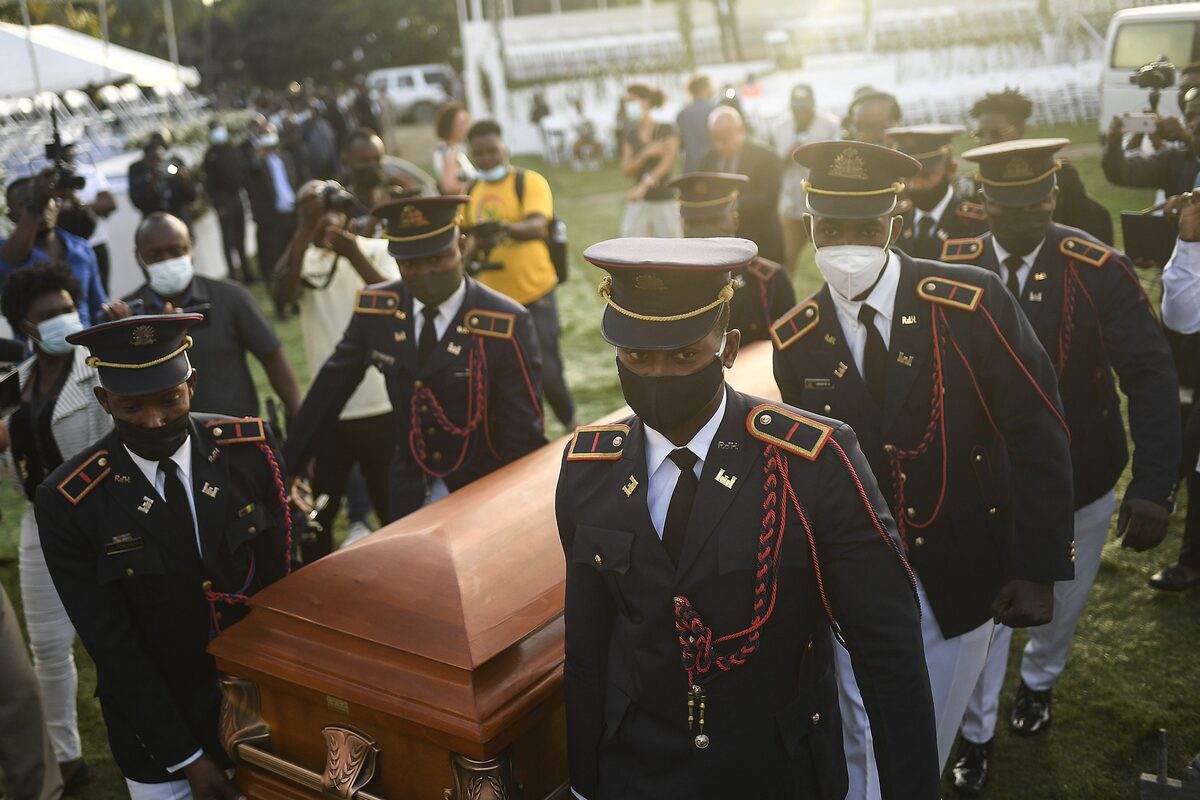
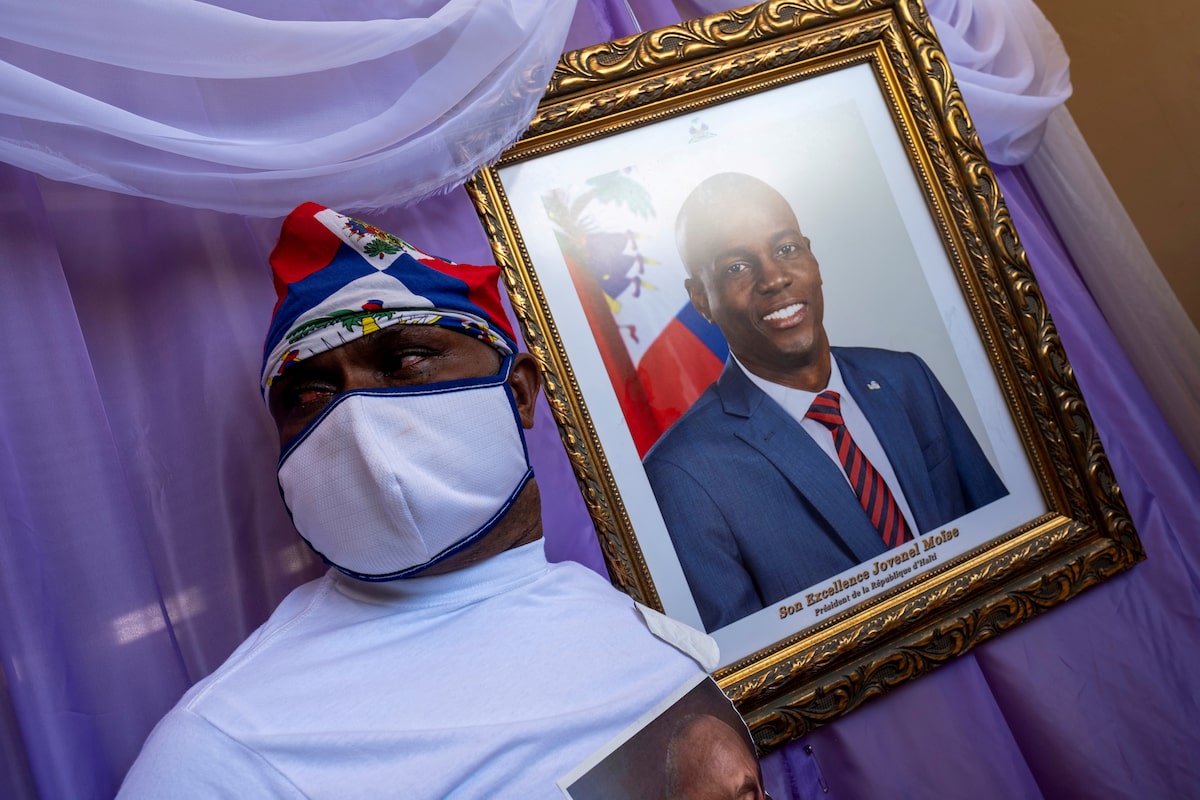
Security conditions have badly deteriorated in Haiti in the years since the drug bust. A turning point was the assassination of president Jovenel Moïse in 2021.
Although Mr. Moïse is alleged to have had his own ties to gangs and powerful business figures, he had taken to denouncing the power of the economic elite in speeches shortly before his death, linking the country’s current exploitation to its history of slavery. “After decades of systematic plundering of state property by corrupt oligarchs,” he said in one statement posted on social media, “the country needs a collective awakening.“
In July, 2021, a group of Colombian mercenaries burst into the president’s Pétion-Ville home and gunned him down. Reginald Boulos, along with other business leaders, was summoned by the country’s top prosecutor for questioning, although no charges were ever laid against Mr. Boulos.
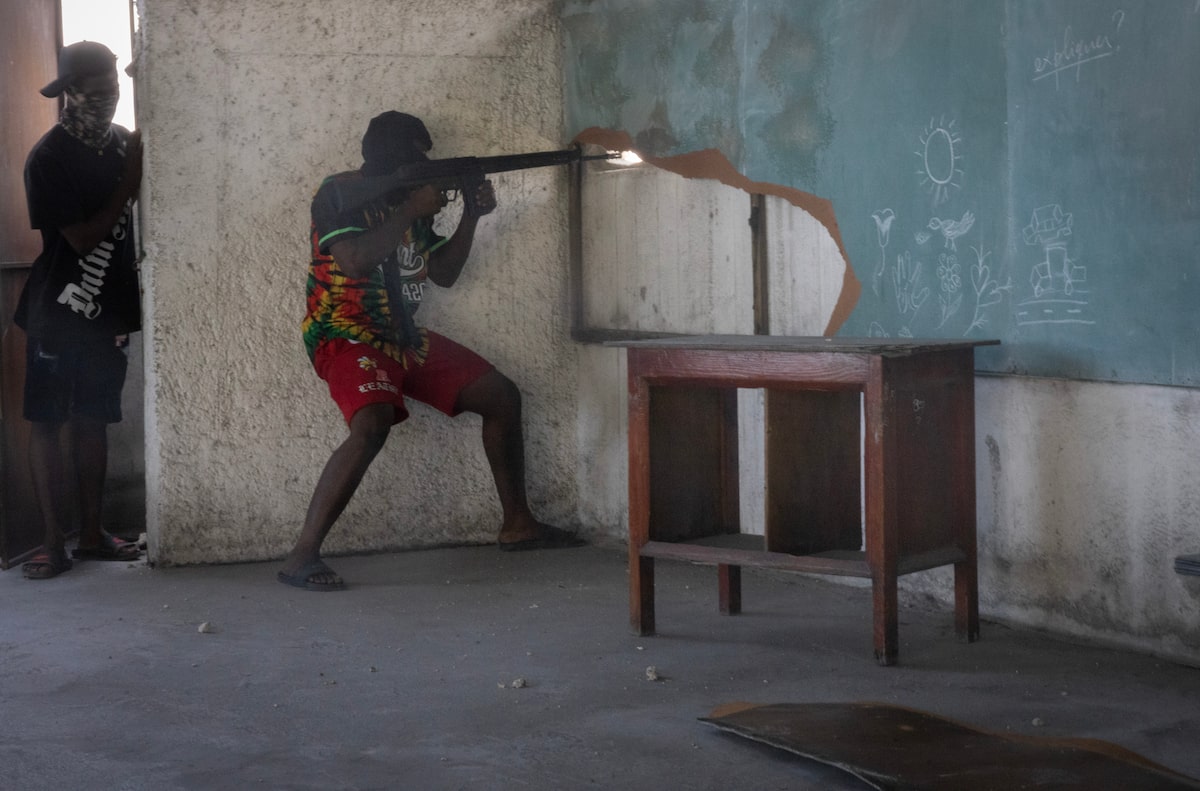
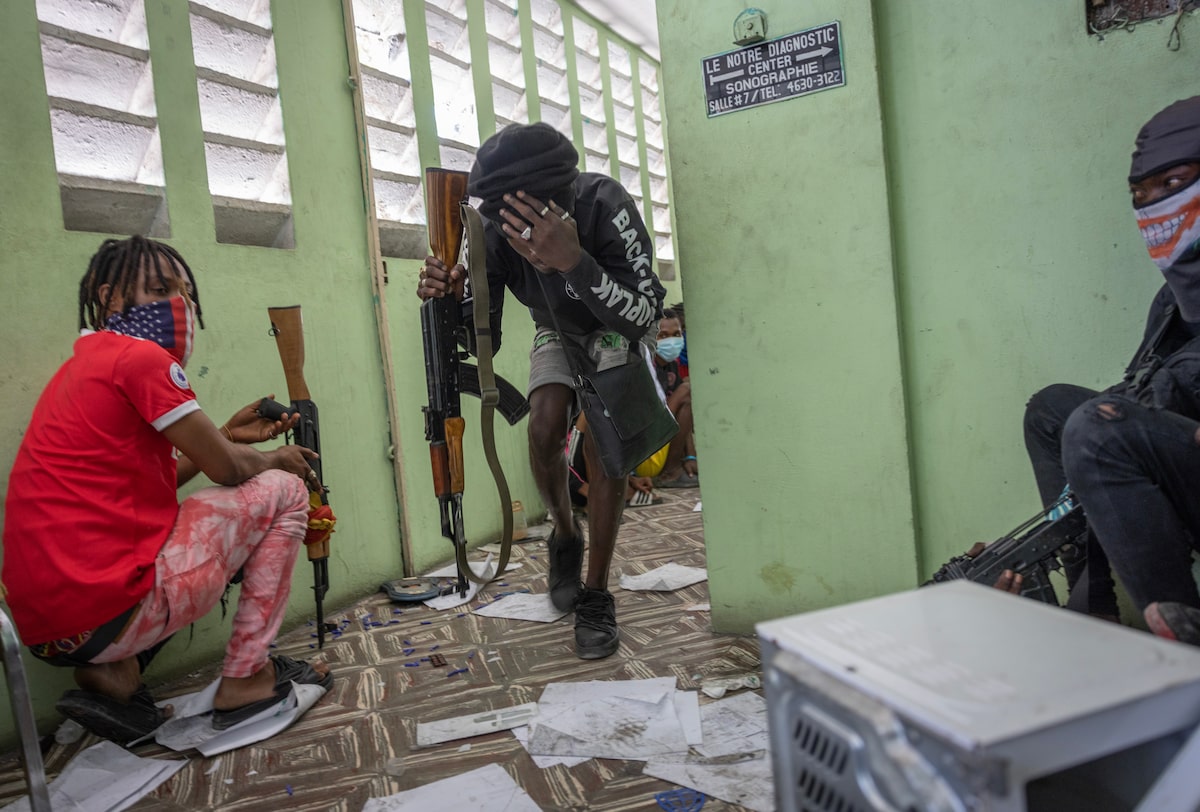
Gangs have effectively taken control of Haiti since the assassination, with about 80 per cent of the capital under their control. Today, most observers believe that even if business leaders were once complicit in funding the gangs, they are now at the mercy of the same armed men as everyone else.
“They funded these gangs until these gangs got their own income streams and now act with a high degree of autonomy and don’t really take orders,” said Michael Deibert, a researcher at the Lisbon-based Centre for International Studies and author of the book Haiti Will Not Perish. “It’s kind of like this Frankenstein’s monster.”
Some business leaders have become personally ensnared in the gang warfare, such as the Marzouka family, who employ about 4,000 people in manufacturing. Harold Marzouka Jr.’s father was kidnapped outside his office at dawn one morning last spring, forcing his son to pay a large ransom. Construction on a trauma hospital Mr. Marzouka is trying to build near Cité Soleil has been frozen since gangs demanded payment to allow work to continue.
“We’re victims, too,” Mr. Marzouka said in an interview.

Prime Minister Justin Trudeau confers with Jean Victor Geneus, then Haiti's foreign minister, in Tunisia in 2022, the year Canada added more wealthy Haitians to its sanction list.Sean Kilpatrick/The Canadian Press
The Canadian sanctions of 2022 sent further ripples of unease through the intimate world of Pétion-Ville society. Appearing on the sanctions list of a reputable country like Canada can make it hard to do business around the world.
At least one tycoon has already had their Haitian credit card frozen, while others are worrying about the implications for future shopping trips in Miami or for sending their children to university in Paris, Mr. O’Neill said.
Marc-Antoine Acra, the former shipping magnate, said in a phone interview that he had to “literally get out of all the businesses I was involved in” because of the Canadian sanctions and that “all my money was blocked.” He is seeking more information from the federal government about the case against him so he can publicly defend himself, but feels legally contesting the sanctions is futile.
Some business leaders, including Mr. Bigio and Mr. Deeb, have challenged their placement on the sanctions list in the Canadian courts. None have so far succeeded.
Last March, on the same day Canadian helicopters took off from Mr. Deeb’s golf course, Minister of Global Affairs Mélanie Joly refused his request to be removed from the sanctions list. She alleged that he has benefited from tax evasion on some of the goods he imported into the country through his relationship with the allegedly corrupt former director of customs; that he influenced the appointment of public port officials; that he “likely financed a gang leader to wage a trade war” against competitors; and that according to evidence gathered by a UN Security Council panel of experts, he has used gang members to pressure customs officials at the ports.
In a statement, Mr. Deeb denied the government’s accusations, stating that he and his companies have paid millions in taxes and customs duties in recent years, and that his only payments to gangs have been ransom payments to free kidnapped employees.

With the old power structures undermined, leading business figures have been trying to reposition themselves in Haiti’s new reality. Some even say they are trying to make amends.
Jean-Paul Faubert, a long-time Haitian executive with the delivery giant DHL, wants to change the perception that Haitian elites do little to build up civil society. In the spring of 2022 he met with some of the sons and daughters of the tycoons to understand where they wanted to take the country.
“I told members of all these big families, the system in Haiti doesn’t work, it’s crumbling. I told them the economic elite in Haiti has a responsibility to be involved in society. I told them, the time has come to break with the past, to ignore what our parents told us,” he recalled in an interview.
That summer, Mr. Faubert organized a retreat in Miami and hired American business consultants to facilitate discussions about a collective vision for Haiti. Younger titans of industry were present, such as Harold Marzouka Jr. and Reuven Bigio, the son of Gilbert. They agreed to fund a think tank, the Institut Macaya, that would develop a plan for Haitian development.
“That’s the state of mind of that elite right now,” Mr. Faubert said. “They recognize their mistakes, they recognize their responsibility, they recognize their silence, because silence can be a kind of guilt, and they’re ready to be involved in the renewal in Haiti.”
Of course, renewal takes time, and old habits die hard. As violence rippled out from the slums of the capital this summer, residents of privileged districts made special security arrangements with the country’s beleaguered law enforcement officers.
“The rich people up on the hill are buying ammo for the police,” said Dan Foote, the former U.S. envoy, “and getting them to protect their neighbourhoods.”

Goran Tomasevic/The Globe and Mail
Haiti in crisis: More from The Globe and Mail
From our correspondents
For Haiti’s children, servitude in gangs and death on the streets leave little room for a future
To cover Haiti, our photographer had to face the dangers of getting there and the horrors he found
Haiti's thin line between normal life and gang warfare
Greetings from Springfield, Ohio, the city made famous by Trump's Haitian migrant myths
Commentary
Editorial: Haiti’s agony requires action from Canada
Robert Muggah: Haiti’s elites should be held accountable for backing gangs
Walter Dorn: Canada’s peacekeeping commitments have hit an all-time low