In photos

It takes Turks to tango

In Istanbul, a dance from South America sparks ‘conversation without words’

Reporting, photos by Francisco SecoIstanbul
The Associated Press

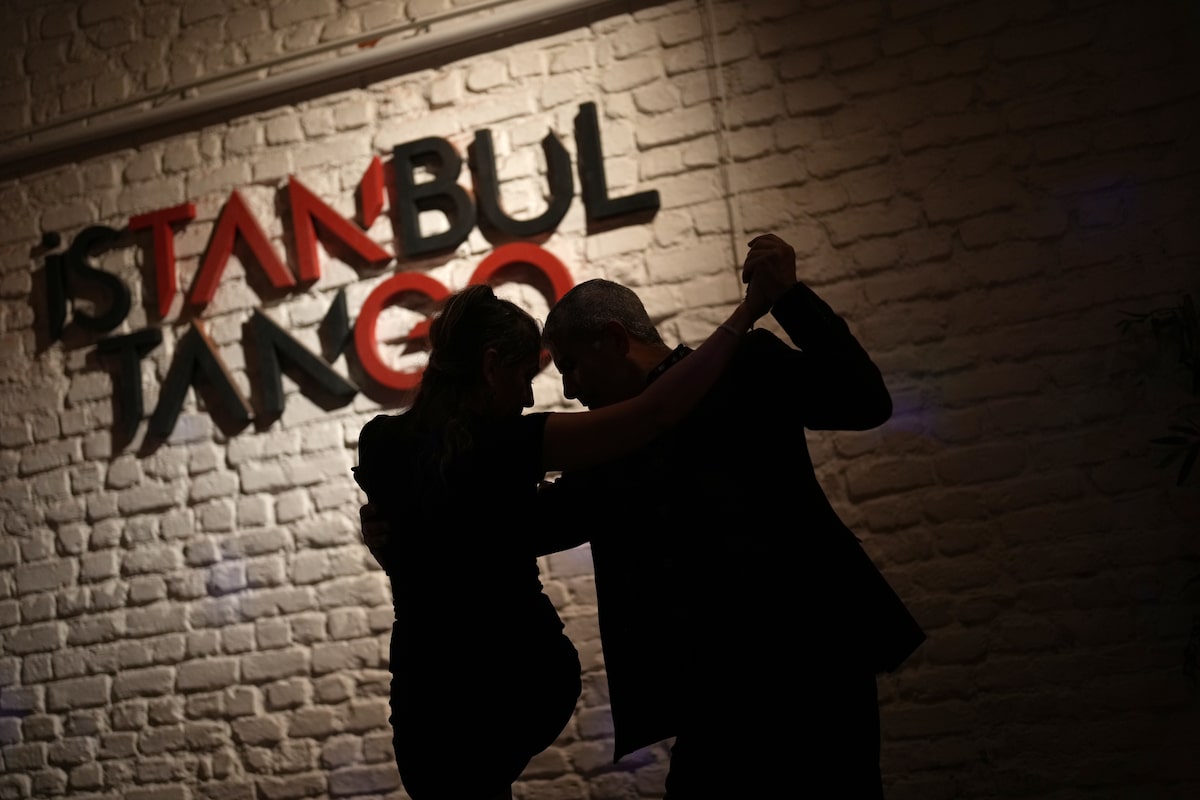
Far from tango’s birthplace in working-class districts and port areas of Buenos Aires in Argentina and Montevideo in Uruguay, dance enthusiasts in Istanbul have built a close-knit and passionate community.

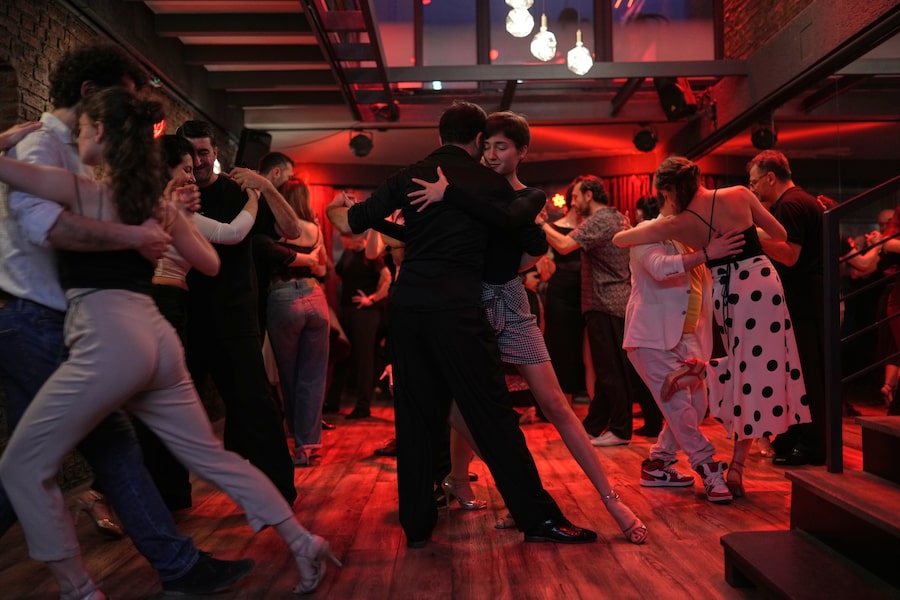
Every night, they gather at milongas – sessions of Argentine ballroom dancing – on both sides of this vast city that bridges Europe and Asia, drawn together by music, movement and the embrace of tango.

Turkish locals, foreign residents, visiting international teachers and travellers keep the dance alive while a multitude of dance schools and studios foster a vibrant tango scene.

Open this photo in gallery:

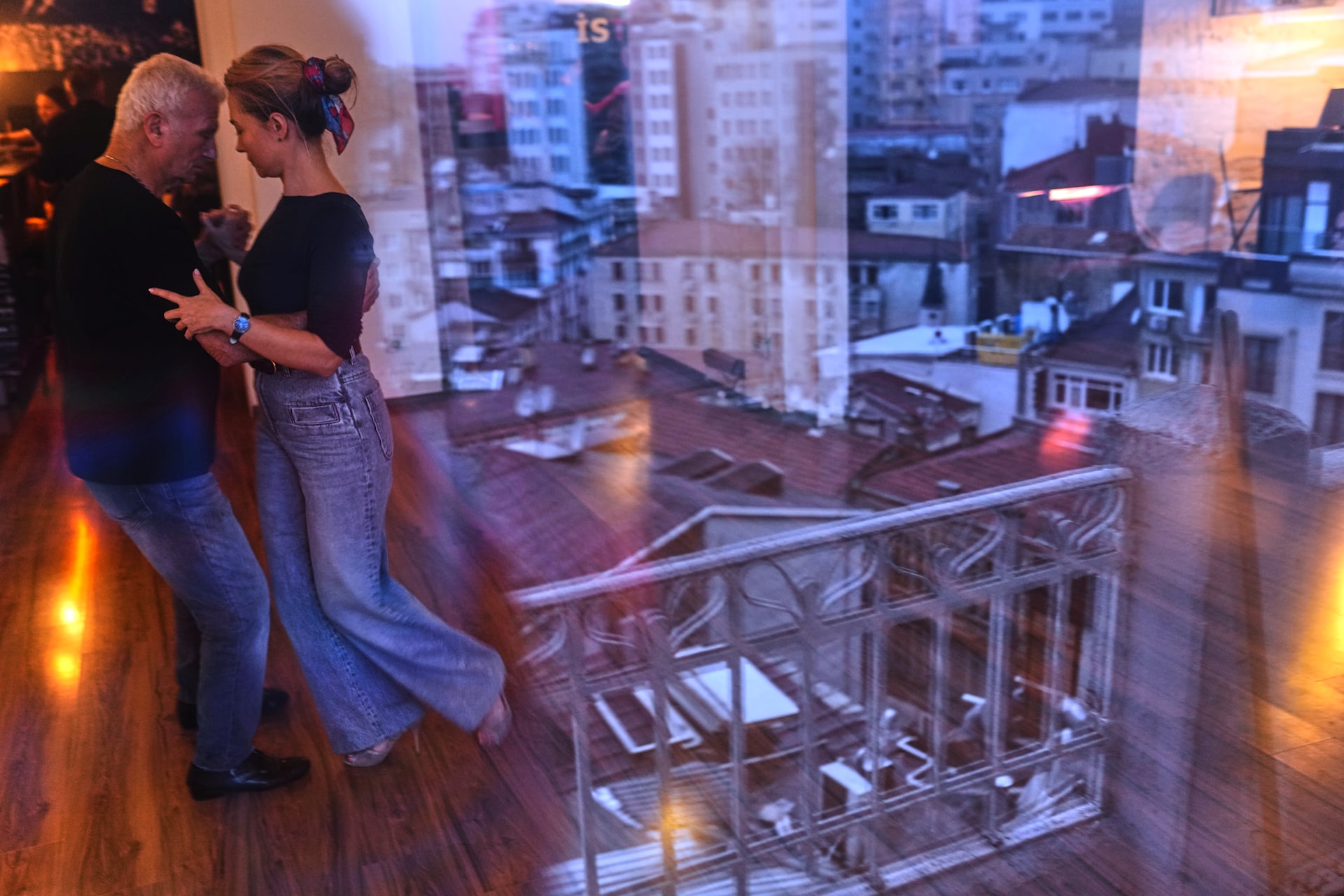
Gonca Cetin, dancing in the red dress with Guralp Diner, embraced tango so enthusiastically that she now teaches it.

Once a beginner and now a tango teacher, Gonca Cetin describes the city’s tango community as both diverse and welcoming. “It’s possible for everyone to find a tango environment that suits them. There’s a constantly growing and developing community,” she says.

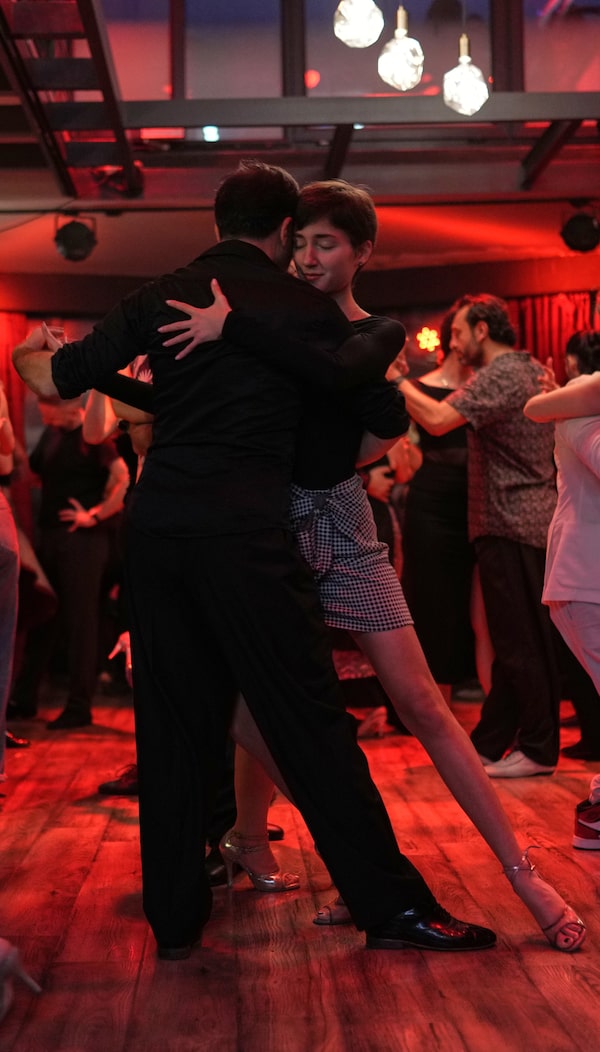
At Istanbul’s milongas, where changing dance partners is part of the tradition, friends and strangers eagerly share the dance floor.

“I believe tango is a conversation without words,” Ms. Cetin added. “What draws me to it is the unique balance between connection and freedom. Through music and embrace, I am able to communicate, create, and express my emotions in a way that feels both deeply personal and profoundly shared.”

A portrait of Mustafa Kemal Ataturk, founder of modern Turkey, watches the tango dancers at La Cumparsita in Istanbul. Ataturk and the dance are roughly the same age: When he was born in the 1880s, tango was just emerging in blue-collar immigrant neighbourhoods half a world away.
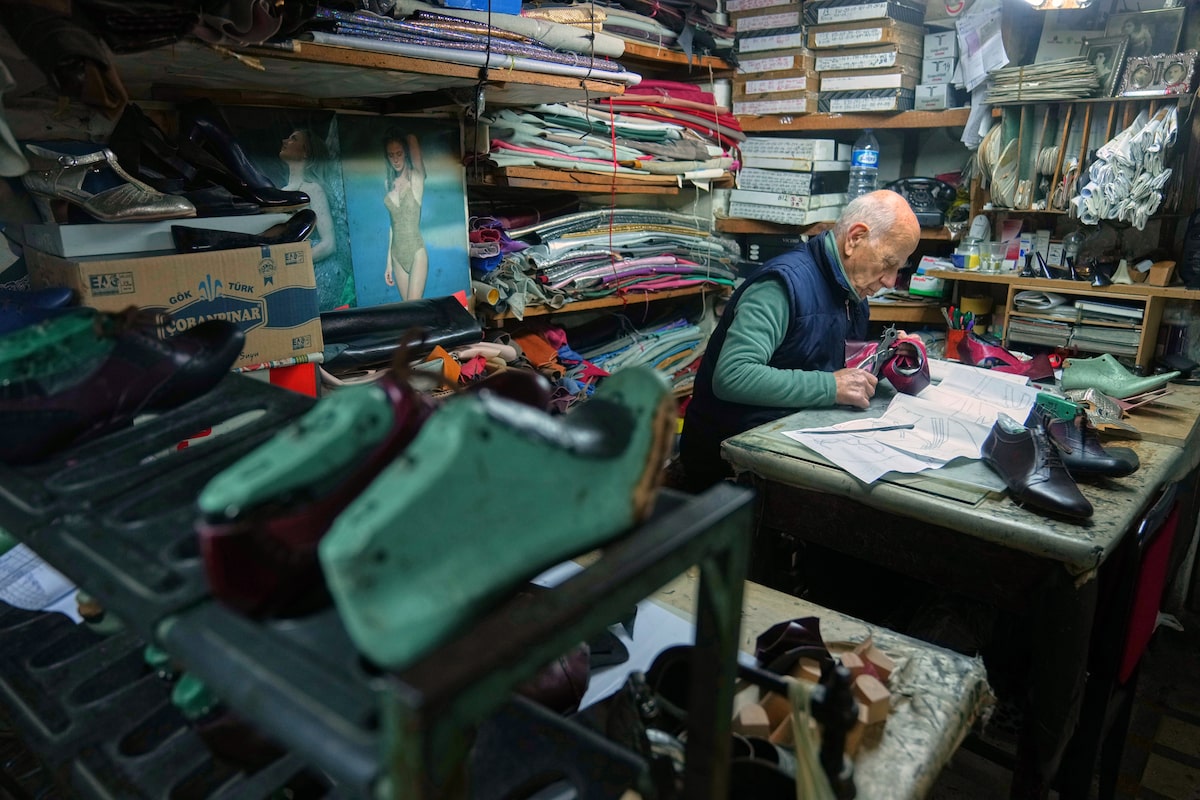
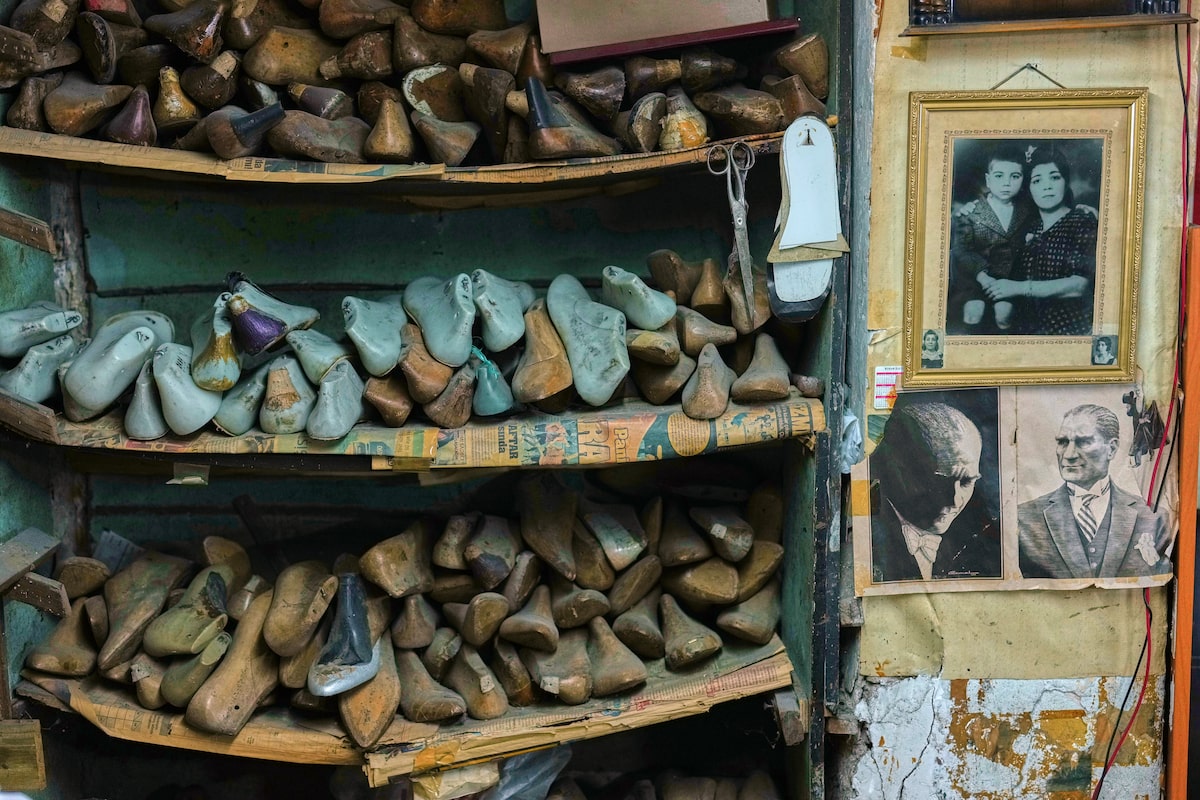
Ataturk’s face can also be found among the shoe moulds in Ercan Umay’s workshop, where the craftsman makes footwear for tango dancers. Turkey got its first introduction to tango early in the republican era, after it had caught on in fashionable European circles.
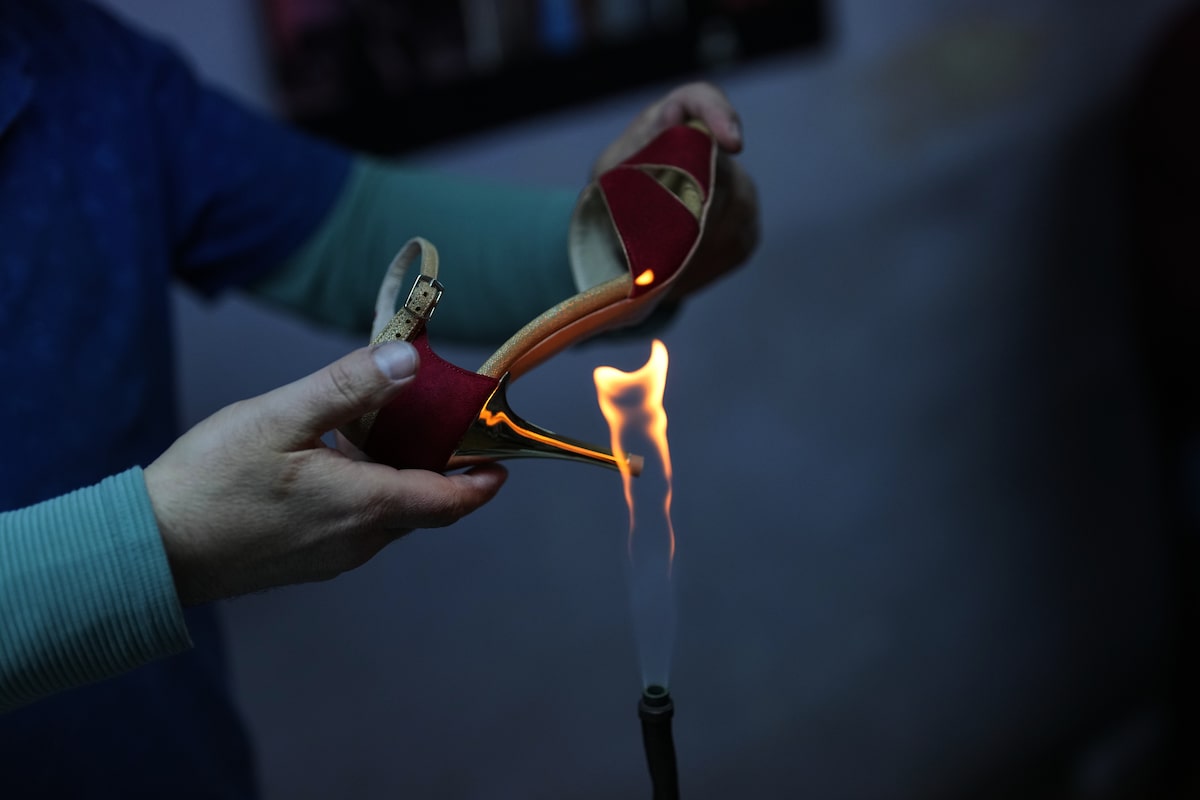
Tango shoes – like this one in production at Necmi Usta’s shop – must carefully balance style, durability and comfort. The ability to pivot is crucial.
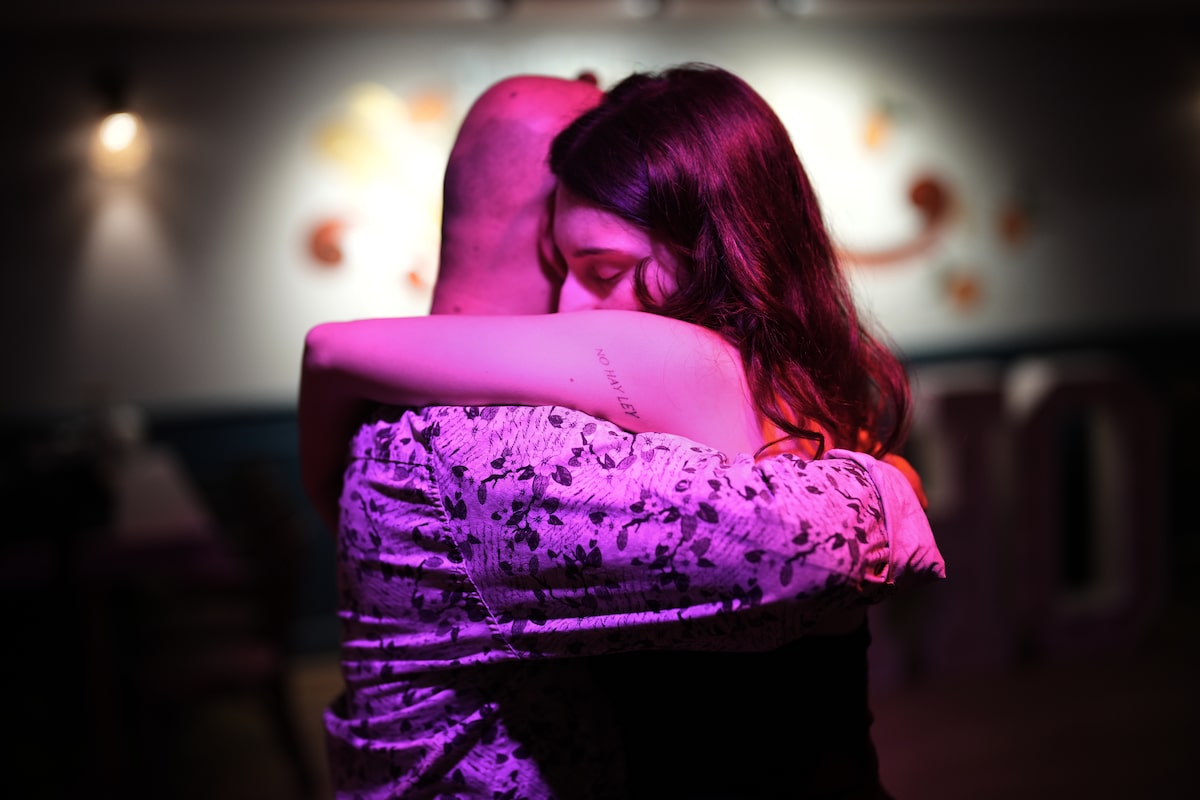
This dancer at Soho Tangoport has a tattoo reading ‘there is no law’ in Spanish. Milongas may not have written rules per se, but there can be complex unwritten forms of etiquette, called códigos.
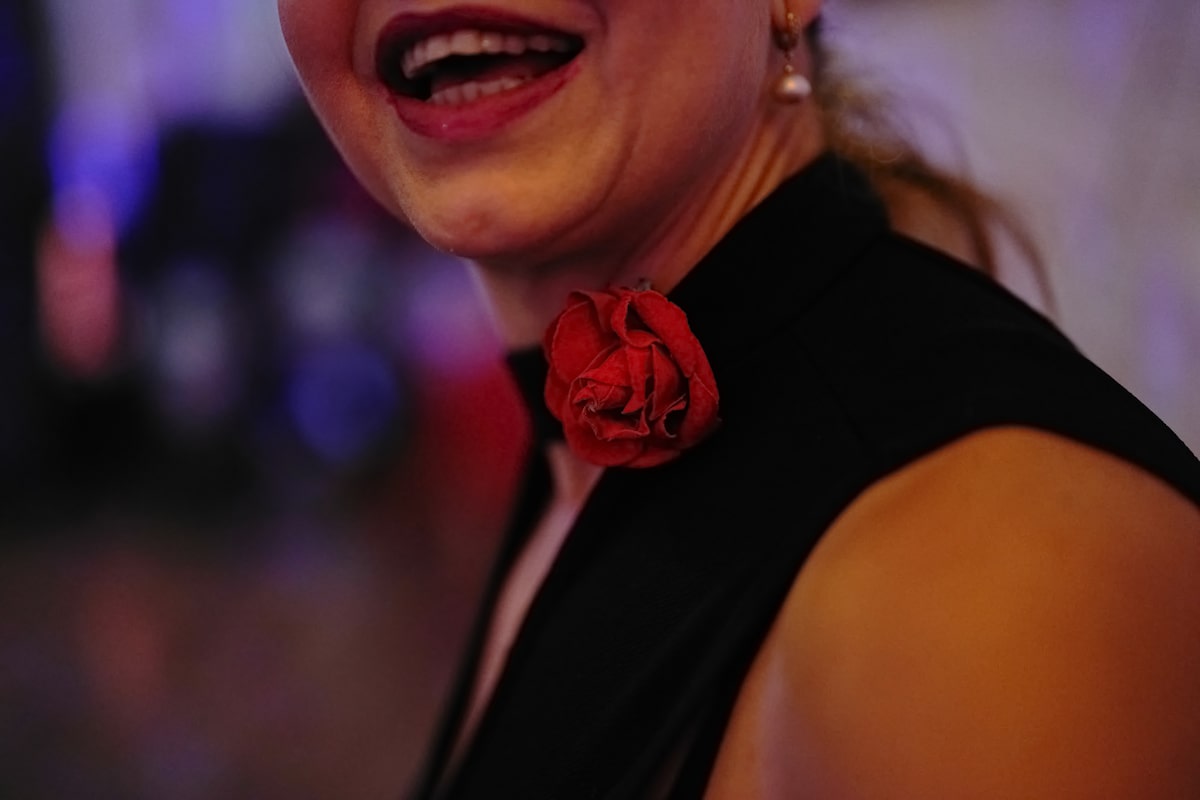
At the 333 studio, one of the dancers with a red rose is from Romania. People of all backgrounds enjoy tango in Istanbul, as they do in many cities far removed from the dance’s birthplace in South America.

Follow related authors and topics

Authors and topics you follow will be added to your personal news feed in Following.

Interact with The Globe

Trending