The rains that pound the southwest corner of the Olympic peninsula have nourished forests staggering in their size and, for the loggers who descended on this coastal part of Washington state in the late 1800s, lucrative potential. Even today, the tallest Douglas fir towers at nearly 100 metres.
Sitka spruce grow so broad here that it would take 11 sets of arms to encircle them. Early fellers attacked the fattest trunks in teams, minting millionaires and splintering the giants of the forest into the growth and ambition of an American century, with lumber that built houses, and timber products that held together Charles Lindbergh’s Spirit of St. Louis.
By the time a teenage DJ Jennings got his first job in a local log-sorting yard, people in Grays Harbor County, which reaches across the base of the peninsula to the Pacific, were boasting that their home was the lumber capital of the world. Mr. Jennings had reason to think he would, like generations before him, build a comfortable life from the forest. The hills around the city of Aberdeen, where he grew up, are dotted with sprawling mansions framed around old-growth timbers from another age.

DJ Jennings had hoped to break into the logging industry around Aberdeen, the largest city in Grays Harbor County.
But change was already coming, and Mr. Jennings’s forestry career was over nearly before it began. “I ended up getting laid off. I was 18 at the time,” he said. It was 1987. The year before, the U.S. Forest Service began to limit timber sales from forests populated by the spotted owl, a bird whose subsequent listing as an endangered species would keep loggers off large tracts of old-growth forest in the Pacific Northwest.
In Grays Harbor, the decades that followed brought deepening gloom. Employment has stagnated since the mid-1980s, even as it has more than doubled across Washington state. Median household income in the county lags the state figure by more than 30 per cent while poverty rates are now 40 per cent above the state level. Increases in opioid overdose deaths have far outstripped the state average.
The forestry changes prompted by spotted owl preservation are “responsible for the generational poverty that has beset this community, and for the politics of grievance that has set the stage for the rise of Trumpism,” said John C. Hughes, who wrote several books on the county’s history after retiring from a long career in newspapers.
Grays Harbor once numbered among the most reliably liberal enclaves in the country. Long a haven for unionized forestry workers, it voted for Democratic presidential nominees from 1928 onward, keeping faith with the party through the years of Eisenhower, Nixon and Reagan.
Then, in 2016, it stopped.
In the years since, this Democratic stronghold has become a Republican redoubt.
So have many others in the U.S. Across the country, 181 counties have traced similar electoral paths, each voting twice for Barack Obama before pivoting to Donald Trump in the following three elections. In November, Mr. Trump won voters in these pivot counties by a margin of 10.6 points, or nearly a million votes, according to Nathan Maxwell, a writer with Ballotpedia, a non-partisan political encyclopedia. That’s equivalent to nearly half of Mr. Trump’s margin in the national popular vote.

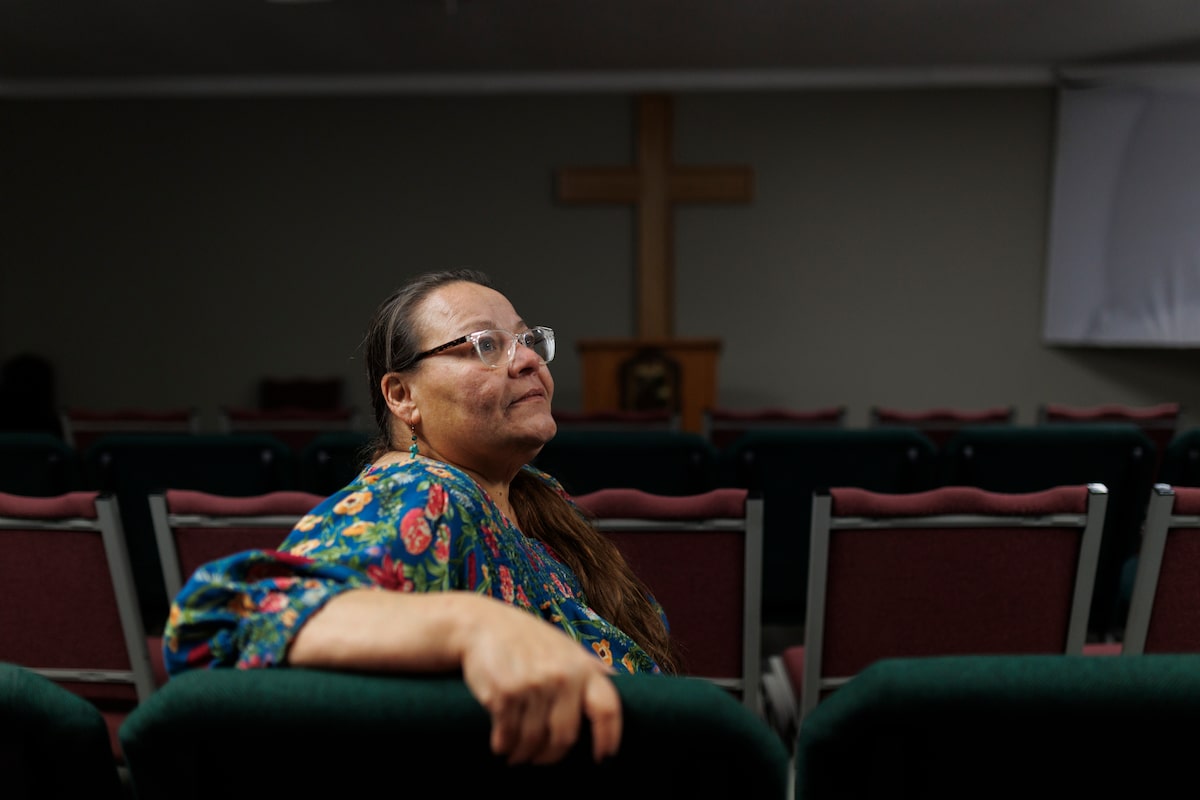
Roosevelt County in Montana, where this torn flag decorates a cemetery at Minisdah Presbyterian Church, is another region The Globe visited to learn more about Mr. Trump's new voter base. Many Sioux and Assiniboine people around here have pivoted to the GOP.

When Mr. Trump first triumphed in 2016, critics found easy grounds to dismiss the significance of his victory. He was a television personality with a talent for entertaining.
Now, Mr. Trump’s re-election has made clear that his ascendancy is part of a much larger remaking of the U.S. political landscape.
His return to the White House appears poised to bring upheaval on a scale the U.S. has not often seen. He is promising tariffs that will test national economic foundations, and deportations at an unprecedented scale. More recently, he has threatened to alter the global map by expanding the country’s borders, perhaps using military force.
In the pivot counties, disruption is exactly what many voters sought – a rejection of a status quo that has been years in the making.
These counties span the geographic breadth and demographic complexity of the country, speckling the Midwest, the Atlantic coast, the South, the foothills of the Rocky Mountains, the beaches of Florida and the deserts of New Mexico. Some number among the whitest in the U.S. In others, the population is dominated by Black and Hispanic Americans who joined other groups in voting in increased numbers for Mr. Trump.
The Globe and Mail travelled to three of them. Encompassing both the bayou and the grasslands where bison once again roam, homes to both a Montana bar used for Bible studies and a dilapidated downtown of a one-time Pacific Coast boomtown – these counties make clear that the rise of Donald Trump is as much a result of a changing America as it is a cause of it.
In some places, the transformation has been so sweeping that elected officials have swapped party allegiances midway through their terms. Once-reliable Democratic electoral strongholds, such as labour unions and Indigenous reserves, have thrown in their lot with Republicans. Together, their actions suggest an eroding faith in the liberal sensibilities, political priorities and market-driven economic structures that have long held sway over the U.S.
Cutting across them all are the anxieties of a middle class that has watched its well-being visibly erode.
Half a century ago, middle-income earners pocketed 62 per cent of earnings in the U.S. That has fallen to just over 40 per cent, a loss that accrued almost entirely to the richest Americans, according to Pew Research findings.
Meanwhile, geographic inequality – a measure of income differences between parts of the country – increased by more than 40 per cent between 1980 and 2021, according to the U.S. Department of Commerce, a further sorting of American haves and have-nots.
Overall, the pivot counties occupy the unhappy side of that division. On average, median household income in those counties lags state income levels by 14 per cent, a Globe and Mail analysis found, while rates of unemployment and poverty are modestly higher than those seen nationally.
Those whose votes returned Mr. Trump to power are united by beliefs that the country is headed in the wrong direction, that a status quo that has eroded the comforts of the middle class and struggled to solve problems like the flow of narcotics is no longer tenable – and a nagging worry that the Democratic party no longer has their best interests at heart.

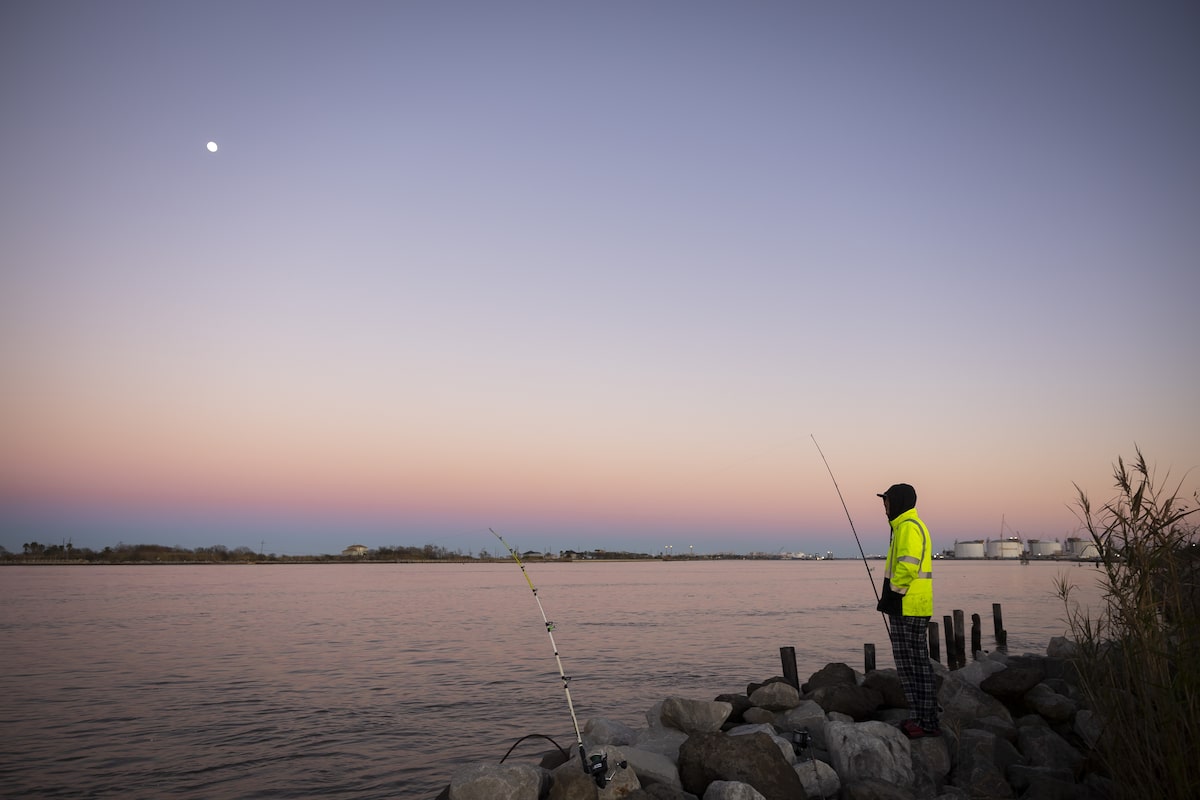
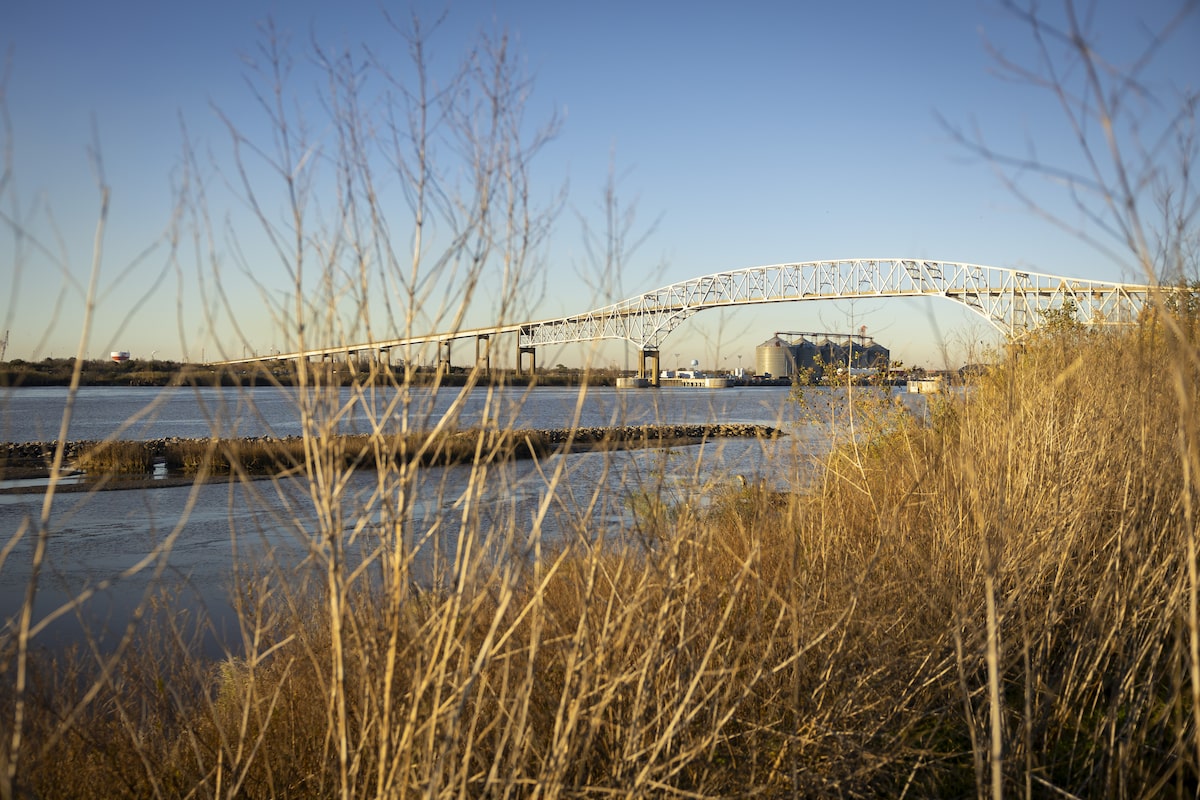
Jefferson County, Texas
It was early in September, 2012, that Jeff Branick began to think seriously about whether he could remain with the Democratic Party, which had dominated politics for more than a century in his part of southeast Texas.
He was watching that year as Democrats gathered in North Carolina for their national convention. The party held a voice vote on returning mention of “God” to its platform. The vote passed, but anyone monitoring the proceedings could hear that considerable numbers of the party faithful opposed the idea.
“That was when I made up my mind that I was going to switch,” Mr. Branick said.
The Democratic Party, he felt, had moved “to the left on economic issues, to the left on social issues – and I think it was way too much way too fast for a lot of people. Particularly in the Bible belt.”
His own views, he decided, were no longer compatible with those of Democrats. “I don’t think that an individual can say they’re another sex any more than I can say that I’m a tractor,” he said. And, he added, “Don’t try to label my speech hate speech and try to outlaw it just because I disagree with you.”
That particular issue was one Mr. Trump emphasized to great effect in his campaign against Kamala Harris, with one ad warning, “Kamala is for they/them. President Trump is for you.”
A former personal injury lawyer who has spent years seeking to reverse local coastal erosion, Mr. Branick makes for an unlikely political revolutionary. Elected as a county judge in 2010, he flipped parties midway through his term. In the following election, he became the first Republican elected to that office in Jefferson County in well over a century, according to historical records he has reviewed.

Jeff Branick, playing with granddaughter Callie Grace, is a judge in Jefferson County. He defected to the GOP when he felt that Democrats had gone too far left on issues of religion, gender and economics.
The county has played an outsized role in the construction of superpower America. In early 1901, a geyser of crude that leapt out from the Lucas Gusher was a herald of the hydrocarbon age for the country. Texaco, Gulf Oil and forerunners of Exxon were born here. With them came workers, whose unions formed a powerful base of support for the Democratic Party.
Today, Jefferson County still bristles with the exposed-metal might of heavy industry, with city-block-sized petrochemical manufacturers, liquefied natural gas facilities and refineries.
At the same time, it ranks among the least white in the state, with large Black and Hispanic communities – groups that have traditionally been electoral bedrocks for a Democratic Party seen as backing their interests against conservatives set on catering to the wealthy. In 2008, 51 per cent of voters here marked ballots for Mr. Obama, an island of Democratic support in a sea of Texas Republicans.
But as in Grays Harbor more than 3,000 kilometres away, that island has been abandoned by voters who no longer see their values or priorities reflected in the party they long supported.
Change began around a decade ago. In 2014, a Republican was elected as Jefferson County tax assessor. Two years later, the county voted for Mr. Trump, only the second time in its history that it had voted for a Republican presidential candidate. In the years since, the children of renowned local Democratic legislators have run for office as Republicans.

From the playground near a Port Neches library branch, families can see the gas towers that fuel Jefferson County’s economy. Some locals soured on the Biden Democrats over their plans to curb fossil-fuel projects.
The industrial corridors of Jefferson County are almost entirely based on fossil fuels.
One terminus for the Keystone XL pipeline was intended for a spot that is walking distance from the home of Jeff Darby, a prominent local union figure who is a former president of the Sabine Area Central Labor Council.
Mr. Biden killed the pipeline on his first day in office.
“When you start talking about messing with oil or natural gas in Texas – even in southeast Texas, with the highest union density in the state – you’re saying, ‘I don’t want you to eat,’” Mr. Darby said.
Two of the county’s neighbourhoods remain the most highly unionized in Texas. For decades, U.S. labour backed Democrats, a party that historically supported vital legal protections for workers.
The Biden White House, too, has been notable for its support of organized labour. Mr. Biden became the first president to walk a picket line. In his first week as president, he signed an executive order to strengthen federal employee unions, overturning changes made by Mr. Trump.
But when Mr. Darby’s own union, the American Federation of Government Employees, sought help from the White House in negotiations, the response was “crickets,” he said. Provisions in the executive order were largely unenforceable.
“It was lip service,” Mr. Darby said.
Union support for Democrats has faltered across the country. In southeast Texas, Mr. Darby watched the pivot take place with startling speed. In 2024, the labour council assessed candidates for 24 races. In all but three of them, it endorsed Republicans.
Among young union workers, meanwhile, Democrats are no longer seen as champions of the middle class.
Brent Thorpe’s grandfather, a committed Democrat, retired at $20 an hour, but easily paid off a house now worth a half-million dollars.
Mr. Thorpe can make more than double that wage as a pipefitter, but lives year-round in a 32-foot trailer, which he tows from job to job.
“Down here, we make good money, but it’s not enough,” he said. Mr. Trump’s proposal to cut taxes on overtime would make a meaningful difference in his life, while the incoming president’s “drill, baby, drill” mantra promises job security for years to come.

Zulema Escobedo, helping a client at her insurance office in Port Arthur, is a Democrat who leads the local Mexican Heritage Society. Republicans have been increasingly visible at its events.
The Democratic Party, meanwhile, has grown distant from parts of the community that were long core supporters. Zulema Escobedo is a local leader with the League of United Latin American Citizens. She is also president of the Mexican Heritage Society, the oldest non-profit in the region. She comes from a family that owns local businesses and regularly hosts political candidates.
She is a Democrat, but has been surprised at her own party’s approach. In recent years, local Republicans have enthusiastically participated in the society’s events.
The Democrats, by contrast, run an annual Blue Gala, a formal dinner and cocktail event with tickets that start at US$100.
“I think they’re going after another demographic,” Ms. Escobedo said.
Local Black voters, too, have abandoned the party. Among them is Joe Evans, who is now the local Republican chair. He oversaw an election campaign last year in which volunteers knocked on thousands of doors.
“We didn’t even have a Republican primary when I first got involved locally,” he said. That was more than a decade ago, around the time he was falling out of love with the Obama administration. Mr. Evans recalled the time in 2015 when the White House was bathed in rainbow lights in celebration of a Supreme Court decision that cemented a constitutional right to same-sex marriage.
Such acts “prop up one group – but you kind of tell another group that your values and beliefs are secondary,” Mr. Evans said. “What other groups had their flag or logo plastered across the entire White House?”
Republicans, and Mr. Trump in particular, offered something different, he said. “People were tired of biting their tongue and not being able to speak their mind on certain things,” he added. “All of a sudden you didn’t have to sit back and be quiet and take your medicine and like it.”

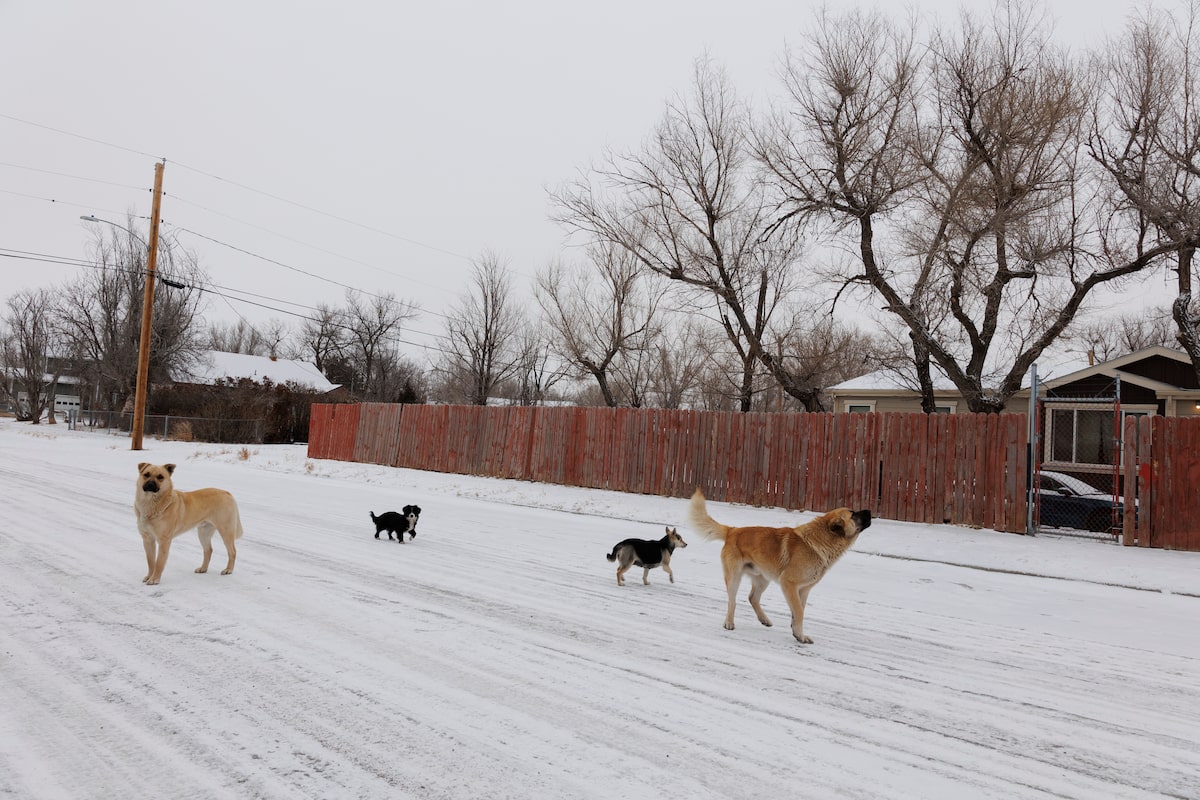
Roosevelt County, Mont.
On the blustery plains of northeast Montana, Robbie Magnan is a keeper of tribal traditions. He oversees the herds of bison that now roam 121 square kilometres of grazing land secured by the Fort Peck Tribes to restore a species valued for its meat and contributions to the local environment. And, like generations before him, he has little good to say about Republican leadership. In some parts of Montana, Native Americans have voted Democrat by a 27-to-one margin in recent elections.
Mr. Magnan can’t understand why anyone in his community would vote for Mr. Trump, who Native Americans have, for decades, seen as biased against them. Indigenous critics accused Mr. Trump of attempting to cut services for tribes and ignoring pleas to preserve land from oil drilling in his first term.
“I have no faith in him,” Mr. Magnan said.
The Biden White House, by contrast, offered an attention to Indigenous issues rarely seen in modern U.S. politics. It named Laguna Pueblo tribe member Deb Haaland as interior secretary and issued the first-ever presidential apology for the pain caused by residential schools.
But in Roosevelt County, which encompasses much of the Fort Peck Reservation, many don’t seem to care. Since 2016, the county has voted Republican for president.

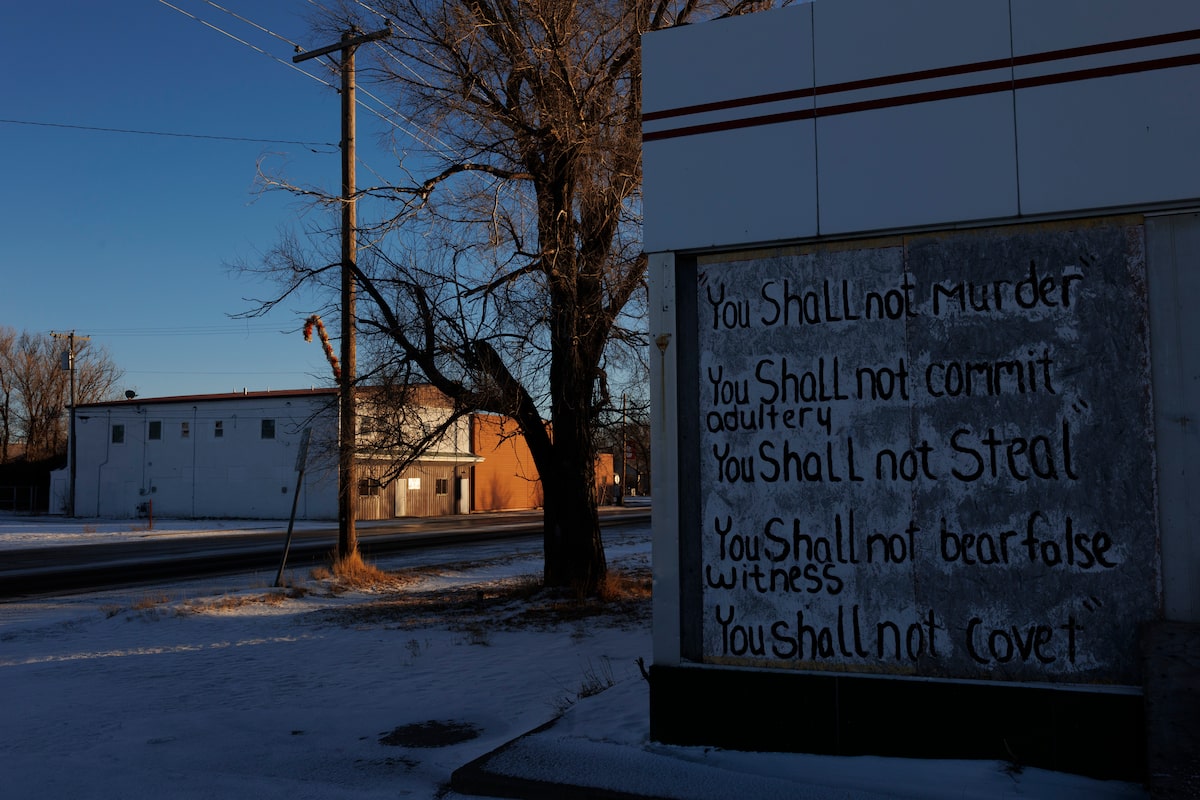
At a destroyed building in Poplar, a sign promotes the bipartisan infrastructure law that Joe Biden signed in 2021. The law was meant to bring Indigenous communities like Roosevelt County much-needed improvements in clean water, internet access and other services.
Elsewhere in Montana, too, Native Americans have thrown in their lot with Mr. Trump. In Big Horn County, which encompasses much of the Crow Indian Reservation, the vote for Mr. Trump in 2024 cemented a major reversal from 2008, when Mr. Obama took more than two-thirds of local ballots.
Some of their interests are shared with those in Jefferson County, some 2,200 kilometres away. The Crow, who once gave Mr. Obama a Crow name as an adopted member of their tribe, have interests in coal mining, and have suffered job losses as utilities move to cleaner fuels.
Elsewhere, Mr. Trump and his brand of Republicanism have benefited from longstanding resentments. For Native Americans on reservations, “we live in complete lawlessness. Gangs. Drugs. Fentanyl. Methamphetamine. And nobody there to do a damn thing about it,” said Jason Small, a member of the Northern Cheyenne Nation and former Republican state senator who is now executive secretary of Montana’s AFL-CIO trade union group.
A “younger generation has watched their parents suffer, watched their grandparents suffer – and they don’t necessarily want to suffer themselves.“
Scott Azure, who lives in Poplar, where the Fort Peck tribe has its headquarters, felt so strongly about Mr. Trump he registered to vote for the first time in the 2016 election. He was fed up with Republicans and Democrats alike.
“Whether it’s red or blue in office, nothing really drastically changes here,” he said. “I think that’s why the majority of the country put him in office, because they’re not happy with the status quo.”
Mr. Trump, it seemed to him, represented a break with the past, with his promises to upend the way politics are done.
Mr. Azure, who works in Fort Peck tribal housing and has a side job installing custom vinyl wraps on cars and golf carts, chafes at his tax burden. But he is especially galled by the economic failings he sees around him. Government supports, he believes, have hindered as much as they have helped, holding people hostage to handouts.
“I have nothing against creating programs for people who fall on hard times,” he said. “The problem I have is people who turn that into a career.”

Scott Azure, a Fort Peck housing worker and owner of Azure Customs, feels life here largely remains the same regardless of which party governs the United States.
On the streets of Poplar, straitened circumstances are obvious for anyone to see. A cluster of men outside a local bar beg money from a passerby. To those who live here, equally evident are the drugs that have connected this corner of Montana to one of the country’s most central social and political issues. The arrival of synthetic opioids has brought a deadly new wave of narcotics to a community that has long struggled with them.
Poplar is among the most remote places in the Lower 48 states. But an associate of the Sinaloa cartel was recently arrested on the Fort Peck reservation, where fentanyl pills can fetch prices 100 times higher than in large urban centres.
Bryce Kirk, who sits on the Fort Peck tribal executive board, understands why tribal members would abandon their allegiance to a party he sees as taking Native Americans for granted. “When you go to Washington, D.C., you would see Republicans fighting for Indian country more than Democrats were,” he said.
Others see religious grounds to support a party – and leader – whose views on abortion and other social issues better align with theirs. They see in Mr. Trump a leader divinely appointed to bring change to difficult circumstances.
“I believe it’s God’s will,” said Angie Toce, a Fort Peck member who owns a bar, Baby Lonnies Beer Mug. After a recent conversion to Christianity, she now holds Bible studies there, next to the Coors Light and Budweiser signs. Participants read scripture and discuss personal hardships. Ms. Toce credits her new faith with turning her life around. She believes Mr. Trump will do the same.
“Donald – he’s going to do so many great things for a lot of people,” she said. “And that’s the Holy Spirit working through him.”



Grays Harbor County, Wash.
When DJ Jennings lost his first forestry job at the age of 18, he protested by printing out “Spotted Owl Tastes Like Chicken” bumper stickers, which he and a friend sold by the thousands in local bars for $2 a piece. Then he left Grays Harbor for Alaska, where he spent several years fishing before returning home. He now works at a local prison.
Mr. Jennings voted for Mr. Obama in 2008. He cast a ballot, too, in favour of legalizing same-sex marriage in a 2012 state referendum.
But his anger over what environmental policies did to his community has never waned, and in 2016, he found a more potent way to register his displeasure. He openly supported Donald Trump.
When he first planted Trump signs on his lawn, neighbours called him an idiot. But Mr. Jennings had grown sick of the circumstances that have left his home plagued by drugs, poverty and government dependency.
Mr. Trump, he believes, brings the promise of a “strong America.”
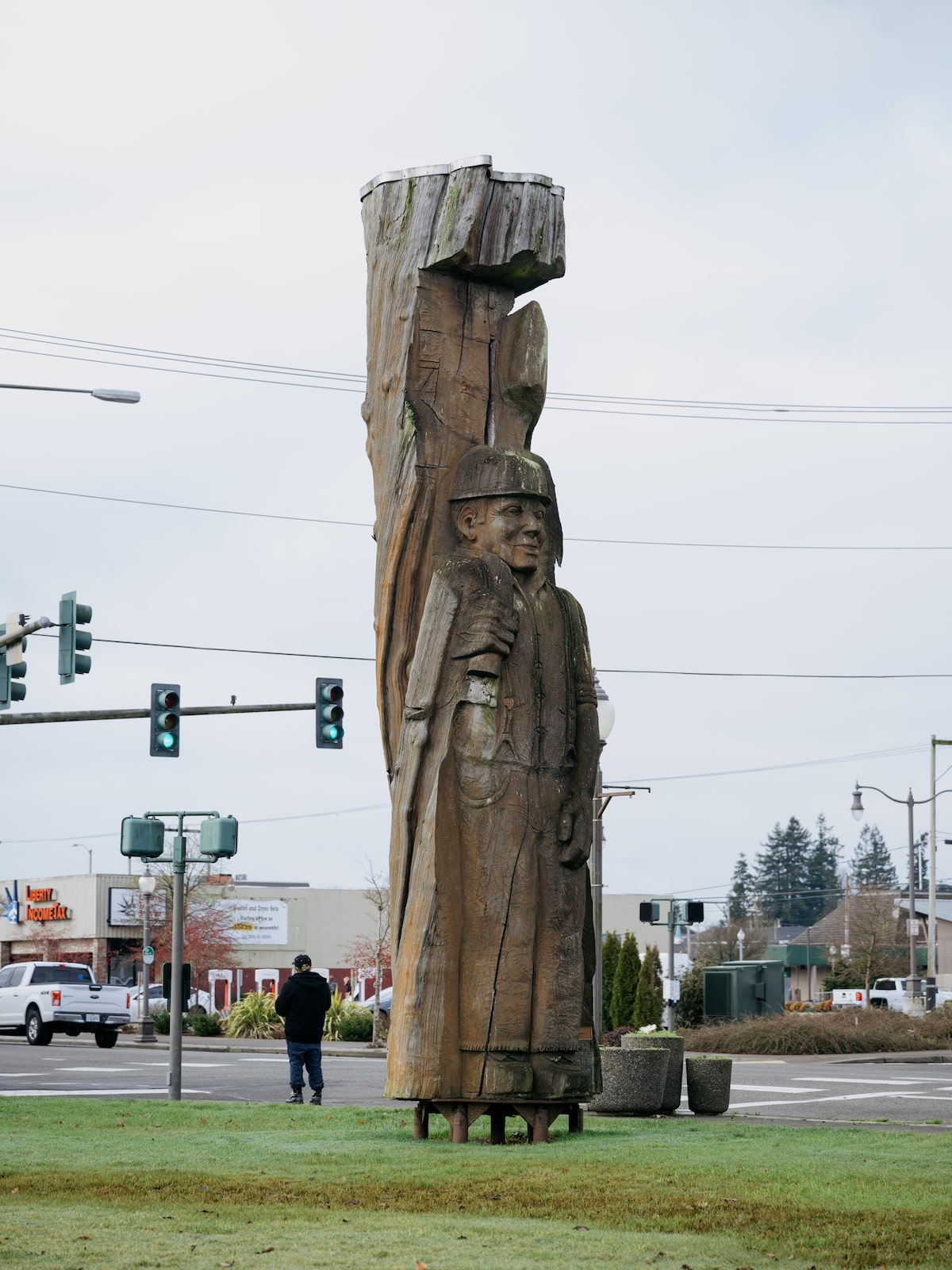

It was Franklin Delano Roosevelt’s New Deal, with its consumer protections and new opportunities for work, that first won the Democrats the loyalties of the Croatian and Polish immigrants who had flocked to Grays Harbor County before the Great Depression.
In 2003, when Brian Blake ran his first election campaign for the state House of Representatives, some local residents still kept FDR portraits in their homes.
Decades later, many of those people are gone. But the desire for a president who can again shake societal foundations in their interest has returned.
People are angry, Mr. Blake said. “The system is not serving their needs.”
Mr. Blake, a former logger with a degree in environmental studies, was a politically moderate Democrat, part of a class of rural legislators known locally as the “roadkill caucus.”
But he no longer holds office. He lost a bid to become county commissioner in 2020 – and is now losing his political certainties. He is no Republican. But he’s no longer sure he’s a Democrat, either. He still faults the party for its support of spotted owl policies that sacrificed communities such as his for other electoral gains.
The real winner, he believes, were the private timberland companies whose forests rose in value when environmental policies limited harvesting on federally owned public lands. “The spotted owl was just a symbol they were using to lock up that federal timber to placate corporate America,” he said.
And, he added, “Democrats in Congress voted for all of that.”

Tamara Helland is a high-school counsellor in Hoquiam, west of Aberdeen, where she sees graduates-to-be losing hope that they can find work in their home communities.
Meanwhile, generational wealth has given way to generational poverty for some in Grays Harbor.
Among those who graduate high school and stay in their home community, few can look forward to the kind of well-paid work that the forests once provided.
“So what do we do now? Fast food. Walmart. The YMCA. Schools. The jail,” said Tamara Helland, a counsellor at a local high school.
The students she finds most distressing to help are those who have lost hope for themselves.
It’s not clear that Mr. Trump holds the solutions to what ails Grays Harbor. By contrast, some of Mr. Biden’s policies have been a boon. Infrastructure dollars have been allocated to improve homes in floodplains, and build up local bridges and overpasses.
But the feeling that something is profoundly wrong has grown tangible, said Douglas Orr, the mayor of Aberdeen.
He is also an artist who runs a gallery downtown. The city has had a large population of homeless people. More than once before he was in office, he found excrement on the gallery’s doorstep. At one point, he put his building up for sale.
But in the end, instead of going through with selling, he ran for mayor. Soon after he won in 2023, the city evicted a downtown homeless encampment. He is a Democrat, but admits he is no bleeding heart.
Still, he worries that the politics of anger and retribution that brought Mr. Trump to office will have consequences.
“It seems people have gotten to this point where they’re unwilling to compromise at all, and they’d rather burn the whole place down than see anything happen that they don’t agree with,” he said.
It makes for a confused, and confusing, time.
“We’ll get it under control eventually,” he said. “Hopefully, it doesn’t wreck the country in the process.”

Trump returns: More from The Globe and Mail
The Decibel podcast
Donald Trump’s story about pet-eating Haitians in Springfield, Ohio, was a lie – but the anti-immigrant fears that helped him win office is very real. Shannon Proudfoot went to Springfield and told The Decibel what she learned. Subscribe for more episodes.
From our U.S. correspondents
Who’s in Trump’s political circles? His cabinet picks and advisers so far
Trump’s master plan to overhaul the U.S. federal government
How Chrystia Freeland showed tactical toughness as the America whisperer
Canadian commentary
Jean Chrétien: Canadians will never give up their country to join the U.S.
Allan Rock: It’s time for Canada to tell Trump that enough is enough
Andrew Coyne: This is how Canada should deal with Trump, irrational actor