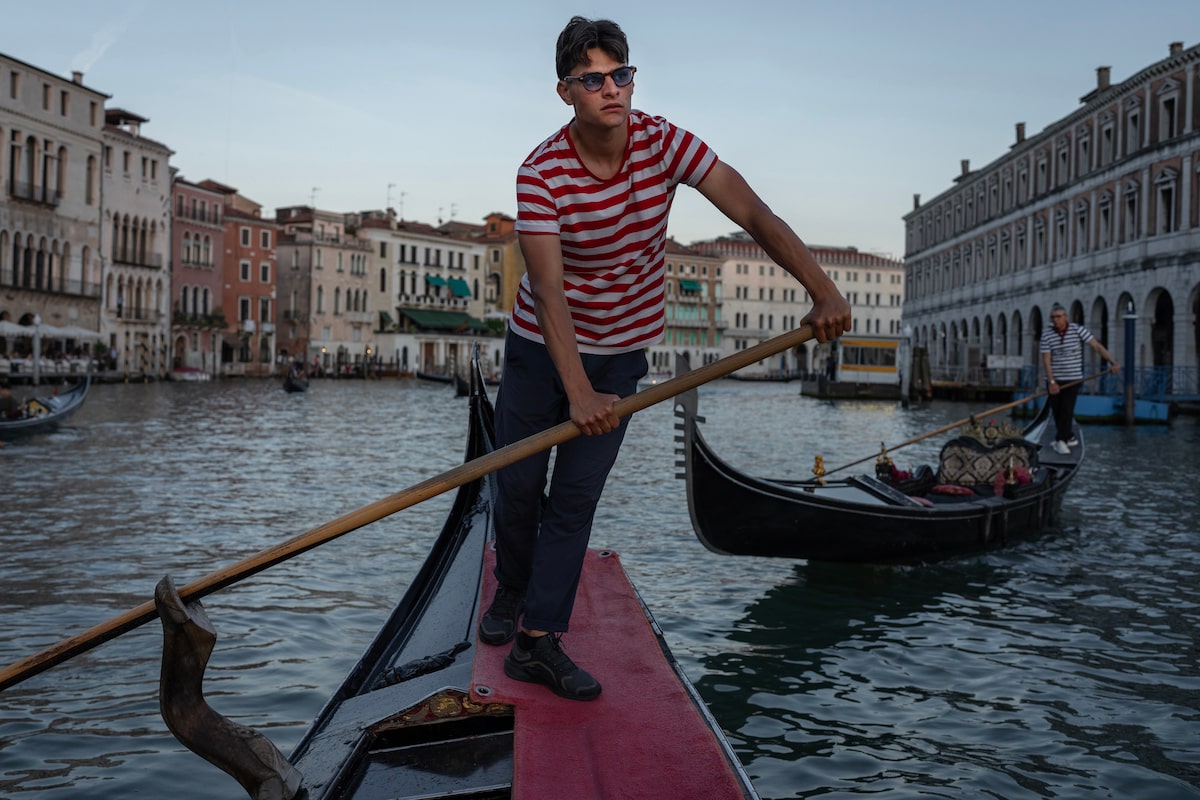
Venice should not exist. Built on a coast reclaimed from the sea, it was once a centre of power and commerce in Europe. A marvel of architecture and conspicuous wealth, it sits upon a submerged forest of millions of petrified logs − a foundation that has supported the city for more than 1,500 years.
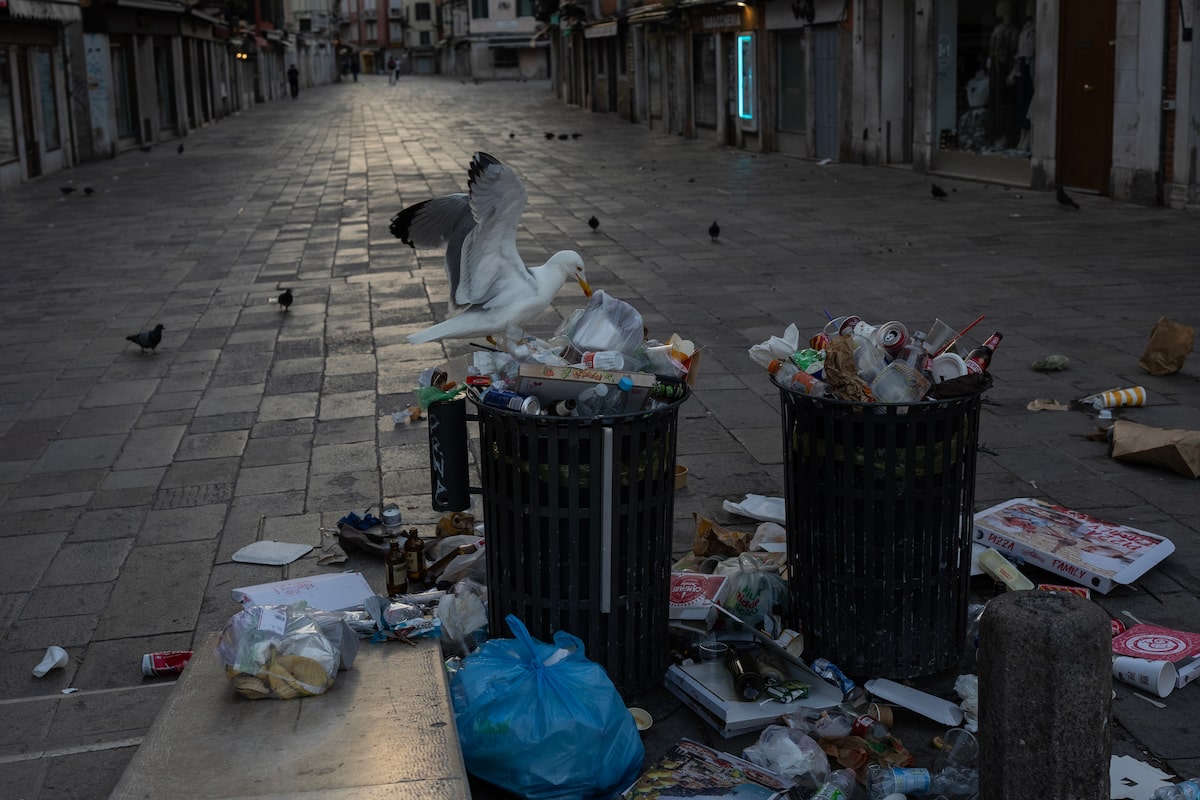
Italy’s floating city has defied geography, rising water, rules of physics and empires alike. But today, some 20 to 30 million visitors a year are exerting huge pressures on its existential foundations. Venetians are becoming a dwindling minority in their own home.
Yet, as always, the city endures. In recent years it has introduced measures to curb the number of visitors, including access fees and restrictions on large cruise ships docking near the historic centre.
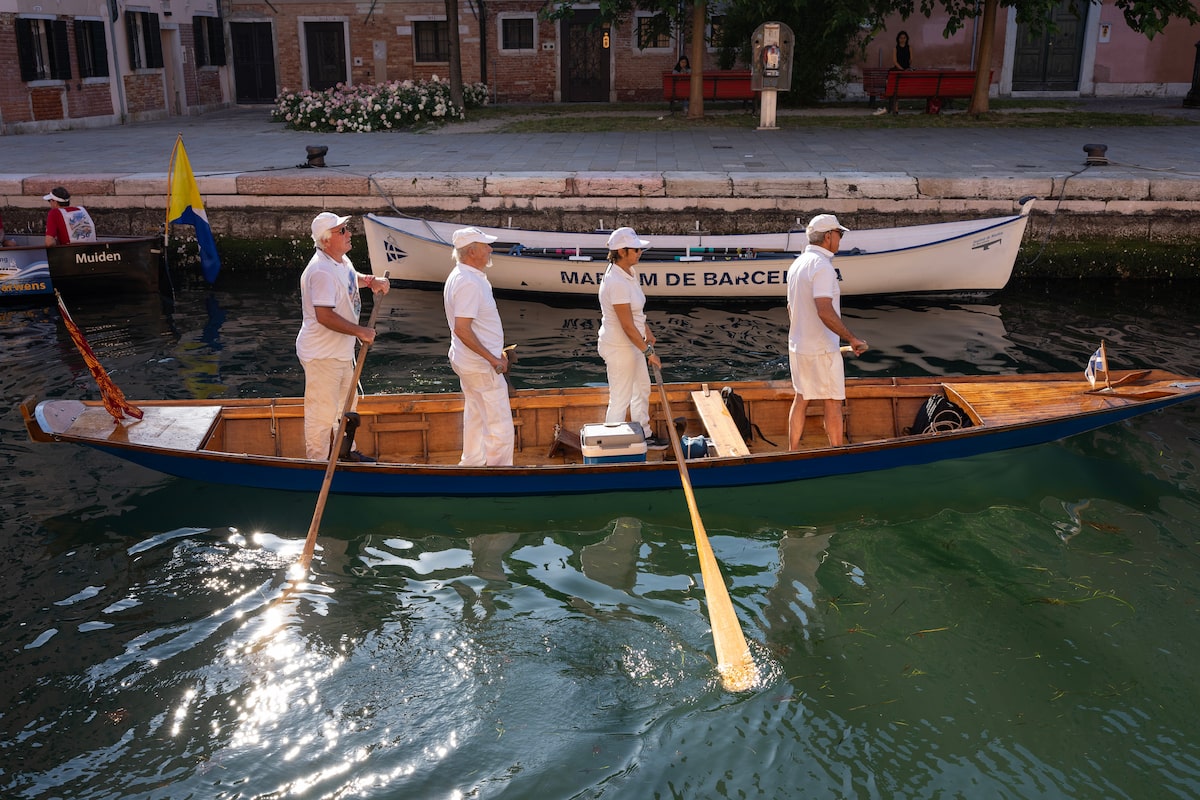
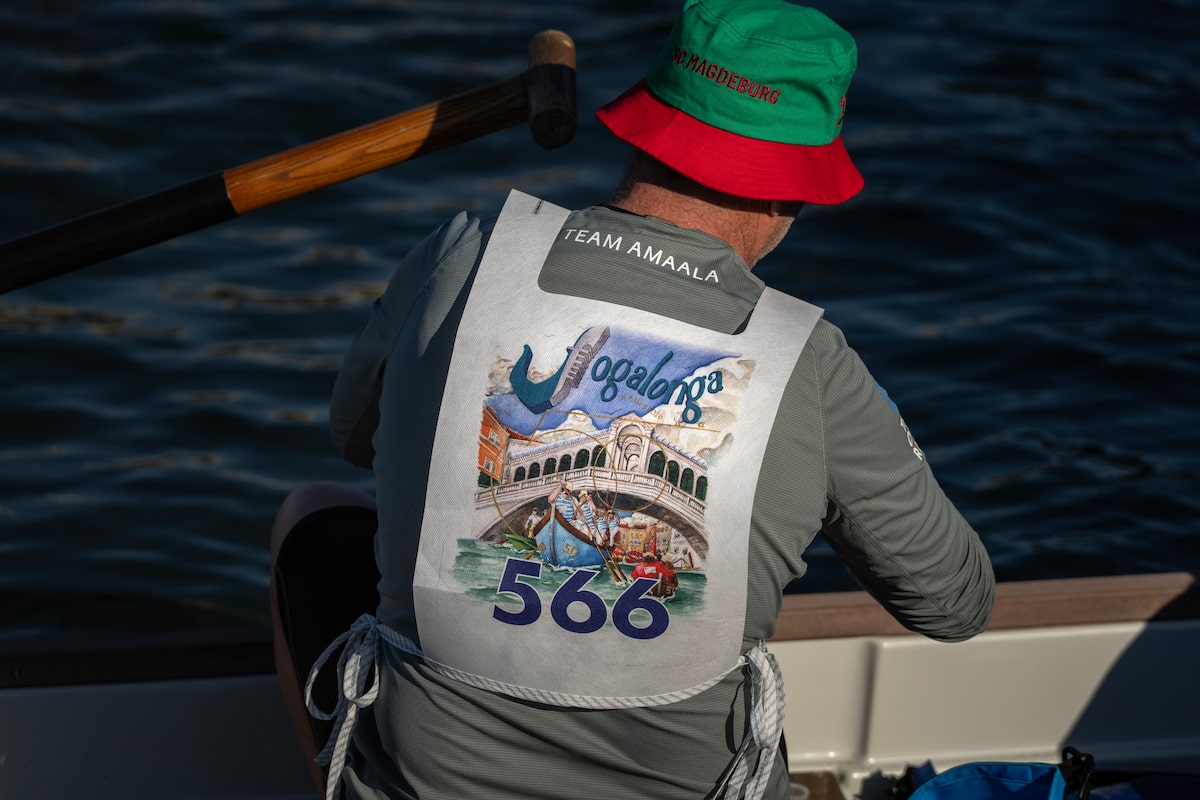
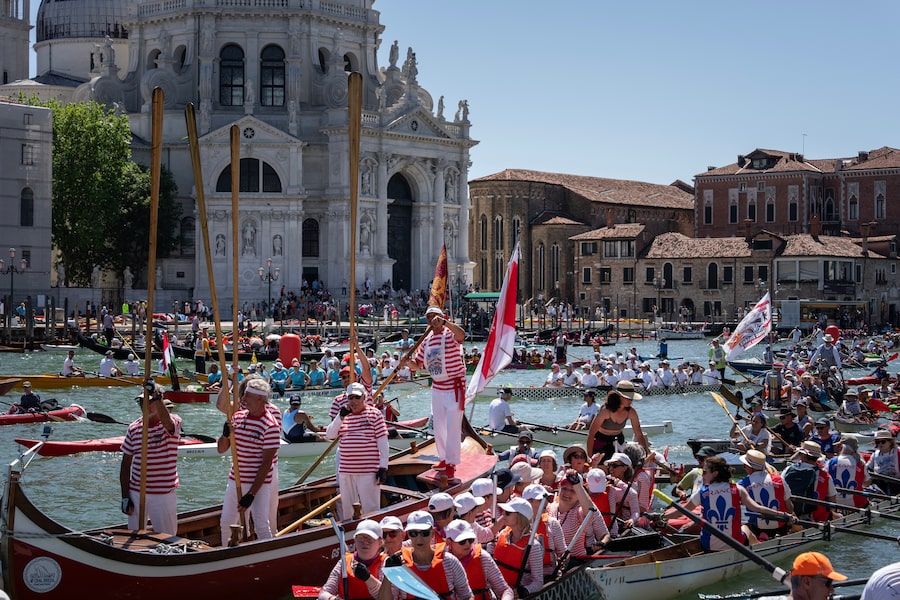
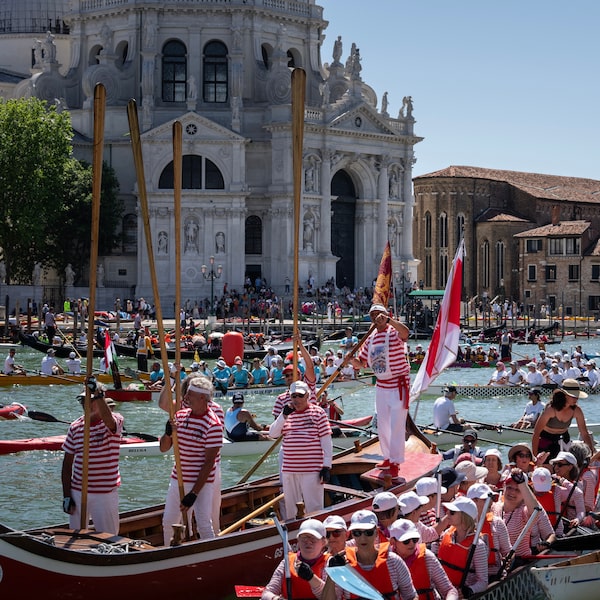
At the same time, efforts to preserve the traditions and fragile ecosystem of the Venetian lagoon continue through events such as the Vogalonga, a non-competitive regatta started in 1976 as an environmental protest against the wave damage caused by motorboats.
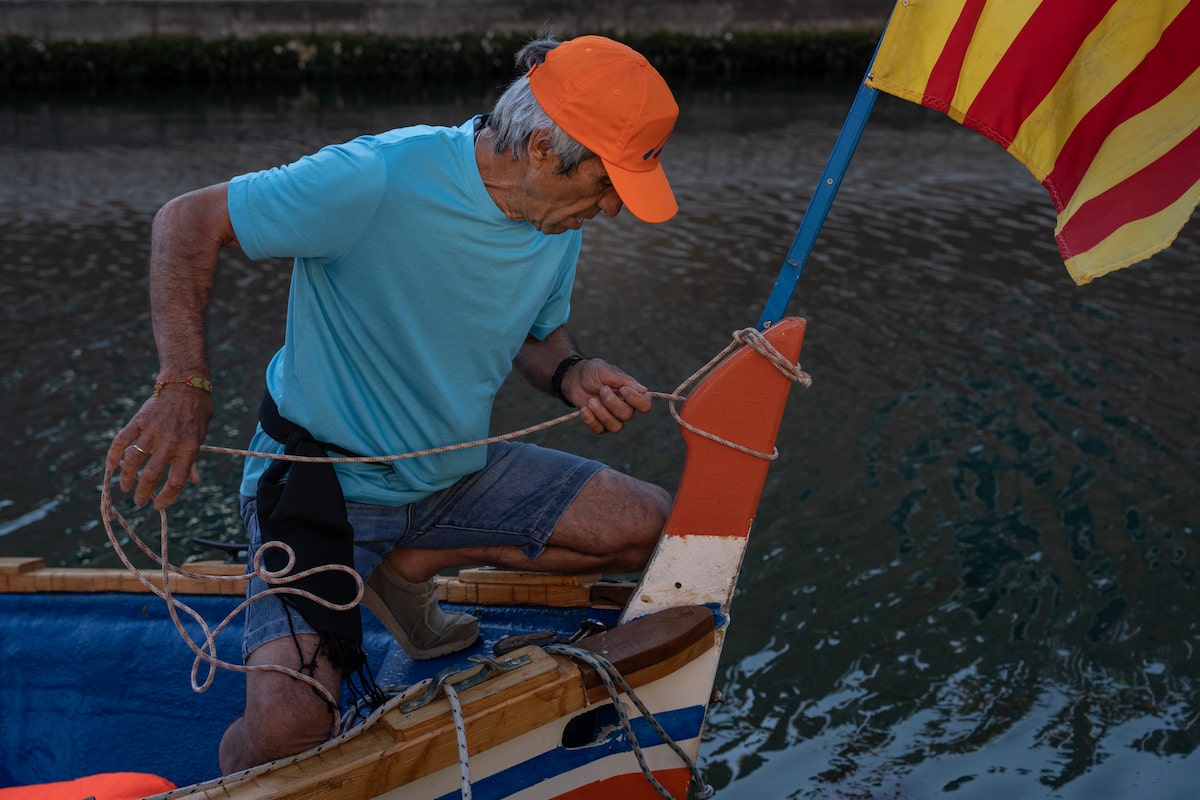
“I love sailing, I love boats and of course I love Venice,” explained Juan Lucas Canal, from Catalonia, Spain, as he prepared his eight-crew boat to participate in the regatta. “This is the fourth time I take part in the Vogalonga. It is an adventure for me.”
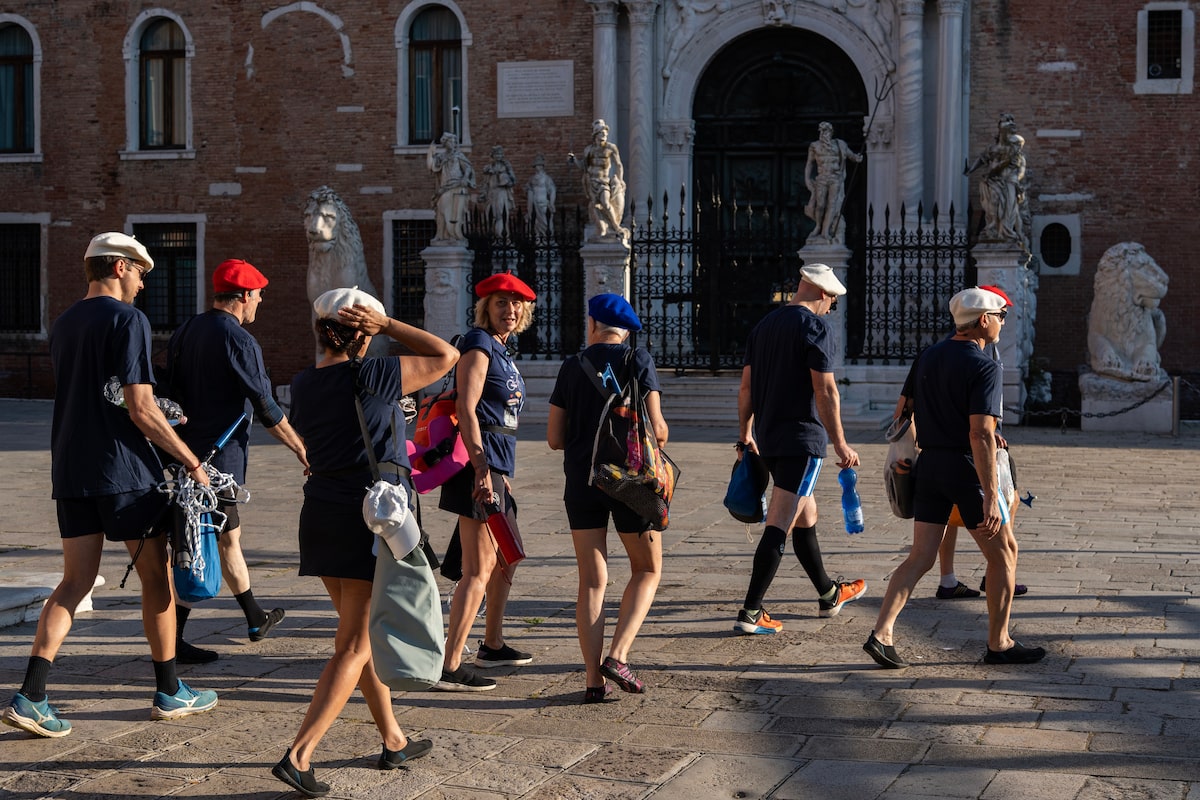
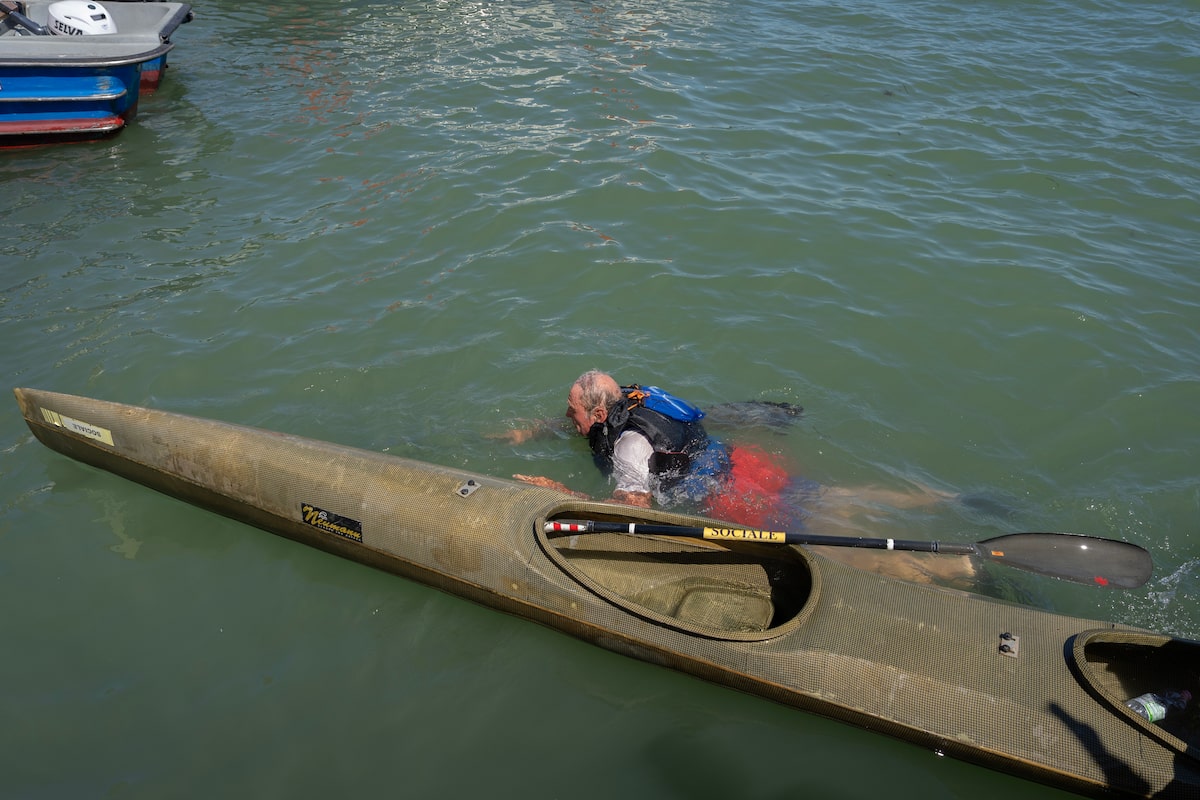
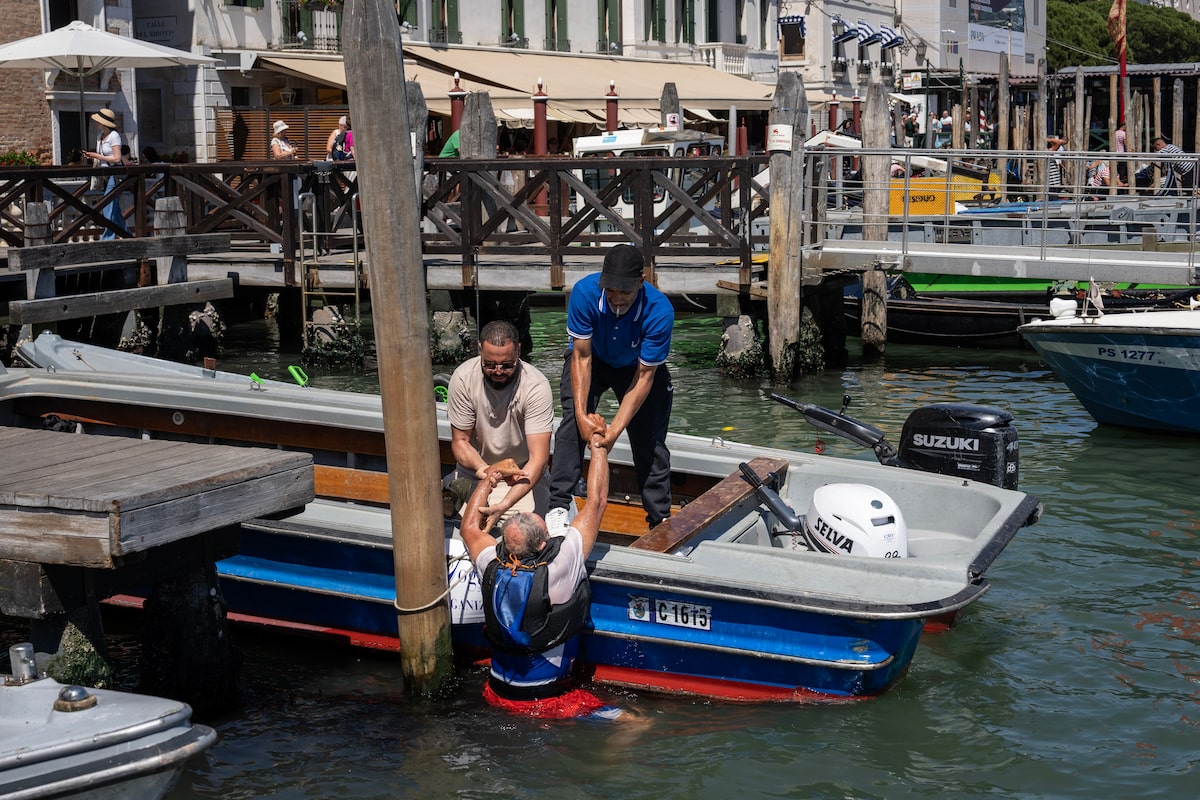
Open to everyone, this year’s edition, the 50th, involved more than 2,200 boats and 9,900 rowers from 28 countries along a 30-kilometre course through some of Venice’s most iconic landmarks. (The organizers said they had to reject 3,000 applications because demand was too high.)
Vogalonga participant Renato Giachetto from Italy summarized the spirit of the event: ”It is a celebration of the roots of this wonderful city. Venice was discovered and born with oars. We should not forget this.”