
Joseph Kony, the leader of the Lord's Resistance Army, answers journalists' questions following a meeting with UN humanitarian chief Jan Egeland, in 2006. Mr. Kony is being examined for charges for war crimes and crimes against humanity but has evaded capture for decades.Stuart Price/The Associated Press
One of the world’s most notorious warlords is holed up with a dwindling band of followers in the remote forests of the Central African Republic, bartering cannabis and honey for survival, while a court in The Hague considers war-crimes charges against him, a new report says.
Self-proclaimed prophet Joseph Kony, the fugitive leader of the Lord’s Resistance Army (LRA), orchestrated an insurgency that is estimated to have killed as many as 100,000 people since the 1980s. His followers abducted some 60,000 children in Uganda and four other African countries, forcing thousands to become child soldiers in his brutal militia.
Mr. Kony has evaded capture for decades, dodging manhunts by U.S. soldiers and the armies of several African countries. But an independent U.S.-based group, Invisible Children, says Mr. Kony’s camp is now hidden in the northeastern corner of the Central African Republic, near the border of Sudan’s Darfur region.
The International Criminal Court in The Hague has scheduled three days of hearings this week, beginning on Tuesday, to hear evidence against Mr. Kony and to decide whether to confirm the 39 counts of war crimes and crimes against humanity that he is facing. The charges include murder, torture, rape, pillaging, sexual enslavement and forcible recruitment of child soldiers.
It is the first time that the ICC has held such proceedings for a suspect in absentia, with a court-appointed lawyer defending him. The court has been trying to capture Mr. Kony since 2005 when it issued its arrest warrant.
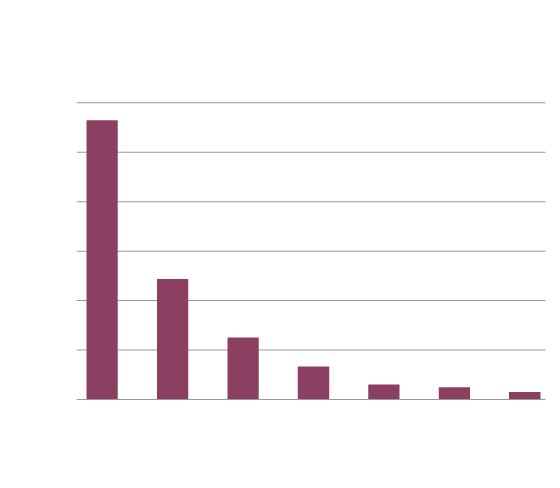
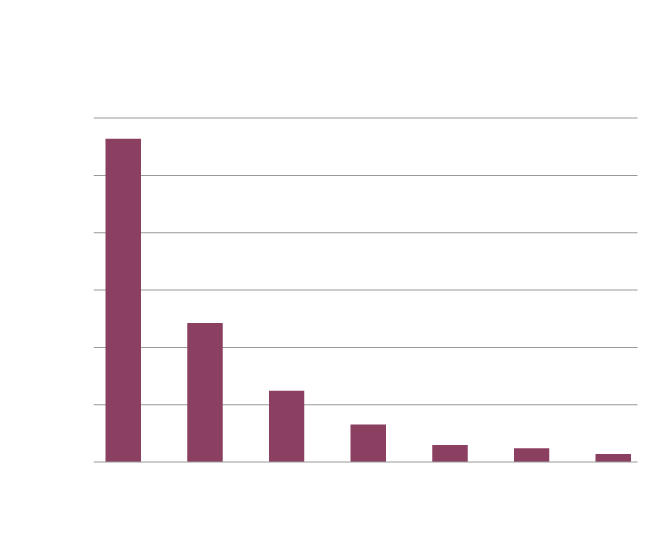
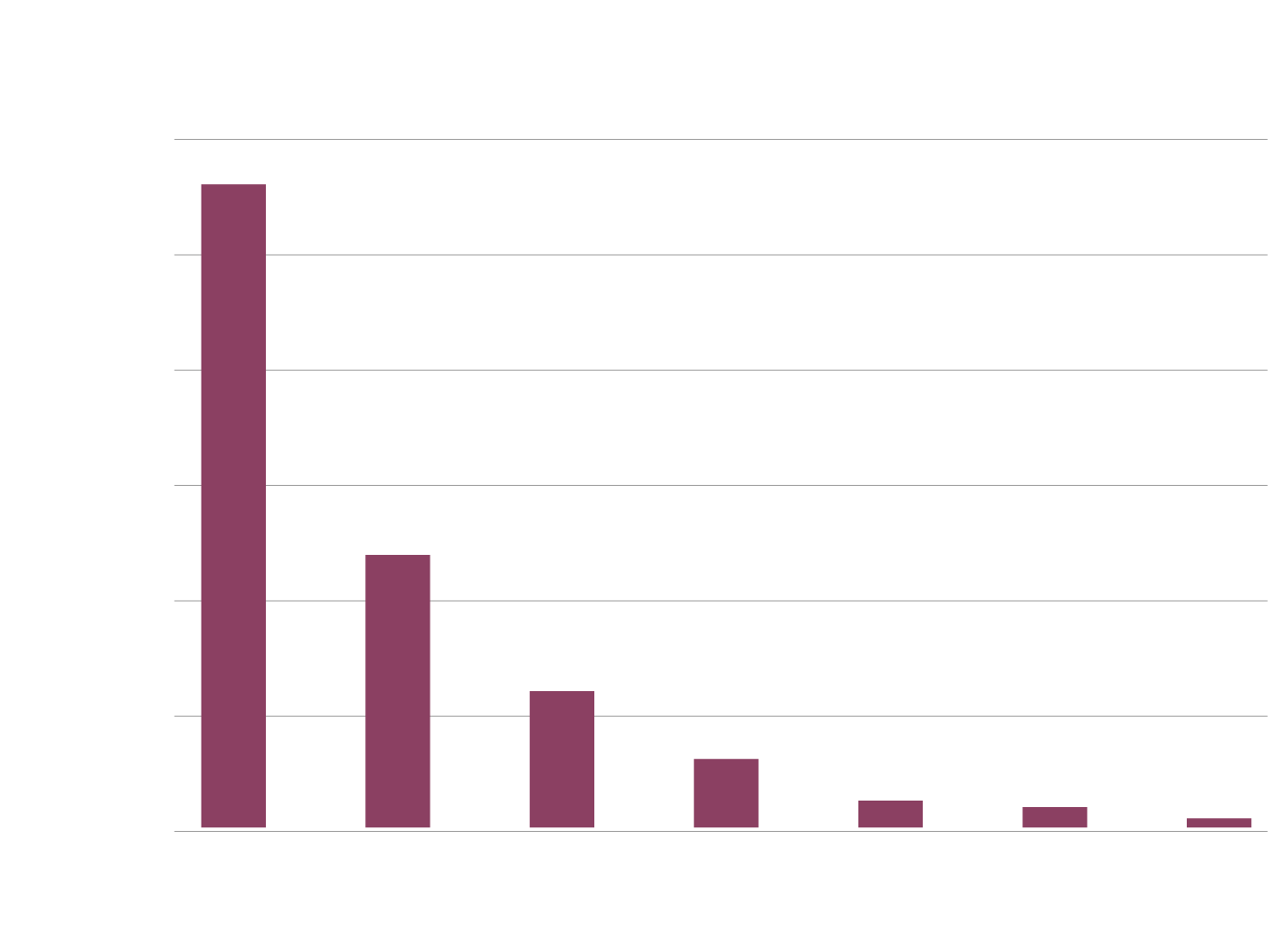
The number of combatants in Mr. Kony’s militia has sharply diminished in recent years and might total only a few dozen today, but they have continued to abduct children, according to a new report by Invisible Children and its African partners.
Estimated LRA combatant capacity
Number of combatants
3,000
2,500
2,000
1,500
1,000
500
0
1999
2008
2010
2013
2016
2023
2025
the globe and mail, Source: invisible children
Estimated LRA combatant capacity
Number of combatants
3,000
2,500
2,000
1,500
1,000
500
0
1999
2008
2010
2013
2016
2023
2025
the globe and mail, Source: invisible children
Estimated LRA combatant capacity
Number of combatants
3,000
2,500
2,000
1,500
1,000
500
0
1999
2008
2010
2013
2016
2023
2025
the globe and mail, Source: invisible children
In a surge of attacks in 2023 and 2024 in the Democratic Republic of the Congo, the LRA abducted 74 children and youths, the report said. While 30 of the abductees managed to escape, at least one was executed and 43 others are still missing, it said.
The escapees have warned that “there is a high risk of Kony ordering further abductions in DRC in the coming months” in an attempt to rebuild his militia, the report said.
Military juntas struggling for support as Islamist rebellion gains ground in West Africa
Mr. Kony, born in northern Uganda in 1961, was a Catholic altar boy in his youth. Villagers believed he had occult gifts and spiritual powers. In 1987, he led his followers in a rebellion against Ugandan leader Yoweri Museveni, claiming to be fighting for the Ten Commandments.
His militia terrorized the region with frequent attacks on villages, abducting children and sometimes chopping off limbs. Over the next two decades, two million Ugandans fled their homes to escape his attacks.
Children abducted by the LRA, including girls, were routinely assaulted and were sometimes forced to kill other abductees to intimidate anyone thinking of escaping, according to the charge sheet against Mr. Kony at the ICC. It said Mr. Kony personally supervised or ordered the crimes and sometimes perpetrated sexual violence himself.
When the LRA was finally chased out of Uganda, it continued its attacks and abductions in Congo, Sudan, South Sudan and the Central African Republic.
A video calling for his arrest, produced by Invisible Children, went viral in 2012 and was viewed by more than 100 million people, mobilizing political pressure for the campaign to capture him.
The United States, which has offered a US$5-million reward for information leading to his arrest, deployed a unit of 100 special-operations soldiers in 2011 to help an international force in the hunt for him.
Mr. Kony has been slowly weakened in recent years as senior LRA commanders defected or splintered off into new factions, some of which have demobilized. Two of his sons have also defected since 2021, leaving him increasingly isolated.
Uganda becomes fourth African country to accept Trump administration’s deportees
The LRA, which had about 2,700 combatants in its ranks in 1999, has now dwindled to a current size of less than 100 members, mainly women and children, according to the Invisible Children report.
It says Mr. Kony and his followers have recently subsisted on farming, elephant poaching and trading goods such as ivory, cannabis, bamboo and honey.
“Kony’s camp is isolated, in a remote region several days walk from the nearest settlement,” the report said.
His weakened grip on the LRA could be an opportunity to negotiate a demobilization, it said. “The end of decades of LRA violence is within tantalizing reach.”