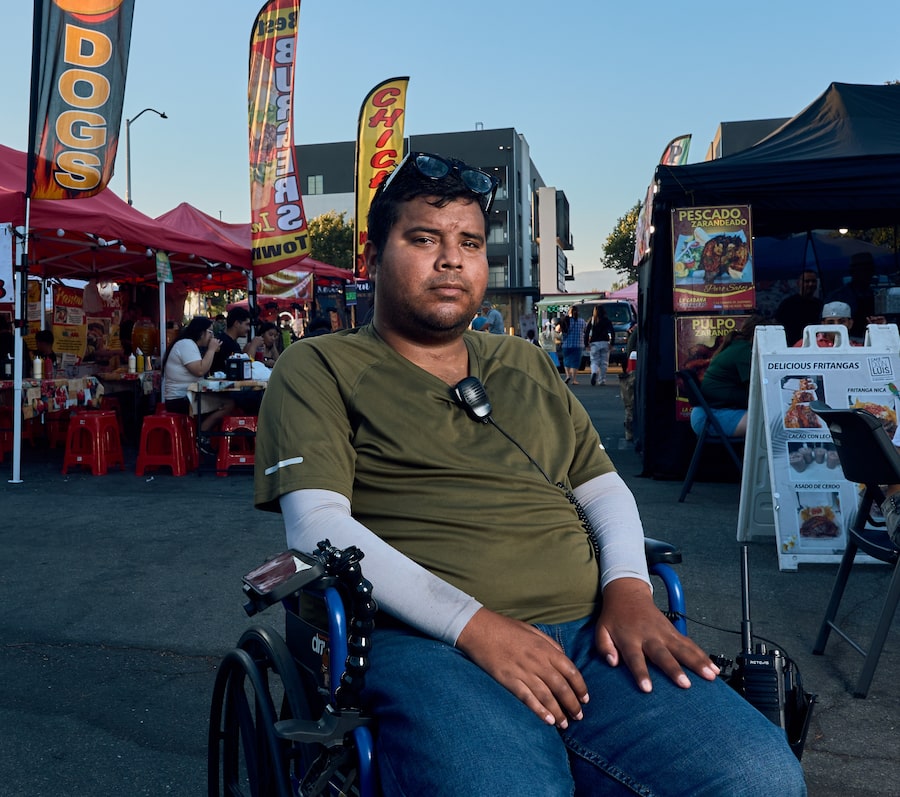
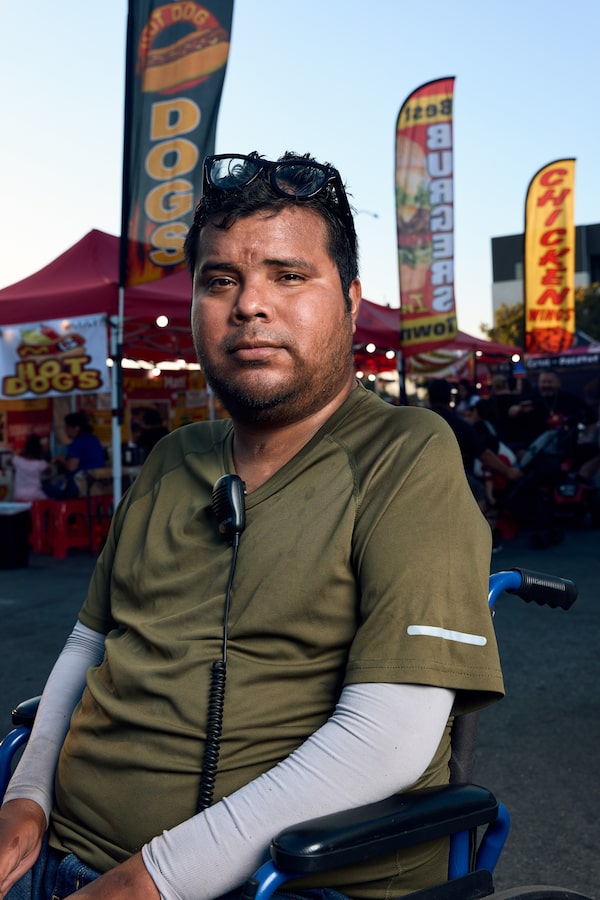
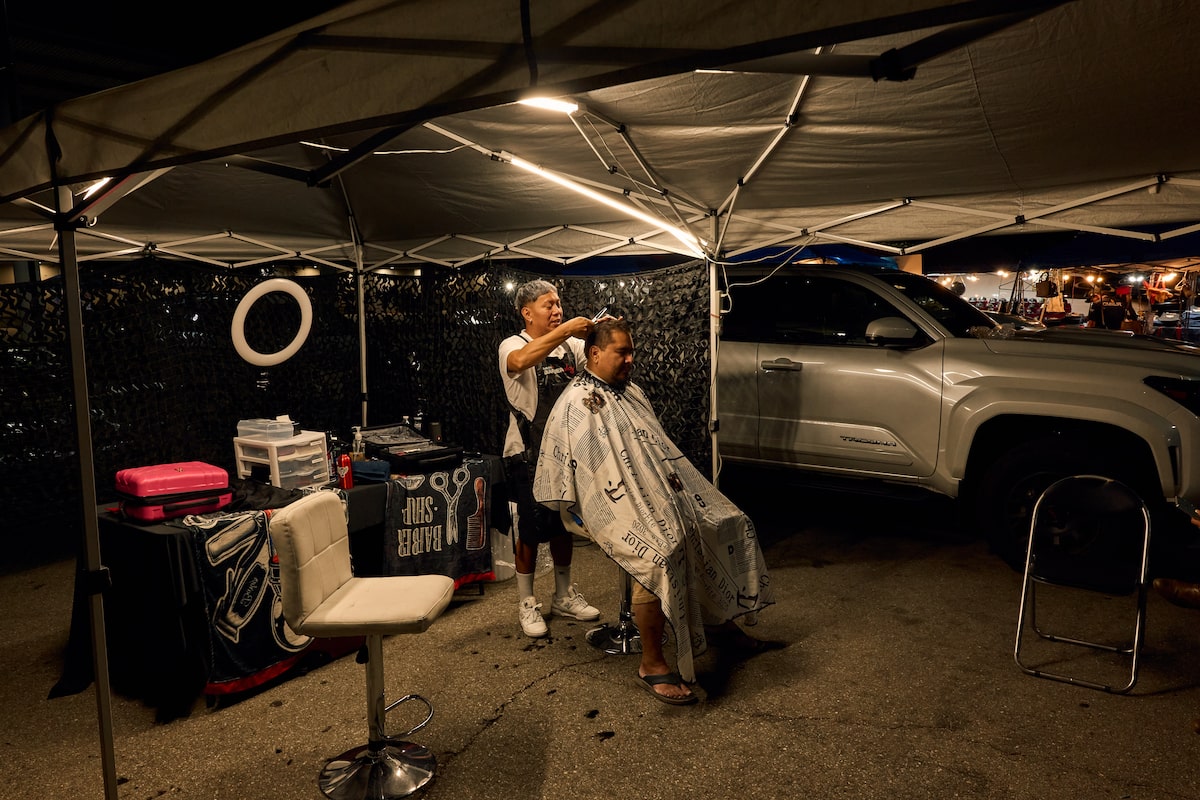
At 909Tacolandia, a weekend food market in a high-school parking lot east of Los Angeles, organizer Brandon Mejia has tightened security this summer. He has posted lookouts to give advance warning if officers from Immigration and Customs Enforcement are approaching. Site security has instructions not to allow federal agents to enter.
Such measures, Mr. Mejia said, became necessary after taqueros he knows were hit by immigration raids in June. He worries that the Latin American food trucks at 909Tacolandia could be targeted.
At one point, Mr. Mejia even cancelled the market for two weeks. He reopened after pleas from his vendors.
“There were a lot of nights where I couldn’t sleep. If it were up to me, we wouldn’t even open,” he said in an interview. “But for a lot of vendors, it’s their only income. If they don’t sell, they don’t eat.”
Numbers are down, too. From 120 vendors earlier this year, Mr. Mejia now counts between 30 and 40 at the Pomona, Calif., event. A secondary market site, in San Bernardino, dropped from 50 vendors to just five.
Many of those who remain have taken precautions of their own. At family-run food trucks, Mr. Mejia said, one partner will often go to work while the other stays home to ensure that one of them is still around to take care of the children if the other is arrested. In mixed-status families, parents are now staying in while their children go out to run the business.
“These people aren’t criminals,” Mr. Mejia said. “They’re just trying to work and feed their families.”



At farms, restaurants, factories, courthouses and parking lots across the United States, President Donald Trump’s mass roundup of undocumented immigrants gathered speed this summer. In June and July, the last full months for which numbers are available, ICE more than tripled the number of arrests compared with a year earlier. And with the President aiming to reach one million deportations annually, the push may just be getting started.
White House border czar Tom Homan, speaking on CNN this past weekend, told Americans to “expect action” in cities across the country this week. He also vowed more “worksite enforcement operations” after last week’s immigration arrests of 475 people at an electric-vehicle battery plant in Georgia.
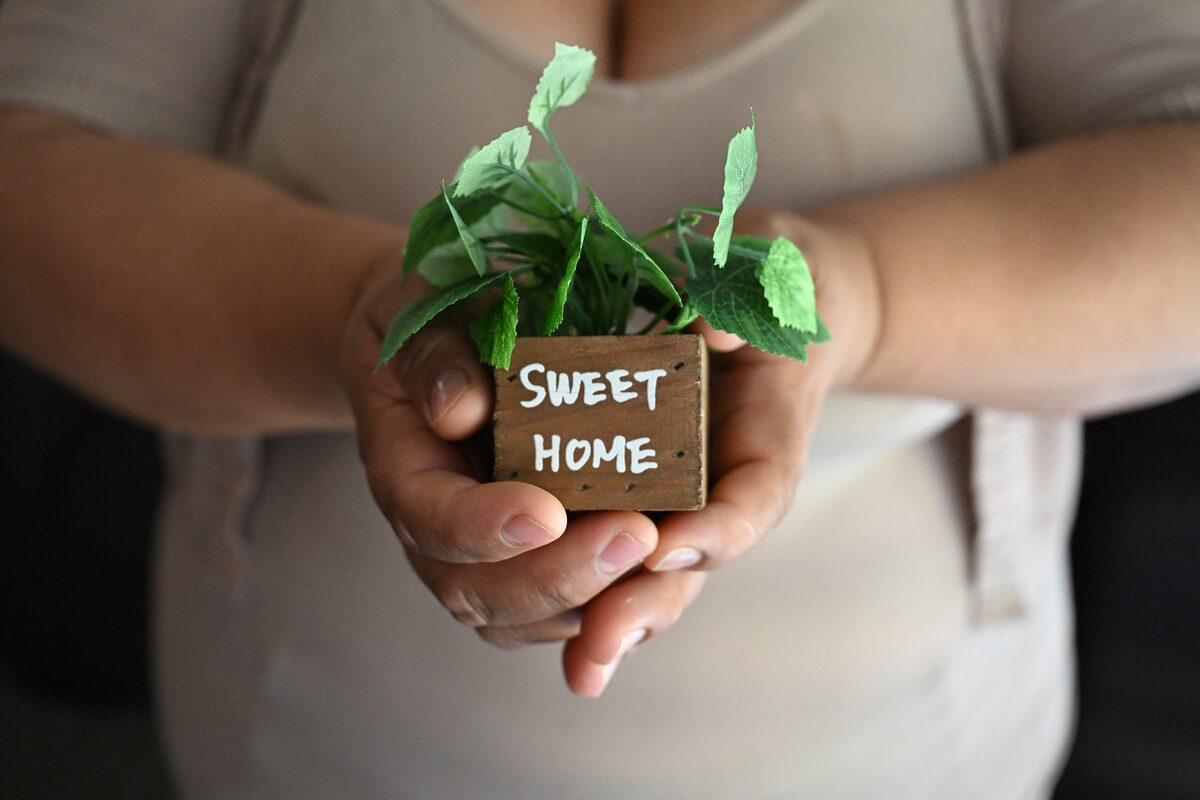
For Mr. Trump and his supporters, it’s the fulfilment of a foundational policy: to deport all of the estimated 11 million people in the United States illegally. For migrants and their communities, it’s a White House-created humanitarian crisis that threatens to tip over into an economic one. Around the country, they are taking measures to avoid the worst and steeling themselves for the crackdown to ramp up.

In Pittsburgh, community organizer Jaime Martinez can list many of the mass immigration arrests that have rolled through the area.
On June 25, 14 people were rounded up at Tepache Mexican Kitchen and Bar on the I-79 highway north of the city.
On the night of July 31, 12 were detained during street patrols of the town of Ambridge. Local police, the sheriff’s office and masked ICE agents pulled over cars and detained people without immigration papers in an operation that foreshadowed Mr. Trump’s current police sweeps in Washington.
On Aug. 7, 16 were arrested at two suburban locations of Emiliano’s restaurant. Afterward, the company posted video on social media of its kitchen turned upside down, food strewn on the floor and a door broken down.
Mr. Martinez has been present for many of these through his work for Casa San José, a Latino non-profit. The group maintains a hotline for reporting ICE activity and, when calls come in, dispatches people to witness arrests, inform detainees of their rights and connect them with lawyers.
“We see families get split up, people who say they have ongoing asylum processes being taken, guns being pointed at people,” he recounted.
In addition to the larger raids, Mr. Martinez said ICE agents in Pittsburgh have also used the same more targeted methods frequently seen in New York: They will wait at a courthouse and arrest people when they show up for immigration hearings or to pay traffic tickets.
More than 3,800 kilometres away in the Yakima Valley, an agricultural region of Washington State, María goes to her job on a mushroom farm each day worrying that she will be greeted by ICE.
“You never know at what moment there might be a raid or a deportation order. We don’t know what to expect tomorrow,” she told The Globe and Mail.
The 39-year-old, whose last name The Globe is not publishing because she fears reprisals from the authorities or her employer, left Mexico City to come to the U.S. in 2007. She said she was drawn by work opportunities and the chance to give her children, a now-19-year-old son and 17-year-old daughter, a better education.
“We go to work, we pay taxes. I really like my work, being in the field,” María said. “I know we’re not supposed to be here, but we are simply trying to do things right.”

Some of ICE’s largest and highest-profile raids have been in the agriculture sector. In a July operation at marijuana grower Glass House Farms in Ventura County, Calif., agents arrested 361 people. One worker, Jaime Alanís, died after falling from a greenhouse roof while hiding from federal agents.
Other targets in California have included factories, warehouses and Home Depot parking lots. Videos taken in the Westlake neighbourhood of Los Angeles in August show a group of Customs and Border Protection officers jumping out of the back of a Penske rental truck and chasing down day labourers gathered outside the hardware store seeking work.
The United Farm Workers union is fighting legal battles with the Trump administration, seeking to constrain the immigration raids by requiring ICE to have probable cause before stopping people.
“You cannot just go to a worker and say, ‘Give me your papers.’ You can’t just go into areas where people are brown or speak Spanish and arrest them,” said Teresa Romero, the union’s president.

Teresa Romero is president of the United Farm Workers, one of the unions challenging the Trump administration over its crackdowns.Jeff Chiu/The Associated Press
Ken Mayeaux, an immigration lawyer in Baton Rouge, La., has seen ICE’s arrests unfold in waves. First, they started with people who already had orders for removal that had not been enforced or problems in their immigration history. Then, he said, they began visiting construction sites and asking for papers from anyone they suspected of being an immigrant. Other cases have been more random.
“One of my clients was changing a tire on the side of the road. The police rolled up on him and called ICE,” Mr. Mayeaux said.
In Cimarron, a town of 2,000 on the plains of western Kansas, lawyer Michael Feltman said the arrests he’s seen have largely consisted of ICE policing infractions that they previously might have overlooked.
One of his clients, for instance, was in the U.S. legally while waiting for a decision on a type of visa for potential witnesses in criminal cases. However, he had a previous removal order for trying to cross the border illegally 12 years earlier. So he was arrested while leaving his house to go to church one Sunday morning and deported.
In some cases, people who have been in the U.S. for decades have been kicked out for falsely claiming to be American citizens on job applications 20 years ago. In others, people who grew up in the U.S. have been deported to countries they barely know.
“It’s a heartbreak for the immigrants who came, some of them as babies,” Mr. Feltman said. “But the law against unlawful presence kicks in once you turn 18.”

Under Mr. Trump, federal agents have fewer limits on where and how they can arrest undocumented people. Many will lie in wait at immigration courts, like the Jacob K. Javitz building in New York, where this man was dragged away after his hearing in July.Spencer Platt/Getty Images
While Mr. Trump portrays all unauthorized immigrants as violent gangsters, 70 per cent of arrestees have no previous criminal convictions. Reading about their cases reveals portraits of everyday people, many with deep roots in the country, set down over decades.
There is Maria Isidro, a mother of five and wife of a church pastor in Live Oak, Fla., deported to Mexico after 27 years in the U.S.
Macario Gonzalez-Perez, a Guatemalan national who came to the U.S. in 2009, married, had four children and opened a tailoring business in Carnegie, Penn., arrested at his store.
Donna Kashanian, seized by ICE while she was gardening early one morning in front of her home in New Orleans, La., after having been in the U.S. since 1978.
Dairy farmer Hans Breitenmoser worries about what will happen to his industry if Mr. Trump fulfills his deportation goals. On Mr. Breitenmoser’s operation near Merrill, Wis., 10 of his 12 employees are foreign-born. He says he asks for social-security numbers or green cards when he hires, but it’s widely acknowledged that undocumented people make up a large percentage of the industry’s work force.
“Rather than demonize these folks and bend over backwards trying to chase them all out of the country, wouldn’t it make more sense to find a pathway for them to stay legally?” he said. “People who come into this country illegally would happily do so legally, but there isn’t a pathway.”
Mr. Breitenmoser said it wouldn’t be possible to run his company or many others in agriculture with only U.S. citizens, as he cannot find enough of them to fill the jobs on his farm. His own parents immigrated from Switzerland in 1968. “We’ve always had people coming in from foreign countries. And, by God, it’s made this country what it is today.”


Community groups in Los Angeles have been organizing grocery deliveries for immigrants too afraid to leave their homes. An undocumented Salvadoran worker stows his new provisions in the fridge.Patrick T. Fallon/AFP via Getty Images
Jason Pietruszka, who owns a house-building general contracting company in Los Angeles, said that earlier in the summer the arrests made even Hispanic U.S. citizens frightened to come to work.
“There was a lot of chatter of ‘People don’t want to go to work, people are choosing to stay at home, take days off, not showing up when they’re supposed to show up,’” he said. “Born-and-raised Americans were scared.”
After two or three weeks, however, things returned to normal. “People went back to work, people started producing again. Everyone is back doing their thing,” he said.
But Mr. Mejia, the food-market organizer in Pomona, isn’t letting his guard down. A former street-food cook himself, he started 909Tacolandia in part to create a safe place for vendors to sell, where they wouldn’t have to worry about the risk of robbery.
These days, the risk is instead coming from the government. “This is supposed to be the land of the free and the home of the brave, and right now, it’s not.”
Beyond borders: More on immigration from The Globe and Mail
The Decibel podcast
For months, an Afghan family in a Texas prison – eligible to join family in Canada, but unable to do so – has been looking for a way out of their “legal trap.” Reporter Sara Mojtehedzadeh spoke with The Decibel about the asylum seekers’ situation. Subscribe for more episodes.
Commentary
Debra Thompson: Trump is wielding U.S. citizenship as a weapon