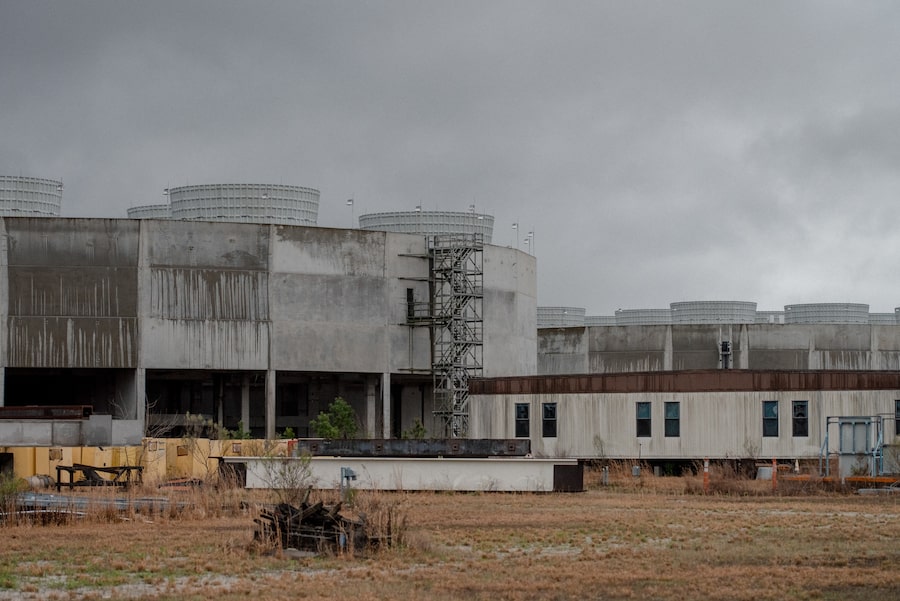
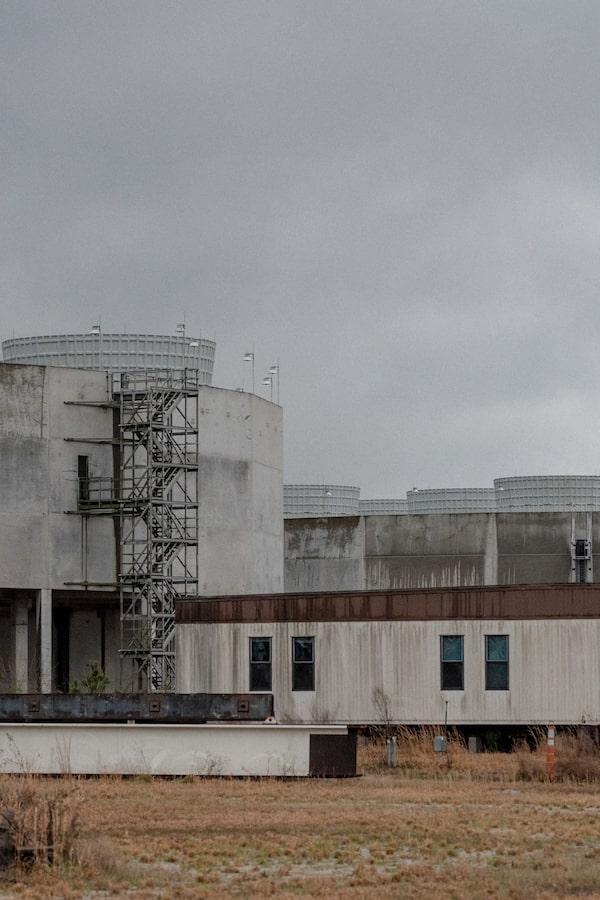
The Virgil C. Summer Nuclear Station, in a sparsely populated corner of Fairfield County, S.C., is a graveyard for nuclear dreams.
Nearly a decade ago, the termination of construction of its two reactors (known as Units 2 and 3) marked an end to hopes of a rejuvenation of American nuclear energy. It bankrupted storied companies. It spawned lawsuits and sent executives to prison. It’s been called the biggest business failure in South Carolina’s history – or just “Nukegate.”
Since workers abruptly departed in 2017, new tenants, including vultures and Canada geese have taken up residence. So far this year, the plant’s owner, Santee Cooper, has identified 14 osprey nests, some atop utility poles. Especially when nesting, the ospreys have “no sense of humour at all,” said Steve Nance, the company’s director of nuclear production and development. With wingspans of about a metre, they’ve been known to attack people and drones.

Since workers abruptly departed the site in 2017, the plant’s owner, Santee Cooper, has has identified 14 osprey nests throughout the site.Kaoly Gutierrez/The Globe and Mail
“They’re extremely territorial,” he said. “If you get close to the light pole, she’ll take off. You’ve got about five minutes before you’re going to get a visit.”
Nonetheless, people are returning to V.C. Summer. Inside a warehouse, roughly 30 workers from nuclear giant Westinghouse Electric Co. have begun reviewing and scanning 5,200 large cardboard boxes of documents. They were generated during construction, which was aborted abruptly in 2017 amid massive delays and cost overruns. Studying them is part of an effort to assess what’s necessary to finish the job.
Eight years after its purchase of Westinghouse, the Brookfield BN-T empire (which is now based in New York, but has Canadian roots) stands to reap a huge windfall that would validate its nuclear gambit.
Santee Cooper, the state-owned utility, selected Brookfield Asset Management as its preferred buyer for the incomplete units. This opportunity squares well with U.S. President Donald Trump’s ambition to reinvigorate the American nuclear sector, and he has publicly identified Westinghouse reactors as a preferred choice for construction.
What could go wrong?
At V.C. Summer, the first time around, almost everything did. Now, Brookfield must deliver what the U.S. nuclear industry’s best and brightest could not, even as it enters business arrangements that bind it more closely with the capricious Trump administration. Its reputation as a shrewd risk manager, built over many decades, is about to undergo what could be its most formidable test.
Brookfield’s nuclear gambit
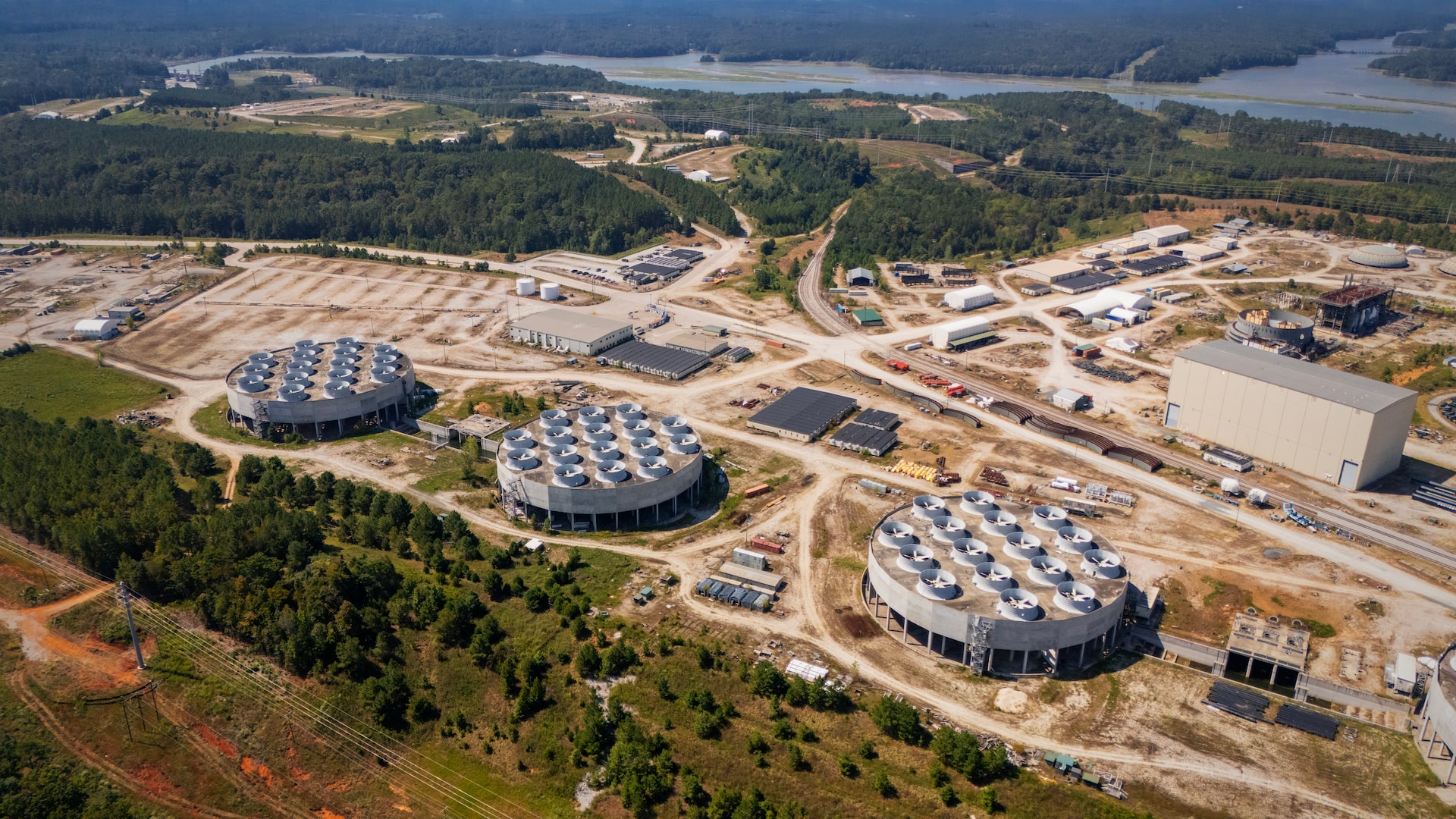
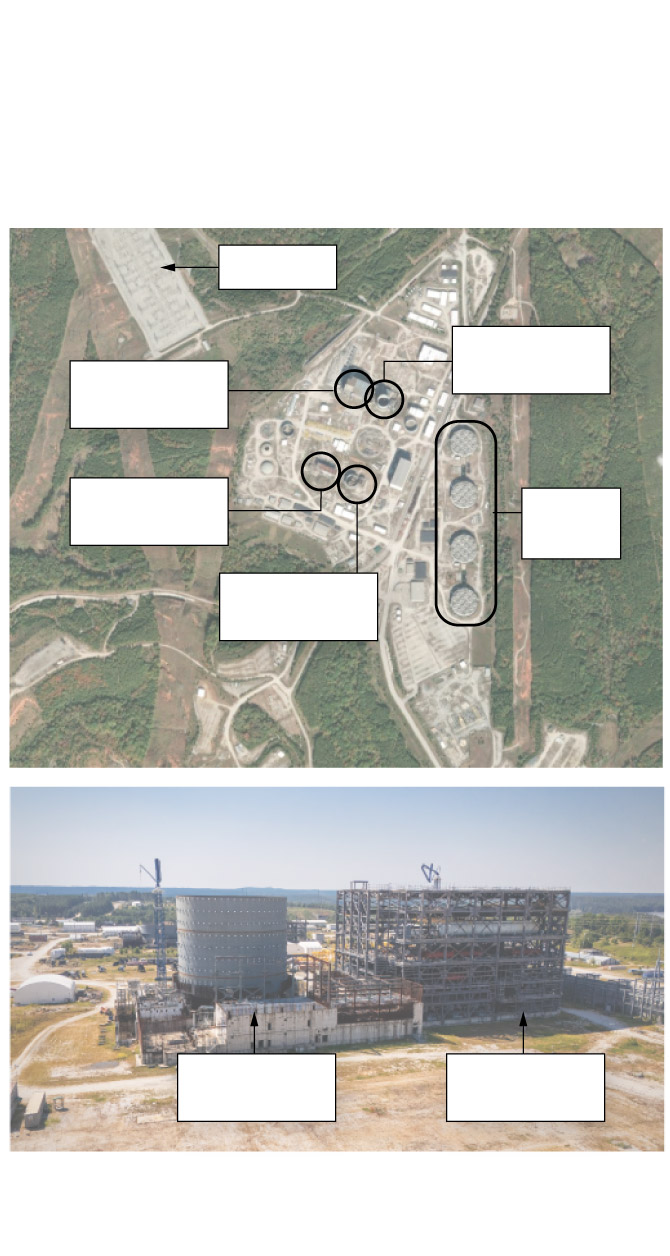
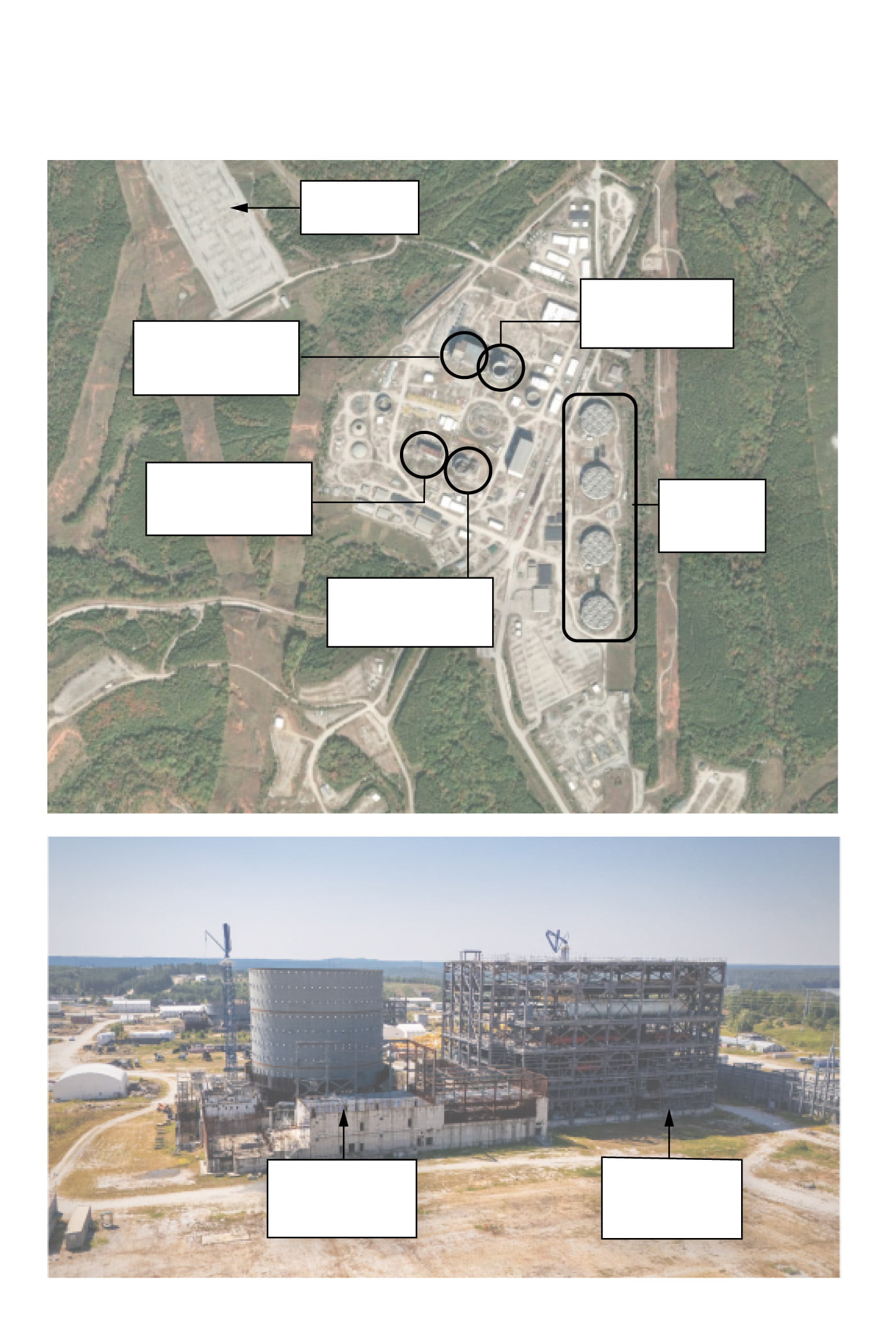
Located less than an hour’s drive northwest of Columbia, South Carolina’s capital, the Units 2 and 3 construction site sprawls over more than 1,000 hectares. Located roughly a kilometre away, the original unit has generated power since the 1980s.
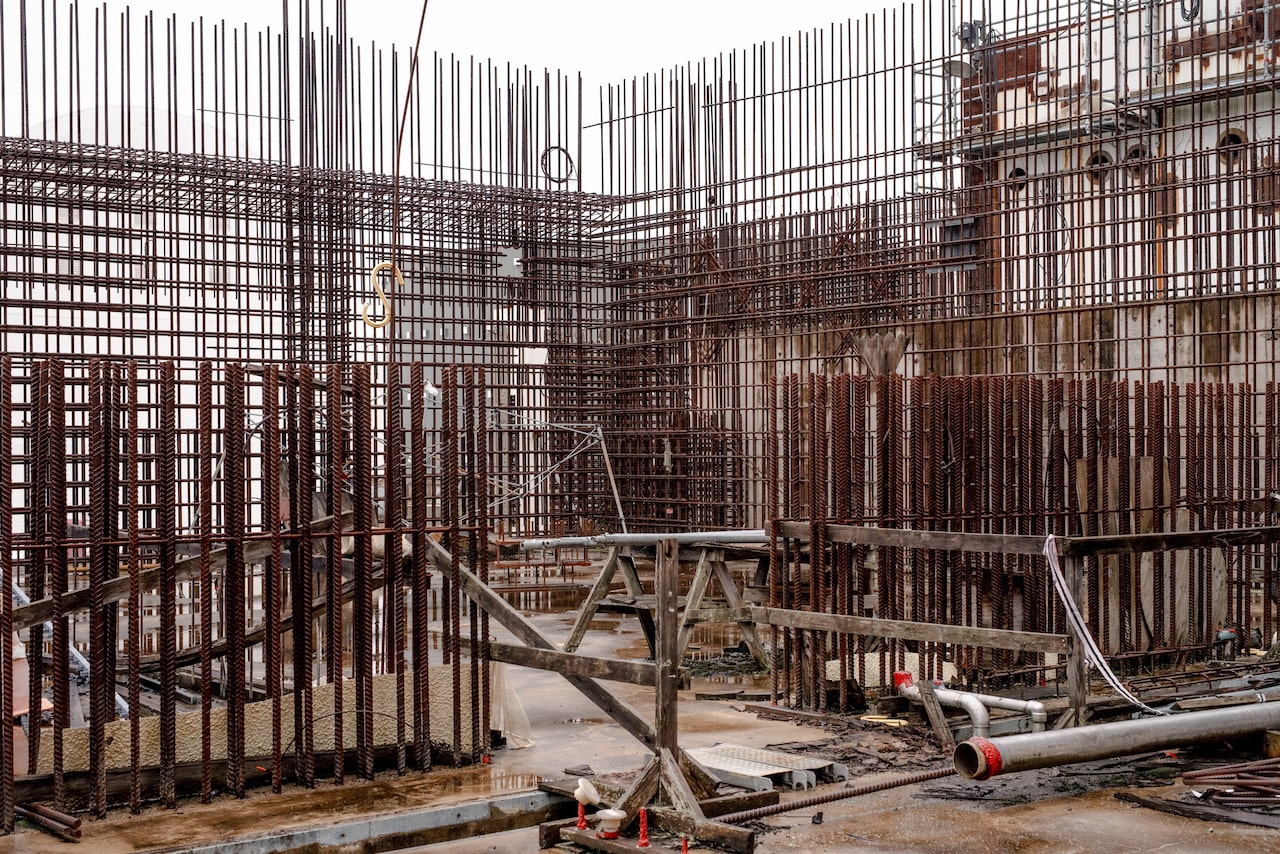
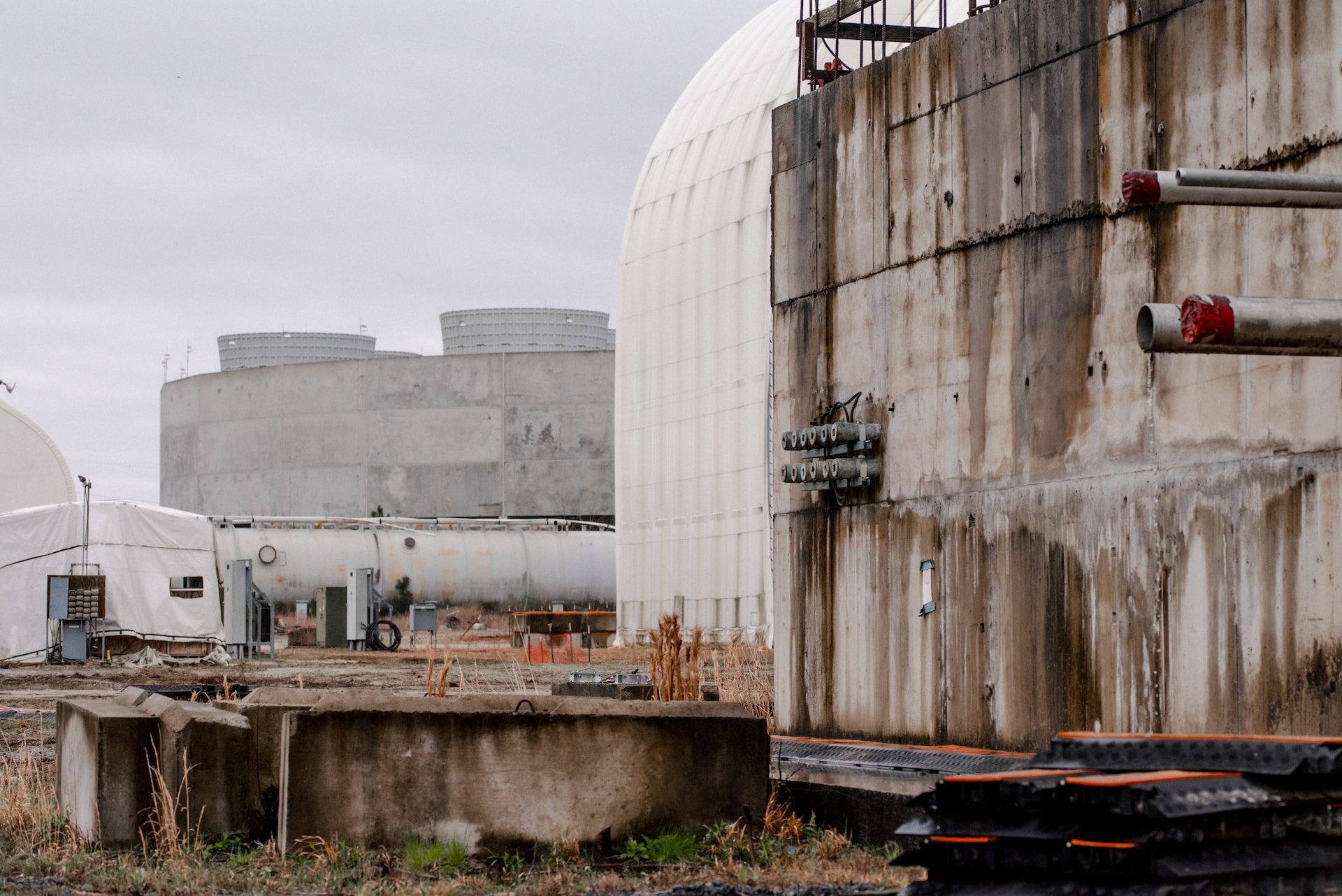
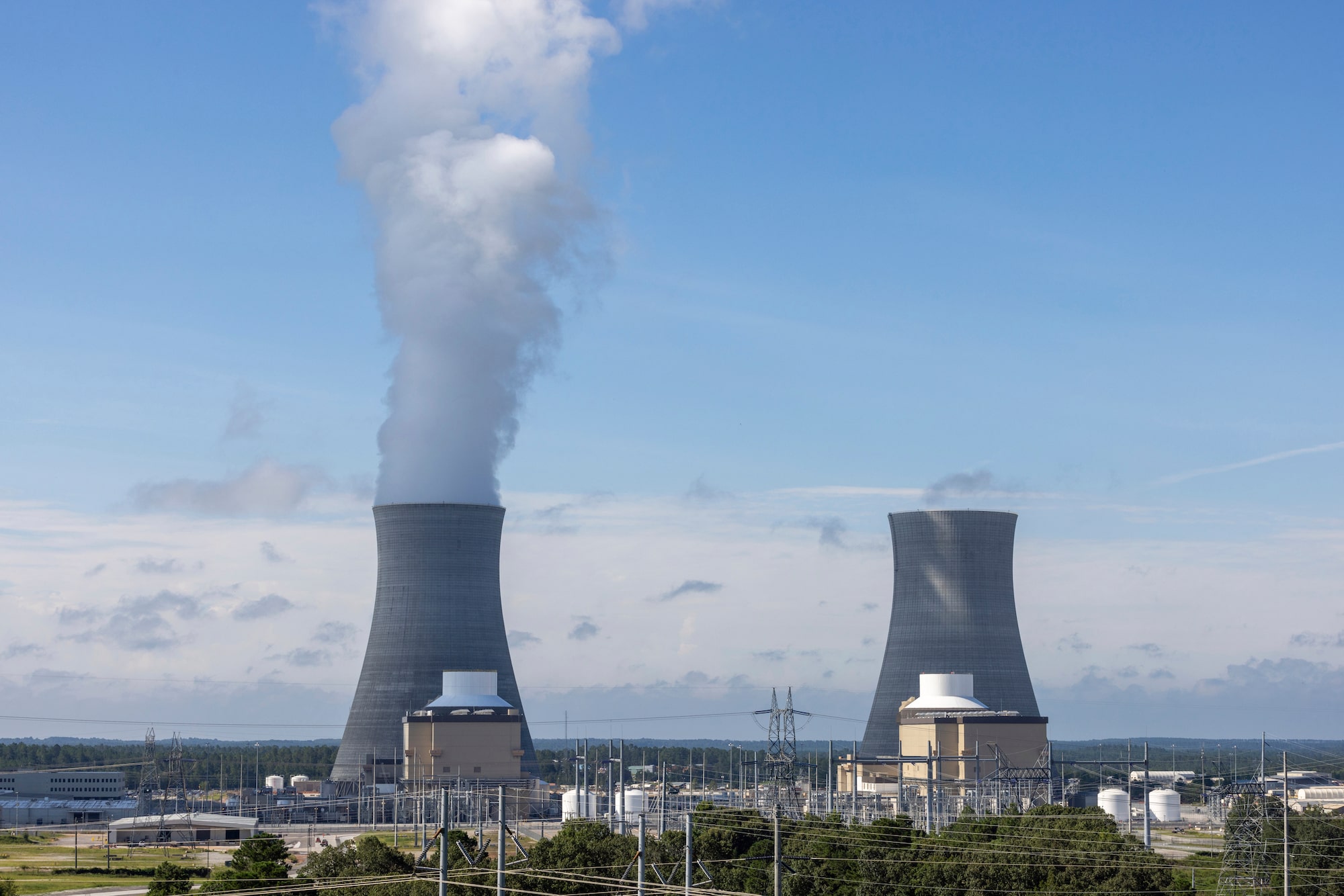
Each of the two units features a large cylindrical structure that would have housed an AP1000 reactor, Westinghouse’s flagship product. Inside Unit 2’s cavernous, roofless structure, the reactor vessel is already concealed by concrete. Those permitted to visit the site can stand inside a tank designed to store 2.4 million litres of water, which would be released into the reactor by an explosive valve during a dire emergency. The silence is punctuated by the sound of dripping water and the occasional indignant, whistling cry of an angry osprey overhead.
Nearby, a larger, skeletal rectangular structure houses steam turbines and other equipment. Inside Unit 2’s turbine building rest three large Hyundai 9,000-horsepower electric pumps. They’re open to the weather but have been maintained: Santee Cooper spent several million dollars annually on maintenance throughout the plant.
Reawakening the giant
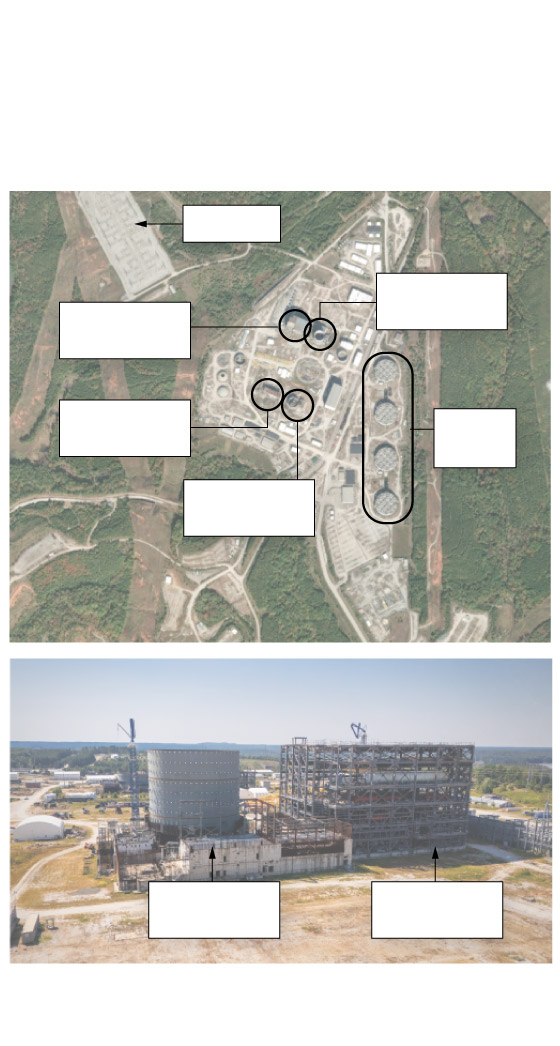
A reported US$9-billion had been spent by the time construction halted on V.C. Summer Units 2 and 3 in 2017. The work was estimated to be about 45% completed, and most station components had already been delivered to the site. If Brookfield decides to resume construction, several more years of work — and billions of dollars in additional spending — are expected.
Switchyard
Unit 2 nuclear
island
Unit 2 turbine
building
Unit 3 turbine
building
Cooling
towers
Unit 3 nuclear
island
Unit 2 nuclear
island
Unit 2 turbine
building
the globe and mail, Source: South Carolina Electric & Gas (plant
description), Esri/Vantor (satellite image), Santee Cooper
(Unit 2 image)
Reawakening the giant
A reported US$9-billion had been spent by the time construction halted on V.C. Summer Units 2 and 3 in 2017. The work was estimated to be about 45% completed, and most station components had already been delivered to the site. If Brookfield decides to resume construction, several more years of work — and billions of dollars in additional spending — are expected.
Switchyard
Unit 2 nuclear
island
Unit 2 turbine
building
Unit 3 turbine
building
Cooling
towers
Unit 3 nuclear
island
Unit 2 nuclear
island
Unit 2 turbine
building
the globe and mail, Source: South Carolina Electric & Gas (plant
description), Esri/Vantor (satellite image), Santee Cooper
(Unit 2 image)
Reawakening the giant
A reported US$9-billion had been spent by the time construction halted on V.C. Summer Units 2 and 3 in 2017. The work was estimated to be about 45% completed, and most station components had already been delivered to the site. If Brookfield decides to resume construction, several more years of work — and billions of dollars in additional spending — are expected.
Switchyard
Unit 2 nuclear
island
Unit 2 turbine
building
Unit 3 turbine
building
Cooling
towers
Unit 3 nuclear
island
Unit 2 nuclear
island
Unit 2 turbine
building
the globe and mail, Source: South Carolina Electric & Gas (plant description),
Esri/Vantor (satellite image), Santee Cooper (Unit 2 image)
“The guys come and rotate them, change oils and desiccant bags,” Mr. Nance said of the giant pumps.
“They do preventative maintenance on them as if they were in service. And that’s what’s going to keep us from having to replace them.”
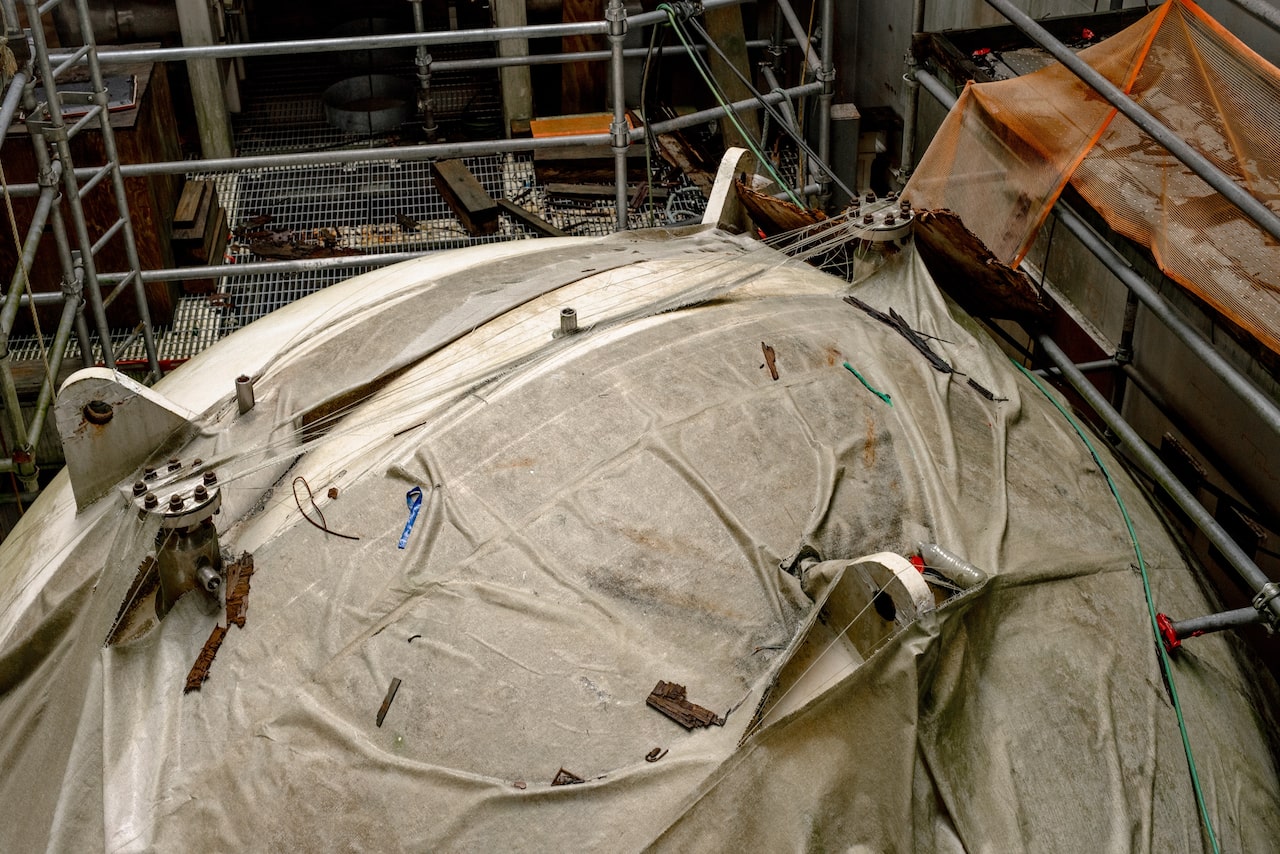
Large white storage tents scatter the site. Inside one, Unit 3’s 420-ton reactor pressure vessel rests on its side, covered in a thin layer of rust.
Another tent nearby contains two towering assemblies known as integrated head packages, which would be placed atop the reactor vessels. Each weigh about 360 tons and cost hundreds of millions of dollars.
In another tent sit four bright yellow Caterpillar diesel generators, which look brand new. The 500-ton crane used to lift components into place, though disassembled, remains on-site.
Mr. Nance said that under the original contract, Westinghouse and its partners got paid to deliver equipment, whether installed or not. The upshot is that an estimated 85 per cent of components required to finish both units are already there. Inspections thus far offer a favourable prognosis on their condition, he added: “So far, nobody’s found any showstoppers or deal-breakers.”
That’s part of Santee Cooper’s pitch to Brookfield: Whoever else might answer Mr. Trump’s call to construct AP1000s, the V.C. Summer units have a considerable head start.
Brookfield’s journey to commencing what has been dubbed the first privately funded nuclear project in American history was circuitous. In 2017, an opportunity arose when Westinghouse sought protection from its creditors. Brookfield’s private equity unit bought the stricken company for US$4-billion – far less than the cost of a single nuclear reactor.
It was a gamble.
Westinghouse’s roots date from the nuclear age’s earliest days, having designed and supplied the world’s very first commercial pressurized water reactor in Shippingport, Pennsylvania. It went on to dominate: Most reactors worldwide are pressurized water reactors, and most of those use Westinghouse technology.
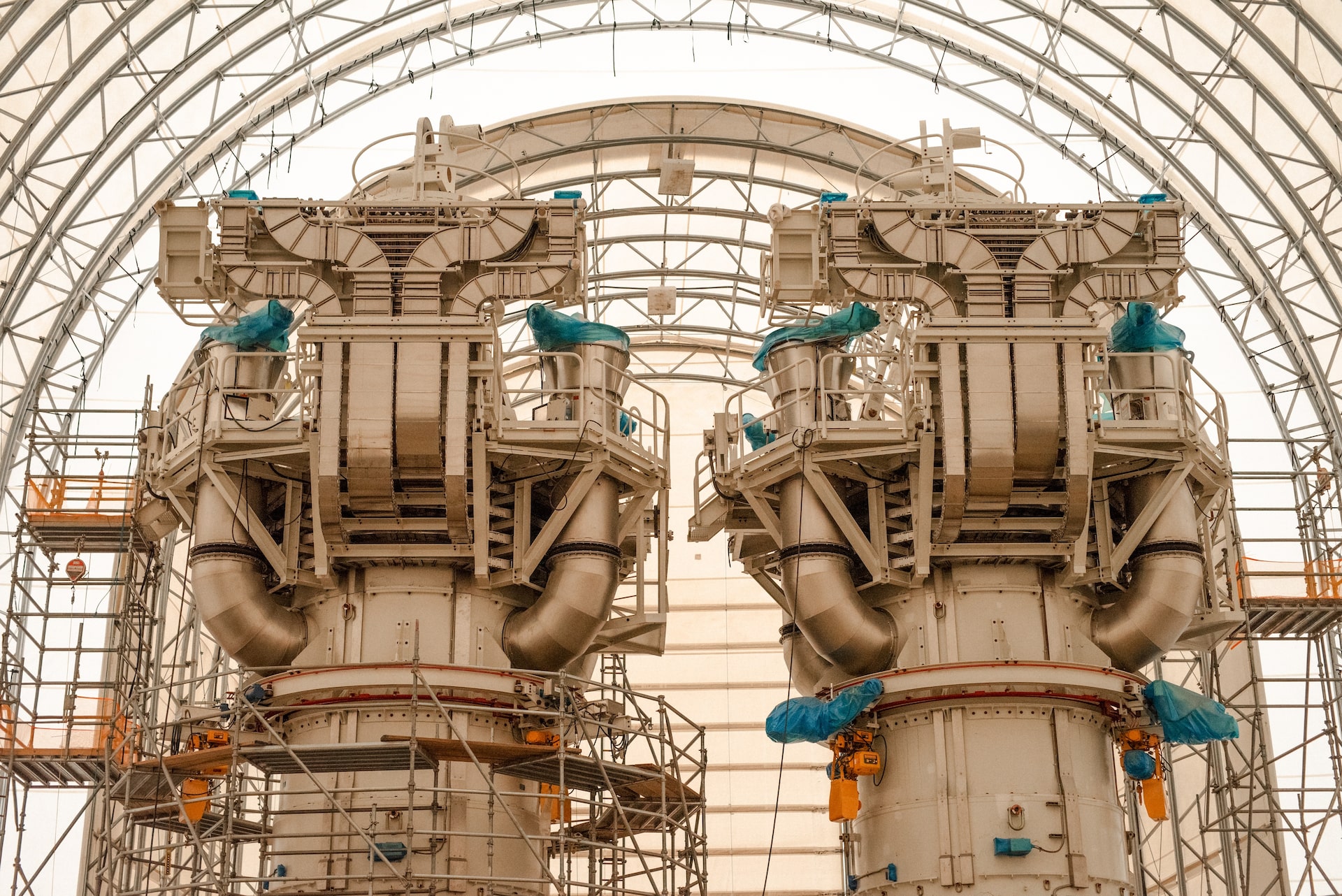
By virtue of that legacy, Westinghouse held more than 1,500 patents. Its intellectual property included the AP1000, among the few reactor designs already certified by the U.S. Nuclear Regulatory Commission, or NRC. Westinghouse also had talent, employing 11,500.
But Westinghouse’s collapse did great violence to its prestige. Having botched V.C. Summer so completely, it was hard to conceive how it could attract further orders for AP1000s.
Fortunately, there was more to Westinghouse’s business: It was also a major service provider to utilities, earning revenues during regular outages when reactors needed refuelling and maintenance. “We could really see a path to seeing our returns in that part of the business,” said Jennifer Mazin, a Brookfield partner who sits on Westinghouse’s board, at a conference held by CIBC in Toronto in March. (Brookfield declined several interview requests for this story over a period of a few months.)


The 420-metric-ton reactor pressure vessel for Unit 3 sits in a tent awaiting installation, surface corrosion covering its exterior. The massive forging was made in South Korea.Kaoly Gutierrez/The Globe and Mail
Sales prospects for AP1000s have improved considerably since then. Last year, Mr. Trump issued a flurry of executive orders, one of which demanded that construction begin on 10 large new reactors on American soil by 2030. Another order initiated a radical restructuring of the NRC aimed at speeding the permitting process. Yet another order called on the Secretary of Energy to prioritize “completing construction of nuclear reactors that was prematurely suspended.”
Jimmy Staton, Santee Cooper’s chief executive, had already been looking for ways to restart construction. Reading that executive order, he said, “we had a pretty good idea” Mr. Trump meant V.C. Summer.
“The government’s very supportive of this,” he added.
Brookfield agreed to buy the two V.C. Summer units on a “as-is, where-is” basis and finish the job. It’ll pay Santee Cooper US$2.7-billion in exchange for a 75-per-cent ownership stake. (Santee Cooper would retain the remaining quarter.) Potential buyers for the electricity include large data companies, or other utilities in South Carolina, Mr. Staton said.
Brookfield must finish assessing the project’s feasibility and report back to Santee Cooper on a proposed schedule for completing construction. Arriving at a decision on whether to proceed is expected to take between 18 and 24 months, and could cost as much as US$200-million. Mr. Staton said that according to early estimates, it could take five to seven years to finish the plant.
Brookfield can still back out. But if it proceeds, it will accept risks that Westinghouse itself has sworn off.
Unmitigated disaster
Westinghouse had long acted largely as a reactor designer, providing crucial plans that others could use to build nuclear plants.
That changed after Japan’s Toshiba Corp. purchased the company in 2006. Two years later, Westinghouse signed an agreement with Santee Cooper and its partners (the most important of which was South Carolina Electric & Gas, or SCE&G) to build V.C. Summer Units 2 and 3, at an estimated cost of about US$9.8-billion. Westinghouse guaranteed completion of the first reactor by April 1, 2016, the second by 2019 – and agreed to substantial penalties if it missed those targets.

Japan’s Toshiba Corp. acquired Westinghouse in 2006 in a bid to secure a large stake in the global nuclear energy market.ANDRONIKI CHRISTODOULOU/Reuters
It was a risky move for Westinghouse and also for South Carolinians. That’s because SCE&G had persuaded state lawmakers to introduce legislation that would allow it to recover some of its capital costs during construction.
Scott Elliott is a Columbia-based lawyer who practices mainly before the South Carolina Public Service Commission. His client roster includes the South Carolina Energy Users Committee, which represents large industrial power users. Its members were happy to have a nuclear plant, he said, but worried about the legislation’s implications.
“It made it awfully easy for SCE&G, and the utilities in general, to raise rates,” he said.
Those fears were realized after V.C. Summer got off to a bad start. After Westinghouse had already signed the contracts, the NRC demanded changes to the AP1000’s design, leading to early delays. Concrete wasn’t poured until 2013. Unavailability of basic materials such as standard rebar led to further delays.
“There were like five cost overrun proceedings,” Mr. Elliott recalled.
“And they kept going up: $200-million, then $500-million, and the last one was over $1-billion.”
By the time 2016 rolled around, the original budget had nearly been spent, construction wasn’t even half-finished, and Westinghouse’s relations with key partners had degenerated into finger-pointing, lawsuits and withheld payments.
“I don’t think Westinghouse knew what they were doing,” Mr. Elliott said.

Construction equipment at the site of the V.C. Summer Nuclear project in April, 2012. Westinghouse guaranteed completion of the first reactor by April 1, 2016, but by the time the deadline arrived, construction wasn’t even half-finished.Jeffrey Collins/The Associated Press
Westinghouse faced a dilemma: It could either pony up the additional billions of dollars needed to complete the plant, or bail out and pay massive penalties. Unable to afford either option, it applied for court protection from its creditors under Chapter 11 of the U.S. Bankruptcy Code.
The fallout was ugly for all involved.
Toshiba withdrew from the reactor-building business and took a US$6-billion writeoff. It eventually agreed to pay US$2.2-billion to exit its obligations.
SCE&G’s owner, SCANA Corp., abandoned the project in 2017. Teetering on bankruptcy, SCANA agreed to merge with Dominion Energy Inc. within months.
Santee Cooper’s CEO retired. Prosecutors targeted top officials at the companies involved: SCANA’s former CEO was among those sentenced to prison time.
Worsening matters, V.C. Summer wasn’t Westinghouse’s only failed project. It was simultaneously the main contractor on two nearly identical units under construction at the Alvin W. Vogtle Electric Generating Plant in Georgia, just two hours away by road.
Georgia Power teamed up with new partners to complete Vogtle. Its AP1000s started generating power in 2023 and 2024, seven years late. The two units cost nearly US$37-billion, as compared to an original budget of US$14-billion. Vogtle has been dubbed the most expensive power plant ever built.
Take two
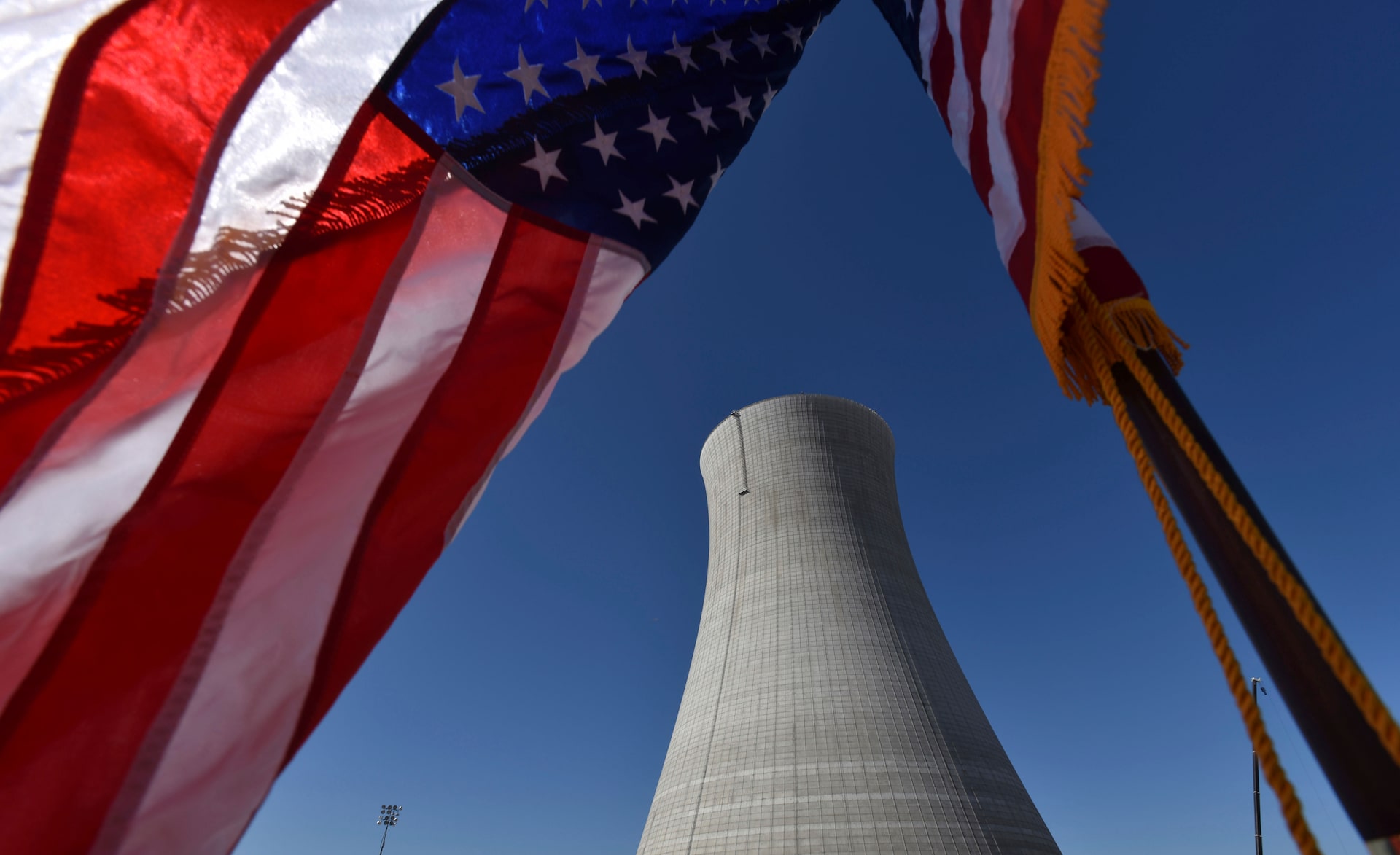
One lesson from V.C. Summer and Vogtle is that when building a nuclear power plant, one must select one’s partners carefully. Contracts must be structured such that all parties are motivated to solve problems as they arise – because they inevitably will.
After Chapter 11, Westinghouse vowed to never again assume the huge risks of constructing a nuclear plant. Brookfield has deep experience in power generation generally, and has also worked on complex hydroelectric, real estate and infrastructure projects. But it has never before built a nuclear plant. Can it woo the right partners on the right terms?
This could be tricky.
Experts told The Globe that it will probably need a utility partner that is licensed as a nuclear operator by the NRC.
“Let’s say they build the danged things,” said Mr. Elliott. “State law would require them, if they’re going to sell the electricity, to be a regulated utility.”
For Santee Cooper’s part, Mr. Staton makes it clear he has no intention of assuming more risk or contributing capital to the project. It’s Brookfield’s show.
“I feel like we found the best partner in Brookfield,” he said.
“They have a great balance sheet. Most importantly, though, they are risk managers.”
But Brookfield is not keen to repeat Westinghouse’s mistake of shouldering the bulk of the project’s risks. At the CIBC conference, Ms. Mazin said Brookfield regards creating a “risk-sharing model” among the parties involved as crucial to the project’s success.
“We’re looking at all the components of having off-takers, utility, lenders, governments, partners, share risk,” she said.
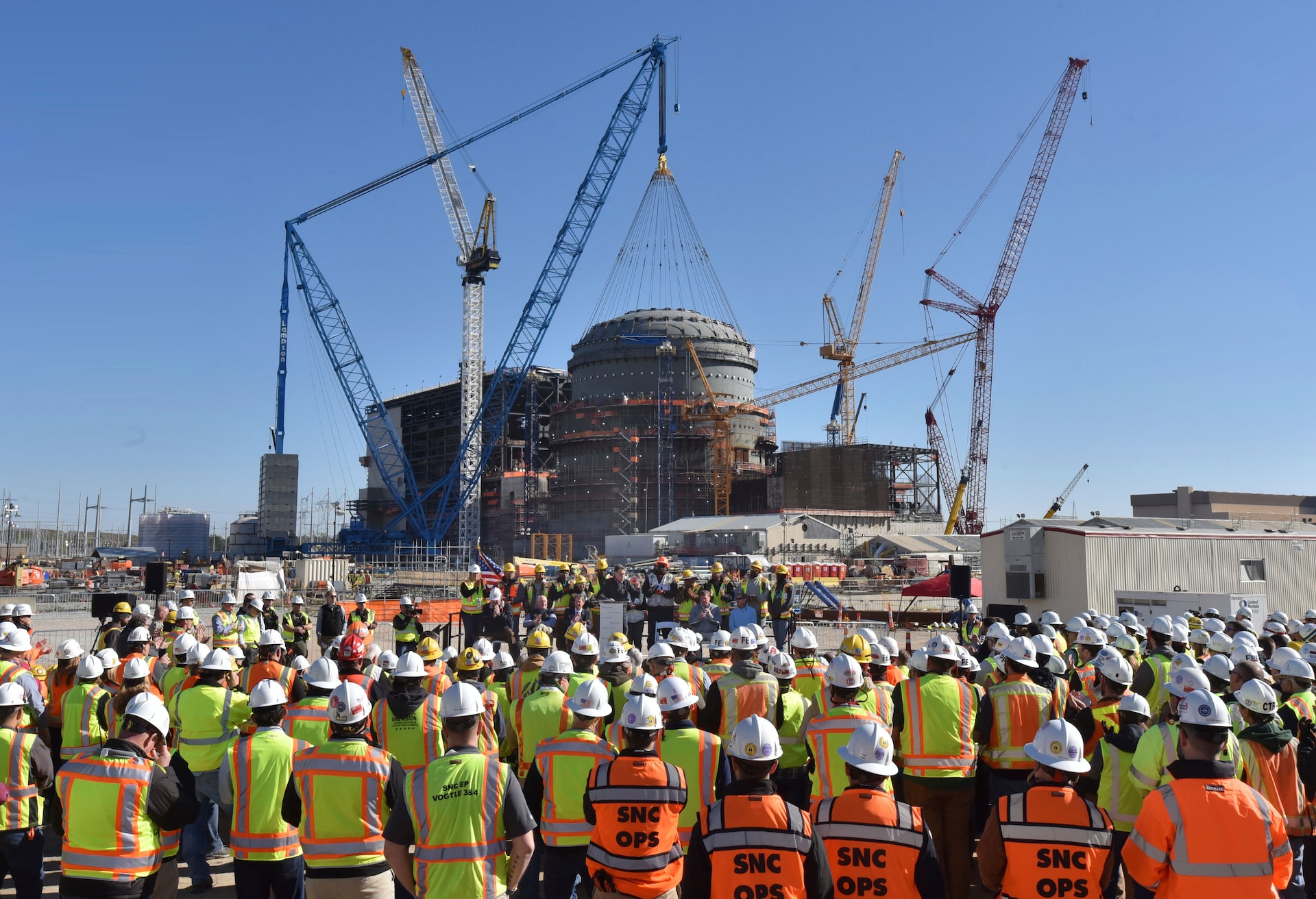
Brookfield can further reduce risk by not overpaying for the project. As compared to the US$9-billion that Santee Cooper and its partners reportedly spent on the project, the US$2.7-billion Brookfield has promised to pay might seem like a steal.
Tom Clements, an activist and director of Savannah River Site Watch who intervened for many years before the Public Services Commission concerning the project, doubts rosy assessments of the plant’s condition. His organization monitors energy and nuclear issues, particularly nuclear wastes and plutonium management at the U.S. Department of Energy’s Savannah River Site in South Carolina. He points out that much of the plant’s equipment has been exposed to the elements.
A bigger concern, he added, is that the Nuclear Regulatory Commission must certify that plant equipment meets a high standard known as “nuclear quality.” But NRC inspections ceased after the project was halted.
“The fact that Santee Cooper may have been keeping it in buildings with air temperature and humidity controlled, I don’t know if that’s enough to certify that they’re nuclear qualified – the valves, the pipes, the pumps, the whole bit.”
An additional complication is that some plant components were sold. Mr. Staton confirmed that “small components here and there” had been sold to Vogtle as replacement parts, and Santee Cooper also struck an arrangement to sell plant components to Ukraine, which had been exploring construction of AP1000s.
On the other hand, the AP1000’s design has matured greatly during the last 20 years. Mr. Staton said Vogtle’s completion represents a tremendous advantage: It allows would-be AP1000 builders to learn from previous mistakes, and hire professionals who’ve already built one.
“We’ll be able to bring that kind of experience to the table here in South Carolina,” Mr. Staton said.
To that end, Brookfield announced earlier this month that it had formed a partnership with The Nuclear Company, a startup unveiled in 2023 that has hired dozens of former Vogtle and V.C. Summer veterans (some out of retirement) and markets itself as having been “built on the field of Vogtle.” The two partners will establish a new company specializing in deployment of Westinghouse reactors, including the AP1000 – and Brookfield has selected the new company as project manager to complete the V.C. Summer units.
Moreover, Westinghouse recently submitted an application to the NRC seeking to establish Vogtle Unit 4 as the standard design for future AP1000 deployments.
Uneasy bedfellows
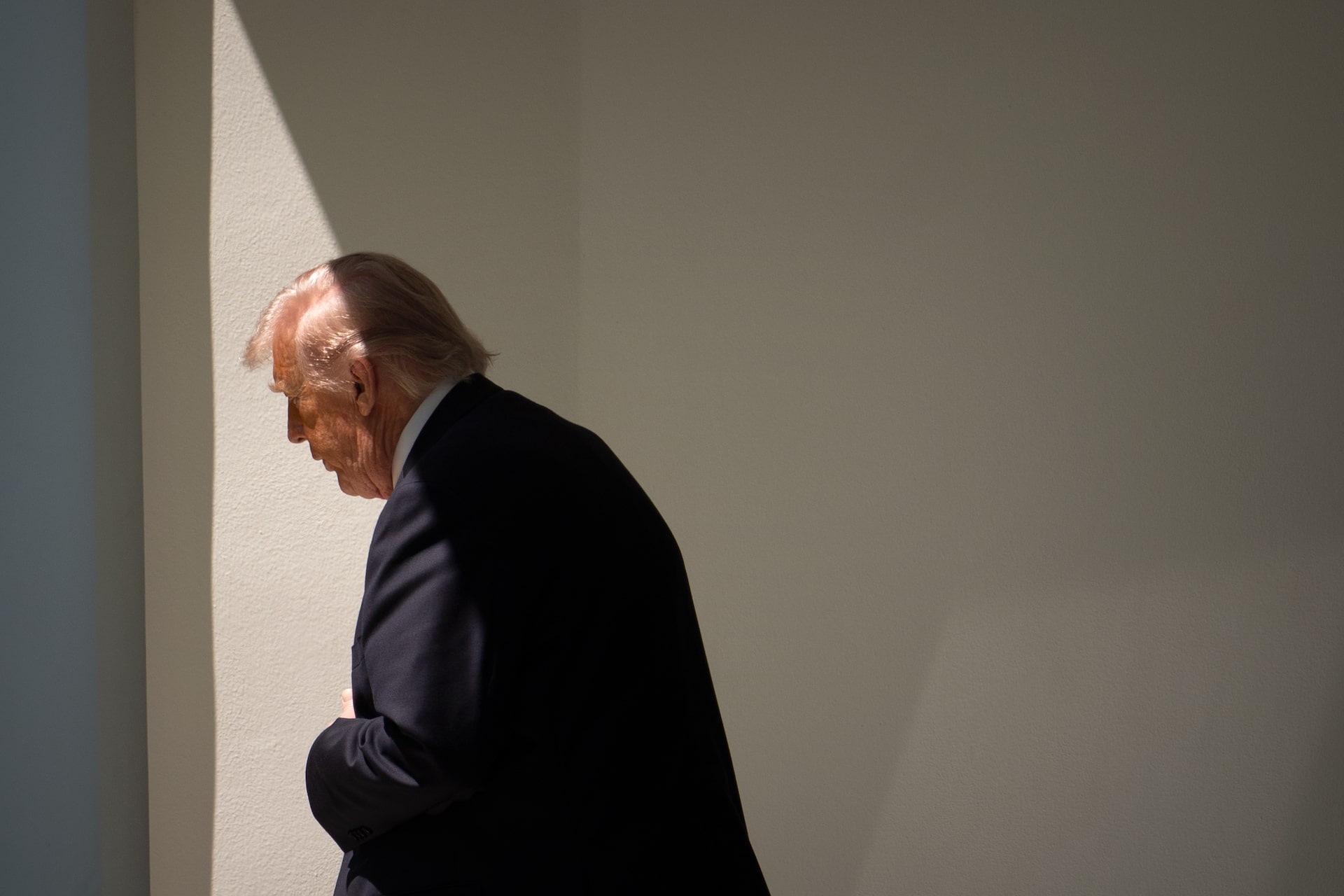
Perhaps the biggest wild card dealt to Brookfield is President Trump.
One of the most daunting hurdles for nuclear projects is obtaining financing. Mr. Trump seemingly made that easier: Just days after Santee Cooper announced its partnership with Brookfield, the U.S. government announced that Japan had agreed to provide up to US$332-billion toward building energy infrastructure on American soil; at least US$80-billion had been specifically earmarked for Westinghouse reactors.
Santee Cooper said the unfinished V.C. Summer units will not qualify for that financing. But that money could springboard new AP1000 constructions. In a conference call late last year, Brookfield Asset Management’s then-president, Connor Teskey, said that funding “positions Brookfield at the centre of a historic build-out of clean baseload power, creating one of the most compelling growth opportunities across our transition platform, and potentially one of the most successful investments in Brookfield’s history.”
But Mr. Clements, of Savannah River Site Watch, noted that in the year since that financing was announced, there haven’t yet been any takers.
“Where are the electric utilities that are in on the deal, saying, ‘We want two of these AP1000s right here’?” Mr. Clements asked.
“They’re all looking at Vogtle and they don’t want to get burned. So who’s going to be first out of the gate?”
Brookfield’s co-owner of Westinghouse, Saskatoon-based uranium miner Cameco Corp., has acknowledged uncertainties about what might come out of Westinghouse’s arrangement with the U.S. government. In a recent filing, it noted that Westinghouse’s financial performance will depend on “the ability of the executive branch of the US government to obtain funding and support for the deployments” – a reminder that it’s not a done deal.
If the U.S. government places a final order of US$80-billion for Westinghouse reactors, it earns the right to 20 per cent of the resulting profits, worth about US$17.5-billion. And if Westinghouse reached a valuation of at least US$30-billion by January, 2029, the government could acquire a 20-per-cent ownership stake in Westinghouse.
Brookfield says that stake would come without governance rights. It regards the U.S. government as an unbeatable partner: that US$30-billion target valuation is more than seven times what Brookfield paid for the company in 2018.

The integrated head package inside Vogtle’s Unit 3 in January, 2023, months before it began commercial operation. Westinghouse recently submitted an application to the Nuclear Regulatory Commission that, if approved, would establish Vogtle Unit 4, which came online in 2024, as the standard design for future AP1000 deployments.John Bazemore/The Associated Press
Another perennial challenge for nuclear projects is acquiring permits. But Mr. Trump has quickly retooled the U.S. nuclear industry’s regulatory apparatus with a view of establishing “lasting American dominance.” One of his executive orders argued the NRC’s long licensing processes had brought development of nuclear power in the U.S. to a halt. The NRC had “tried to insulate Americans from the most remote risks,” according to Mr. Trump, who ordered it be reorganized; licence applications must henceforth be processed in 18 months or less.
Mr. Clements said that as recently as a few years ago, re-applying for licences for V.C. Summer would have been arduous. But “the way things are going in this country, it may be just a pretty simple process with the NRC,” he conceded.
But if all of this seemingly puts wind in Brookfield’s sails, Mr. Trump’s relations with partners and allies are famously tumultuous. For Brookfield, the price of dissatisfying him are incalculable, but potentially steep.
By some accounts, the Trump administration has already become restless. Citing nine unnamed industry and government sources, Canary Media (an American non-profit news organization covering energy, particularly renewables) reported in March that the administration had begun talks with representatives for two Westinghouse rivals: GE Vernova Hitachi Nuclear Energy and Korea Electric Power Corp. The report asserted that the U.S. Department of Energy felt Westinghouse and Brookfield are moving too slowly.
History suggests nuclear projects require much patience.
Chris Gadomski, lead nuclear energy analyst with BloombergNEF, said that while government policy can help get nuclear plants built, it’s not enough: Utilities, which are typically cautious, must spend large sums and assume great risks.
“I’ve talked to operators of large U.S. fleets about starting 10 large reactors by the end of Trump’s second term. And the response was just laughter – it’s never going to happen.”
Mr. Elliott, the Columbia-based lawyer, said Brookfield was virtually unknown in South Carolina, but completing V.C. Summer could elevate it to heroic status.
“Based on my history with this project, I’ll believe it when I see it.”