

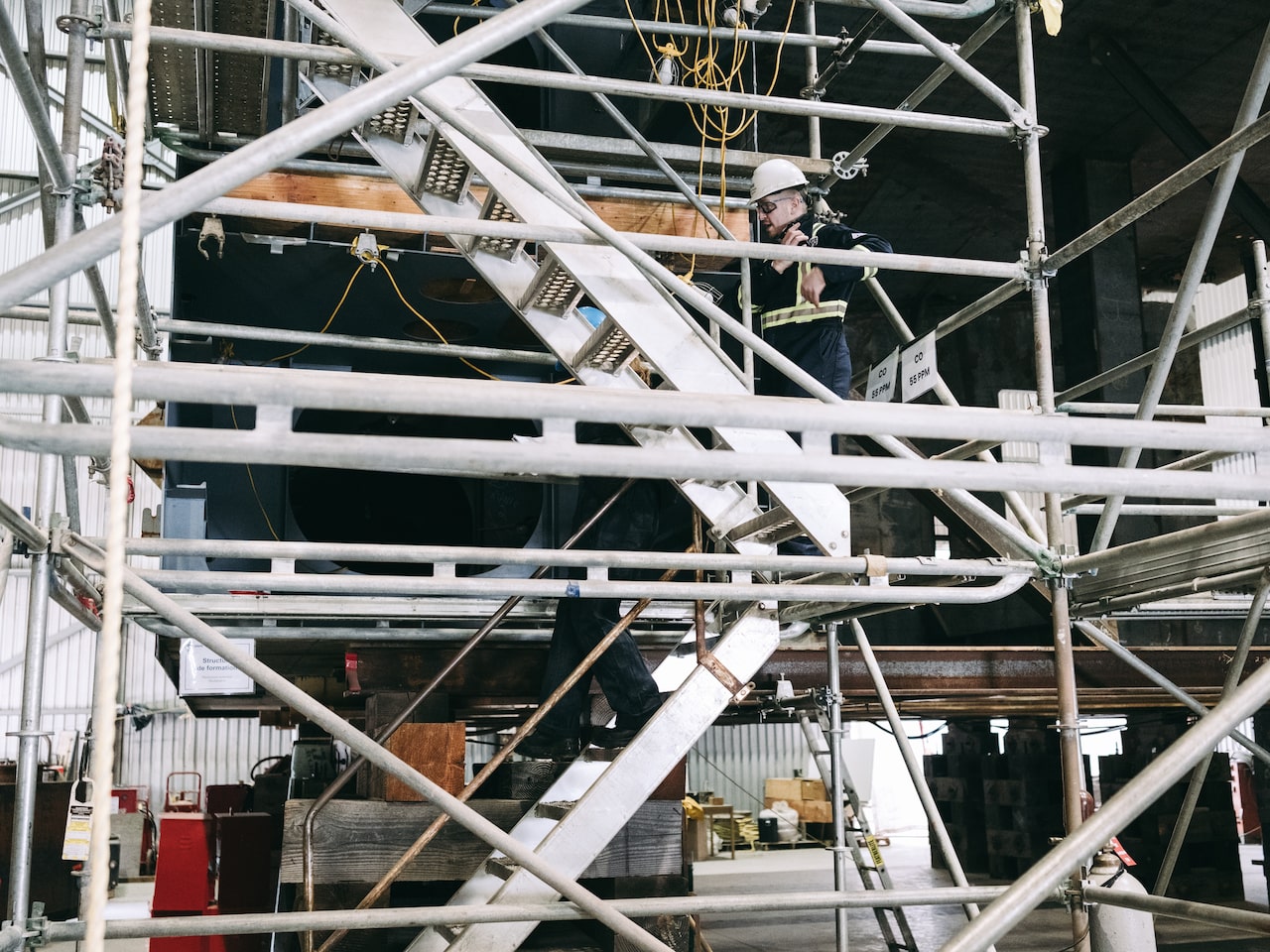
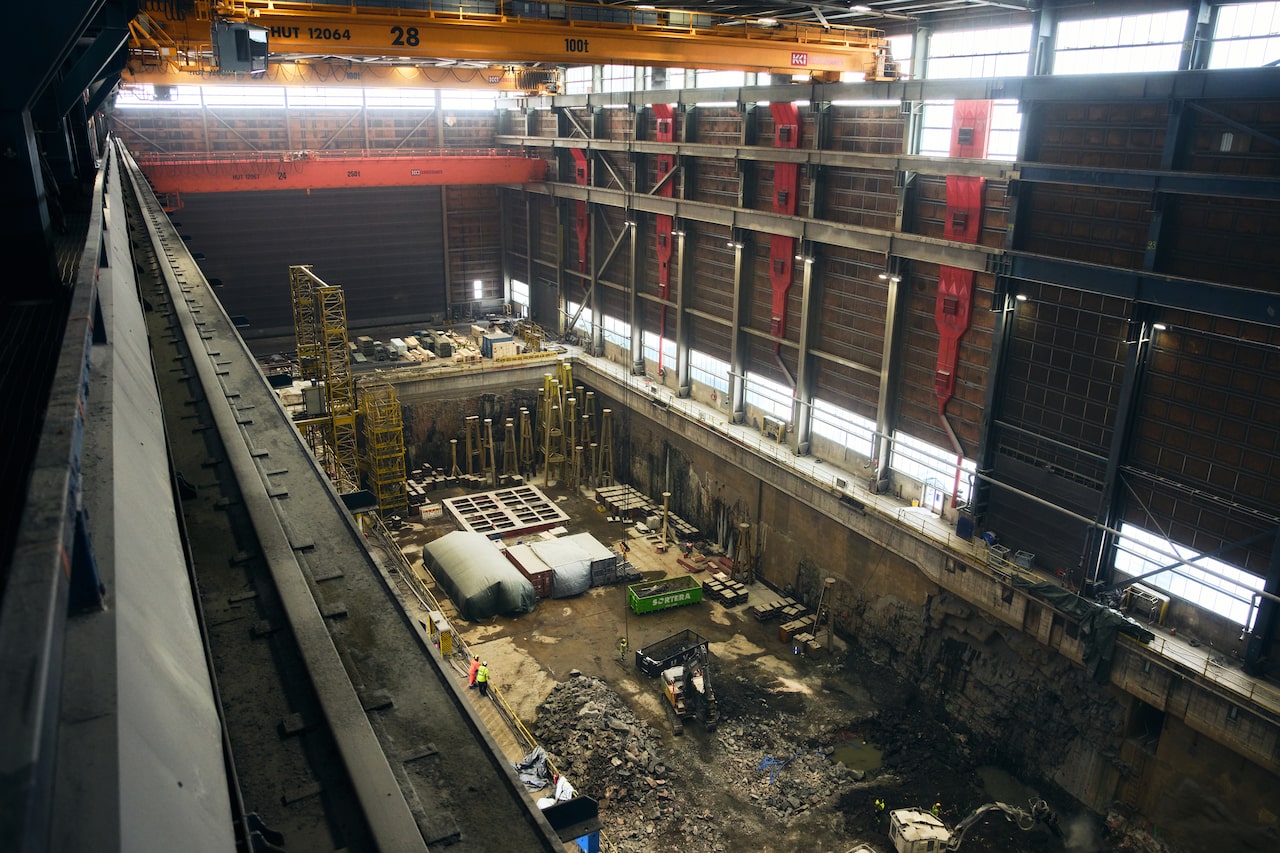
The construction workers below look like ants operating little toy machines as we scale a short metal staircase roughly nine storeys above ground level at the dry dock in the heart of Helsinki.
A rickety elevator ride and the stairs bring us eye-level with a cramped cab in which the overhead crane operator typically sits, controlling the gargantuan machine that towers above the rest of the dock and moves large loads for a ship under construction, one load at a time. It’s a critical position and not for the faint of heart.
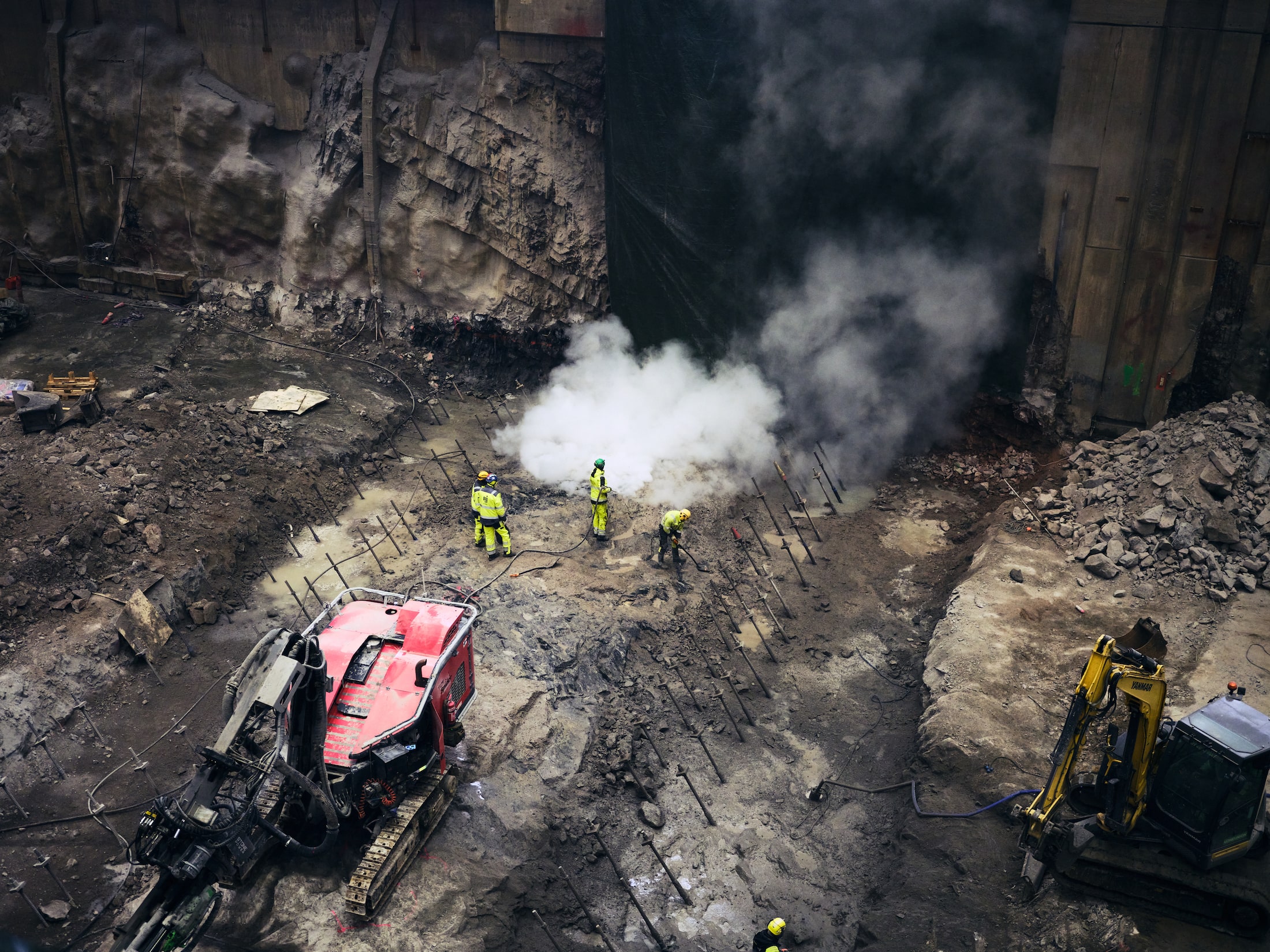
From our perch near the rafters, we hear loud clangs and watch as plumes of dust erupt from the gaping 280-metre-long cavity below where a ship typically sits while it is being built or in for repairs. Today, part of the dock itself is under repair, while another part houses the beginnings of one of Canada’s new heavy icebreakers, the Polar Max.
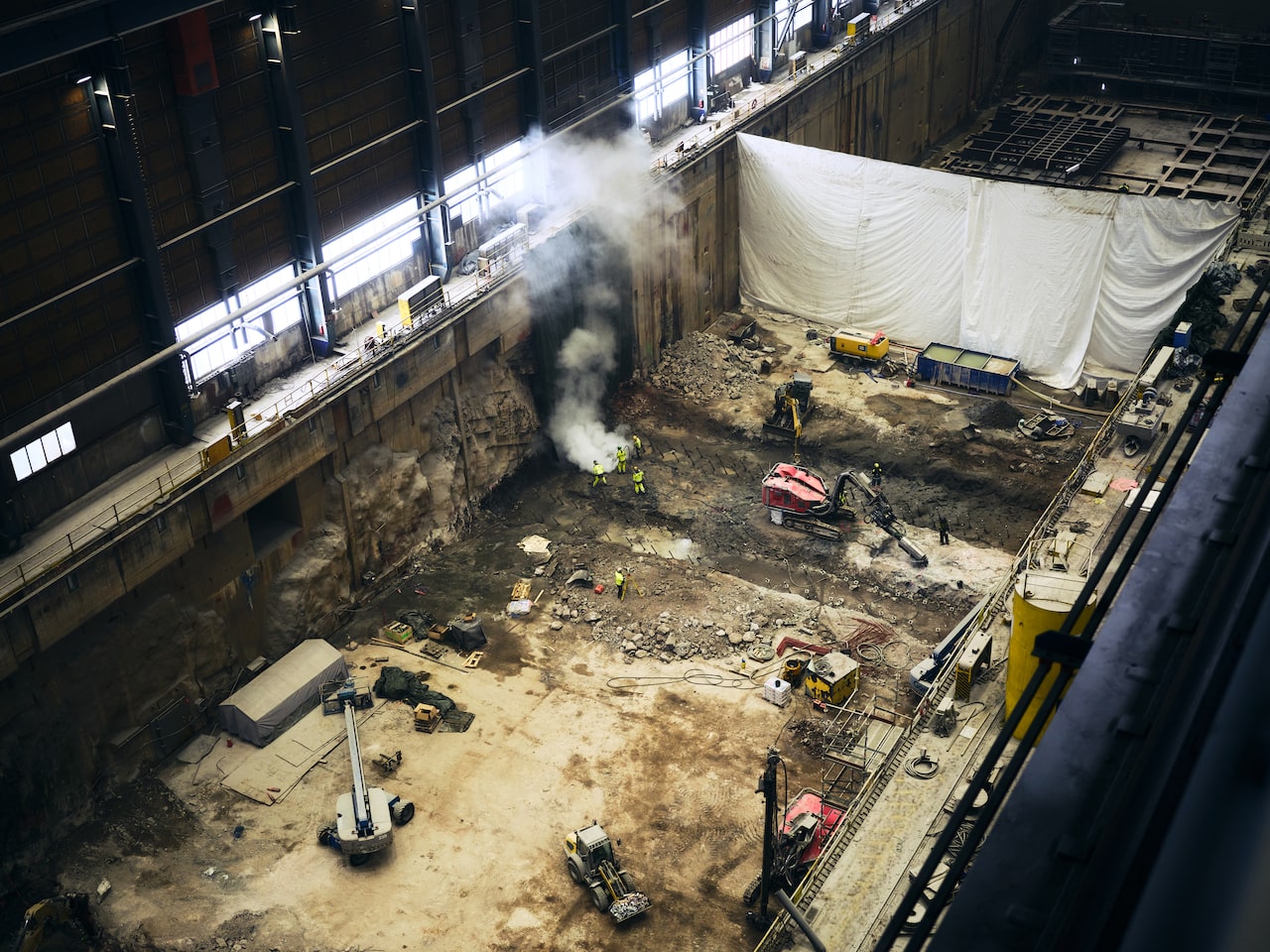
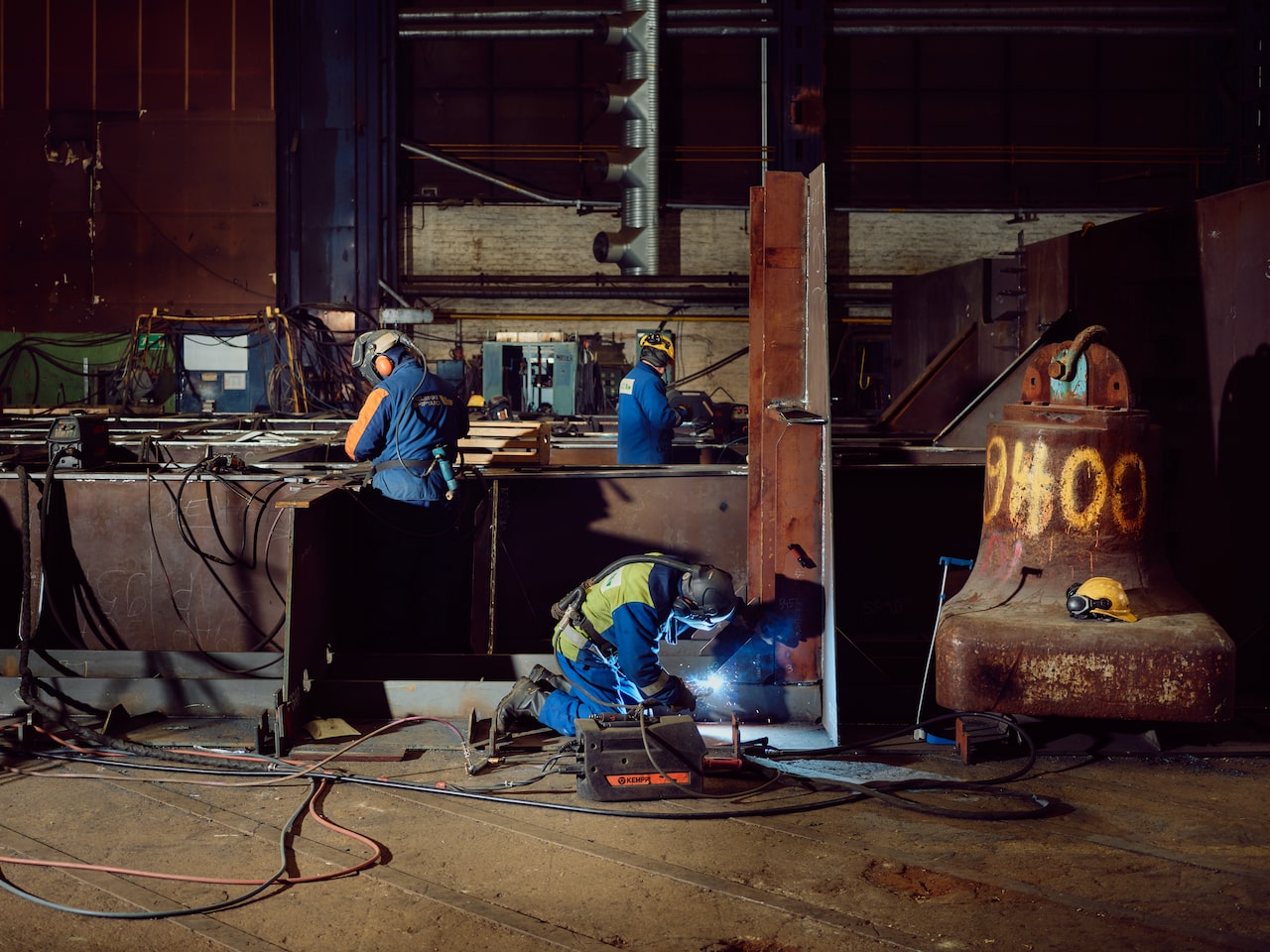
The ants below are welders, electricians and engineers. Their work is laborious and dirty, freezing at times and sweltering at others. But soon, they’ll be able to tell the story of their role in Canadian history, in the making of an icebreaker fit to assert Canada’s Arctic sovereignty.
“When ready, the vessel will be the most powerful diesel icebreaker in the world,” Kim Salmi, chief executive officer of Helsinki Shipyard, said about the ship, which also uses electric power.
The work taking place on this cold February day under clear skies in downtown Helsinki is a marriage of Canadian and Finnish expertise. One that was officiated, in part, by James Davies, chief executive officer and co-owner of Canada’s own Davie Shipbuilding (no relation to the company’s founding Davie family).
Once overlooked by the federal government for inclusion in its National Shipbuilding Strategy, caught up in a scandal involving Vice-Admiral Mark Norman, and criticized for using foreign shipyards to fulfill Canadian contracts, the more than 200-year-old company Mr. Davies now leads has grown since it was acquired by his British-based Inocea Group in 2012. Burgeoning from its roots in Quebec, the Davie name is now synonymous with shipyards in Finland as well as the United States, putting the company at a critical nexus between the three Arctic nations that have pledged to work together on icebreaking capabilities. It’s an advantage that no other shipbuilder can claim.

Prime Minister Mark Carney visits Royal Canadian Air Force 440 Transport Squadron in Yellowknife in March, where he unveiled a $35-billion plan to boost Canada's arctic defences.Carlos Osorio/Reuters
Icebreakers are growing in importance for the federal government which, under the leadership of Prime Minister Mark Carney, is placing a renewed emphasis on Arctic sovereignty. Canada has long lacked year-round visibility in the region and a sustained presence along its northern border, with Coast Guard operations limited to specific seasons.
According to an Auditor-General’s report, the sparsely populated Far North has been left vulnerable to bad actors who see the increasingly ice-free waterways as an attractive place to conduct illegal activities or assert their own presence. While Canada’s fleet of 18 icebreaking vessels seems an impressive number at first, it pales in comparison to the 40-some ships Russia is estimated to have and continues to build today.
That’s why Canada, in partnership with Finland and the U.S., established the Icebreaker Collaboration Effort, or ICE Pact, in 2024, to enhance and share their joint knowledge of icebreaker production – a key capability for all three Arctic countries in surveilling and understanding the North.

On the West Coast, workers at Seaspan Shipyards in North Vancouver are building one of the two heavy icebreakers Canada has ordered to supplement its aging fleet.NAV RAHI/AFP/Getty Images
It’s also why Canada has ordered two new heavy icebreakers, one from Davie and another from shipbuilder Seaspan, on the West Coast. Each contract is worth more than $3-billion. The country currently has two heavy icebreakers, each ranging from around 40 to 60 years old, and seven medium icebreakers, slightly smaller vessels, within its fleet.
But none of them are used for year-round operations in the Arctic. Set to be delivered in the early 2030s, not only will the new polar icebreakers give the Canadian Coast Guard access to the region year-round, but they will also be a major technological upgrade to its current capabilities.
With the construction of its new Polar Max icebreaker under way, Davie is positioning itself as Canada’s next great icebreaker-making machine.

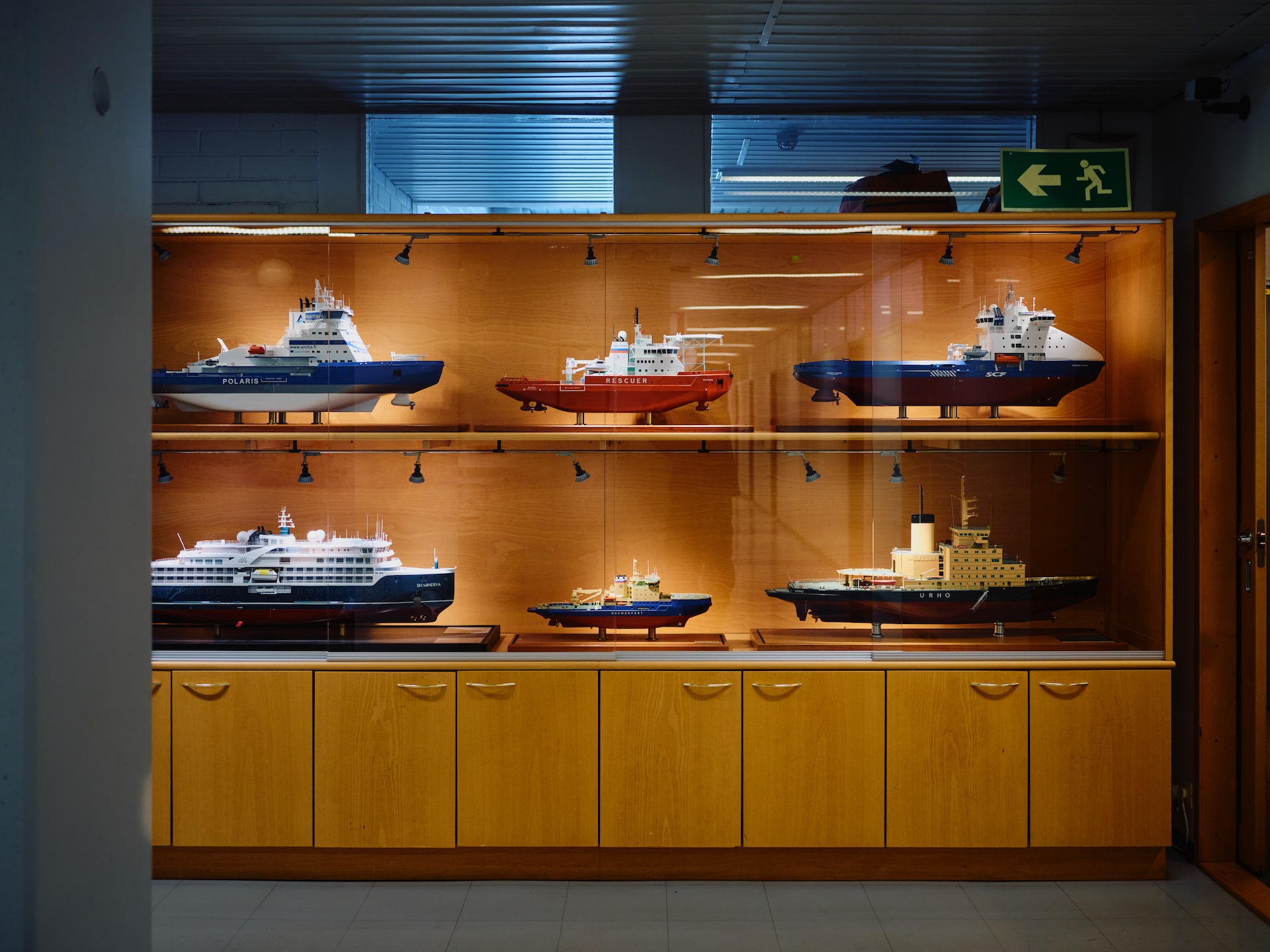
A model of the Polar Max heavy icebreaker is on display in the offices of Davie's Lévis shipyard.Renaud Philippe/The Globe and Mail
At the end of 2027, the hull of the Polar Max will arrive on a ship from Finland to Canada. Once docked in Davie’s dry dock in Lévis, Que., its seven storey made-in-Canada superstructure will be jacked up about nine metres into the air, fitted with the hull and Davie will be left with approximately two years to finalize and deliver the ship.
The company’s recent expansion into shipyards in Helsinki and Pori, Finland, and Texas in the U.S., is part of this path that Mr. Davies, alongside his business partner, Alex Vicefield, is charting to bring the Canadian shipbuilder back from the brink of destruction and usher it into a new era for the industry in North America.
The Quebec-based shipbuilder has long been the black sheep of its sector. It was brought into the federal government’s shipbuilding strategy more than 10 years after its competitors, Seaspan and Irving Shipbuilding Inc., and its relationship with the Lévis community surrounding it has been tumultuous at times. Yet, in the past year or so, it’s begun to emerge as the most likely of Canada’s shipyards to grow into a global leader in icebreaker production.
Over two centuries of operating in Canada, Davie has been underestimated, swept up by controversy and shut out by its own government. It’s taken risks and incurred wins and losses along the way. But the federal government has said it wants to turn Canada into an icebreaker-exporting nation, and Mr. Davies believes his will be the company to make it happen.
“We see and do things differently, it’s true. Don’t confuse underdog with a source of innovation.”
The origin story
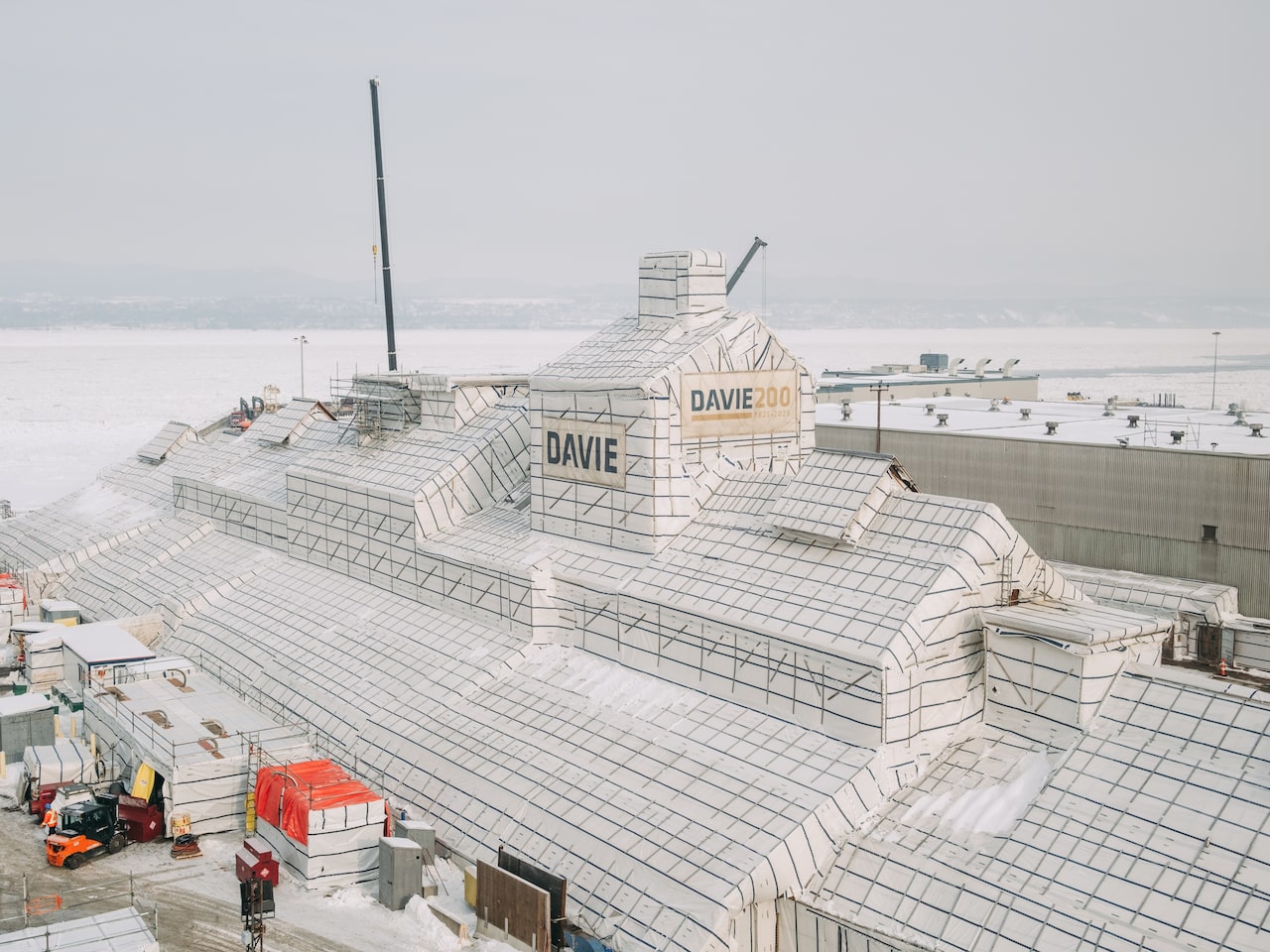
The car park at Davie Shipbuilding in Lévis was full of second-hand jalopies when Mr. Davies first took over in 2012.
Only a couple of years earlier, Davie had filed for protection under the Companies’ Creditors Arrangement Act. And between 2010 and 2013, it retained no more than 15 employees at any given time.
In fact, during one of Mr. Davies’s trips to the shipyard before acquiring it, he drove across the U.S.-Canada border and was warned by a Canadian border guard that the company he was pursuing was bad news. “It was like, ‘Oh, it’s a bad company. These guys, they’re always taking government money, you shouldn’t go there. You shouldn’t do it,’” he said.
“I didn’t appreciate the sentiment that was so firmly attached with that piece of infrastructure.”
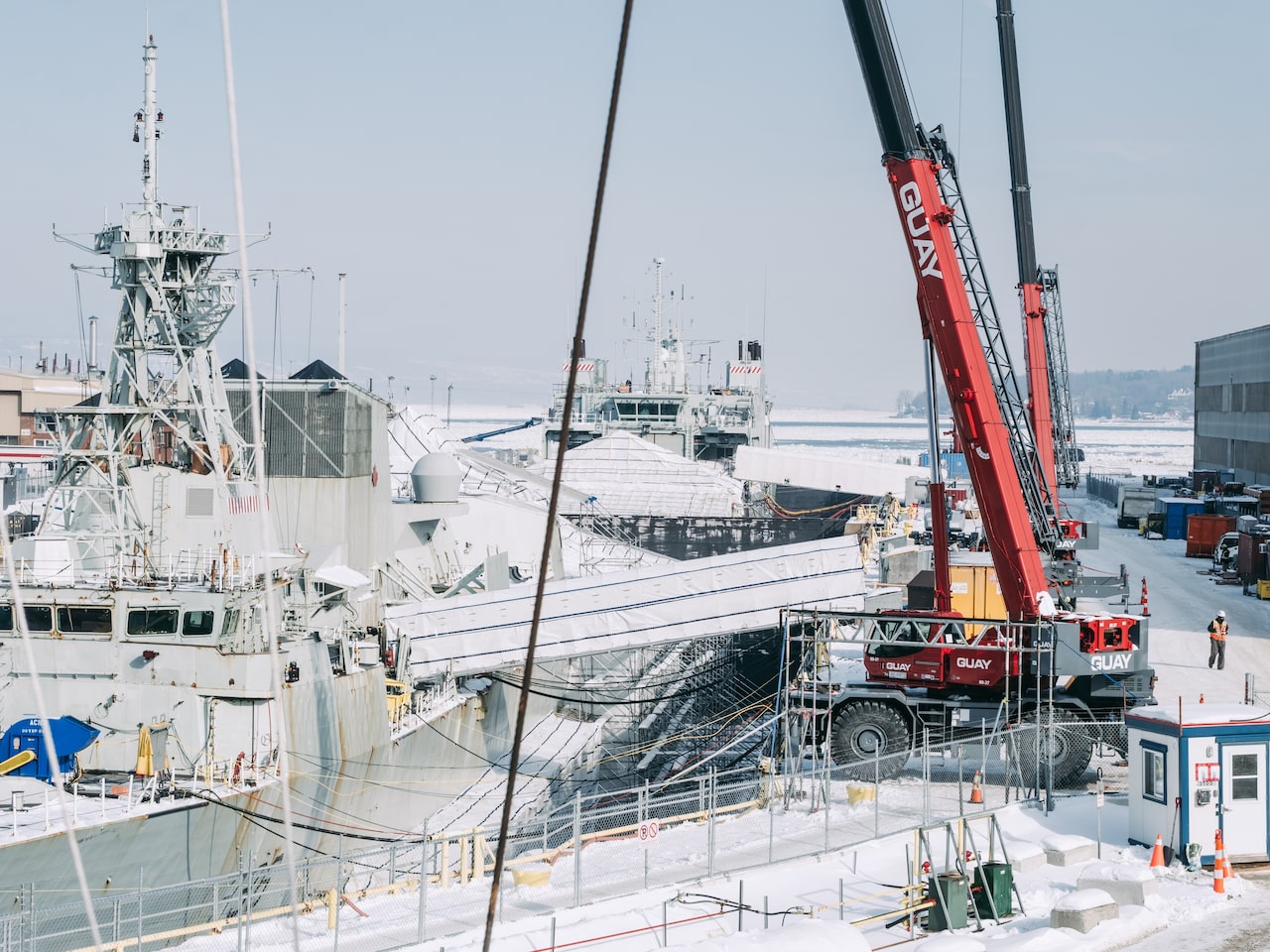
Despite the warning signs, Mr. Davies and Mr. Vicefield persisted. By 2013, their ownership and the change they brought with them was in line to set the shipyard on a new trajectory.
Shipbuilding can be an unforgiving industry to stake one’s livelihood on. When contracts are flowing and times are good, a shipyard can employ hundreds to thousands of workers with plenty to do.
But during the in-between times, which are often inevitable, employee numbers can dip dramatically and all those people who relocated for their job must sit idly by, waiting for the yard’s management to win more contracts and bring them back to work.
The city of Lévis that surrounds Davie’s shipyard is a prime example of this phenomenon. Built up since the shipyard’s founding in 1825, and standing alongside it, for better or worse, through its tumultuous times, the health of Davie is reflected in the health of the community.
Mr. Davies himself knows this to be true. Despite never visiting the region prior to his pursuit of Davie, he now lives just across the river from the shipyard, in Quebec City with his children and partner, whose grandfather worked for the historic company. When he began to see colour return to the car park in the second year after acquiring the shipyard, he knew something he was doing was having an impact.

Davie's Catherine Audet, left, director of public affairs, and Marcel Poulin, vice-president of public affairs and strategic partnerships, tour the Lévis shipyard.Renaud Philippe/The Globe and Mail
“People had bought themselves new cars. And then, subsequently, we noticed there was a little difference in the local housing market. You were seeing more expensive rent for similar apartments as you got closer to the yard,” he said.
But Mr. Davies still faced a mountain to climb to return the company to a functioning state and regain the trust of the community. Many people still regarded the company as no more than a hole for government subsidies to pour into.
“It would be fair to say, in 2012, Davie was seen as being potential residential condo material. It was definitely past last chance saloon,” Mr. Davies said. But the lights were still on at the shipyard, and the fences were still up. There was a presence, but nobody working, which begged the question, he said, “What had happened?”
Doing things differently
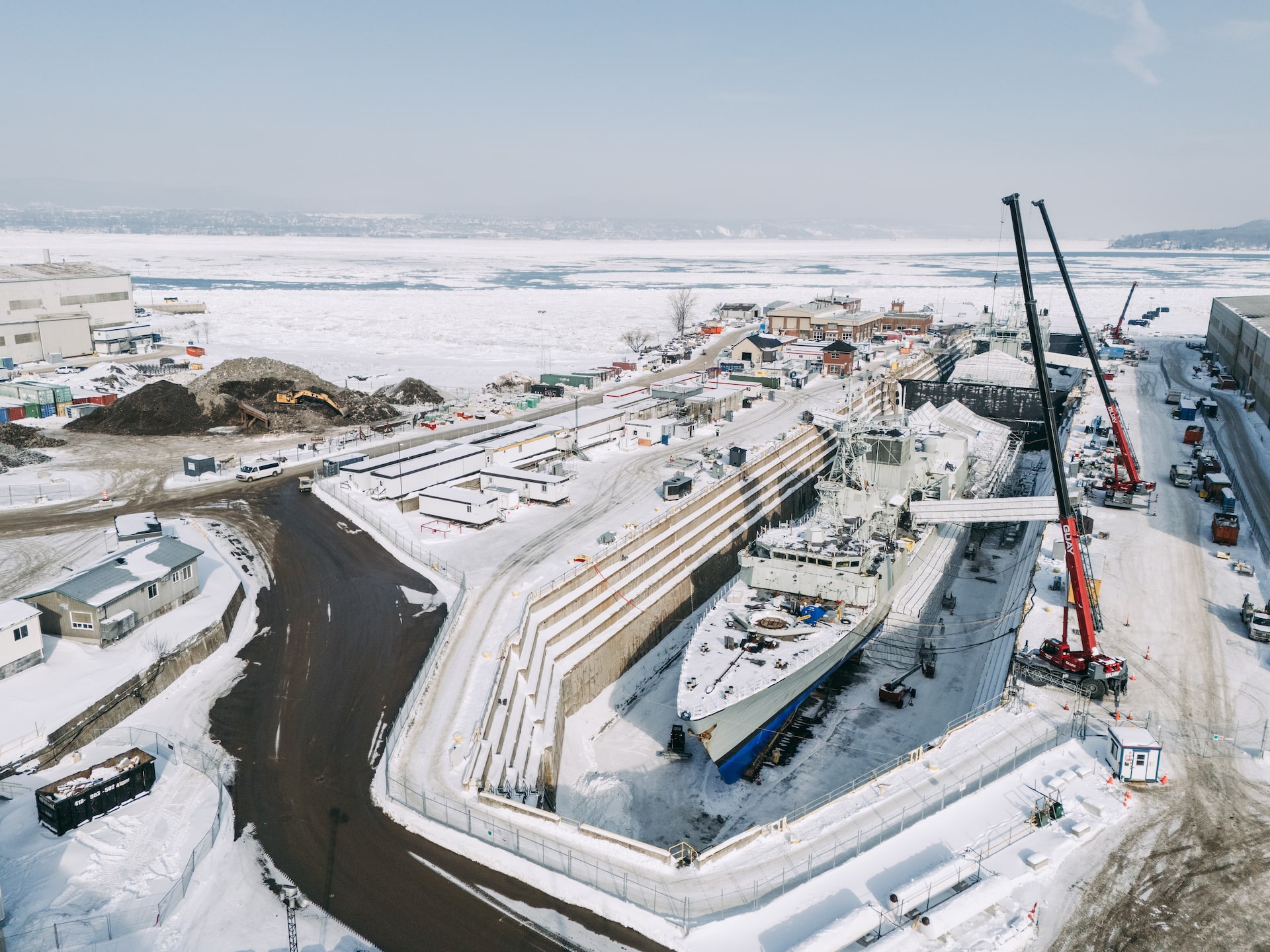
Standing in the middle of a shipyard twice the size of Davie’s Lévis facility (Canada’s largest) in a small city along the west coast of Finland makes Davie’s presence in the world feel much grander these days. Davie acquired the facility, renamed to Sata Shipbuilding Oy, in July, 2025, after seeing something that nobody else could: a shipyard where there wasn’t one.
The site on the outskirts of the small city of Pori spans roughly 200 acres, with another 175 acres available for expansion inland. It has train tracks leading onto it and access to the city-owned port beside it, making deliveries to the industrial site easier than most.
But the yard there hasn’t been used for shipbuilding for some time. Instead, it’s known for constructing around 70 per cent of the world’s spar platforms, or floating oil rigs. Even during the recent acquisition process, few people considered the site as a place for shipbuilding, as it had been in the 1980s and 90s, when it delivered supplementary ships for oil and gas, said Niko Suomela, managing director at Sata.
“We have been so focused on the offshore business,” he said. “But when Davie people came here and they didn’t know the background, and were just evaluating the space, it was like, in five minutes, this is a shipyard.”
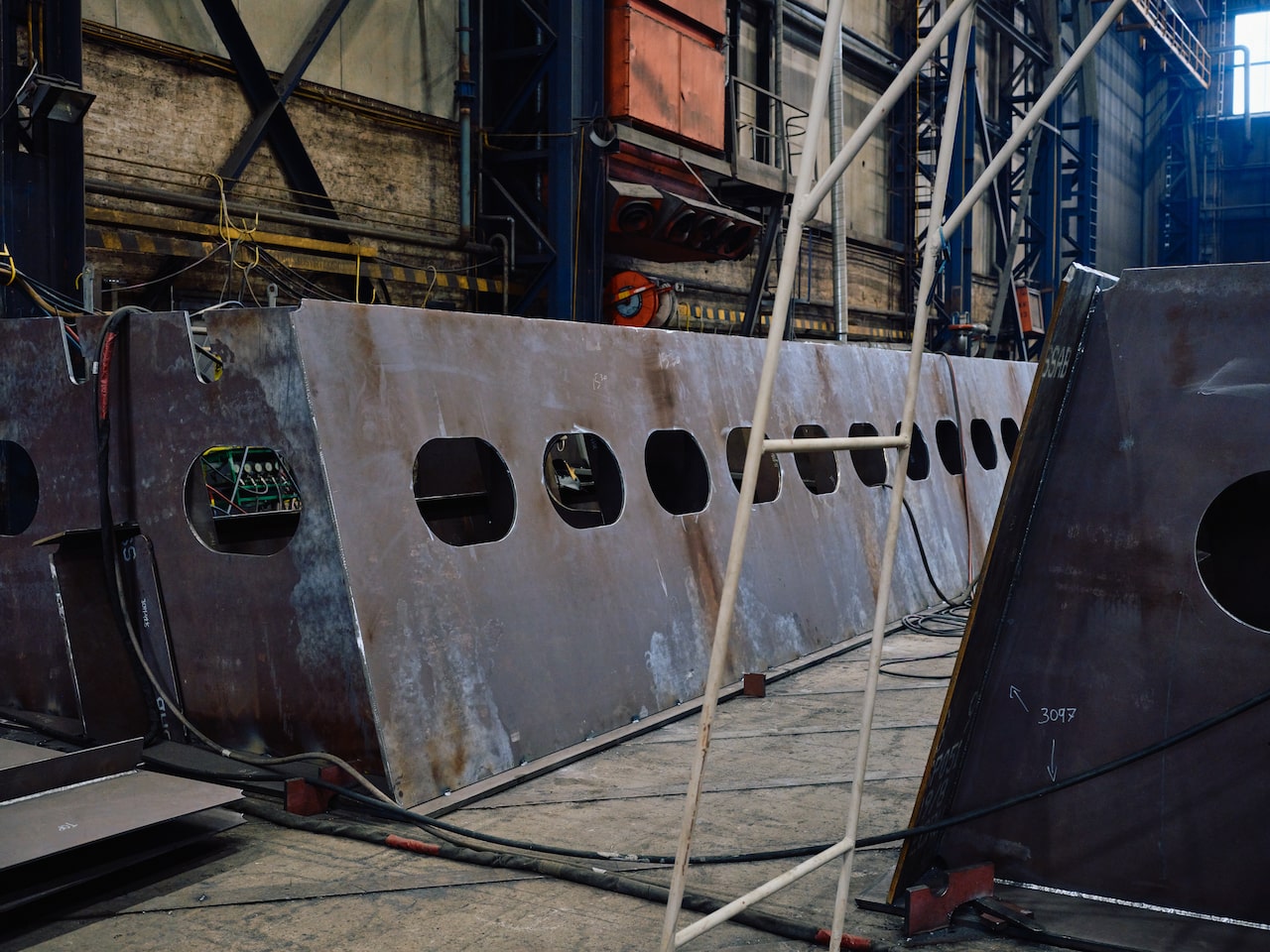
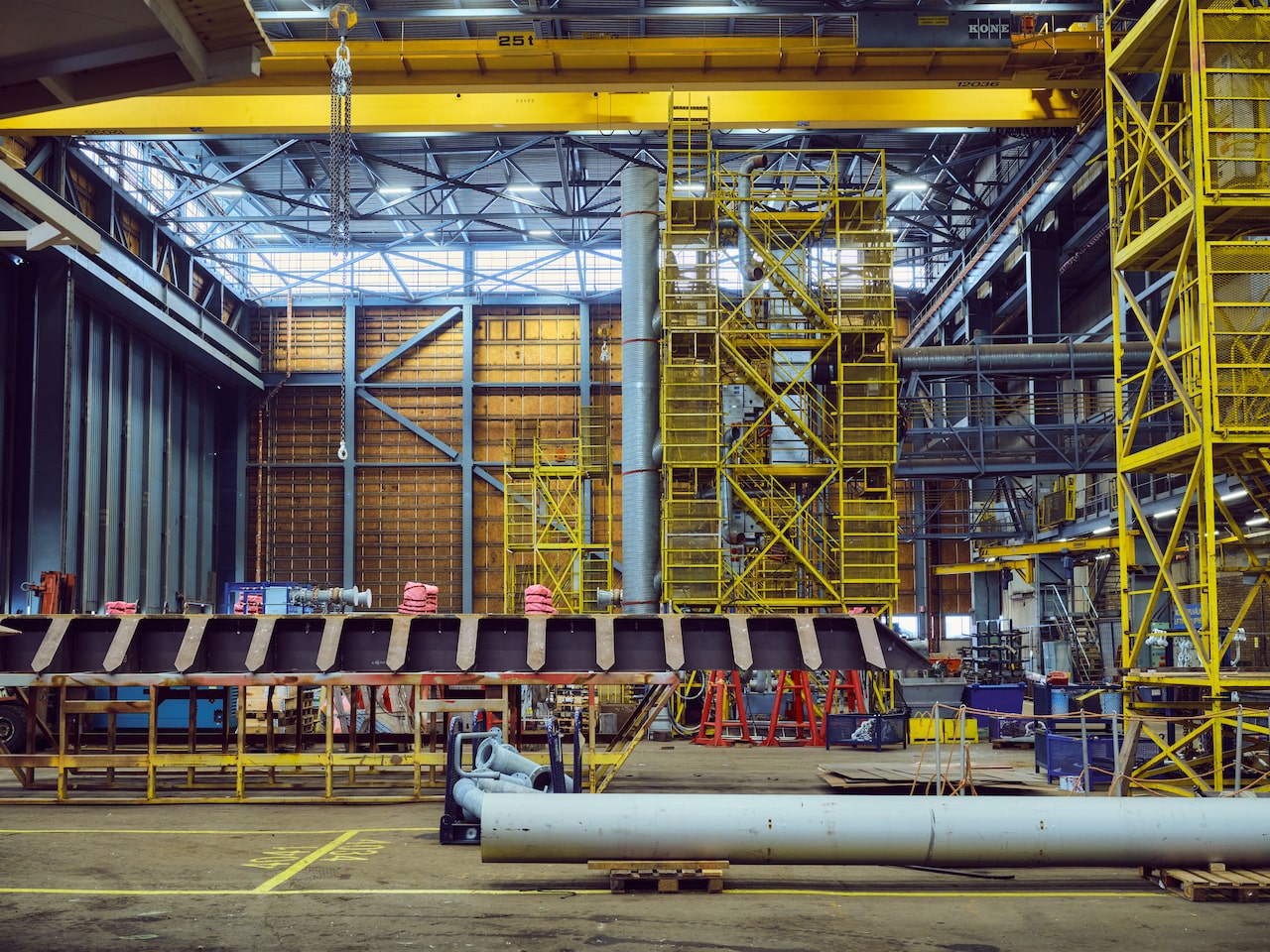
Today, Sata Shipbuilding has signed a 50-year land lease with the City of Pori and is bending steel for the Polar Max – an extension of the work being done at Davie’s shipyards in Helsinki and Lévis. The capability is key in Davie’s ability to deliver the icebreaking ship by 2030, since the type of steel work the Pori site specializes in isn’t something that has been done at the Helsinki shipyard since the early 2000s, when it closed its steel production facility.

Antti Leino, director of public affairs at Helsinki Shipyard, says the acquisition of the Pori shipyard means more of the supply chain can remain in one country, removing the reliance on imports.Mikko Suutarinen/The Globe and Mail
“With the acquisition of this site for Davie, we once again have the whole supply chain in the same country,” said Antti Leino, director of public affairs at Helsinki Shipyard. This is especially important since the steel-heavy part of the ship, the hull or bottom half, is the part being built in Finland. While the superstructure, or top half, is being constructed at Davie’s Quebec shipyard, before both of the pieces come together in Canada to equal one whole icebreaker.
The positive effects of adding Sata to Davie’s assets ripple down the supply chain from Pori, to Lévis, to Texas, where Davie Defense, Inocea’s U.S. shipbuilding arm, is located. But neither this acquisition, nor the others, would have been half as likely if Mr. Davies hadn’t convinced the federal government that Davie was worthy of being reconsidered for its National Shipbuilding Strategy.
Launched in 2010, the strategy was created to combat the shipbuilding industry’s troubling boom-and-bust cycles, bringing a steady stream of construction and repair work to major domestic players. The dire straits Mr. Davies found the Quebec shipyard in when he arrived in 2012 were accentuated by the company’s recent loss of this massive opportunity to secure much-needed contracts – especially while its two main competitors were successful in their bids and poised to receive the promised work.
As an outsider, Mr. Davies said the company’s exclusion from the NSS was difficult to comprehend at first, given it was such a large piece of infrastructure. But the scale of the government program gave him hope.
“For a country to choose to rebuild its shipbuilding industry made us aware that it was possible, that as a shipbuilder, Davie could come back,” Mr. Davies said.
Over the next decade or so, he and Mr. Vicefield took many careful steps and calculated risks to guide the company from having a car park full of fixer-uppers to owning its own dedicated steel production facility on the west coast of Finland.
One of those steps was the CSS Asterix, a combat support vessel that entered service with the Royal Canadian Navy in 2018. Much like his vision for the Pori shipyard, Mr. Davies’s pitch for the Asterix stood out as unconventional.
In 2014, an engine fire took Canadian supply ship HMCS Protecteur out of commission and left the Royal Canadian Navy down a vessel until a new one was set to be delivered in the 2020s. Ottawa needed a ship. And Davie needed a win. The navy couldn’t afford to wait years with this gap in its capabilities and Davie, still nursing its wounds from losing out on the NSS, was eager to prove to Ottawa that its new ownership was turning things around.

The Royal Canadian Navy's HMCS Protecteur seen in Esquimalt, B.C., in 2013. A year later, an engine fire took the ship out of commission.Chad Hipolito/The Canadian Press
So, instead of building an entirely new ship, Mr. Davies offered to convert an existing German container ship and deliver it in a fraction of the time with help from Federal Fleet Services Inc., an Inocea-owned company that specializes in this model of ship-as-a-service.
“James said, ‘Okay, perfect. I’ll finance it, I’ll do it and I’ll rent it to the Government of Canada until 2025, and if you want to continue renting it after 2025 then fine. If not, then I’ll be stuck with it.’ And Canada did it,” said Marcel Poulin, vice-president of public affairs and strategic partnerships for Davie.
By 2018, the Asterix was sailing, completely converted with only the hull and main engines of the original container ship remaining. Since then, Asterix has completed more than 800 replenishments at sea, and it remains in service to this day.
Asterix was a turning point for the company, for Canada and for their evolving relationship, Mr. Davies said. “You need somebody that’s going to take what you have to offer. That was really important.”
A few medium icebreaker conversions and frigate life extensions later, Davie finally entered the NSS and shortly thereafter, its era of global icebreaker building expansion began.
The making of the ICE Pact
Mr. Davies has a habit of doing hard things. Things everybody else tells him are a bad idea. Such as buying Davie when it was in creditor protection and had very few prospects. Or defying traditional procurement models to lease a ship to the Canadian government that wasn’t guaranteed to pay off.
But brokering a deal with the private Russian owners of Helsinki Shipyard while simultaneously solidifying Davie’s own role in the NSS might just top the list. “I’m not going to volunteer do something like that again,” Mr. Davies said.
Just as the NSS was on Mr. Davies’s mind at the very beginning, in 2012, so was Helsinki Shipyard, or Arctech, as it was called at the time. It’s difficult not to know about the proficiency of the Finns in building icebreakers if you work in the shipbuilding industry. Icebreakers are heavy, hulking ships that require lots of time and lived experience to perfect, and Finland holds a disproportionate share of the world’s expertise.
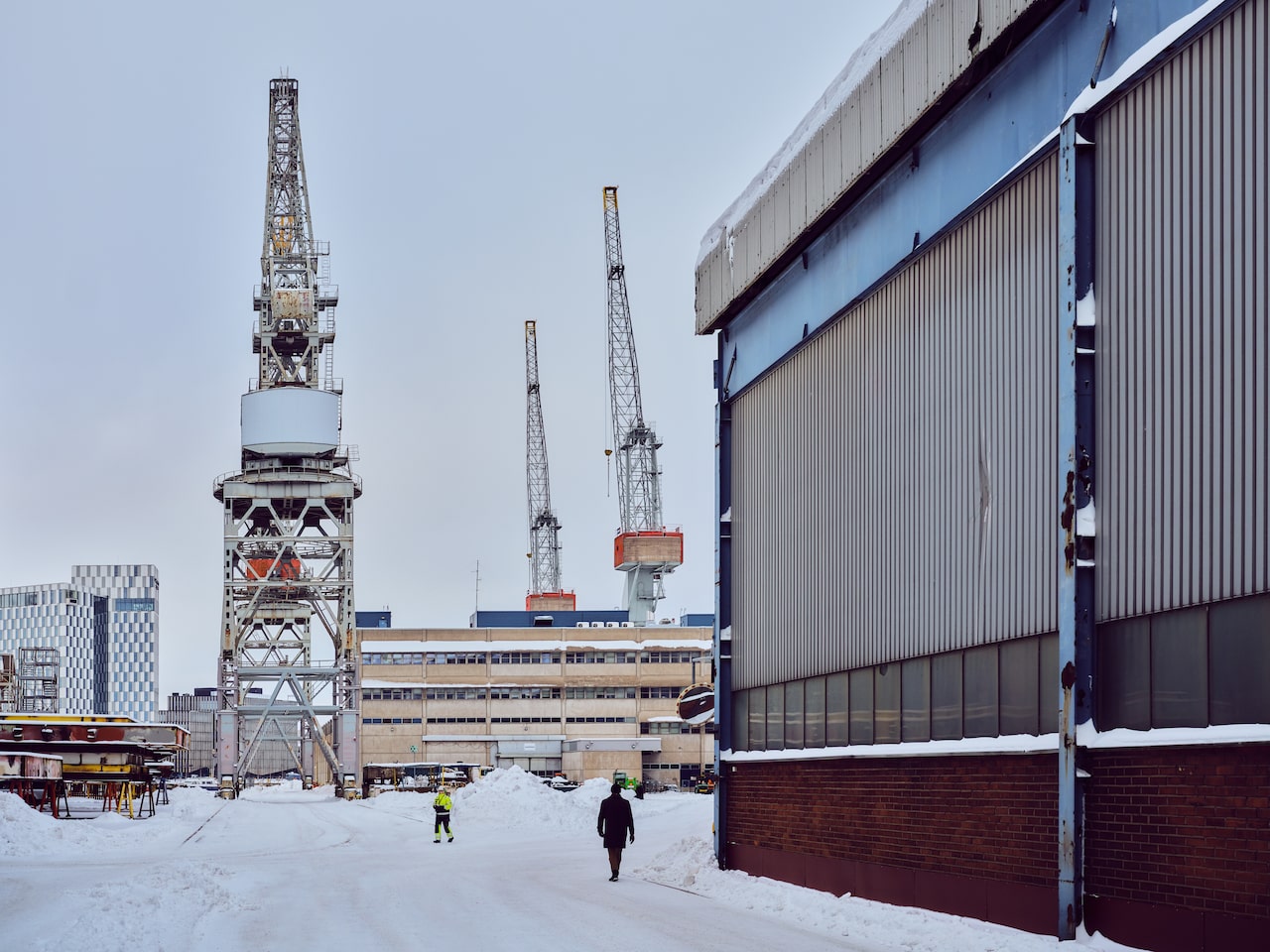
Since 1954, for example, its Helsinki-based yard has built about half of the icebreakers operating in the world today. The oldest operating icebreaker in the Finnish fleet was built in 1954.
It’s a national industry, a somewhat national supply chain and a national identity. “I could build an icebreaker for the Finnish government, which would be around 90 per cent Finnish content. That tells you something about the quantity of companies and their technology,” said Mr. Salmi, with Helsinki Shipyard.
So, when Mr. Vicefield learned in 2022 that the Helsinki shipyard’s Russian owners may be forced to sell owing to export licence restrictions, he and Mr. Davies saw their chance. “They were running out of orders. In fact, the orders that they had were provided by their own capital. They’d invented their own buyer, in a way,” Mr. Davies said.

Kim Salmi, CEO of Helsinki shipyard, says the Polar Max will be the most powerful diesel-electric icebreaker in the world once completed.Mikko Suutarinen/The Globe and Mail
It took real equity, including $110-million in capital and loans from the Quebec government, and sweat equity, including 14 cross-Atlantic trips over 10 months, for Mr. Davies, alongside many more obstacles, to complete the deal. And while Mr. Davies is quick to say he would never repeat the arduous process, it’s safe to say Davie’s newfound presence in the Nordic region quickly began paying off in more ways than one.
Unbeknownst to the outside observer, Davie’s acquisition of the Helsinki shipyard sparked a series of events that, in a way, became the thread that strung the ICE Pact together.
After his success purchasing the historic shipyard, Mr. Davies was invited to speak at the Finnish embassy in Washington where he highlighted the NSS, shipbuilding and Arctic security. But most importantly, in a room full of Finns, Americans and Canadians, he asked a question about building icebreakers. Something along the lines of, he said, “Is there a way that we can share the knowledge which isn’t just one-way, where there’s a quid pro quo to it?” The rest is history.
A new icebreaker era
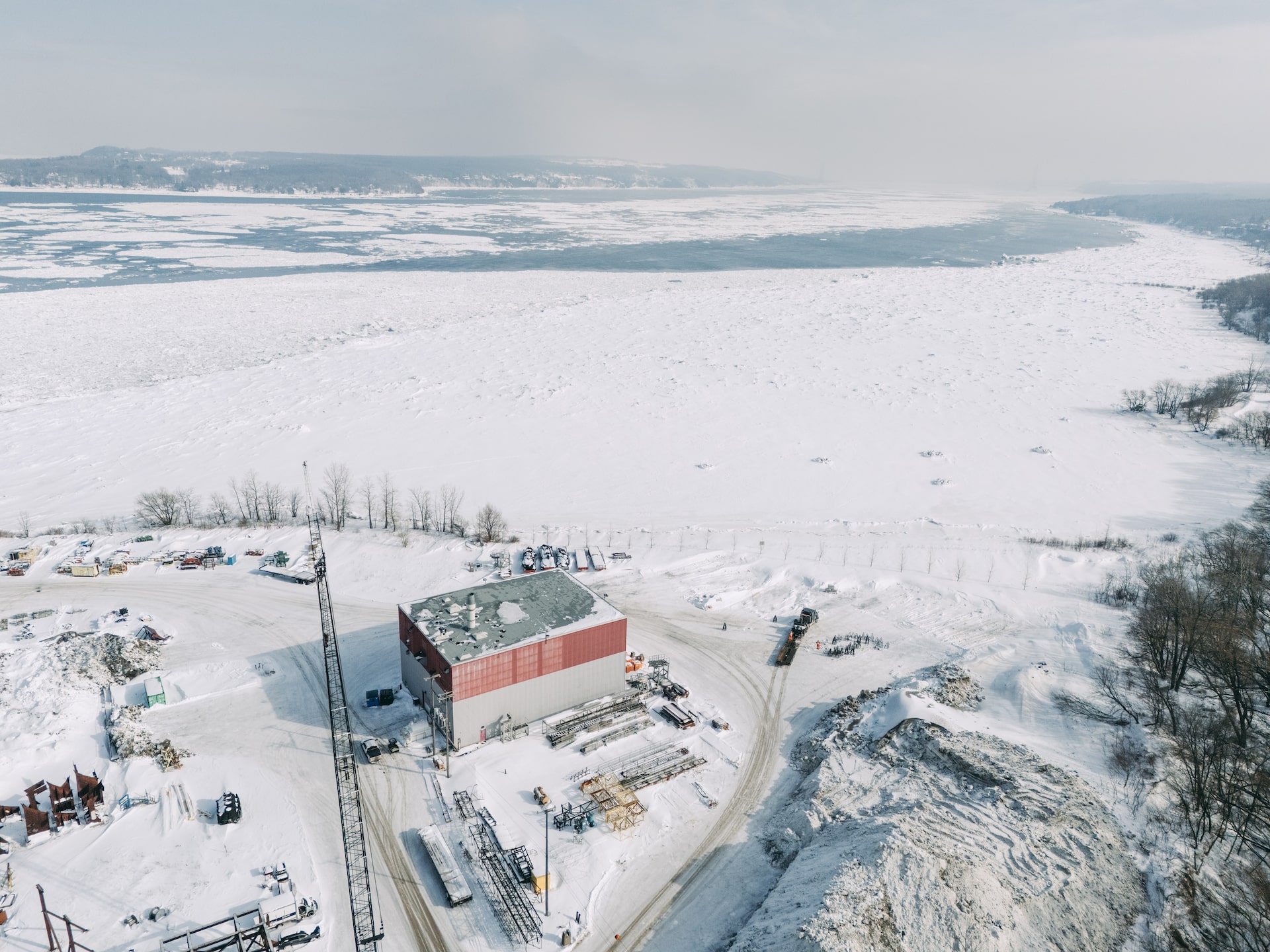
In the west end of the Davie shipyard in Lévis there’s a quieter space. While the rest of the site is abuzz with renovations or Polar Max construction, this corner sits separate, filled with storage, training facilities, a couple of abandoned ship blocks and some superstructure construction.
But it’s not wasted space, Mr. Poulin said. It’s untapped potential. The Polar Max may be Davie’s golden child at the moment, but it’s not the only program trained in the company’s line of sight.
For example, Davie is well-positioned to vie for an upcoming contract to build the Canadian Navy’s new fleet of Corvette warships, designed to patrol Canadian waters and replace the navy’s aging Kingston-class Maritime Coastal Defence Vessels.
When the company wins more contracts, the northwest end of Davie’s Lévis shipyard will be used for new production lines, Mr. Poulin said. “We know that Canada needs to acquire more vessels, and we want to keep the flexibility to grow inside our own land.”
But until then, it’s all-in on icebreakers, the National Shipbuilding Strategy and riding the high of one of the best boom cycles Davie has seen since 2012.
Davie’s delivery of the Polar Max, and the subsequent work at its Helsinki yard on new icebreakers for the U.S. and Finnish governments, will mark a new era of icebreaker construction in North America. One in which Canada, thanks to Davie, will play an outsized role.
“Shipbuilding from Canada has an export future,” Mr. Davies said. “And I think there are other countries that are takers for what we have learned, because it is hard.”
More from The Globe and Mail
In Finland, preparing for war is a way of life
Arctic snowmobile trek pits Canadian Rangers’ resolve against a ‘nightmare’ storm