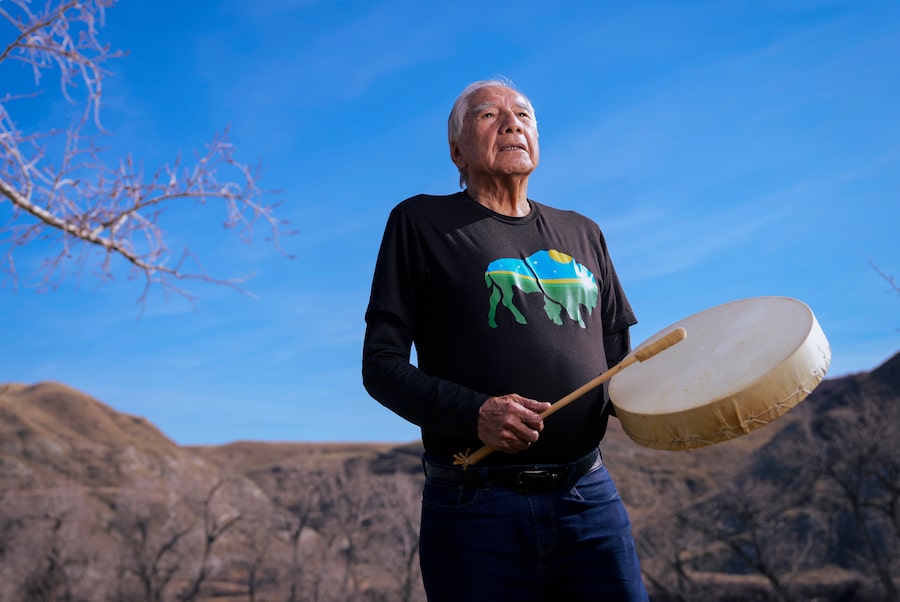
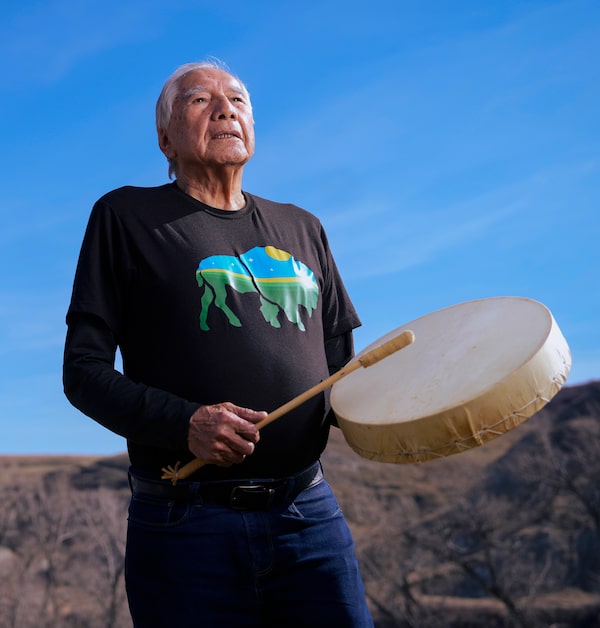
Leroy Little Bear grew up on the Kainai Nation outside Lethbridge, Alta., in the shadow of mountains, in a culture whose songs, stories and ceremonies are inseparable from the animal that shaped the grasslands.
“The buffalo is a keystone species when it comes to environmental issues, especially out here on the plains. It’s also a keystone species when it comes to culture,” says Dr. Little Bear, whose name in Blackfoot is Iikaisskini, meaning “low horn,” after the buffalo in its protective stance, head down, ready.
The buffalo, he says, is an eco-engineer – wherever it roams, it attracts other animals and plants, drawing ecological balance. That relationship was nearly destroyed in the 1880s, when the mass slaughter of bison across North America came close to wiping the species from the continent.
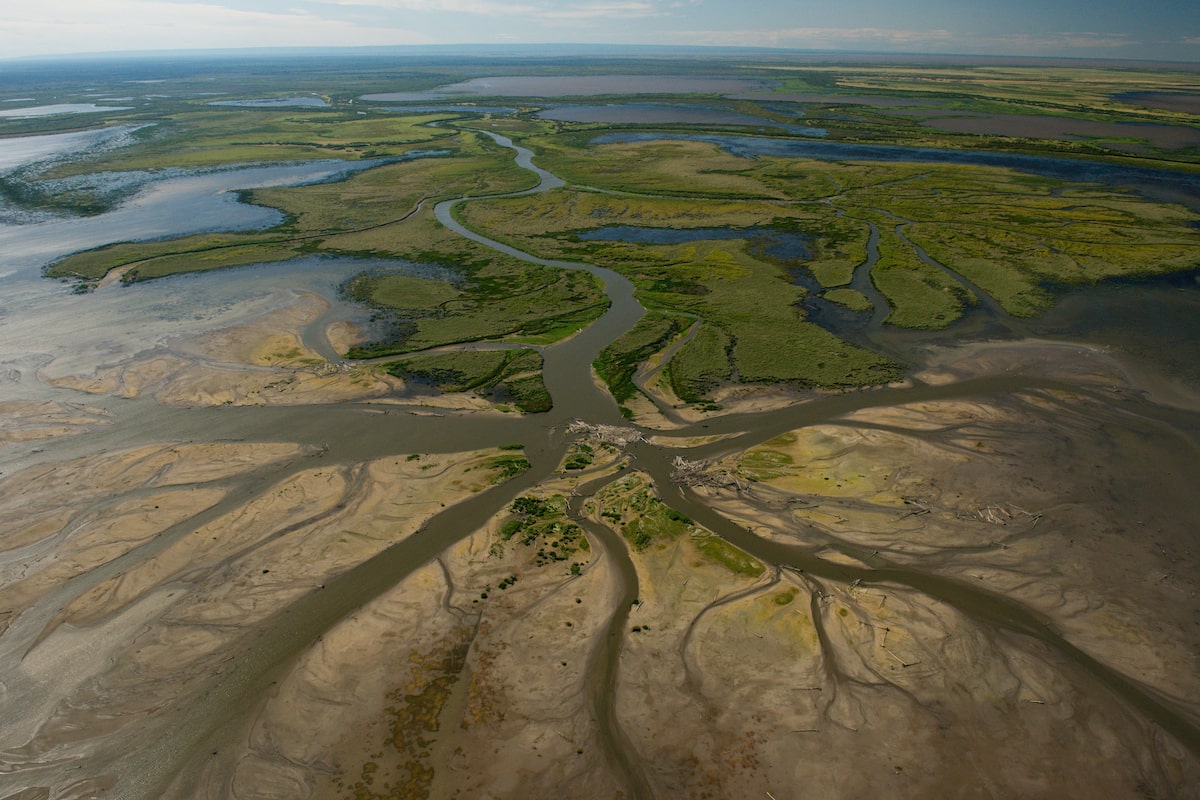
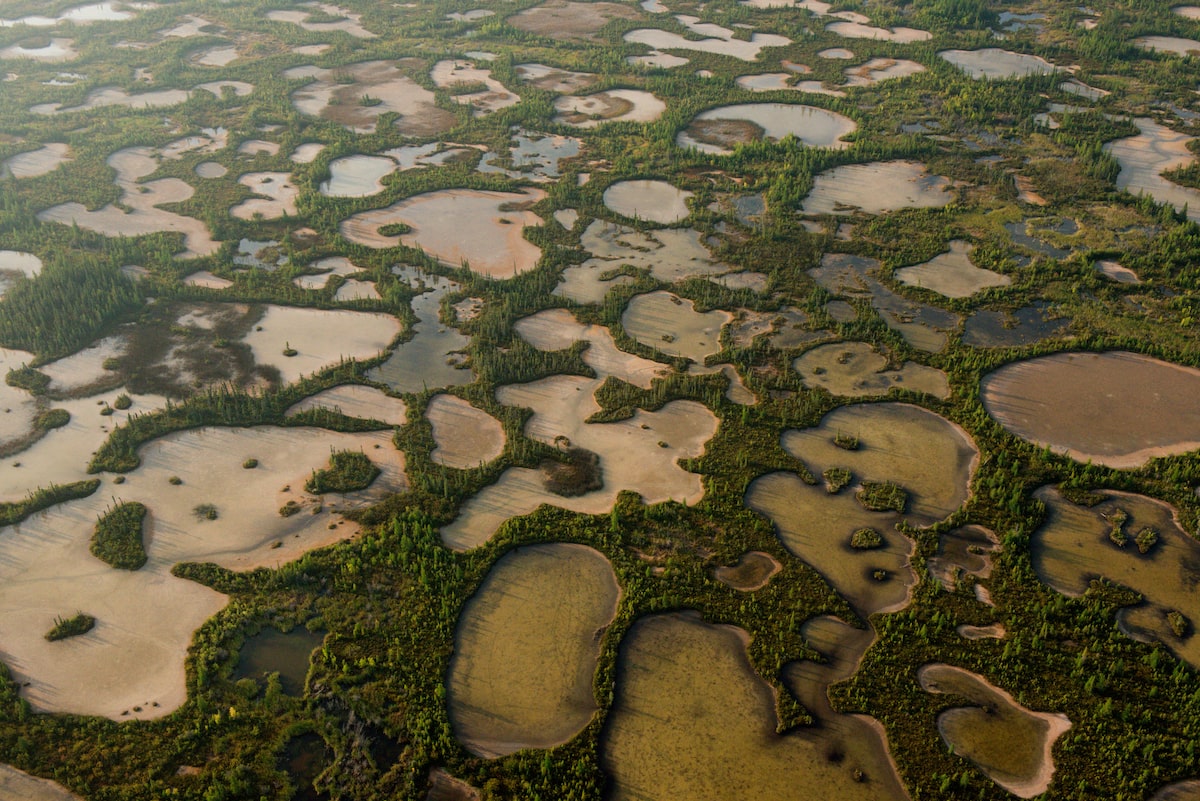
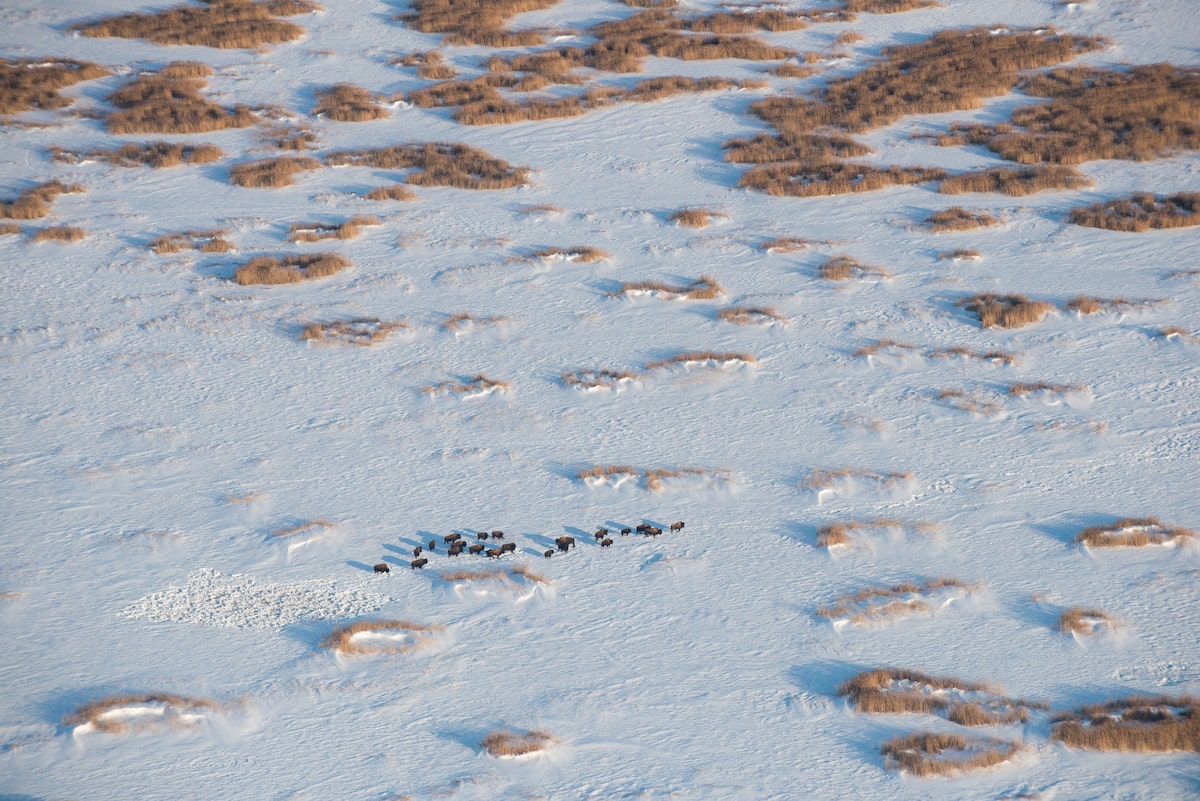
Wood Buffalo National Park – Canada’s largest, sprawling nearly 45,000 square kilometres across Alberta and the Northwest Territories – was established in 1922 to protect the animals that remained. In 1983, UNESCO designated it a World Heritage Site for its extraordinary ecological complexity, including the vast Peace-Athabasca Delta and the world’s only natural nesting habitat of the endangered whooping crane. Today, the park is home to the largest free-roaming wood bison herd in the world, estimated at around 3,000 animals.
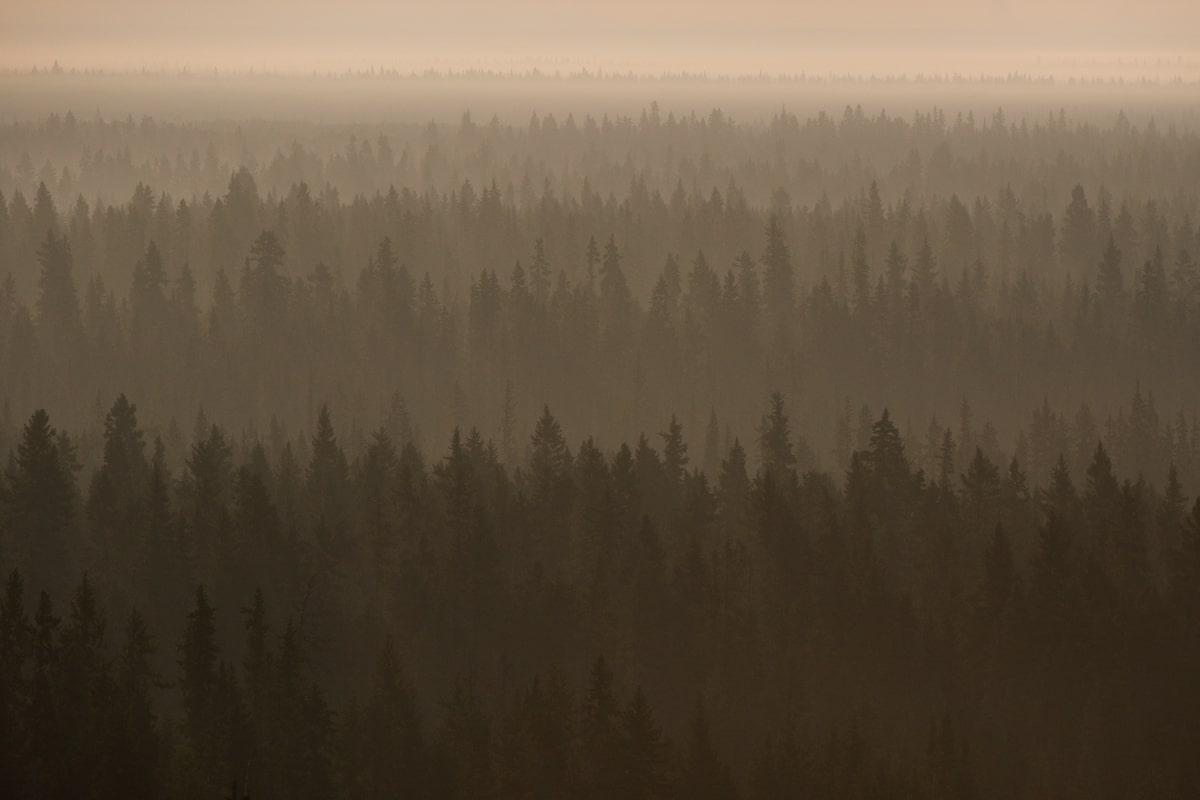
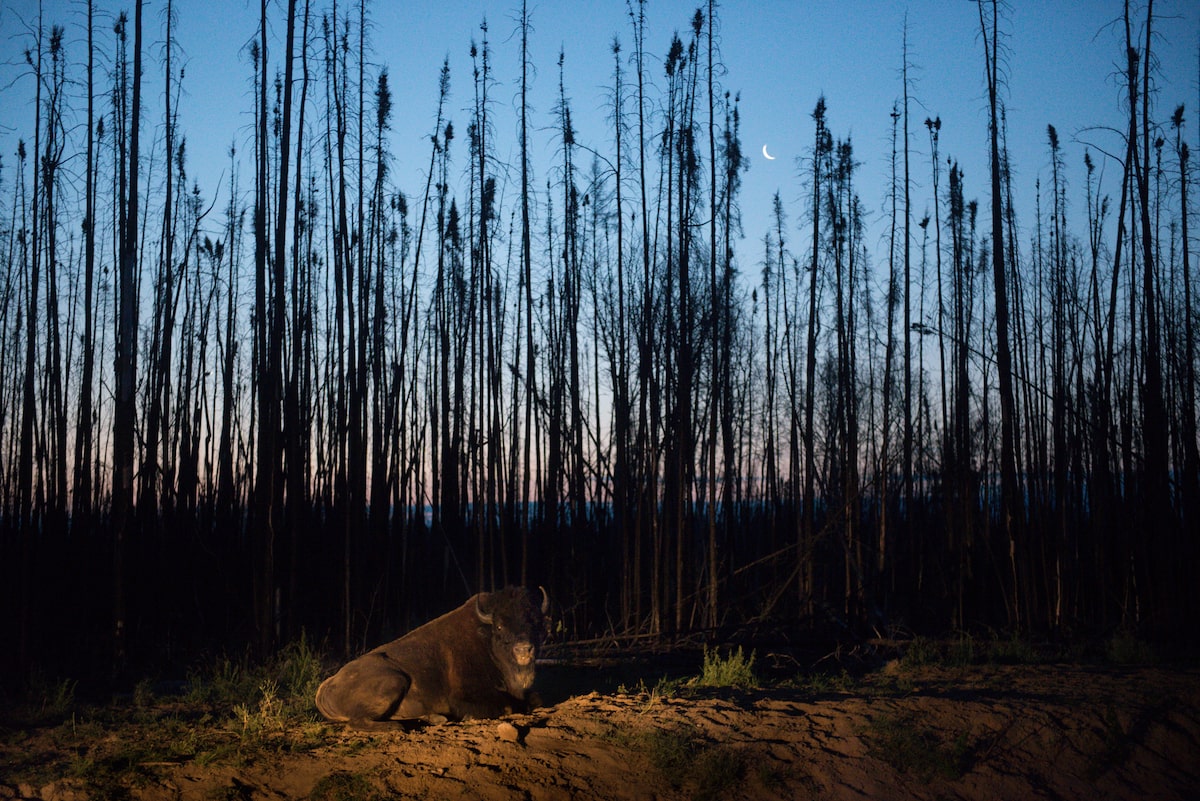
Wood Buffalo is an illustration of what is unfolding the world over – where protected areas are allowing species to recover and ecosystems to hold, while facing mounting pressures that no fence or park boundary can withstand. In 2023, during Canada’s most destructive wildfire season on record, several fires tore through an area of the park almost twice the size of PEI. A single blaze among them released roughly as much carbon dioxide as Argentina emits in a year, according to UNESCO.

The world’s protected areas are working, but only just. Two major studies – a first-of-its-kind UNESCO assessment, People and Nature in UNESCO Sites: Global and Local Contributions, released for Earth Day, and a peer-reviewed study released in early April in Frontiers in Science – warn that nature is not a resource to exploit or a luxury to preserve but the system on which everything else depends – our economy, our culture, ourselves.
Drawing on satellite data, geospatial analysis and peer-reviewed research to examine all the agency’s designated sites, the UNESCO report offers encouraging findings and a stark warning. The network of 2,260-plus World Heritage Sites, Biosphere Reserves and Global Geoparks covers more than 13 million square km, a geographical footprint larger than Canada by an area roughly the size of Ontario and Quebec combined. While global wildlife populations have declined by 73 per cent since 1970, populations within UNESCO-designated sites have remained comparatively stable.
“Despite the intensifying environmental pressures worldwide, UNESCO-designated sites have been remarkably resilient,” says Talès Carvalho Resende, a natural heritage specialist at UNESCO’s World Heritage Centre in Paris and one of the report’s lead authors.
The sites are not wild preserves set apart from human life. More than 900 million people, roughly 10 per cent of the global population, live in and around the network’s sites. “This really conveys a very strong message: Nature and people can thrive together,” says Dr. Carvalho Resende.
The network stores an estimated 240 gigatons of carbon in soils and sediments – the equivalent of nearly two decades of today’s global carbon dioxide emissions. Yet nearly 90 per cent of sites face high levels of environmental stress, with 98 per cent having experienced at least one extreme climate event since 2000. Climate-related hazards have intensified by 40 per cent in the past decade, and more than one in four sites could reach critical tipping points by 2050.
The Frontiers in Science study, published in early April by Canadian conservationist Harvey Locke, vice-chair for nature positive at the IUCN World Commission on Protected Areas, and co-authors including Dr. Little Bear, argues that the global response to nature loss has been held back by a fundamental misconception.
“The world runs without people,” says Dr. Locke. “People don’t run without the world. The economy is there to serve people – it has no other purpose. And we are getting to the point where the very conditions that have made us able to flourish as a species are being degraded by our own behaviour.”
The paper calls for what it terms a “nature positive” approach – halting and reversing the loss of nature by 2030, treating biodiversity with the same urgency as climate change.
“When you’re digging a hole, the first thing you do is stop digging. Then you start filling it in,” says Dr. Locke.
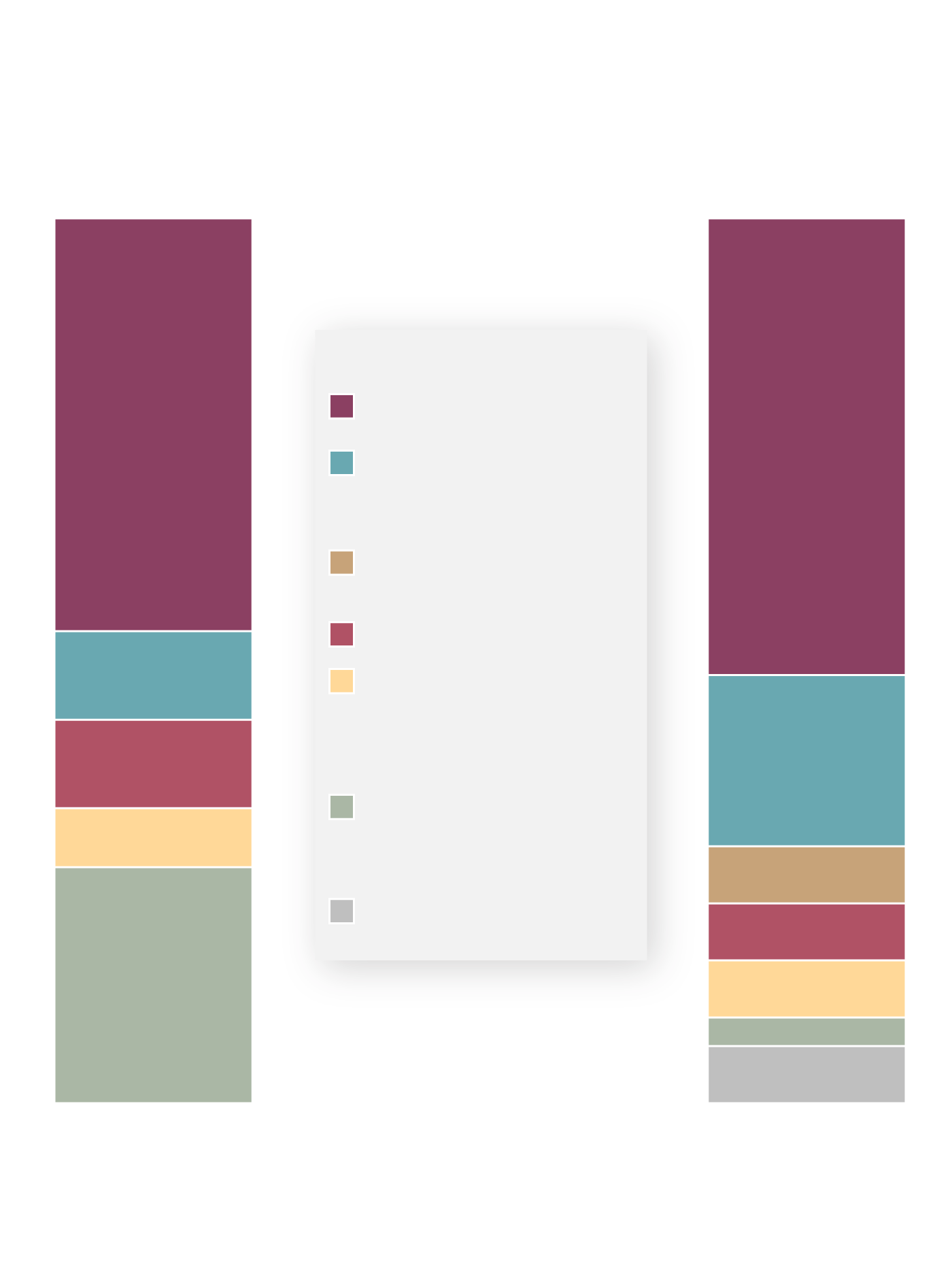
Canada is trying to do both. On March 31, Canada committed $3.8-billion to A Force of Nature, its nature strategy, mapping a path to protecting 30 per cent of the country’s lands and waters by 2030 – a target stemming from the landmark Kunming-Montreal Global Biodiversity Framework.
To achieve 30x30, Canada must protect an additional 1.6 million square km of land and freshwater and 815,000 square km of ocean.
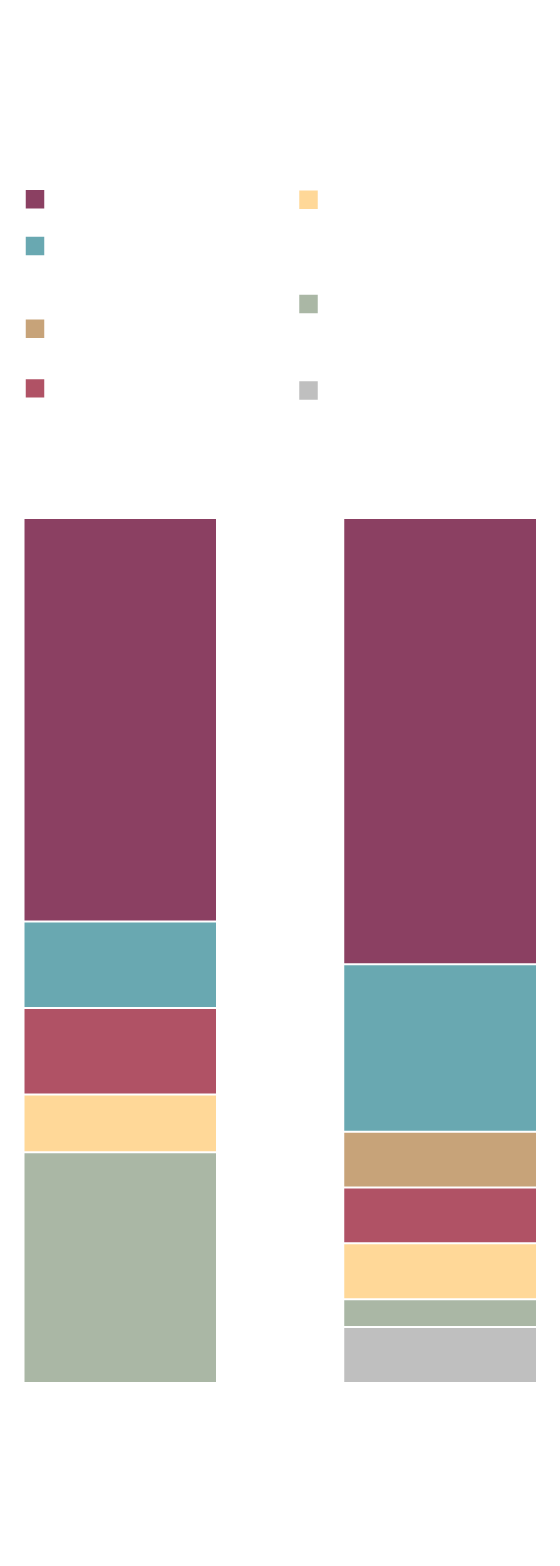
Closing Canada’s 30x30 gap
To protect 30% of land and waters by 2030, Canada must safeguard an additional 1,597,547 km² of lands and freshwater and 815,723 km2 of ocean
KEY
Indigenous-led
Protected today
conservation (Project
New federal projects/
marine conservation
areas
Finance for
Permanence)
Flexible partnerships
New marine protected
and tools to protect
areas
other areas
Projects underway
No plan yet
LAND AND
FRESHWATER
OCEAN
14%
15.5%
3%
6%
3%
2%
2%
1.7%
8%
2.1%
0.9%
1.8%
30%
30%
the globe and mail, Source: GOVERNMENT
OF CANADA
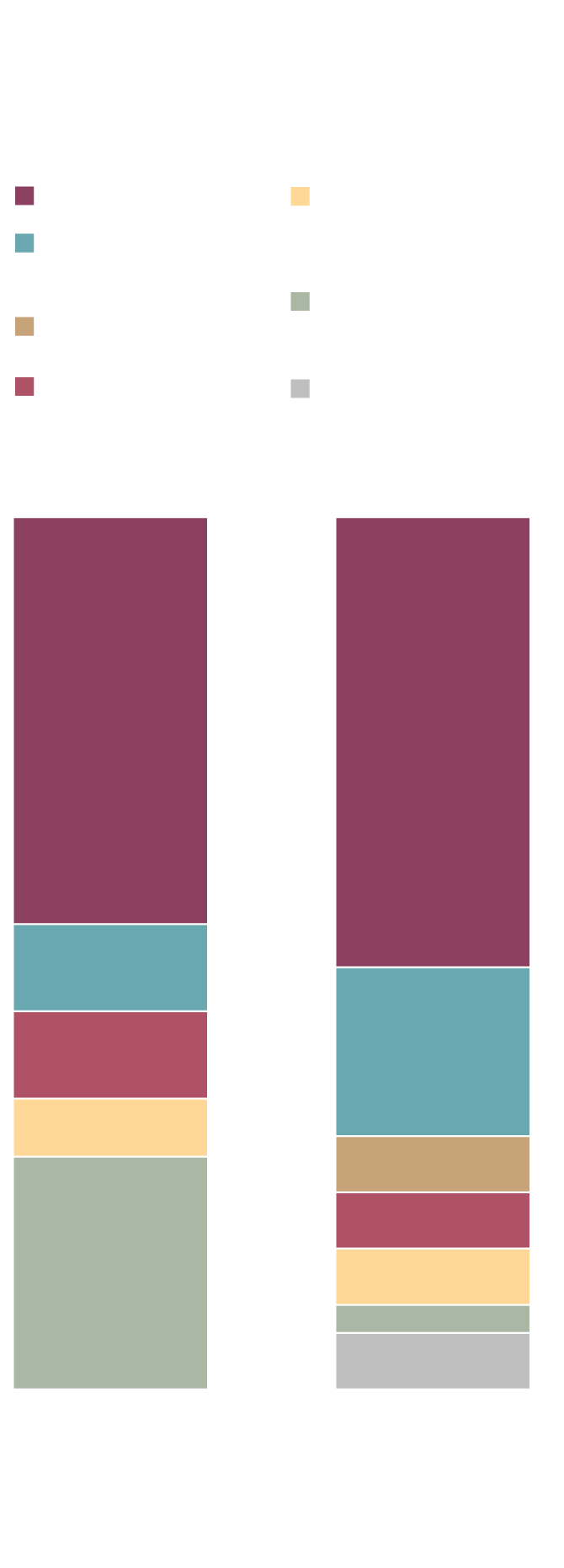
Closing Canada’s 30x30 gap
To protect 30% of land and waters by 2030, Canada
must safeguard an additional 1,597,547 km² of lands and freshwater and 815,723 km2 of ocean.
KEY
Indigenous-led
Protected today
conservation (Project
New federal projects/
marine conservation
areas
Finance for
Permanence)
Flexible partnerships
New marine protected
and tools to protect
areas
other areas
Projects underway
No plan yet
LAND AND
FRESHWATER
OCEAN
14%
15.5%
3%
6%
3%
2%
2%
1.7%
8%
2.1%
0.9%
1.8%
30%
30%
the globe and mail, Source: GOVERNMENT
OF CANADA
Closing Canada’s 30x30 gap
To protect 30% of land and waters by 2030, Canada must safeguard
an additional 1,597,547 km² of lands and freshwater and 815,723 km2 of ocean.
LAND AND
FRESHWATER
OCEAN
KEY
Protected today
14%
15.5%
New federal projects/
marine conservation
areas
New marine protected
areas
Projects underway
3%
Indigenous-led
conservation (Project
Finance for
6%
Permanence)
3%
Flexible partnerships
and tools to protect
2%
other areas
2%
No plan yet
1.7%
8%
2.1%
0.9%
1.8%
30%
30%
the globe and mail, Source: GOVERNMENT OF CANADA
Environment Minister Julie Dabrusin, reached in Berlin ahead of this month’s G7 Environment Ministers’ Meeting, says she is optimistic about closing that gap.
“These are very big issues: How do we protect the environment? How do we fight climate change? Being able to do the work – that’s a file of hope,” she says.
For Ms. Dabrusin, those questions are grounded in the natural spaces where she has made memories with her family – from the carpets of starfish that emerge when the tide washes out in Tofino, B.C., to the deep-coloured sunsets along the north shore of Lake Superior in Ontario, to the rocky limestone monoliths of the Mingan Archipelago on Quebec’s Gulf of St. Lawrence. But even in her home riding of Toronto–Danforth, she says, nature has a way of finding you.
“When I just get to walk by somewhere and I get to see a bunny, or I get to see colourful birds down at Tommy Thompson Park, those are places too,” she says.

Toronto's Tommy Thompson Park is a popular nesting spot for birds within the riding of Julie Dabrusin, the federal Environment Minister.Sami Siva/The Globe and Mail
Part of doing big things, she says, is getting Canadians out to experience what’s at stake. This summer, the Canada Strong Pass offers free access to national parks, national historic sites and marine conservation areas from June 19 to Sept. 7 – renewed as part of the nature strategy. Last year, the pass helped drive a 13-per-cent increase in visits to Parks Canada sites.
“If you asked every single Canadian, they would be able to name one special place – big or small, a tree that’s special to them, a waterway,” she says. “Being out and exploring nature gives people an opportunity to build those connections.” And those connections, she says, define Canada. “If you were going to describe Canada to someone, you would describe our Rocky Mountains, or our oceans, or our prairies, or maybe our Arctic spaces. It would be nature that we would use to describe our country.”
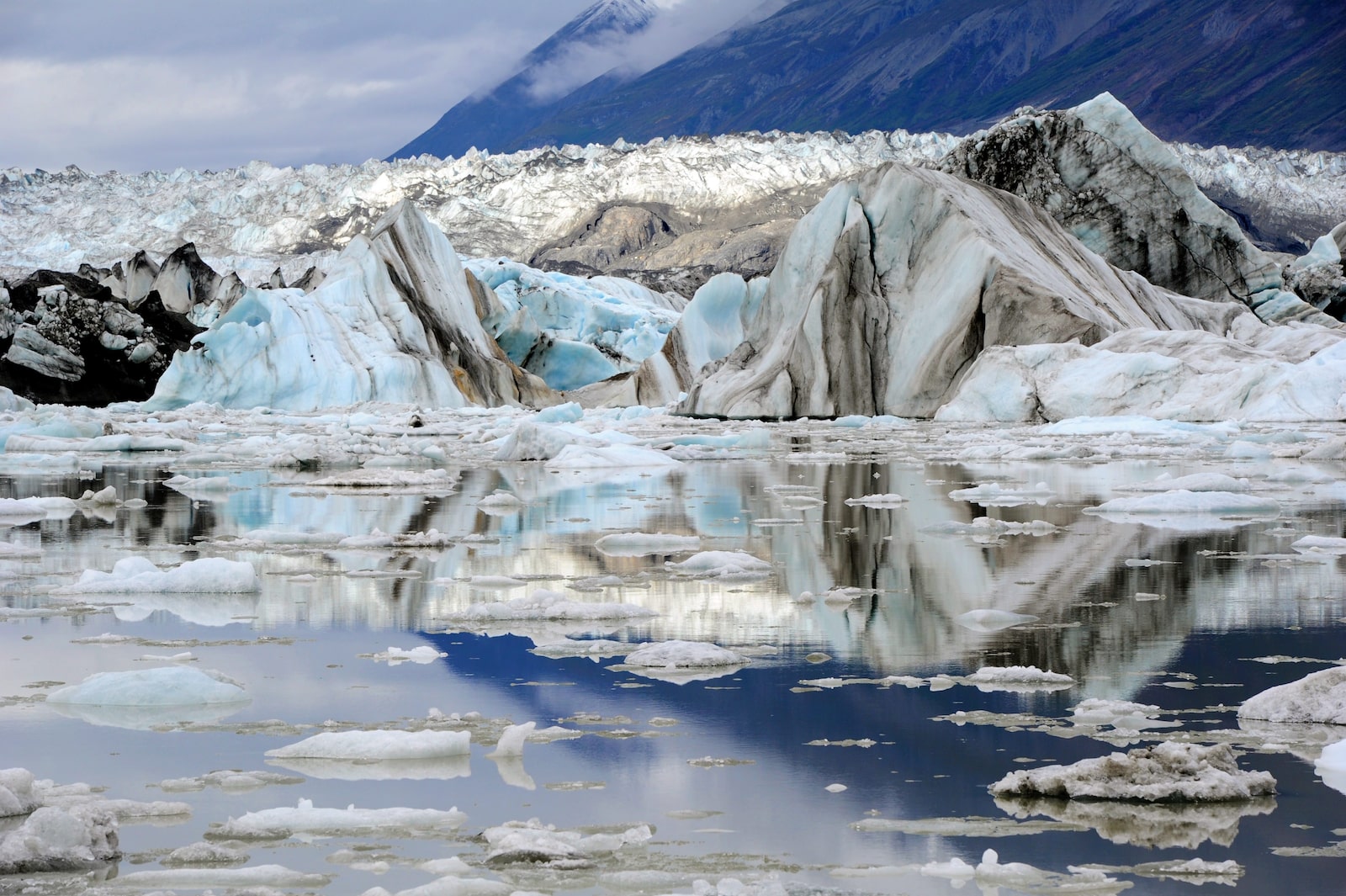
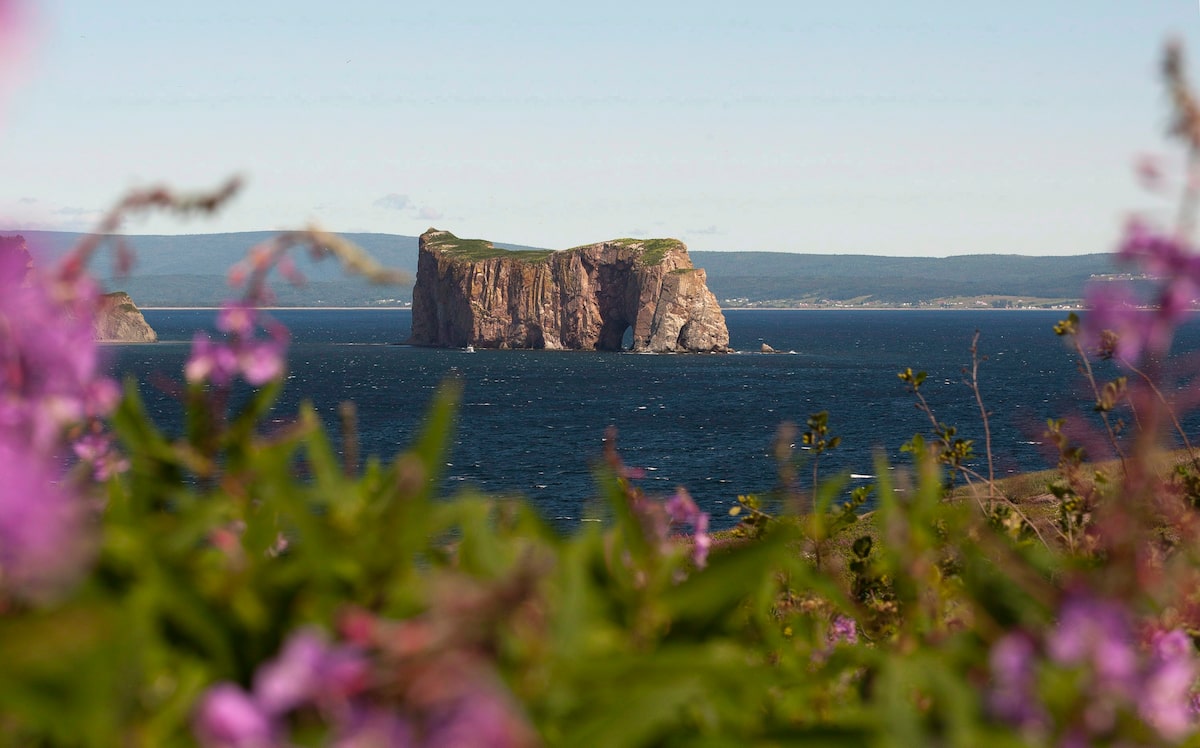
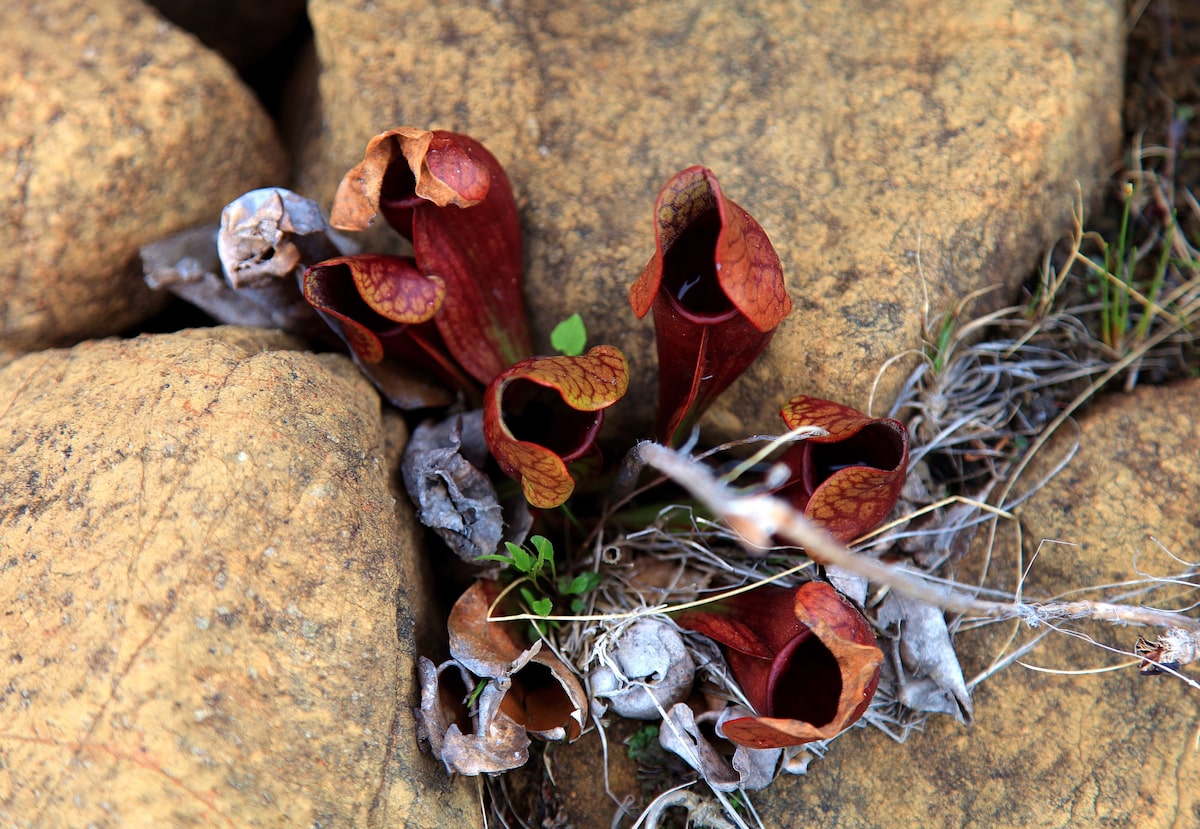
Canada has 46 UNESCO-designated sites – 22 World Heritage Sites, 19 Biosphere Reserves and five Global Geoparks – covering approximately 350,000 square km, roughly 3.5 per cent of the country’s total area.
The four most-recent World Heritage additions – Pimachiowin Aki, Writing-on-Stone/Áísínai’pi, Tr’ondëk-Klondike, and Anticosti – each defined by Indigenous stewardship or ecological rarity, reflect how Canada’s approach to designation has evolved.
Ten more sites are on the tentative list awaiting nomination, among them Wanuskewin in Saskatchewan and Sirmilik National Park and Tallurutiup Imanga in Nunavut, where Inuit-led conservation is already under way.
The latest studies, along with Canada’s nature strategy, are unequivocal that protecting nature requires Indigenous leadership. The Frontiers in Science paper goes the furthest, arguing that Indigenous knowledge systems are not supplementary to conservation science but foundational to it.

UNESCO has pressed Canada for years to make sure Wood Buffalo is protected from the downstream consequences of oil and hydro projects.Johane Janelle
The strategy also commits $90-million over five years to a Wood Buffalo World Heritage Site Action Plan – Canada’s formal response to years of pressure from UNESCO, over threats from upstream oilsands development, hydroelectric projects on the Peace River and the need to strengthen co-management with Indigenous rightsholders.
In its latest decision in 2025, the World Heritage Committee reiterated its concerns while noting Canada’s continued efforts and underlined the need for further progress. The park is not currently on UNESCO’s List of World Heritage in Danger, and Canada has invited a third Reactive Monitoring Mission in August, 2026, to review progress on the plan’s 138 actions – which include strengthening Indigenous partnerships, advancing conservation connectivity, monitoring the health of the Peace-Athabasca Delta, and protecting wildlife and habitat.
“It represents a comprehensive, collaborative approach, with steady progress made to date,” says Janna Jaque, the plan’s action manager at Parks Canada.

The bison in Wood Buffalo are a 'keystone species' not just for the environment, but for local Indigenous culture, researcher Leroy Little Bear says.Leah Hennel/The Globe and Mail
For Dr. Little Bear, the park’s fate is inseparable from the broader nature positive argument, that the relationship between people and nature is fundamental. Rematriation – a word coined by the late Indigenous scholar Lee Maracle – captures what the International Buffalo Relations Institute, which Dr. Little Bear co-founded, is working toward: the return of bison to their historical range and the restoration of the relationship, including the knowledge, spirituality and ways of living that developed alongside the animal over millennia.
“We have to align ourselves, thinking-wise, knowledge-wise, with that buffalo,” he says. “Because of his long experience – 20 million years of memory – I can learn from the buffalo.”
The UNESCO assessment offers reason for cautious optimism. The global network of protected sites has grown continuously since 1976, and inside its boundaries, nature is holding on.
“World Heritage sites show us that when we focus, we accomplish. When we invest, we achieve outcomes. We can live in a nature positive world, if we want to,” says Dr. Locke.
When we find ourselves in nature, we find ourselves, says Dr. Little Bear. “The buffalo never followed us around. We followed the buffalo. It’s on its migratory paths, its seasonal changes. It brought us to all the right places. Learning from other species, other sentient beings – we can learn a whole lot about how we can fit in.”
This story is produced in partnership with the Pulitzer Center.
In our nature: More from The Globe and Mail
The Decibel podcast
The Arctic is getting warmer, fast. That’s a geopolitical challenge for Canada, and a potential threat to Inuit communities that risk becoming more remote and harder to feed. Journalist Jenn Thornhill Verma took The Decibel to Nunatsiavut, in northeastern Labrador, to see how elders are adapting. Subscribe for more episodes.
Commentary
Stewart Elgie: Mark Carney gets it right with bold new nature strategy
Margaret Munro: Vancouver must go wild – for the good of us all
Caitlin Stall-Paquet: Why it’s important to curb invasive species