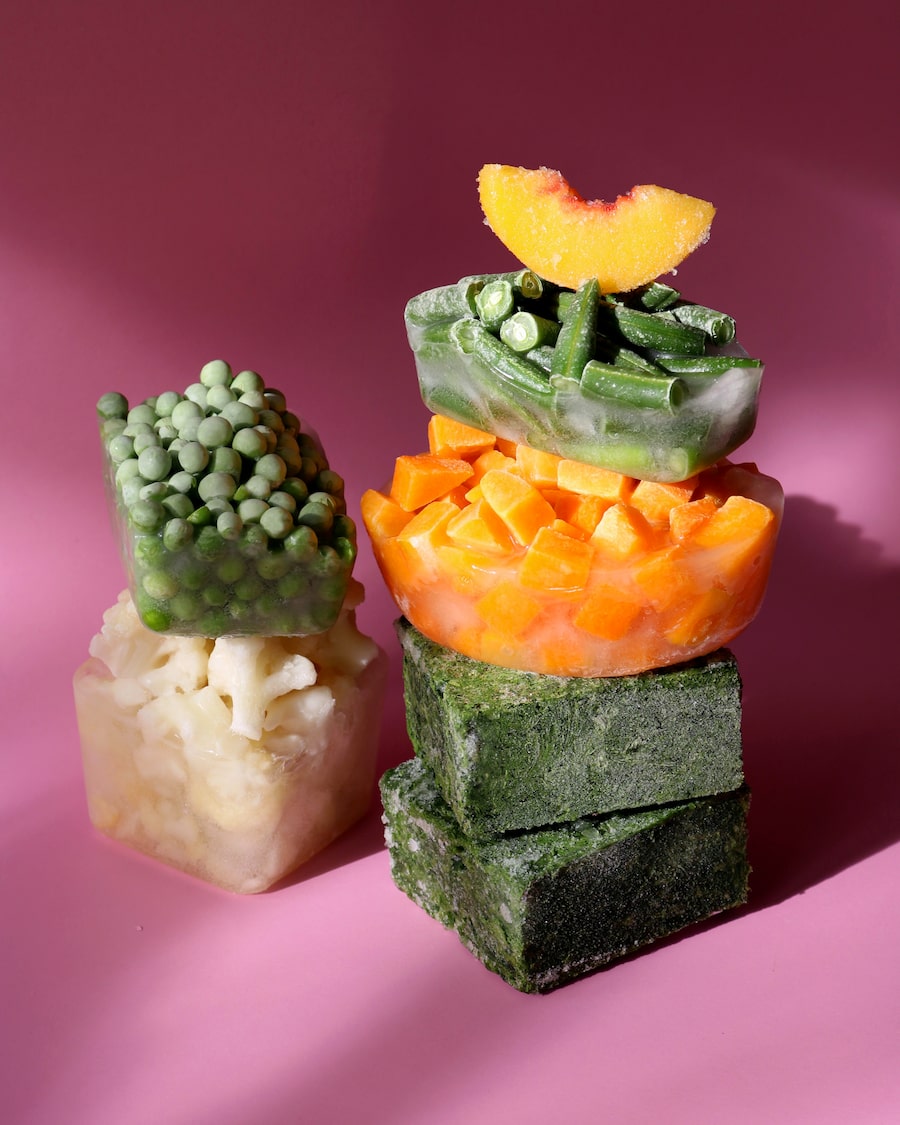
With not much in season, February is one of the most uninspiring months from a culinary perspective. As we wait for the first green buds to emerge from Canadian soil, most of the produce we buy is imported – and food prices continue to rise.
The good news is produce from the freezer aisle is just as nutrient-dense as fresh – and often more so. Studies measuring the impact of various storage methods have found no significant difference in nutrient levels between fresh and frozen fruits and vegetables, and suggest frozen sometimes even outperforms fresh-stored produce when it comes to vitamin content.
Five healthy foods to buy and always keep in your freezer
Produce that’s flash-frozen at its peak doesn’t degrade in transport and storage the way fragile fresh produce can. We’ve also seen an increasing variety of frozen fruits and veggies – from beets to squash to avocado – in grocery store freezer aisles. Prices tend to be lower and fluctuate less than fresh produce – important to note as Statscan says food insecurity affects more than 25 per cent of Canadian households, up from just under 16 per cent in 2020.
At the time of printing, frozen spinach at my local grocery store was half the price (or less) of fresh. Frozen green beans were at most a third the price of fresh (though I did find some fresh on sale this week for marginally more).
Even when the prices are similar, we’re more likely to use all of the frozen peas, berries or spinach; when you buy fresh, typically at least some of it winds up in the compost bin. With prepared frozen produce, there’s no need to peel or prep, which saves time – and you don’t pay for the weight of the parts you’d typically trim, such as berry tops or butternut squash skin.

Though technological advances allow flash-freezing to minimize ice crystals and preserve texture and nutrients, the process still affects the structure of fruits and vegetables.
As food freezes, the moisture it contains expands, breaking cell walls; once thawed, it will have a softer texture and release some of its juices. You’ll see a more drastic difference in produce with a higher moisture content, such as spinach and berries; sturdier produce such as broccoli and green beans hold their shape much better once thawed.
Though they might not be suitable for a crunchy salad, frozen vegetables are perfect for soups, stews, curries, gratins and stir-fries. Cooking breaks down produce in a similar way freezing does – in fact, frozen produce essentially has a head start and will cook more quickly. (And yes, you can cook with frozen veggies and then freeze the finished dish again.)
If you’re using frozen berries, peaches, mangoes or other fruit in baked goods such as pies, cakes, crisps and loaves, keep them frozen rather than thawing unless a recipe instructs otherwise. That way, they retain their juices until they are released by the heat of the oven or stovetop – similar to fresh fruit – and you won’t add deflated fruit plus excess liquid to your muffins or pancake batter.
Besides reducing waste and saving money, freezing your own produce when you run out of time to use it can extend its life, or help streamline meal prep. Having a batch of frozen chopped onions on hand, for example, means you don’t have to start dinner by peeling and chopping one. Most fresh produce can be tossed directly into the freezer, but blanching it for a minute or two first halts enzymic action and helps maintain nutrients, colour and flavour.