David Shribman is the former executive editor of the Pittsburgh Post-Gazette and winner of the Pulitzer Prize for coverage of U.S. politics.
Five times, at precise 50-year intervals since the Declaration of Independence transformed the world, the United States has marked evocative moments that curiously, and consequentially, came at important junctures of the country’s history.
These anniversaries have uncannily arrived at vital turning points in the American story, each time at a moment when the character of the country, its economic and cultural identity and its adherence to the values that animated the founding 1776 document have been examined, tested and then redefined. Each time they have recast well-established assumptions about the United States, and each time they have pointed the country in a fresh direction.
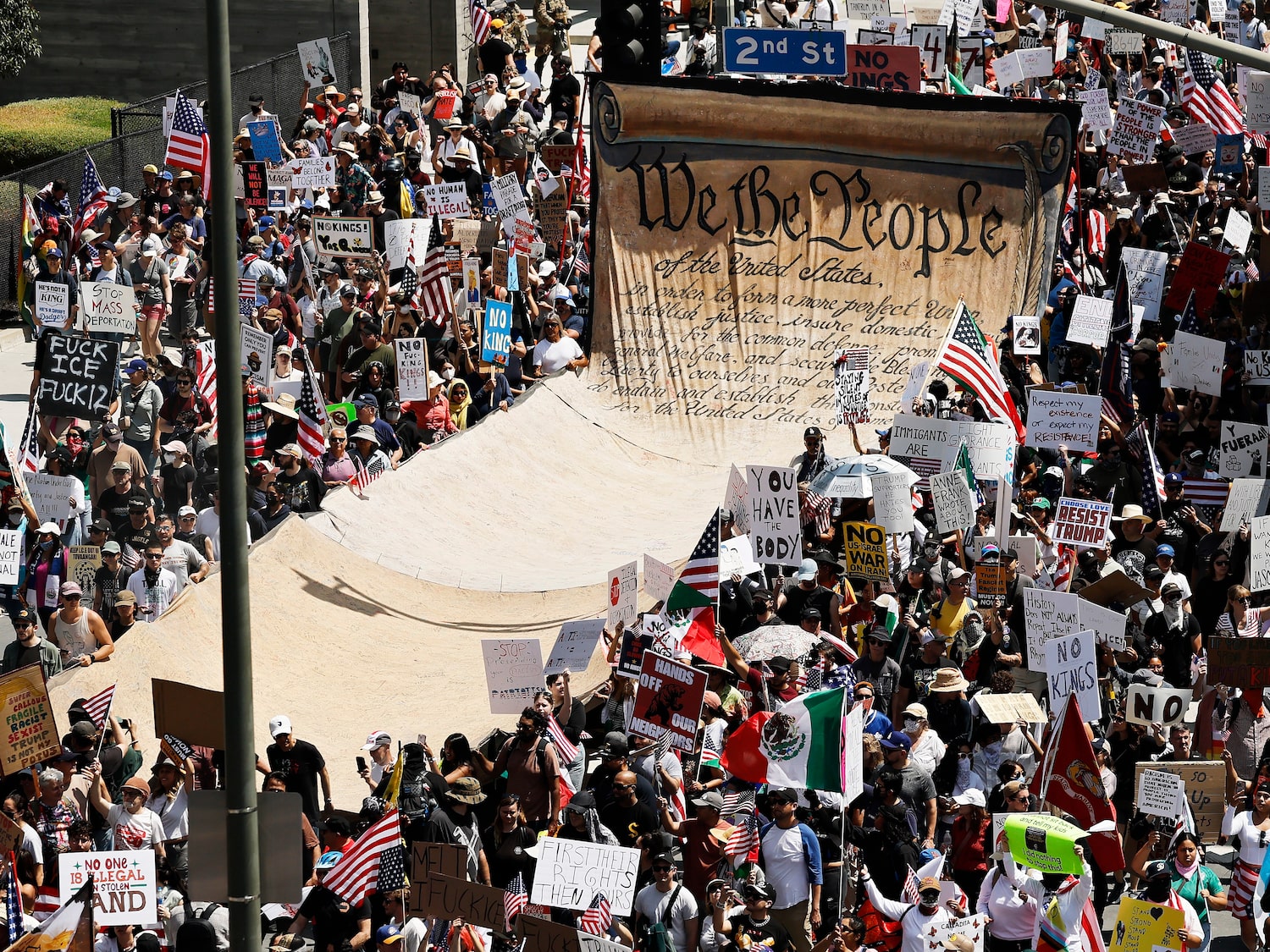
The 250th anniversary of American independence, being commemorated this weekend, is no different. It arrives during perhaps the most important examination – and possible recalibration – of any of the four 50-year marks that preceded them. For contemporary America is wrestling with profound questions about the nature and durability, even the survival, of its democratic values and about its position not only in North America but also around the globe.

Only four in 10 Americans feel 'proud' about the country’s 250th anniversary., a recent Associated Press-NORC Center for Public Affairs Research survey found.MATTHEW HATCHER/AFP/Getty Images
Only days before the actual commemoration, an Associated Press-NORC Center for Public Affairs Research survey found that only about four in 10 Americans felt “proud” about the country’s 250th anniversary. A new Gallup poll found that more than three-quarters of Americans believed the signers of the Declaration of Independence would be disappointed with how the country has turned out. That may be because in some ways the debate the country now finds itself convulsed by is as significant as the one between onetime antagonists John Adams and Thomas Jefferson, who died within five hours of each other on Independence Day 1826, precisely 50 years after the Declaration was published.
Today the U.S. is questioning the unity of a country that in 1876, a century after independence, was still in the bitter grip of Reconstruction, with many of the Southern states still under post-Civil War military rule.
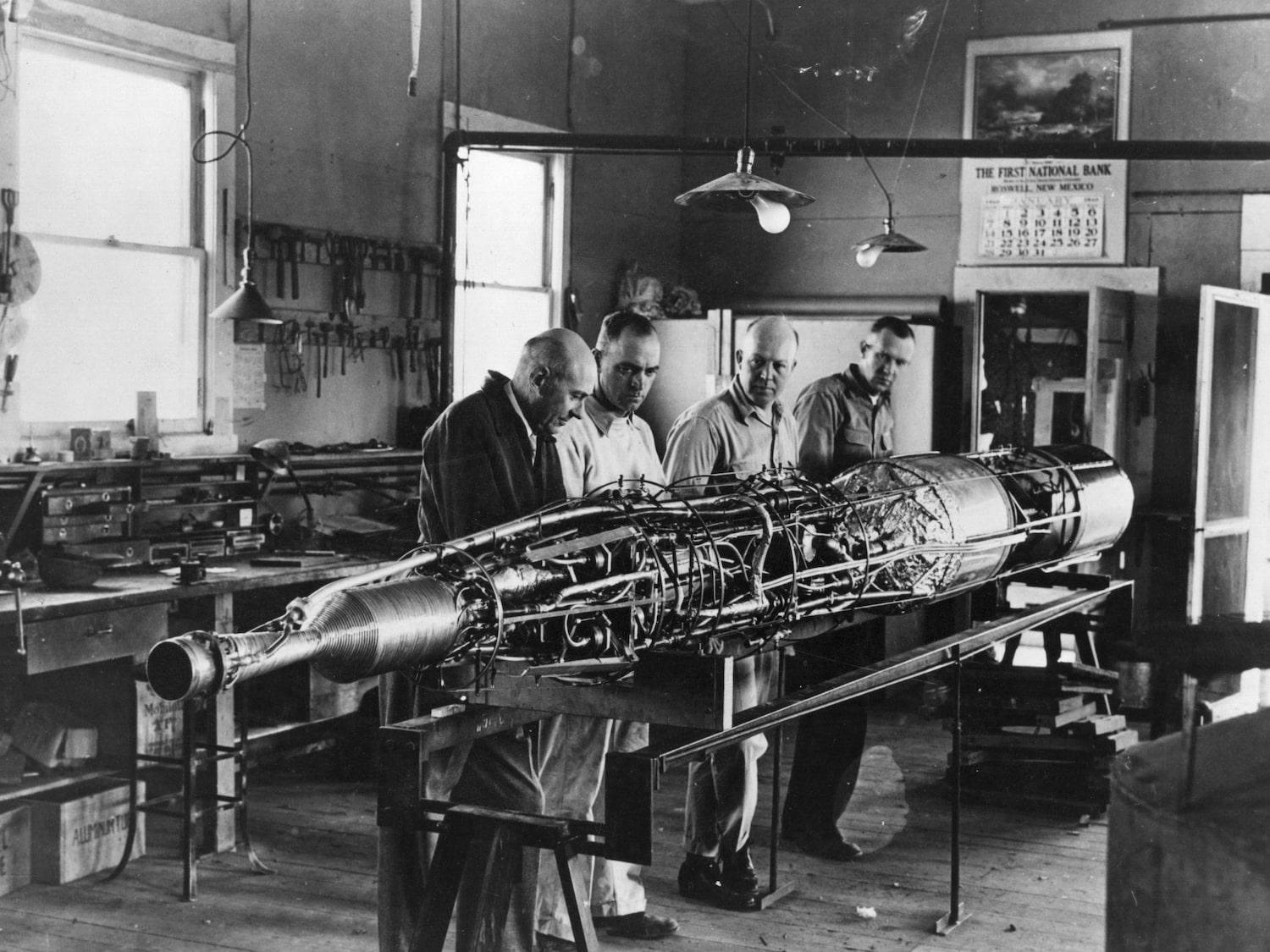
This July 4, the country is engaged in important questions about both its history and its future, much the way it was in 1926, 150 years after Jefferson’s document was promulgated. That is when the physicist Robert Goddard launched the first liquid-fuelled rocket, the symbolic beginning of America’s path to the moon. It also was when, amid the colourful tempests of the Roaring Twenties, the restoration of Colonial Williamsburg, Va., as the site of the world’s first living-history museum, kicked off a sometimes-unsettling examination of the nature of the country’s colonial past and the character of its democratic identity, two questions that are a prominent part of fevered American debate today.
In 1976, as the U.S. marked its Bicentennial, hardly anyone noticed perhaps the most important development of the year, the founding of the Apple Computing Company by Steve Jobs, Steve Wozniak, and Ronald Wayne. Future historians, and even contemporary analysts, surely will see that as a predicate for the technological revolution of AI that is exploding today.
The country a half-century ago was experiencing a gasp of relief about the endurance of its governing system after the political trial, and many legal trials, of the Watergate scandal and the aftershocks of the end of the Vietnam War, a searing experience that also has echoes in this age, its frustrating conclusion often prompting comparisons with this year’s war in Iran.
“Every time the country has had a big anniversary, Americans imagine what the Declaration of Independence means and each time they come up with a slightly different answer,” said Jay Sexton, a University of Missouri historian and the author of A Nation Forged By Crisis. “The commemorations reveal more about the people doing the commemorating than they do about the original event itself. Americans see the founding of the country as a triumph of individual rights but they confront it in different context each time.”
The people doing the commemorating this time are profoundly troubled.
Divided, angry, bewildered, they are distressed about political divisions (an echo of 1826), regional rivalries (a mirror of 1876), vast industrial and communication changes (much like 1926), and a series of political crises (in many ways more serious than 1976). But this is the important difference: 80 per cent of those voters who told the New York Times/Siena University Poll this spring that they were dissatisfied with the state of the country said that they wanted the country’s economic and political system overhauled or even razed.
As a result, the country is marking its big birthday by doing more reflecting than celebrating.
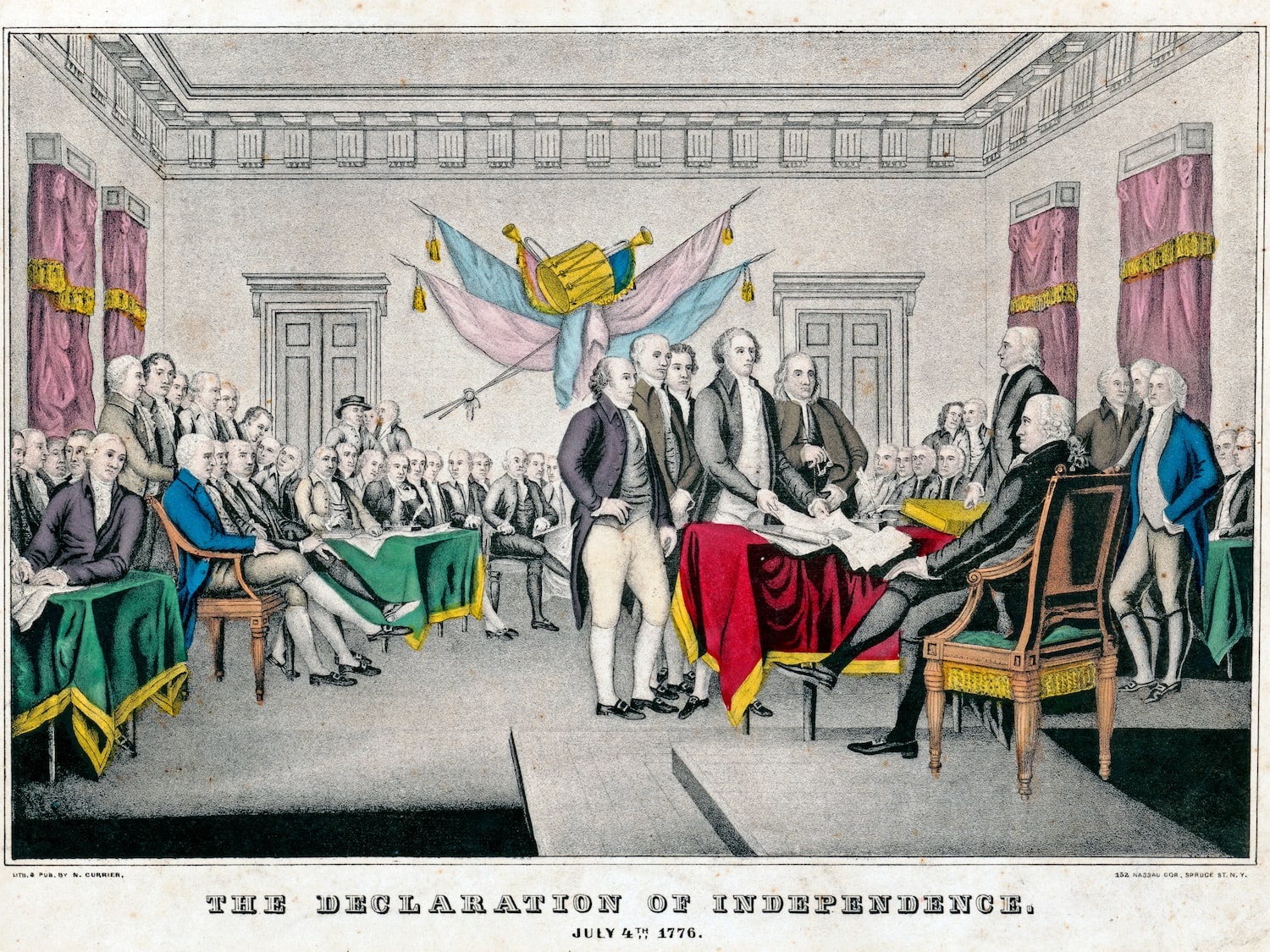
John Adams may have persuaded Thomas Jefferson to draft the Declaration of Independence, but during the country’s birth pangs at the end of the 18th century and the dawn of the 19th, the two men – one born in a saltbox house in Massachusetts, the other on a plantation in Virginia – sparred over the meaning of the document and the course of the nation it created. In many ways, the election of Jefferson in 1800 was a repudiation of the presidency of Adams, which began in 1797.
The two had different visions of the country’s history and its path forward that foreshadowed the nascent political parties of the era, the Federalists and the embryonic coalition that would became the Democrats. Their conflict was personal, but was played out among the 11 million people who comprised the country – a population about the size of contemporary Georgia.
But the two former presidents, architects of perhaps the most significant epistolatory exchange in American history, came to an uneasy peace by the time the country – a tentative, brittle amalgam of former colonies with persistent regional views, many of them with racial overtones that bled into clashing economic interests – celebrated its 50th anniversary. In those letters, Adams wrote words that have special meaning today, arguing that the drive to American independence would “form the brightest or the blackest page, according to the use or abuse of those political institutions by which other shall be shaped by the human mind.”
Jefferson died first on July 4, 1826, Adams only hours later, but their reconciliation came to symbolize a growing but fragile national identity, and to foreshadow the conflicts about that identity that came to characterize the country.

John Adams (left) and Thomas Jefferson had a brilliant and stormy relationship that played a vital role in the young American republic. Friends and rivals, they both died on July 4, 1826, the fiftieth anniversary of America's independence.Library of Congress, Prints and Photographs Division, Washington, D.C. (PRNewsFoto/Encyclopaedia Britannica, Inc.)
“The two had very different outlooks on human nature, and it comes out when they talked in the letters about the nature of the Revolution,” said Marianne Holdzkom, a historian at Kennesaw State University in Georgia. “We continually re-interpret this Revolution. Even the people involved in it had far different views of its meaning. The Adams-Jefferson letters show that the Revolution was messy. But they also are less about national unity than about a nation working for a common cause.”
That quality would lead to the most important linguistic change in American history, the transformation of phrases in the plural like “The United States are …” into phrases employing the singular that instead began “The United States is …”
And that transformation took form amid the great divisions – and the great complications and contradictions – within the American political system produced by the Civil War (1861-1865) and the contentious period known as Reconstruction that followed.
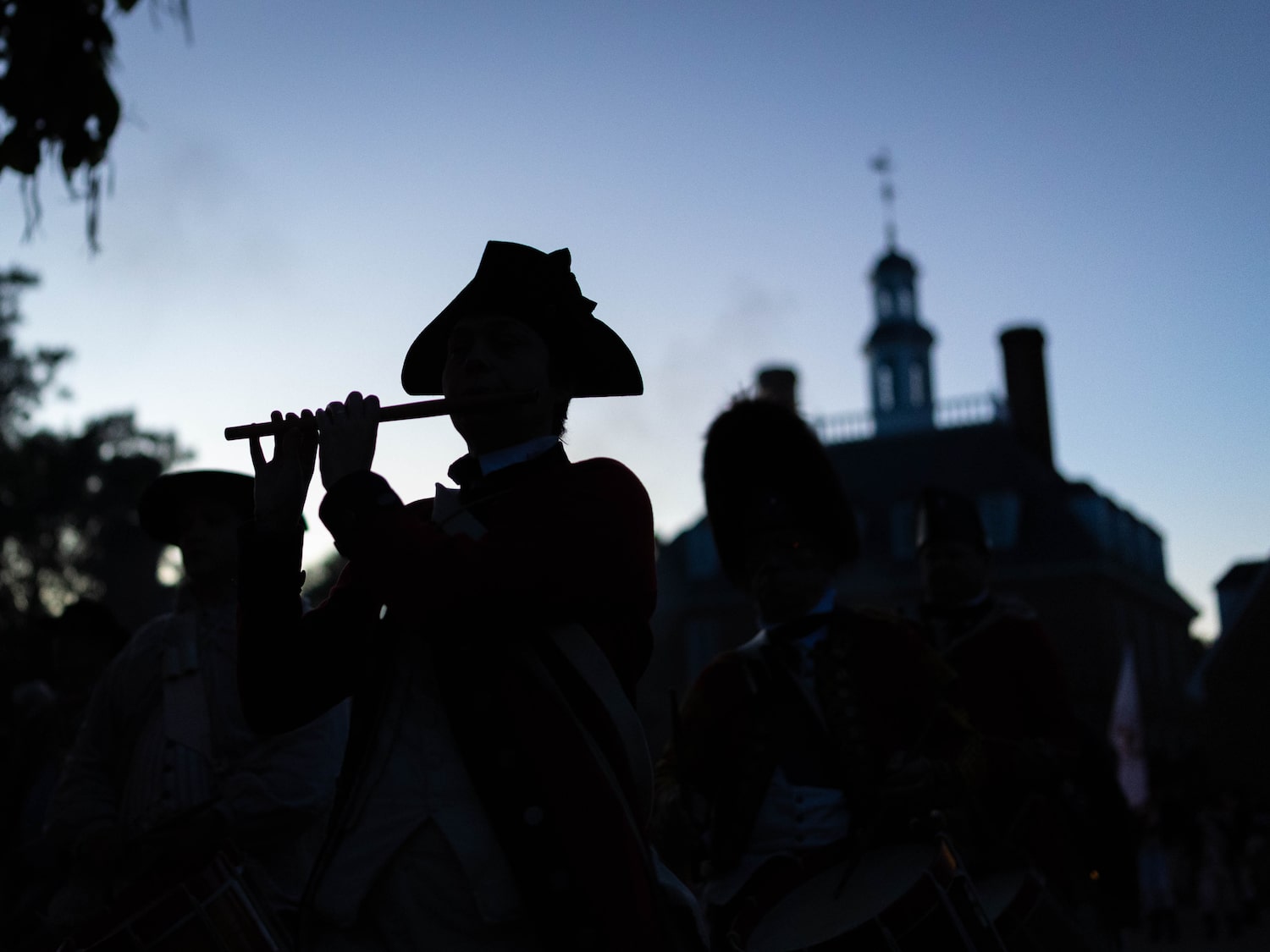
In 1926, a century after the passing of the two giants of the founding period, the country was poised for a future of power and possibility even as it was preoccupied with the glories of its revolutionary past.
Indeed, the juxtaposition of the mere 12.5-metre-high trajectory of Goddard’s rocket above Worcester, Mass., and the beginning of the restoration of Colonial Williamsburg stand as symbols of those twin impulses, both central to the country’s character. Some 43 years after the Goddard rocket, American astronauts would step on the moon – and the restored Colonial Williamsburg would occupy 301 acres of land and attract about a million people in family and school groups.
In retrospect, the founding of Colonial Williamsburg at the time of the 150th anniversary of American independence was freighted with meaning. “By 1926, a century and a half after the nation’s birth, every word of its founding statement had been questioned,” Jill Lepore wrote in her influential 2018 book, These Truths: A History of the United States. “American politics had become riven by disputes over basic matters of fact. At the heart of these disputes lay rival interpretations of the Constitution, which rested on different interpretations of its nature, an extension of the debate over the literal truth of the Bible. But Americans also expressed their political differences over science and history.”
All this occurred as The Man Nobody Knows, the year’s best-selling non-fiction book, exercised enormous influence on Americans. In its pages, the advertising executive Bruce Barton portrayed Jesus Christ as “the most popular dinner guest in Jerusalem” and the “Founder of Modern Business,” a figure so gifted in the commercial arts that he “picked up 12 men from the bottom ranks of business and forged them into an organization that conquered the world” and created parables that were “the most powerful advertisements of all time.”
That was part of the zeitgeist of the time, for as Frederick Lewis Allen wrote in Only Yesterday, a chronicle of the 1920s, “Under the beneficent influence of [President Calvin] Coolidge Prosperity, business had become almost the national religion of America.” It was a year when the U.S. banned the entry of Vera, Countess of Cathcart (the central figure in a lurid British adulteration scandal) because of “moral turpitude”; when Aimee Semple McPherson, the Ontario-born Pentecostal evangelist whose preaching took the country by storm, disappeared under mysterious conditions; when the “Charleston” dance was the rage; when a hurricane put an end to the first Florida land boom; and when the Ku Klux Klan, though in shrouded in scandal and in decline, managed to muster thousands of supporters in white robes to march down Washington’s Pennsylvania Avenue.
But Coolidge, speaking at Philadelphia, spoke of the great challenge of American political life, one that would be unquestioned until the period leading to the next major July 4 commemoration: “Whatever perils appear, whatever dangers threaten,” he said, “the Nation remains secure in the knowledge that the ultimate application of the law of the land will provide an adequate defense and protection.”
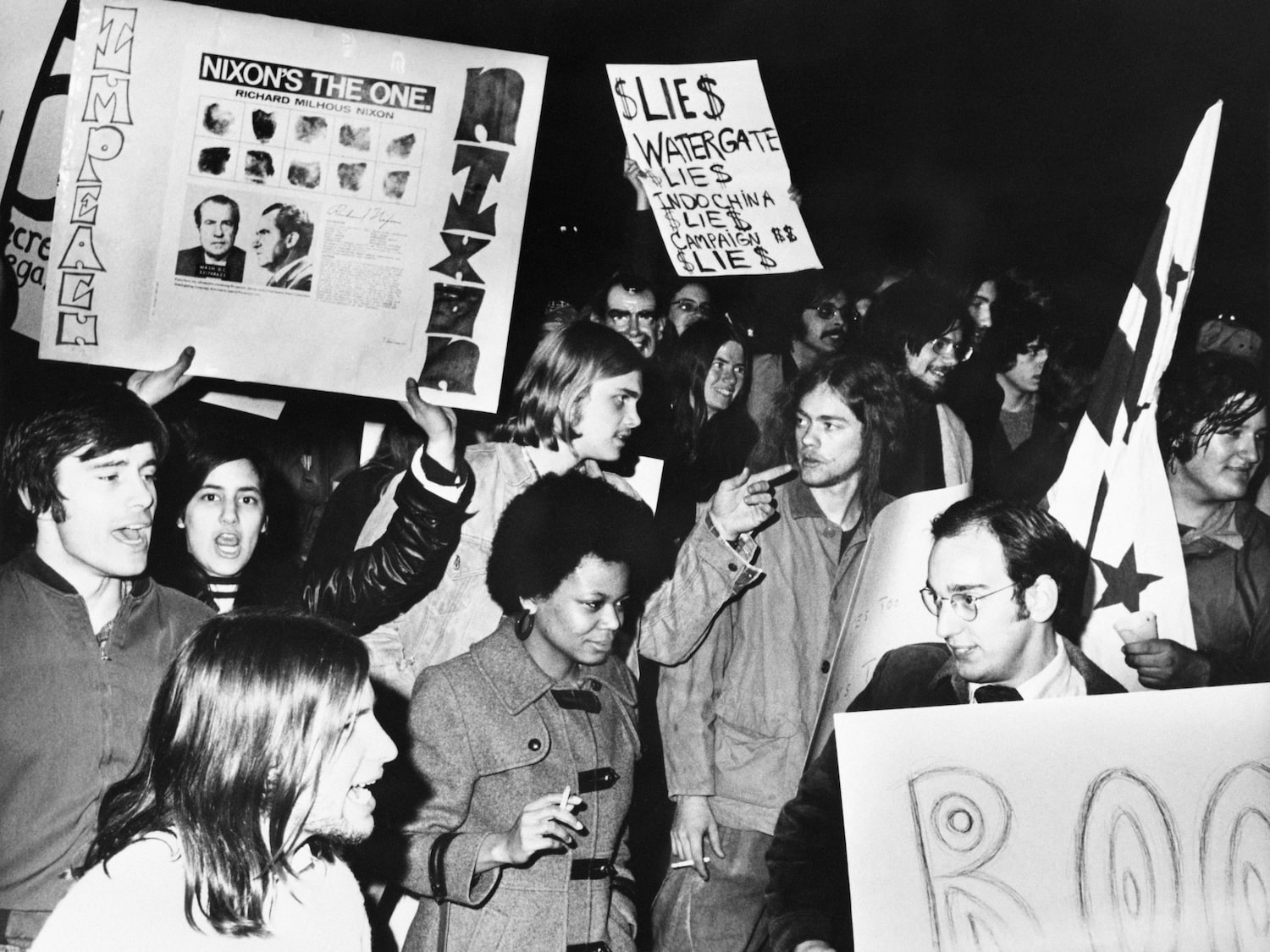
The most recent 50-year commemoration, the Bicentennial of 1976, took place within the living memory of nearly three-fifths of the current U.S. population. Those 200 million people thus are at least vaguely familiar with the American profile at that time: a country torn apart by the Vietnam War, which ended only 14 months earlier, and singed by the Watergate scandal, which ended two years earlier with the resignation of Richard Nixon.
In his Bicentennial: A Revolutionary History of the 1970s, published earlier this year, the San Francisco State University historian Marc Stein argued that the Bicentennial “allows us to see a nation revisiting its founding era and asking challenging questions about whether the United States was living up to its anti-colonial origins, its rhetorical commitments to liberty, and its asserted aspirations for equality.”
Even so, the 1976 celebration occurred in an environment of high hopes that has no analogue today. The country was awash in red, white, and blue; the phrase “Spirit of ’76” echoed across the continent; and American harbours were full of Tall Ships (16 of them in New York alone) whose grace seemed to calm the country.

Ships participate in Operation Sail, between the Statue of Liberty and the World Trade Center to celebrate the U.S. bicentennial in New York on July 4, 1976.Eddie Adams/The Associated Press
And the president, Gerald R. Ford – a veteran Republican congressman with an easy way and a difficult task – did much to soothe the country.
The only president who wasn’t elected to national office, Mr. Ford understood the threat that Watergate had posed to American institutions and democratic values, and in a pair of Bicentennial commemoration speeches he addressed them in ways that reverberate in our own age.
On July 2, technically the 200th anniversary of the Continental Congress vote to declare independence from Great Britain, the 38th president used a speech at the National Archives, where the original Declaration of Independence sits, to urge Americans to read the elements of the document that he called the “dull parts” – essentially a list of the colonists’ indictments of King George III. He said that “the injuries and invasions of individual rights listed there are the very excesses of government power which the Constitution, the Bill of Rights and subsequent amendments were designed to prevent.”

Betty and Gerald Ford pose on a White House balcony as fireworks celebrating the U.S. Bicentennial burst over the city skyline, Washington D.C, July 4, 1976.Dirck Halstead/Getty Images
Two days later, on July 4, he appeared in front of Independence Hall, where the Declaration itself was formally adopted, and spoke of “this union of corrected wrongs and expanded rights.” He said of the Founding Fathers, “They boldly reversed the age-old political theory that kings derive their powers from God, and asserted that both powers and unalienable rights belong to the people as direct endowments from their Creator.”
Later that day, on the front lawn of Monticello, Jefferson’s Virginia home, he spoke about immigration to 106 newly minted Americans, urging them to remember “the rich treasures you brought with you from whence you came, and let us share your pride in them,” adding, “This is the way we keep our Independence as exciting as the day it was declared, and the United States of America even more beautiful than Joseph’s coat.”
That is language that would have seemed out of sync in the sesquicentennial of 1926, which occurred two years after the country severely limited immigration, or today, when Mr. Trump in recent weeks has targeted even legal immigrants.
“This was the best speech that Gerald Ford ever gave,” said Richard Norton Smith, author of An Ordinary Man, the definitive modern biography of the 38th president. “It was a celebration of diversity, of ethnic and of national pride. He led people to believe that ‘Black is Beautiful,’ but so, too, was white, brown and red. It is a speech that could be given today but I am sorry to say not by a Republican president. It is a timeless message.”
Together Mr. Ford and the Bicentennial celebration helped salve, and maybe even save, the country. While he served for fewer than 900 days, during in which he was often ridiculed, Mr. Ford is remembered today as one of the great healers in American history.
“The country was in recovery in 1976, and in a way it is still in recovery,” Bob Woodward, half of the Woodward/Bernstein Washington Post reporting team that broke, and then chronicled, the Watergate story, said in an interview. “In Watergate, Nixon paid the price for his crimes and misdeeds by resigning. We now have a culture and a political system and, in the case of the Republican Party, an unwillingness to face what is going on. This tells us so much about the country right now. If you’re looking for an index of change, that is one of them.”
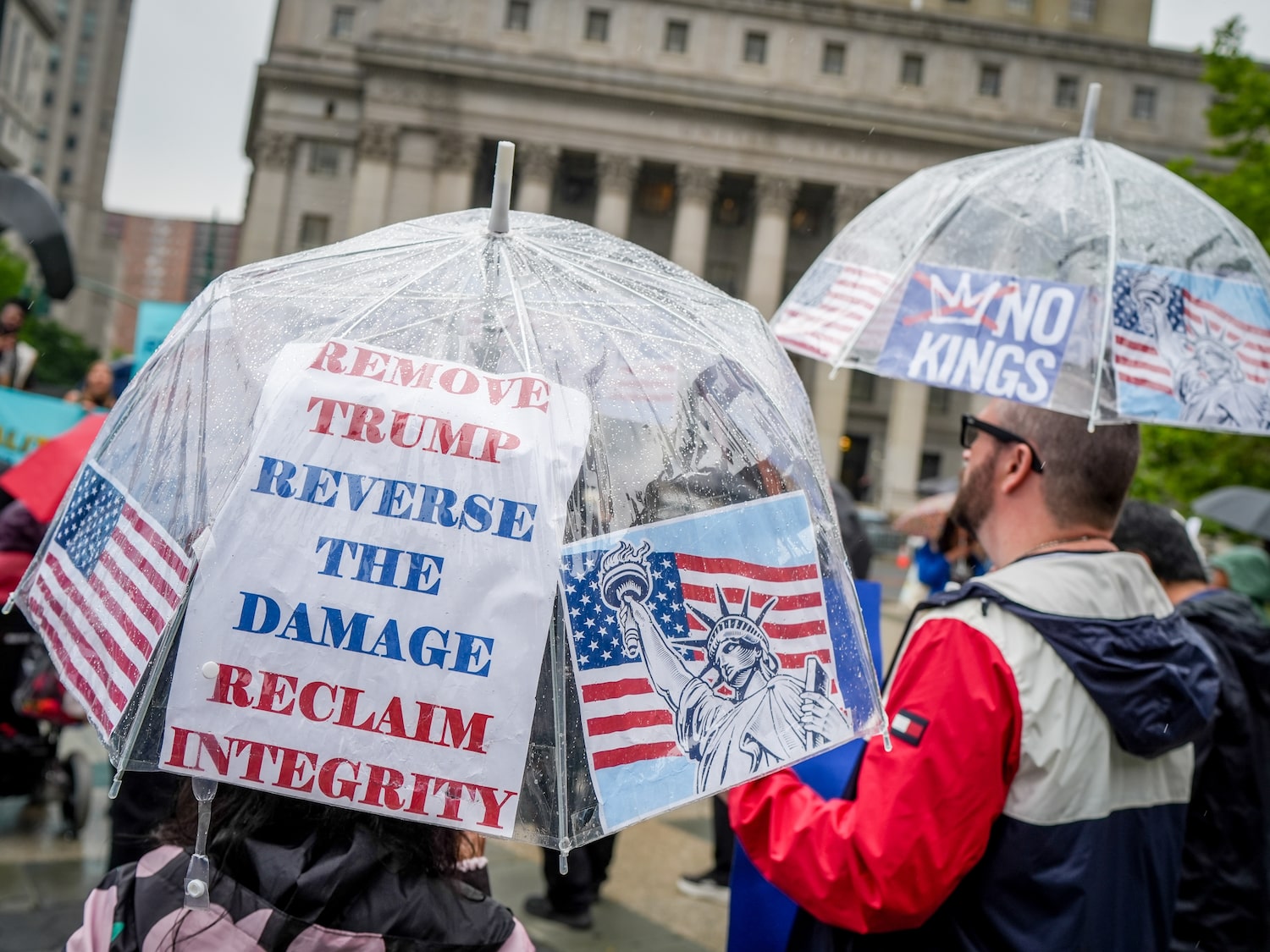
Yet in some ways it is the 1876 commemoration that best holds up a mirror to our own time.
It came, tellingly, amid the crisis of the election of that centennial year and has evocations of the election controversies of our own time, including the dispute over the 2020 election that led to the insurrection at the Capitol on Jan. 6, 2021. Though Governor Samuel J. Tilden of New York won the most votes, the 1876 election was clouded in controversy, and eventually an Electoral College dispute was resolved by throwing the presidency to the Republican Governor Rutherford B. Hayes of Ohio.
The 100-year celebrations also came in a year marked by the celebrity of Wild Bill Hickok, Calamity Jane, and Deadwood Dick, all of whom would become figures of barroom anecdotes, American legend, and folklore – and by the defeat of George Armstrong Custer, at the hands of Indigenous warriors at the Battle of Little Bighorn.
“Had Custer survived he probably would have faced a court martial for disobedience of orders and incompetent leadership, but in the tradition of mythology he died bravely and became a hero,” Dee Brown wrote in The Year of the Century: 1876, published in 1966. Four years later Mr. Brown would write the highly influential Bury My Heart at Wounded Knee: An Indian History of the American West, which began white America’s long, achingly slow, and incomplete re-evaluation of its treatment of Indigenous peoples.

Ernie LaPointe, great-grandson of Sitting Bull, shows a photo of himself as a child with his mother, at his home in Lead, S.D., June 7.WILL WARASILA/The New York Times
The centennial occurred in a time, much like our own, of rapid industrialization and of revolutions in transportation and communication. The Canadian Alexander Graham Bell introduced the telephone that year, but it attracted so little attention at the Centennial Exposition in Philadelphia that William Deans Howells didn’t even mention it in his account of the event. But what did attract attention was tomato ketchup, introduced to a broad audience by H.J. Heinz.
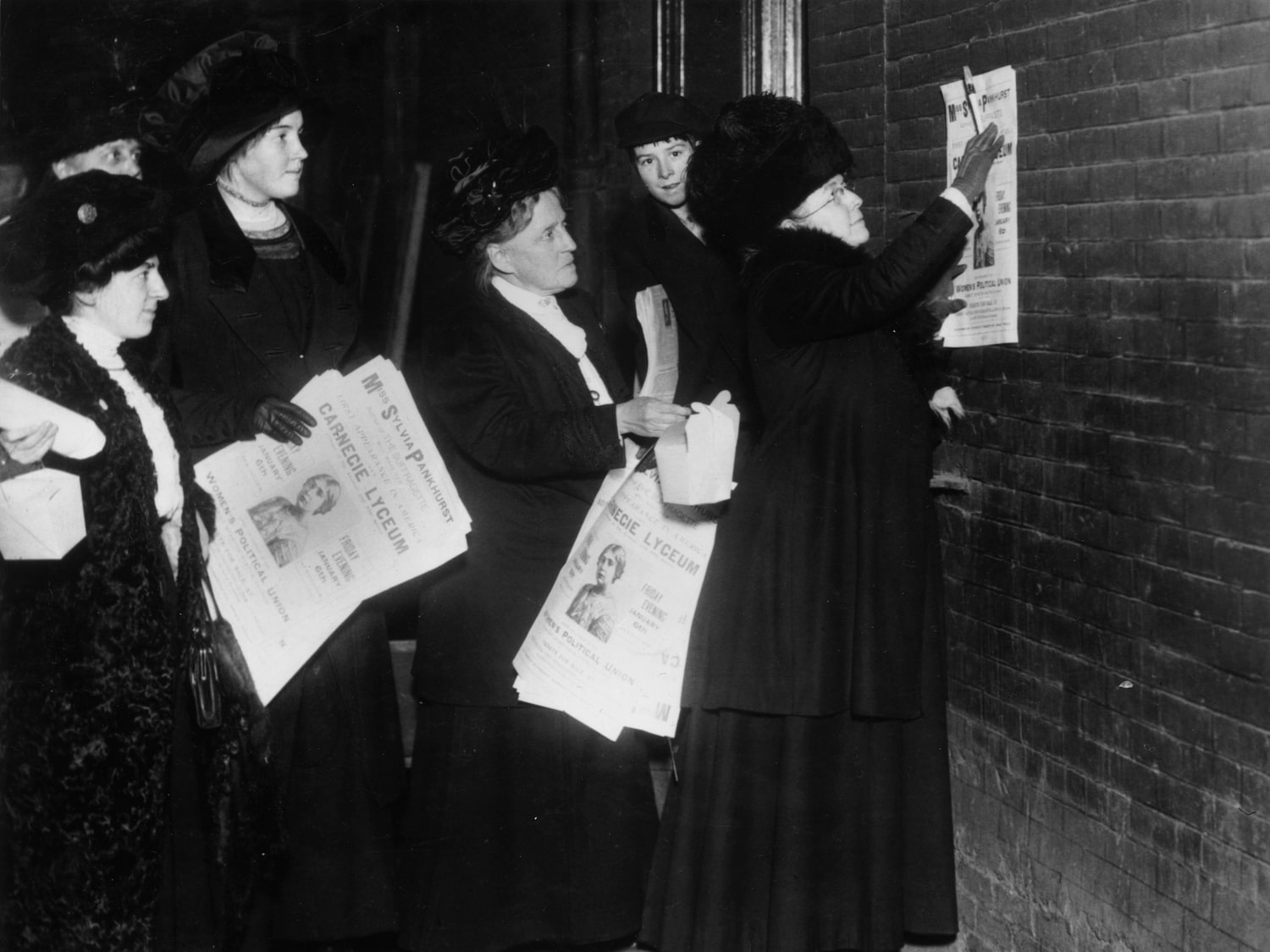
Also attracting attention were protests by the women’s suffrage leaders Susan B. Anthony and Elizabeth Cady Stanton. They undertook political demonstrations in an environment of contentious questions about tolerance and secularization, struggles between corporations and labour, and tensions between black and white. “Designed as a monument to American progress and harmony, the Exposition could not escape the conflicts of the country that produced it,” Richard White wrote in the 2017 The Republic for Which It Stands. “It supplied abundant evidence of American achievement even as the nation struggled over who counted as Americans.”

People take part in the 'All of U.S. 250' protest, June 27.Rod Lamkey Jr./The Associated Press
This question was in the air as the country prepared for its 250th anniversary amid a heated controversy over immigration that culminated in a series of Supreme Court decisions in recent days, last week affirming the President’s power to deport migrants from Syria and Hungary and to deny asylum to others. Then, this week, the high court affirmed the 1868 amendment providing U.S. citizenship to those born in the country. The justices rejected the Trump argument that the birthright citizenship element in the landmark 14th Amendment was intended to apply only during the Reconstruction era and their ruling stood as an important recognition of the role of immigration in the making of a land that routinely calls itself a “country of immigrants.”
In his book Centennial: The Great Fair of 1876 and the Invention of America’s Future, published just a month ago, Fergus M. Bordewich noted that centennial exposition “was a celebration of America as the country’s industrial magnates wished it to be, an expansive vision of a glittering consumerist future at a time of industrial turbulence, political anxiety, and rapid change – an America from which racial stress and class conflict had been entirely expunged, and women included only on sufferance.”
Future historians might say much the same thing about the semi-quincentennial, occurring now in an era when Mr. Trump seeks to cleanse history of accounts of conflict, inequality, and the striving of minorities and women that only two years ago was celebrated as an emblem of the promise of American life: a country tarnished, perhaps, but glittering in its own way, a continentwide expanse where blemishes were recognized and addressed with the soothing topical remedies of the country’s political system.
Today that faith is in official disrepute in Washington but still breathes outside the capital.
That is one reason why the echoes from 1876 are especially resonant today, because the 100th anniversary of the Declaration of Independence came, as does the 250th, at an unusually squeaky hinge of history.
“The centennial arrived in an era when human beings were experiencing the greatest changes in their history,” Dee Brown wrote in his account of that year, which hit the bookstores 60 years ago. “For Americans the changes were so sweeping and came with such speed that few were aware of their meaning for the future.”
Amid all the celebrations in this season of contention and commemoration – the speeches, the historical displays, the fireworks, the strains of the patriotic anthems – the same might be said about our own time.