On a warm spring day in Kryvyi Rih, Mariia Didichenko took her three-year-old daughter, Afina, down to the playground outside their apartment, as the young families of their quiet residential neighbourhood did on most sunny days.
It was late afternoon, and the brightly painted play structures were thronged with children. Ms. Didichenko settled onto a bench and took a few short videos of her daughter digging in the sandbox and calmly riding the merry-go-round with her playmates, including seven-year-old Arina Samodina, who was being watched by her grandfather.
By 6:30 p.m., parents began to lead their kids home for dinner. “Another five minutes,” Ms. Didichenko told her daughter, and then they too would leave.
Suddenly, an air attack warning siren wailed over the central Ukrainian city, which has a population of about 600,000 and sits about 70 kilometres from the closest front line.
Ms. Didichenko picked up her phone to check for text notifications detailing the threat so she could know if she had to rush Afina inside to safety.
At that moment, the blast hit them.

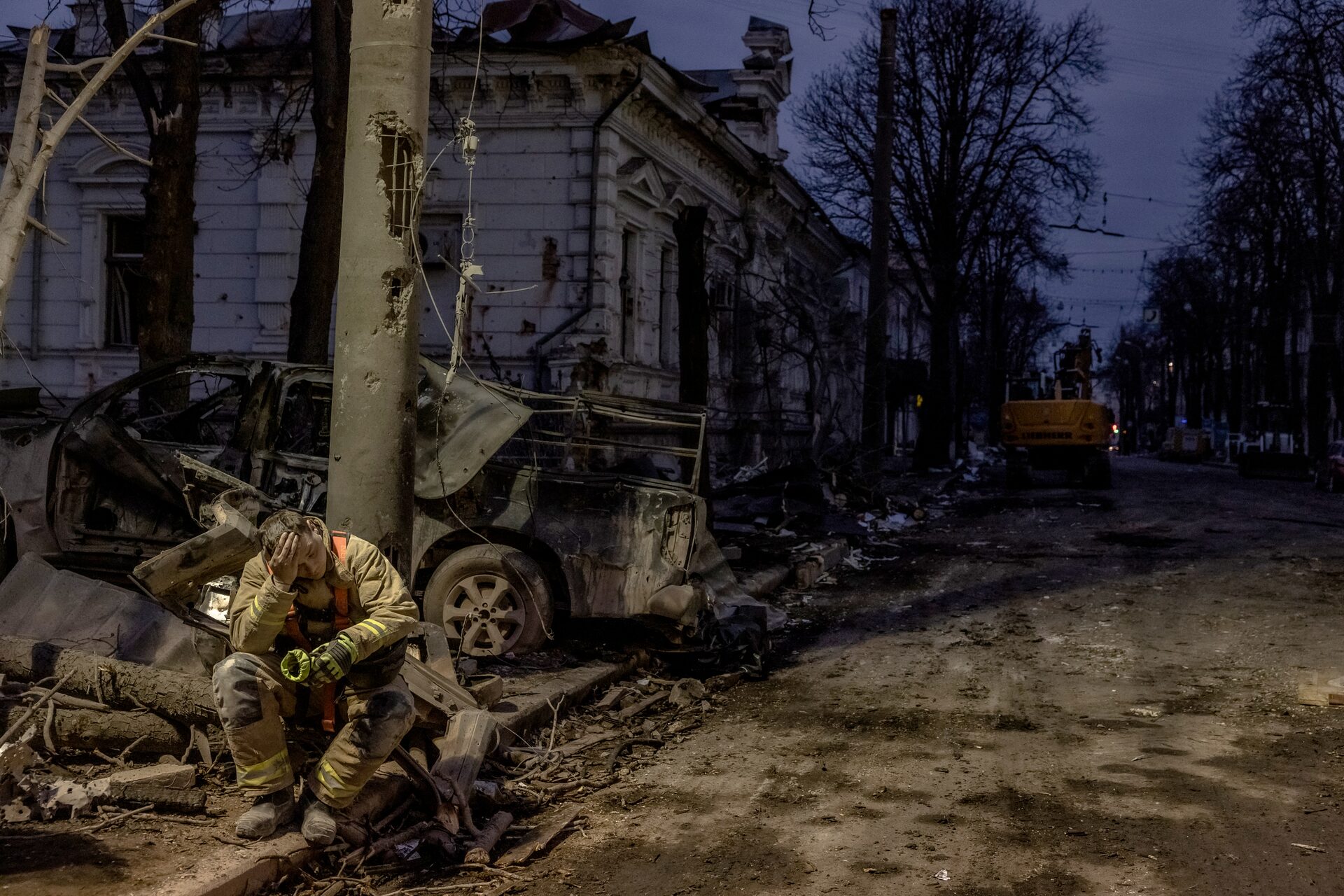
First responders found a fiery scene, and many dead bodies, in the immediate aftermath of April 4's attack in Kryvyi Rih.Ukrainian Emergency Service via AP
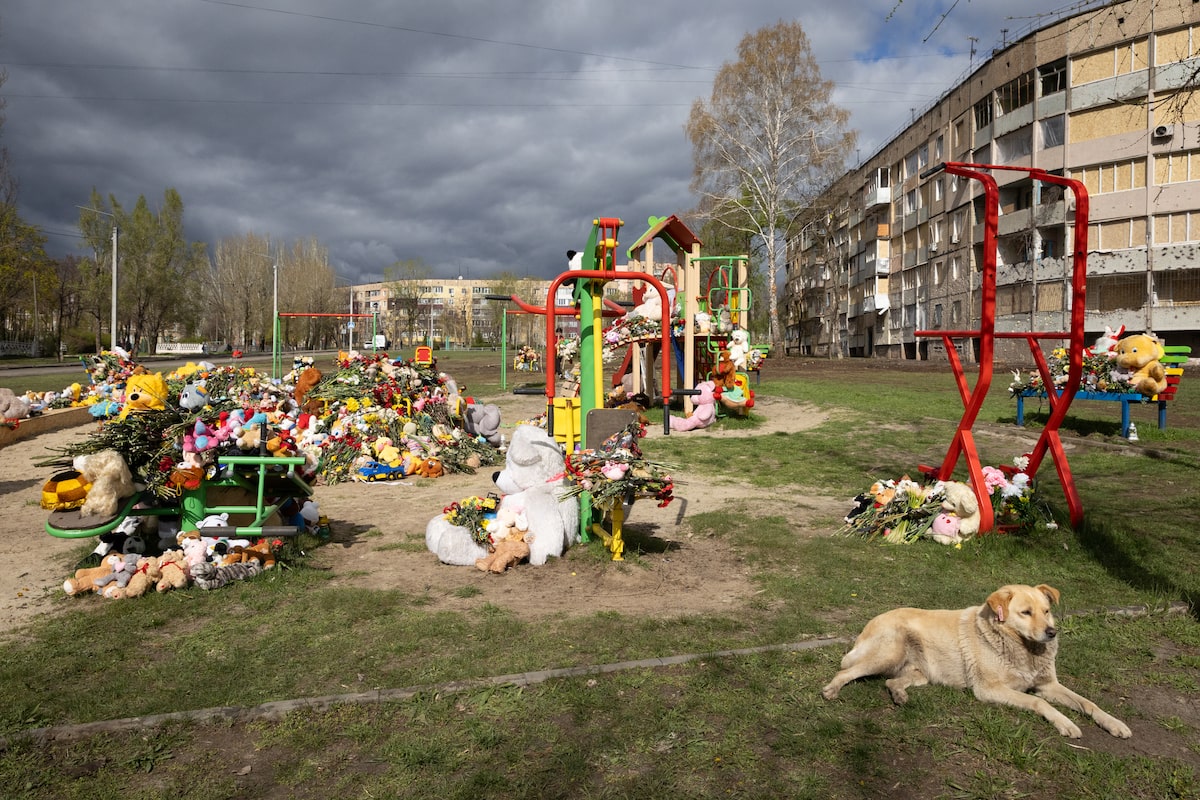
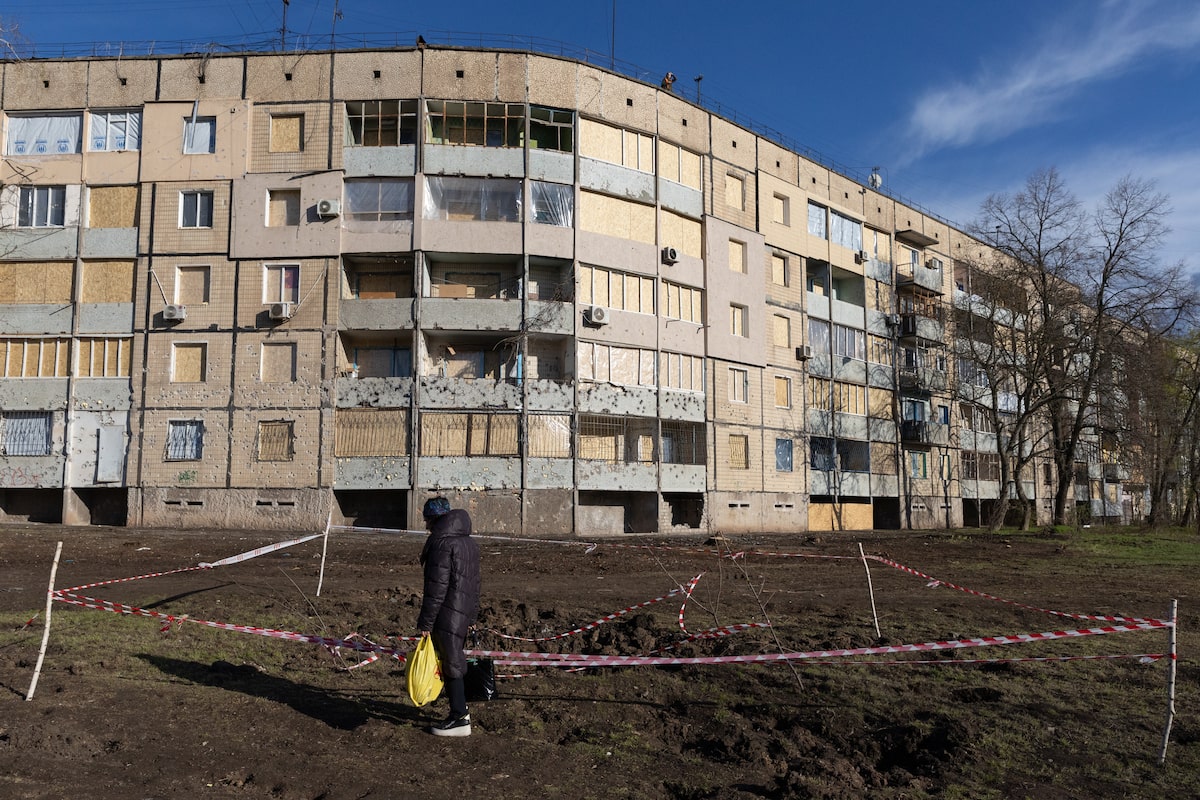
When the Russian Iskander-M ballistic missile, armed with a cluster munition warhead, burst in the air about 15 metres from the playground, it sent thousands of pieces of shrapnel shrieking into bodies, buildings and windows.
By the time the dust settled, 20 people had been killed, including nine children. Another 74 were injured. Ms. Didichenko and Afina, who were wounded, were among the few on the playground to survive.
The April 4 attack, which came amid talk of a ceasefire from U.S. officials, is tied for the highest confirmed single-strike deaths of Ukrainian kids since the full-scale invasion began three years ago.
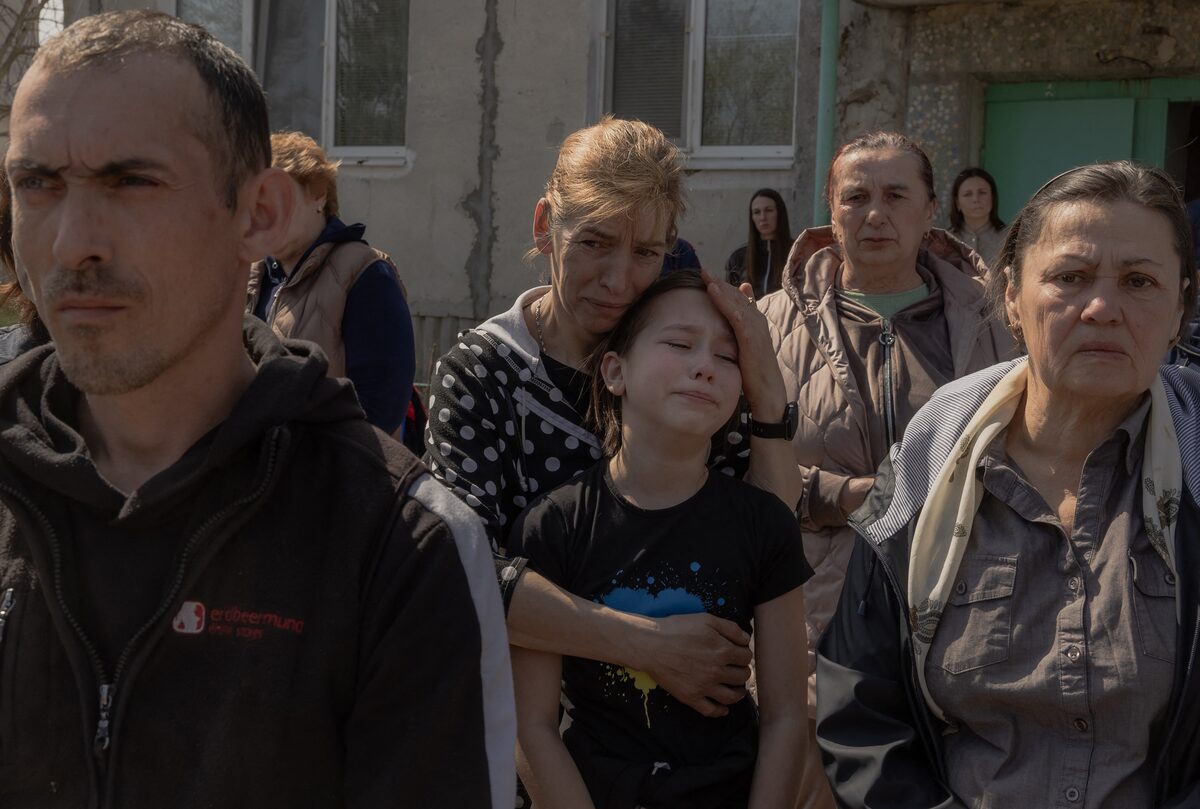
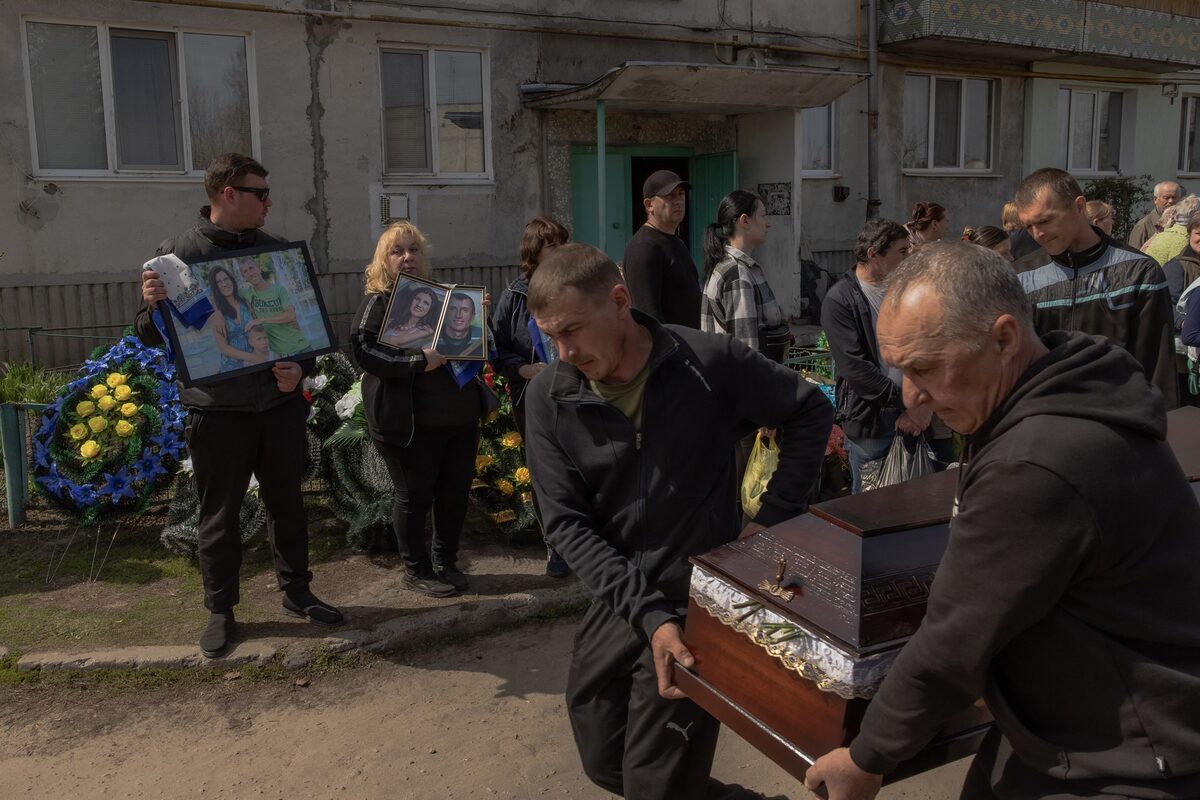
Images of the attack’s devastating aftermath swept the nation, uniting Ukrainians in horror. But the country did not have long to grieve. Just nine days later, on April 13, two Russian ballistic missiles, also using cluster munitions, struck downtown Sumy, where residents were strolling after church on Palm Sunday. Thirty-five were killed.
U.S. President Donald Trump, who has stated he believes Russian President Vladimir Putin wants peace, said Russia “made a mistake” with the Sumy attack. About the Kryvyi Rih strike, he has said nothing.
That silence underscores Ukraine’s fight to keep the world’s attention. It’s a burden that falls, increasingly, on those most affected – so as Ms. Didichenko and her daughter recovered, she decided to share their experience.
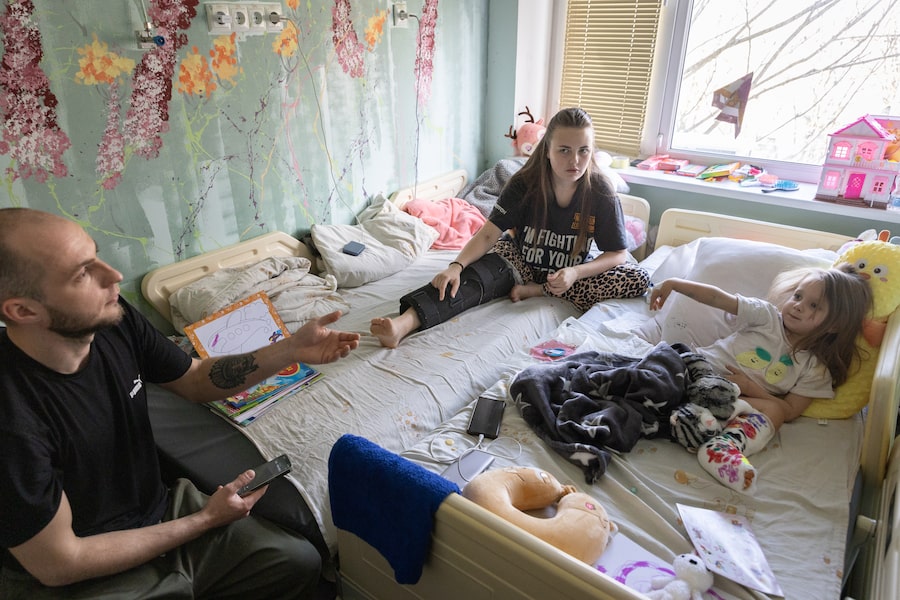
“You need to knock on people’s doors, you need to let them know what’s going on,” Ms. Didichenko said, speaking through a translator on Saturday in a hospital room in Dnipro, about two hours northeast of Kryvyi Rih, where she and Afina have undergone multiple surgeries to remove shrapnel from their bodies.
Near the epicentre, the explosion struck “like a hurricane,” Ms. Didichenko said. For several seconds after the blast, she sat frozen in shock, her ears ringing, unable to see through the black smoke. She did not yet feel any pain from the shrapnel that had ripped through her leg.
A terrible silence fell over the playground, which moments before had been filled with children’s laughter. The smoke cleared, revealing bodies scattered across the ground, few of them moving. Near the carousel, Ms. Didichenko watched in horror as Afina’s playmate Arina gave two shocked cries, and then took her last breath. The little girl’s grandfather already lay dead beside the bench where he’d been sitting.
“It felt like the apocalypse,” Ms. Didichenko said.
Stumbling forward, Ms. Didichenko found Afina sitting curled on the ground near the merry-go-round, with her hands clenched over her ears. In her arms, the little girl whimpered and began to go limp.
Her phone rang: It was her husband, Yevhenii Didichenko, checking on his family. He did not yet know the missile had struck near their home.
“Afina is losing consciousness,” Ms. Didichenko screamed into the phone, and then she began to run. On the street, she met a neighbour who was rushing to help. The woman hurried the wounded mother and daughter into her car and rushed them to hospital.
In the days that followed, Kryvyi Rih residents flocked to pay their respects at the site, turning it into a makeshift memorial. Today, shrapnel-scarred play structures are heaped with flowers and stuffed animals, just beyond the crater in the dirt where the missile struck.
Foreign dignitaries came to pay their respects. On Friday, Ukrainian President Volodymyr Zelensky visited for a memorial service at the playground. Across Ukraine, people raised funds to support the victims. “We could never imagine that so many people are willing to help,” Mr. Didichenko said. “Of course, everyone worries about Afina.”
For three days, Afina remained in a medical coma. When she awoke, she asked her parents what caused her vavky – her “little wounds,” the black shrapnel scabs that pepper her body. She remembers only what she calls “the black wind.” She did not see the bodies of her friends.


Yevhenii, playing with his daughter's toes as she rests, has one of the shrapnel pieces removed from her body. Another piece in her head will never come out.Kris Parker/The Globe and Mail
Some bits of Russian missile will remain in the girl’s body for the rest of her life, including a tiny piece lodged deep in her brain. Doctors do not know how that will affect her.
Yet by Saturday afternoon, Afina was sitting up in the hospital bed she shared with her mother, leaning over a colouring book, studiously decorating cartoon animals with a purple marker. She giggled as she tossed a paper airplane back and forth with her father.
To see Afina smiling now is “just pure happiness,” Mr. Didichenko said. They do not know yet what the future holds, including whether they will be able to return to their apartment overlooking the playground; it will depend on what is best for their daughter.
But that they survived seemed to them like a miracle – and a chance to bear witness. Two days after the attack, Ms. Didichenko posted to Instagram the videos she’d taken of the kids playing just 30 minutes before the strike. For some parents, those are the last images they have of their children.
The post went viral, racking up hundreds of thousands of views and more than 3,800 comments. Most expressed shock and heartbreak – though a handful came from supporters of Russia cheering the attack.
“I don’t know how people can have such evil inside them,” Ms. Didichenko said.
About the Russian forces who launched the strike, “there are no words to describe this,” Mr. Didichenko said, shaking his head grimly – or at least, “none that can be put in any article.”
Now, Ms. Didichenko hopes those who hear their story will help rally Ukraine’s allies to help end such attacks forever.
“We need every possible effort to stop this war,” Ms. Didichenko said. “Why must these children be killed? All they were doing was playing on their playground. … How many tragedies like this might happen before people realize it’s time to change something? We hope that with God’s help, there will be some sort of ending, and people around the world will also do everything possible to end this.”

Kris Parker/The Globe and Mail