Meet the surprising culinary leaders coming out of the Prairies
SUPPLIED
Typically known for its endless fields and rich farming traditions, Saskatchewan is quickly emerging as a Canadian culinary hotspot. Surprised to hear this? The province’s bevvy of culinary trail blazers are dispelling stereotypes with their innovations, putting the province firmly on the map as a foodie destination worth travelling for.
Five Saskatchewan chefs and restaurateurs are leading the charge when it comes to food sourcing, preparation and community engagement. From finding new ways of embracing farm-to-table dining to the creative use of local ingredients, these culinary leaders are challenging the status quo of the province’s dining scene.
Thayne Robstad and Beth Rogers are elevating Prairie cuisine
Perusing the menu at Hearth Restaurant, in Saskatoon, Sk., is like stepping into the childhood homes — and dinner tables — of owners Thayne Robstad and Beth Rogers. Inspired by the local landscape and foods their grandparents cooked, the husband-wife duo have crafted a menu that takes familiar Prairie-grown ingredients and elevates them, all while ensuring an approachable dining experience. Located inside the city’s stunning Remai Modern art museum, “We wanted to start Hearth and make the restaurant that we wanted to go and eat at,” Robstad says.
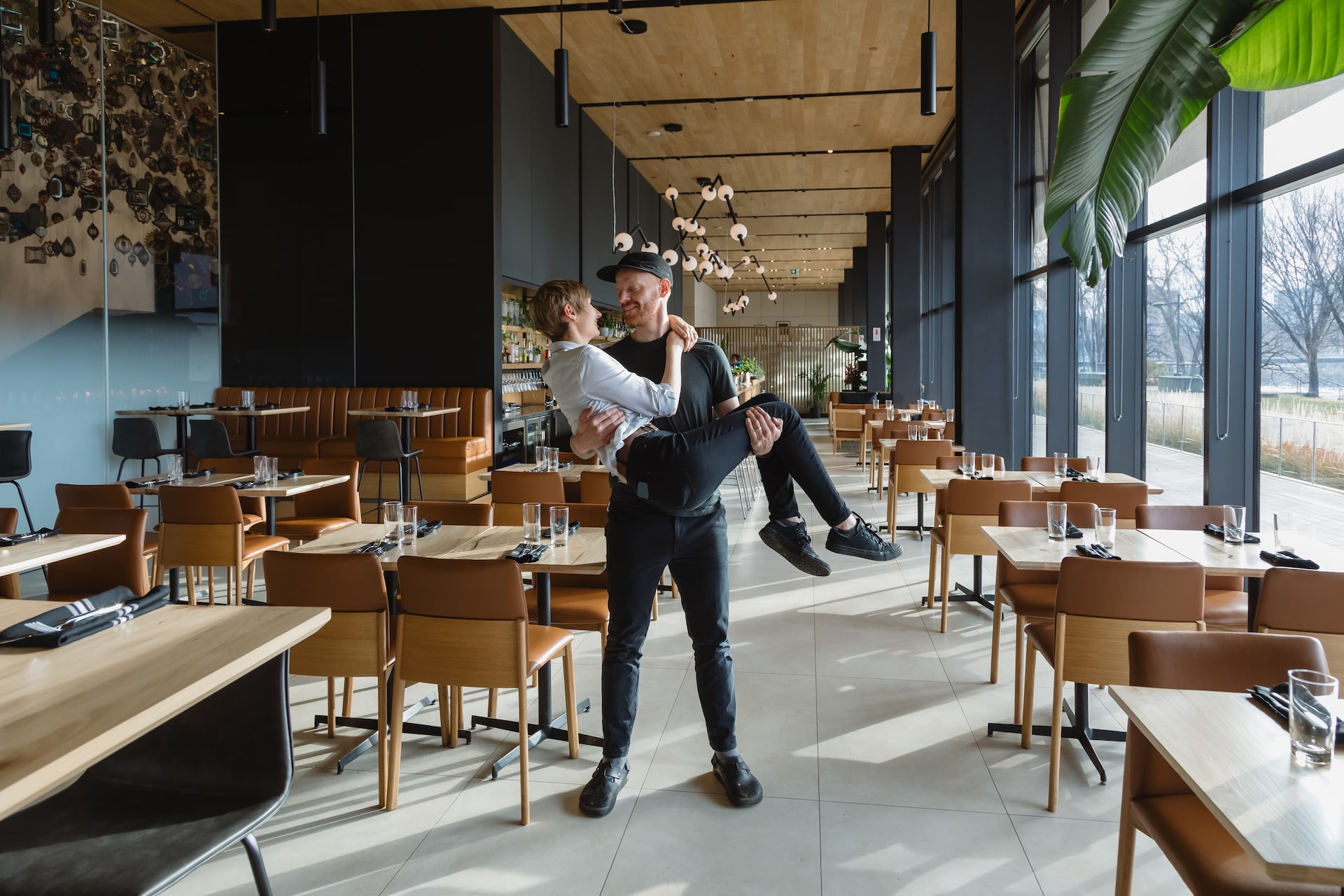
At Hearth Restaurant, owners Thayne Robstad and Beth Rogers are inspired by the Prairie home cooking they grew up with.
SUPPLIED
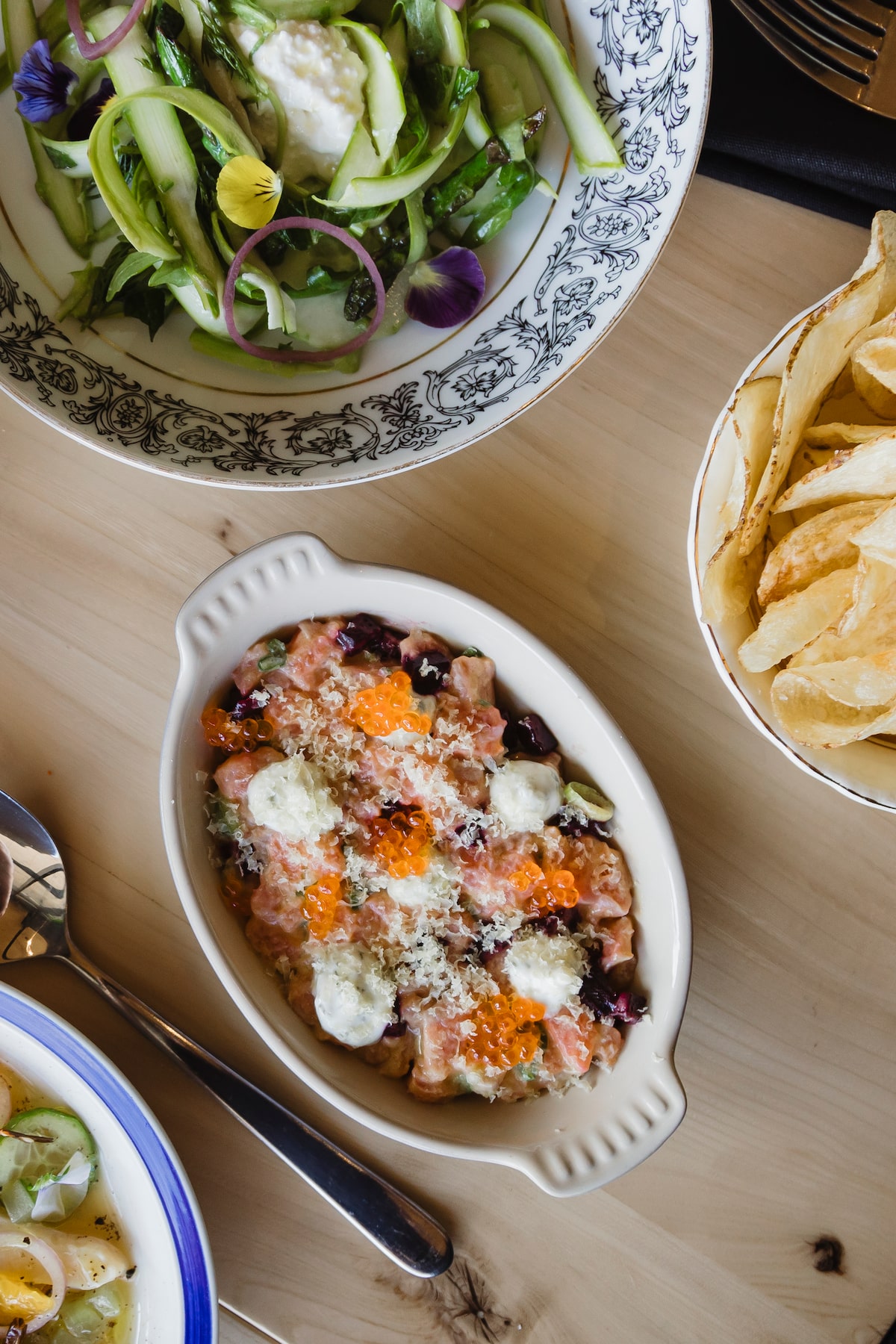
Their dishes feature Prairie-grown favourites alongside surprising ingredients, elevating the dishes.
SUPPLIED
Take Hearth’s decadent mushroom plate: Featuring wild and cultivated mushrooms from the region sautéed with garlic butter and white wine, the dish is served over sharp cheddar mornay sauce, creating a unique flavour profile for your tastebuds and exemplifying the chefs’ commitment to elevating traditional flavours. Complemented by homemade sourdough ciabatta, it’s a must-try for diners.
With its commitment to local and foraged ingredients, Hearth relies on a deep connection to its surroundings. The couple forages for mushrooms and incorporates wild berries into their dishes. They currently only use local meats, supporting dozens of local farmers, fishers and producers. “All of our meat right now is local. It’s kind of what we do,” Robstad says.
Looking toward the future, Robstad and Rogers aim to create a legacy with Hearth — not just as a restaurant, but as a positive force in the industry. They are dedicated to consistently enhancing their food and hospitality, ensuring a supportive work environment and promoting work-life balance for their employees.
Jenni Lessard is finding increasingly unique ways to serve local ingredients
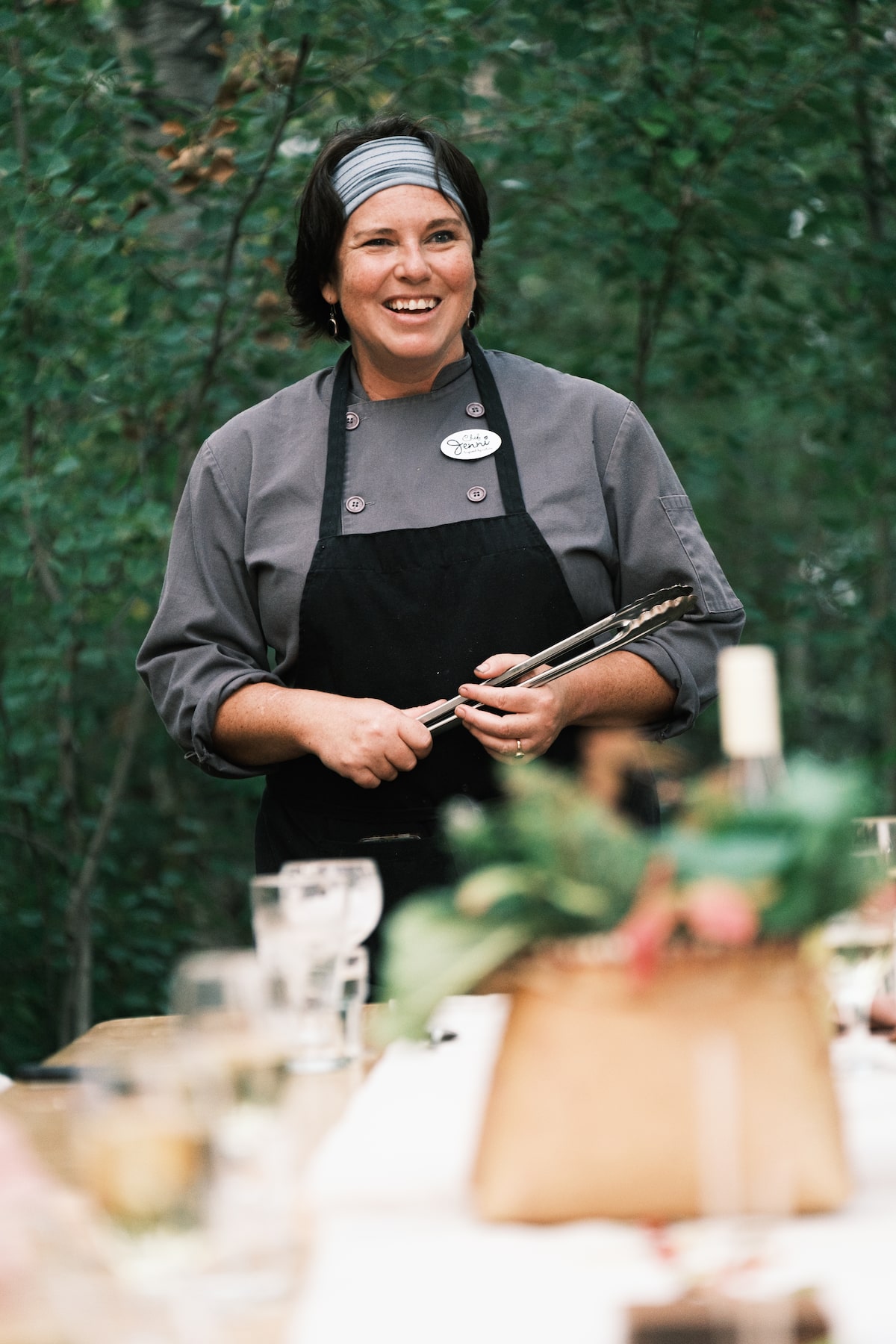
Nestled in Qu’Appelle Valley, Sask., Jenni Lessard, the founder of Inspired by Nature Culinary Consulting, crafts culinary experiences rooted in her Métis heritage. Raised in northern Saskatchewan, Lessard developed an early appreciation for the land and its offerings, learning from those around her about traditional foods and practices. This includes an emphasis on seasonal, local ingredients. “Ingredients are very important to me,” she says.
When Lessard moved from north to central Saskatchewan, she had even more ingredients to work with, leading to delicious and completely unique pairings not found anywhere else. These days, her dishes — like locally-sourced bison ragu slow-cooked in tomato rhubarb sauce with nettle noodles — reflect Lessard’s deep connection to and reliance on the land.
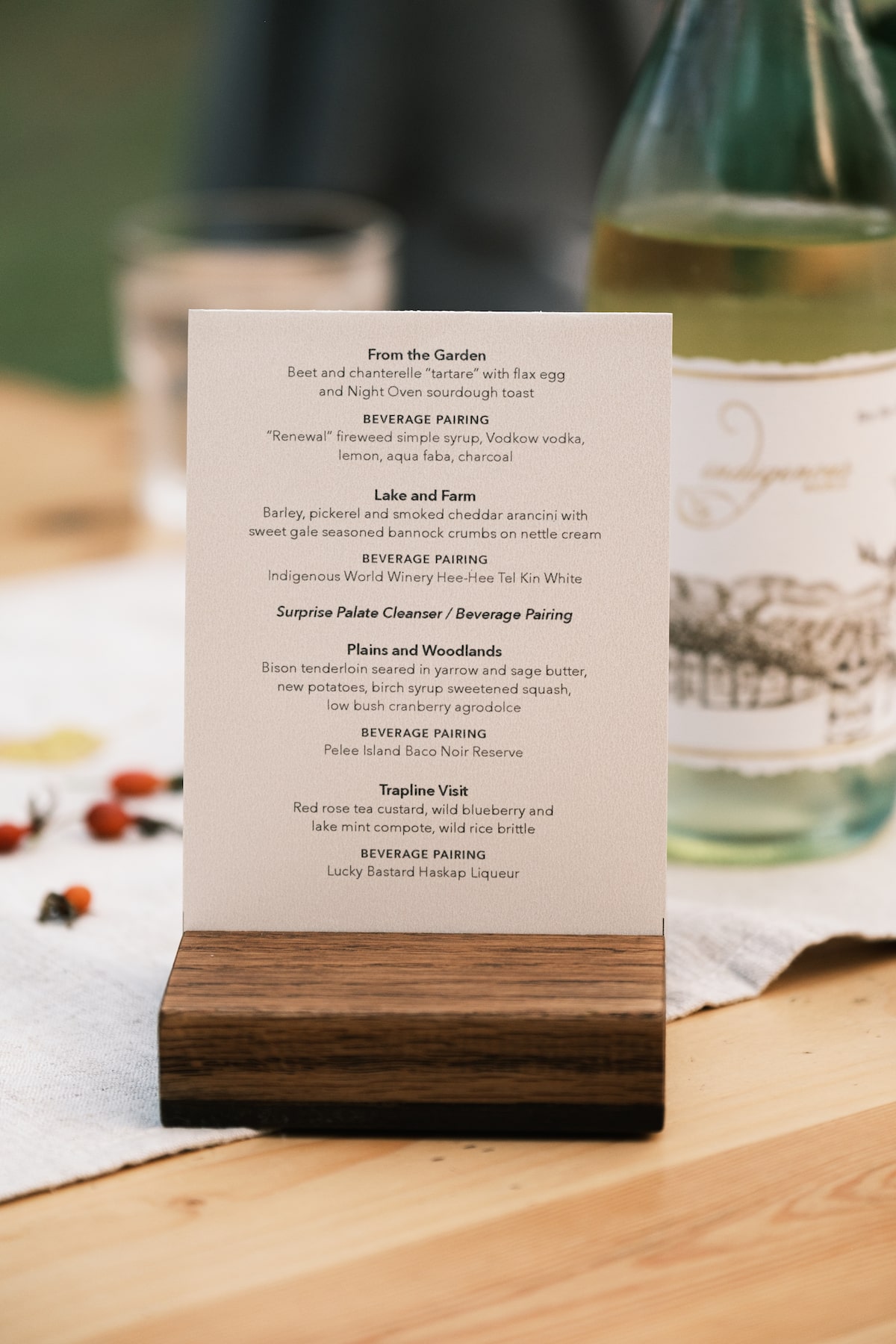
As part of her Field to Shield culinary tour, Lessard shares the heritage and traditions of the local Cree community.
SUPPLIED

Dishes include fish filet demos and shore lunches, always served with a twist.
SUPPLIED
Her approach to cooking is as much about feeding the soul as it is the body. “There’s a word my grandma and my mum always used, and it’s nourishing,” she says. “Whether it’s how you welcome people into your space or your culinary event, I think that’s the most important traditional value that was passed on to me around cooking.”
Lessard’s vision for the future is to continue lifting others in the culinary community and mentoring young chefs. Through her work, she hopes to create a lasting impact, ensuring that the unique flavours of Saskatchewan and her Métis heritage continue to thrive.
For an intimate, multi-day food experience, Lessard’s Field to Shield culinary tour is a must. This hands-on experience in Northern Saskatchewan intertwines Lessard’s inventive cooking with the heritage-rooted traditions of the local Cree community, served up at long table dinners, fish filet demos, shore lunches and more.
Christie Peters and Kyle Michael are bringing natural wine culture to Saskatchewan
For Christie Peters, a trip abroad to Copengahen opened her eyes to something she was missing at home: Good, natural wine. Inspired by the unique wine bars, as well as their natural, low-intervention wines in the Danish country, “I realized we don’t have anything like that in Saskatoon,” Peters recalls. “It’s the same as farm-to-table food — it’s just farm-to-table wine.” Now Peters and co-owner Kyle Michael are providing the Prairies a premier destination for natural wines and high-quality, seasonal food with POP Wine Bar (where POP stands for Paris of the Prairies).
POP, opened in 2022, offers a diverse selection of wines sourced from around the world, including Europe, the U.S. and Canada. “We have a huge selection of orange skin contact wines that vary so much,” Peters says, adding there’s also a large selection of reds, whites, rosés and bubblies. The wine list is curated to be both approachable and educational, aiming to introduce Saskatoon to the nuances of natural wines.
The food menu at POP is equally impressive, emphasizing high-quality, seasonal and sustainable ingredients. POP grows many of the ingredients in the wine bar’s own garden, collaborates with local farmers and occasionally imports high-quality ingredients that you can’t typically get in Saskatoon. POP’s innovative approach continues to elevate Saskatoon’s culinary landscape, offering a taste of Paris in the heart of the Prairies.
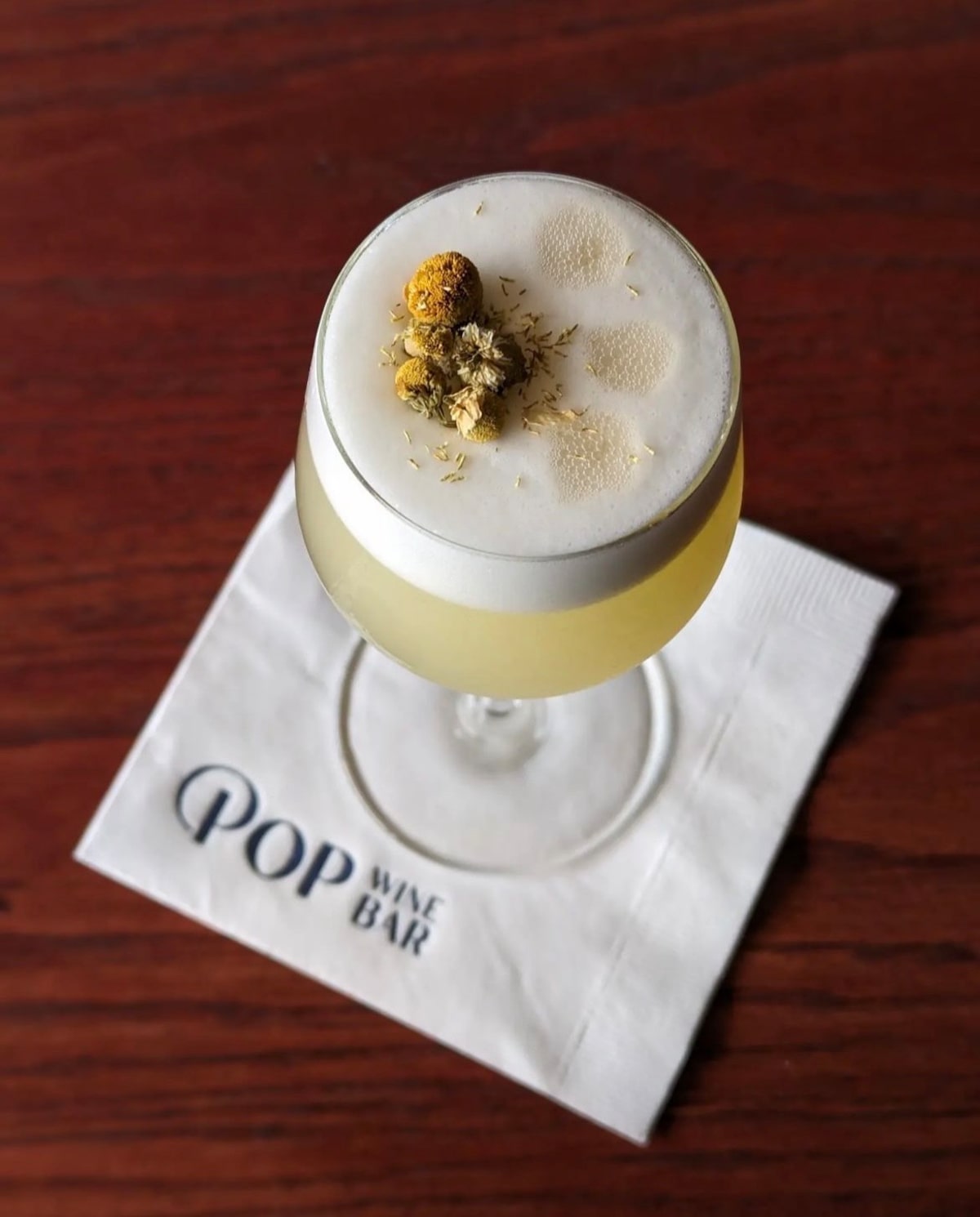
Inspired by a trip abroad, POP Wine Bar brings natural wine to the Prairies.
SUPPLIED
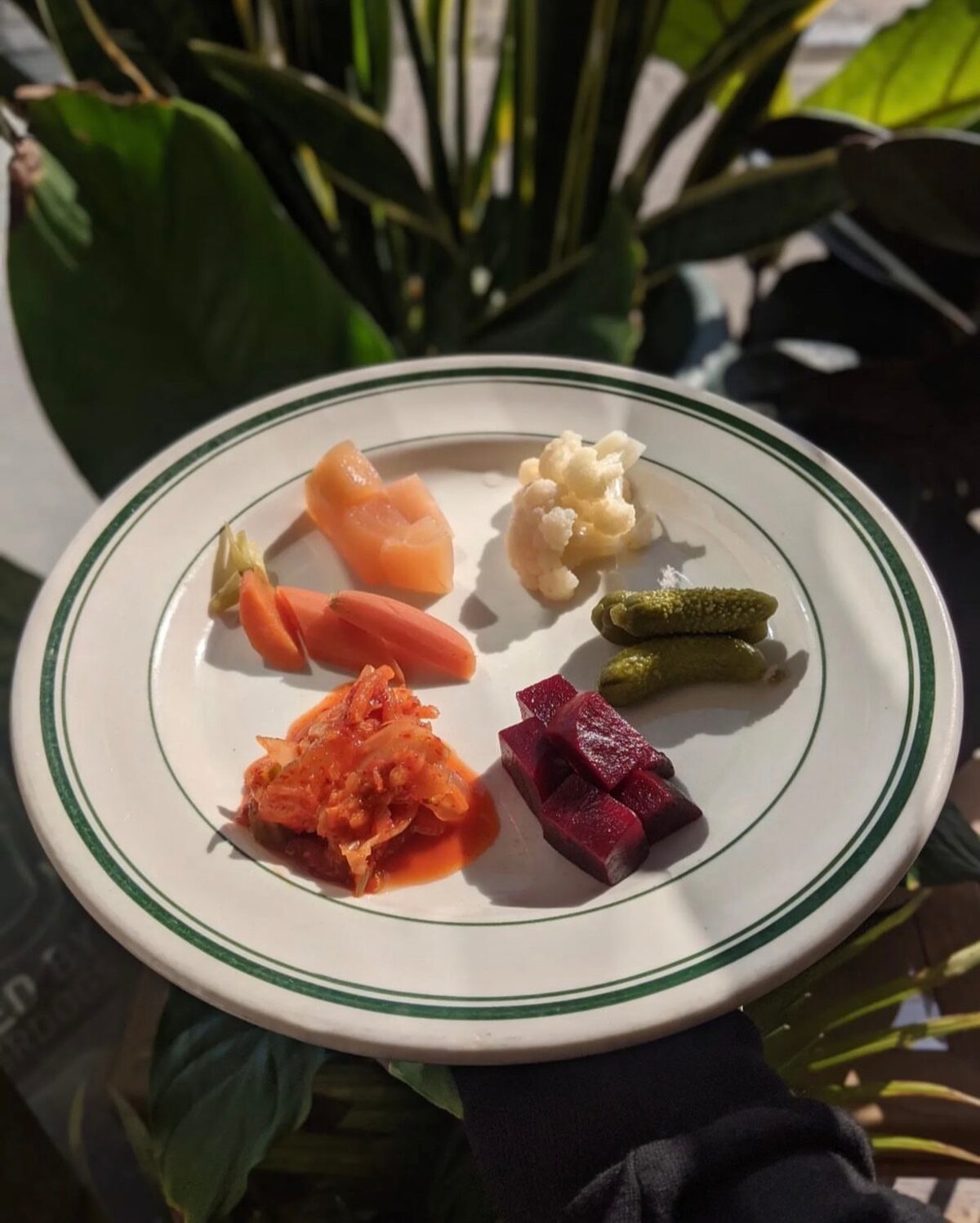
Alongside some imported delicacies, the wine bar offers bites sourced from their own garden.
SUPPLIED
Derek Sandercock, Shaun Hanna and Chriel Pangilinan provide “new Prairie cuisine”
Looking for something out of the ordinary when it comes to culinary excursions? Swift Current, SK.,’s Nightjar Diner Co., might be just what you ordered. The self-proclaimed, “black sheep of small town prairie diners,” the diner — which originally opened in 2016 as pop up restaurant Farm + Table — isn’t really a diner per se, at least in the traditional sense of the word. And that’s just what co-owners Derek Sandercock, Shaun Hanna and Chriel Pangilinan wanted. Opening later than your traditional diner (at 11:30 am on weekdays and 10 am on weekends), and serving fantastic cocktails and craft beer, the space is meant to appeal and feel welcoming to everyone, from a farmer to a banker, or a student to a retiree — because this variety of people and experiences converging together are part of makes the prairies so special.
Similarly, it’s this variety in clientele that impacts the food Sandercock, Hanna and Pangilinan serve, too. “We’ll often take ‘high end’ culinary techniques and apply them to familiar food to create moments of conversation and deliciousness that people can connect with,” Hanna says. “A kind of ‘New Prairie Cuisine’ — food that isn’t limited by a single tradition, region, or style, but one that is in conversation with the people who make up the region.”
The menu, which is influenced by the trios’ varying travel experiences and culinary techniques, runs the gamut, with influences from places like Northern Europe, the Southern U.S., Korea, Japan, Italy and the Mediterranean. While Hanna says this lends to the menu being “chaotic at times,” it also speaks to the beauty of working as a three-part culinary team — room to play and bounce ideas off each other.
In a more practical sense, Hanna says their practice — and menu — is informed by fermentation. With Pangilinan hailing from the Phillipines and Hanna from Canada, “pickling was something that Chriel and I both identified early on as having food memories from our grandparents,” Hanna says. The diner’s menu is rife with homemade pickles, fermented potatoes and pickled shallots. They’ve also leaned into the fermentation process via their bread program, as well as through filamentous fungus fermentation — think growing koji to make misos, amino sauces, and marinades in house, all of which Hanna says drives them to make things delicious while cutting down on waste.
For the trio, who just opened their second restaurant, the Oxpecker at Pile O’Bones in Regina, the goal is simple: “At the end of the day, we just want to create delicious things that people enjoy,” Hanna says. “And there are so many pathways to get there.”
Start planning your gourmet getaway to Saskatchewan at canadaculinary.com.
The most unique farm to table experiences across Ontario
It’s no secret that modern society has become disconnected from what it takes for a tomato to make it to the dinner table.
Read More
The best way to experience the Northwest Territories is with your taste buds
In the Northwest Territories, summertime is especially sweet, with long, hot days that roll into a twilight that never truly fades.
Read More
These chefs are changing Québec’s unique foodscape
Travellers often visit Québec for the thrum of its largest city.
Read More
Advertising feature produced by Globe Content Studio with Great Taste of Canada. The Globe’s editorial department was not involved.