These chefs are changing Québec’s unique foodscape
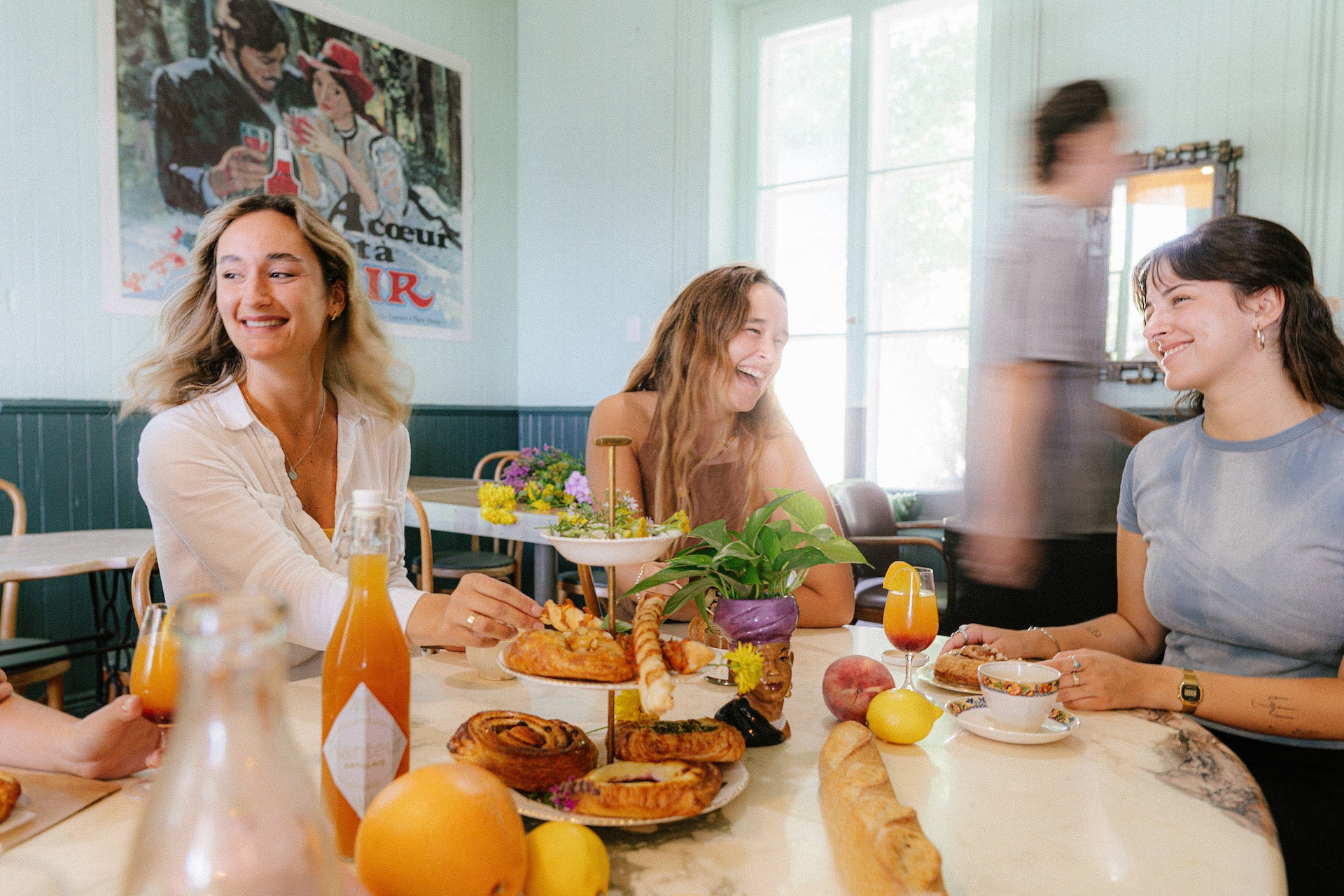
Noémie Cadieux
Travellers often visit Québec for the thrum of its largest city. Montréal, with its ample nightlife, shopping and delicious eats is certainly a draw — but only exploring the city would have you missing out on some of the best food experiences in the country, many of which make the most of Québec’s bountiful fields, farms, forests and artisan producers.
From chefs sourcing ingredients directly from Québec’s land and water to food producers taking innovative plunges into the restaurant space, the province’s culinary scene is not to be missed in the warmer months. The summer bounty and fresh fare inspire cooks to whip up flavourful dishes, adding their own unique spin to tantalize visitors’ palates.
Meet some of the culinary connoisseurs making waves in Québec’s food space.
The top chef who celebrates the land as it is today
A proud member of Wolastoqiyik Wahsipekuk First Nation, chef Maxime Lizotte draws inspiration from his Indigenous culture and the land around him in his cooking, particularly by embracing seasonality and foraging for wild plants.
“I’m all about working with ancestral ingredients and applying modern techniques, but I also find it important to celebrate the land as it is today,” Lizotte says. Fresh, local ingredients drive his creativity; imagine diving into a balsam fir tartlet with spruce tips and rhubarb poached in honey. “So many wild flavours are amazing in sweets and pastries — it’s the easiest way for me to discover their true taste,” he says.
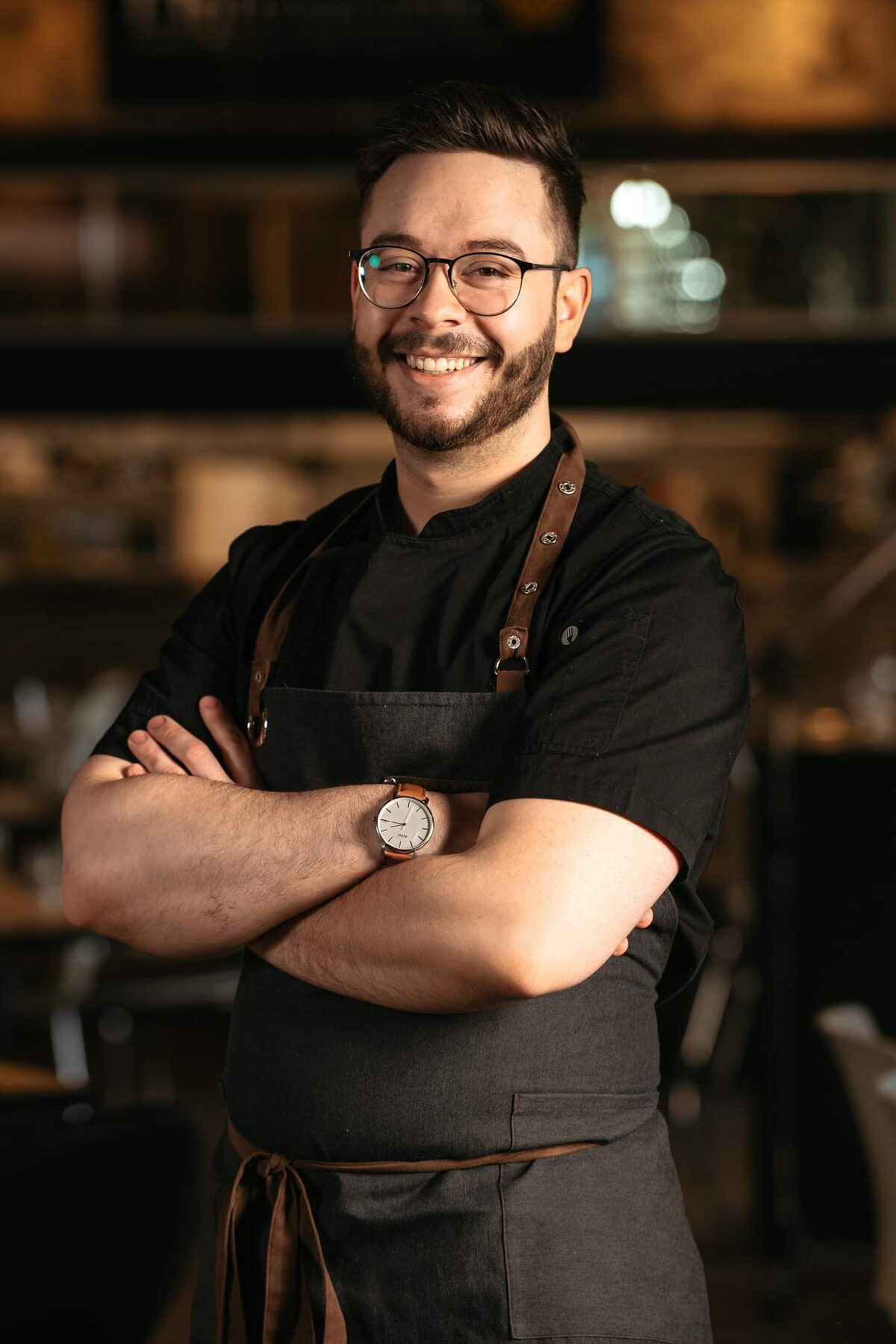
Award-winning chef Maxime Lizotte is currently developing a food truck, pub, and fine dining restaurant to share his cuisine with visitors.
Maxime Lizotte

The Indigenous chef mixes old and new, combining ancestral ingredients and modern techniques into his cooking.
Maxime Lizotte
Lizotte, who’s worked in some of Québec City’s top kitchens like Légende and now lives in Cacouna (a municipality 220km — a little more than two hours drive — east of Québec City), also puts his own spin on cooking techniques he’s picked up from other cultures.
Currently developing a food truck, a pub and a fine-dining restaurant set to all open in the next few years, he appreciates the range of possibilities when it comes to offering gastronomic experiences for all budgets. That approach ties nicely into his personal philosophy: “I try to apply a huge level of respect in what I do — a universal respect for the produce, animals, land, customers and people around you,” Lizotte says. Until he launches his next ventures, foodies can find Lizotte’s creations at restaurants across the province, like Club Med Charlevoix, where Lizotte served as a guest chef, designing dishes influenced by his culture that will be served once a week until the end of August.
The sisters who capture Québec’s coastal culture
La Midinette is a charming spot to savour a scone and cup of coffee — or a focaccia sandwich and glass of wine, depending on what time of day you visit.
Sisters and co-owners Anne and Catherine Monna were no strangers to the culinary industry when they decided to open their artisanal bakery and restaurant in Saint-Jean-de-l’Île-d’Orléans (an island across from Québec City) back in 2022. The duo had already helmed their family business, Cassis Monna & Filles, a black currant liquor and food producer on the other side of the island, since 2005. (Cassis Monna & Filles is a member of Artisans at Work, which works to preserve and promote traditional cultural practices.)
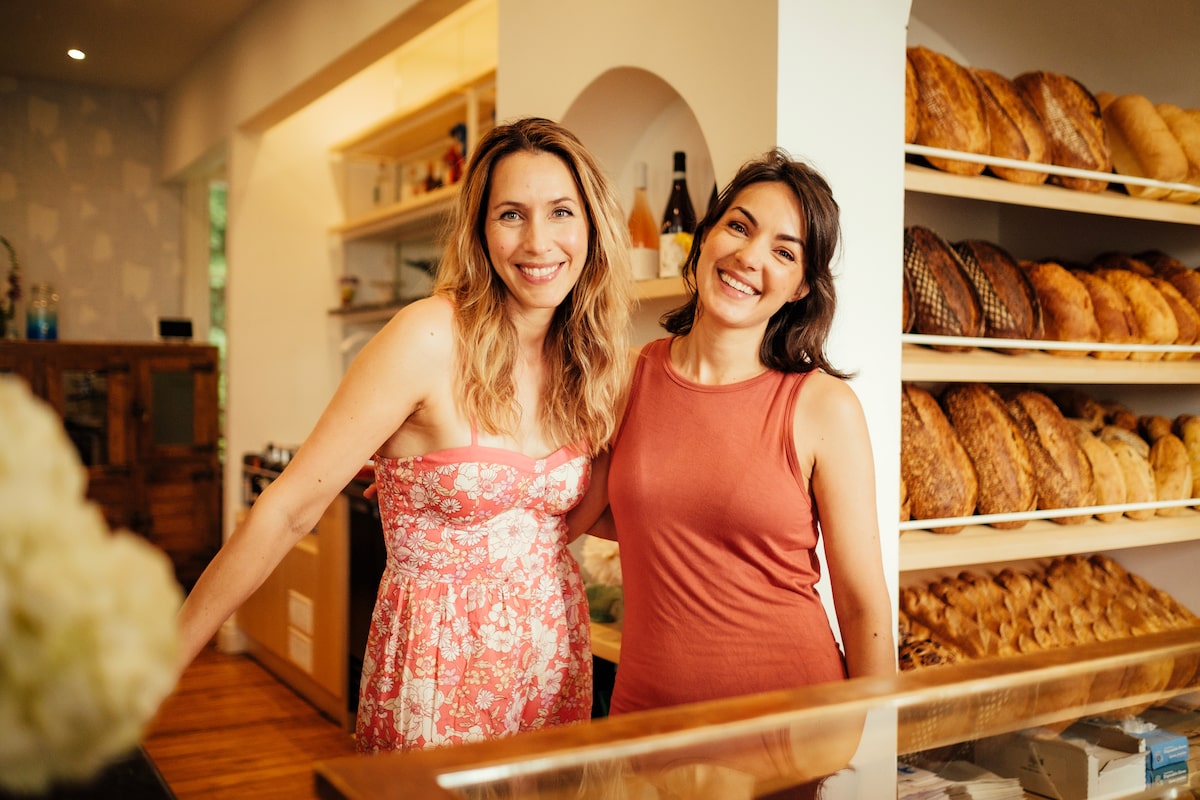
Sisters Anne and Catherine Monna have brought Québec’s underrated coastal influence to their restaurant.
Paul Dussault
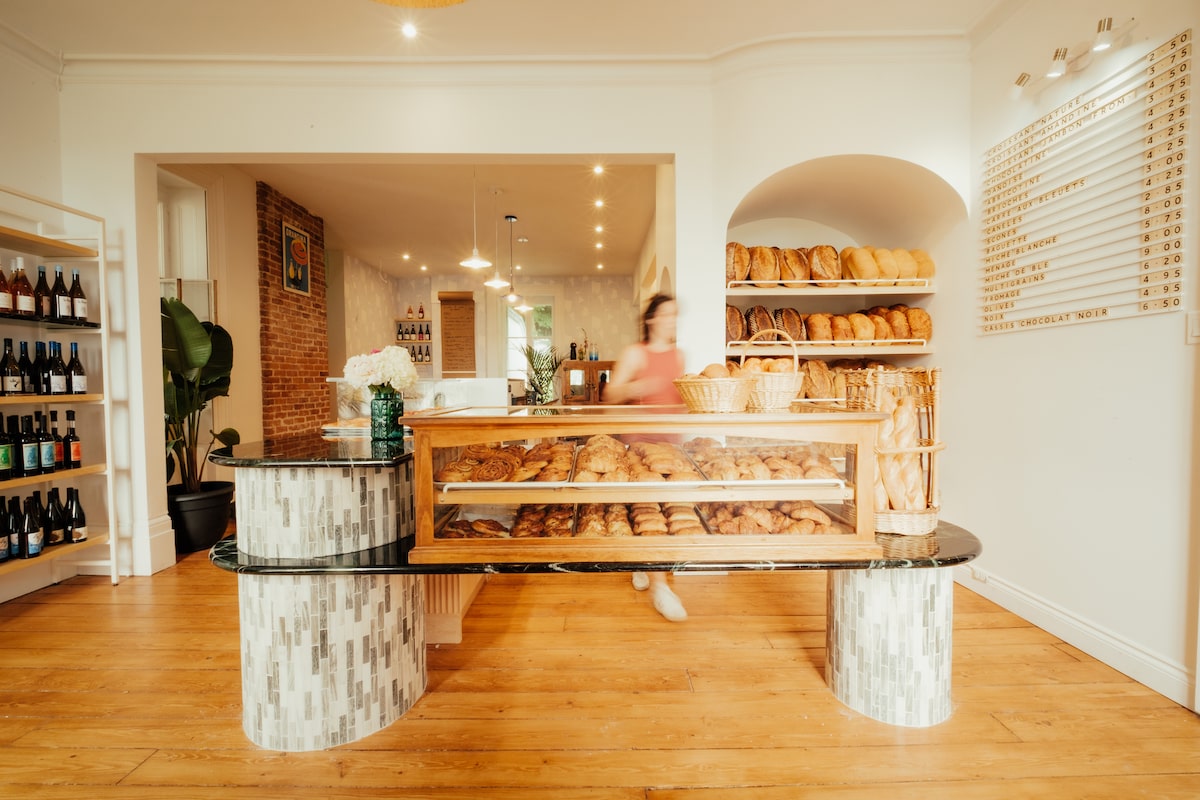
Under Chef Steve McCandless, La Midinette offers a seasonal menu.
Paul Dussault
When visiting the waterfront spot that’s now La Midinette, they were captivated by the distinct coastal resort town atmosphere that offered a completely different ambience — and a new source of inspiration. “We gave ourselves the liberty to create something new, inspired by the beach,” Anne Monna-Lamarre says.
Well-known in the Québec culinary scene, chef Steve McCandless adds his signature flair to La Midinette. Simple, vibrant fare and local ingredients remain at the heart of the new seasonal menu, featuring everything from homemade faisselle to grilled squash hummus. It’s hard not to fall in love with the food, Monna-Lamarre says, also praising the person behind the pastries, head baker Marie-Josée Labranche.
La Midinette means a young girl who is “a little bit naïve and romantic” — a fitting description for these sisters and their venture. “I love the name because it was kind of naïve to start something new. But after 20 years, Catherine and I [felt] like an old couple who needed to renew our vows,” Monna-Lamarre says. “For us, La Midinette was it.”
The family business that makes maple syrup a year-round ingredient
A glimpse into the production of maple syrup — complete with a tasting of maple taffy on snow, available even in the summer by appointment — is an experience you will not soon forget. Visits to Sainte-Lucie-de-Beauregard maple grove are made even sweeter with a stop at Le Bistreau d’érable.
Noémie Gautreau-Régnier and her partner originally opened the restaurant, now a member of Terroir et Saveurs du Québec, to help more people discover the organic maple syrup (and maple products) harvested from their 25,000 taps. They have since created a welcoming space that is equal parts rustic and modern, with guests sharing traditional sugar shack meals like pea soup and meat pies at family-sized tables.

Visitors to Sainte-Lucie-de-Beauregard maple grove can enjoy the sweetness – and novelty — of maple syrup on snow year-round.
Le Bistreau d’érable
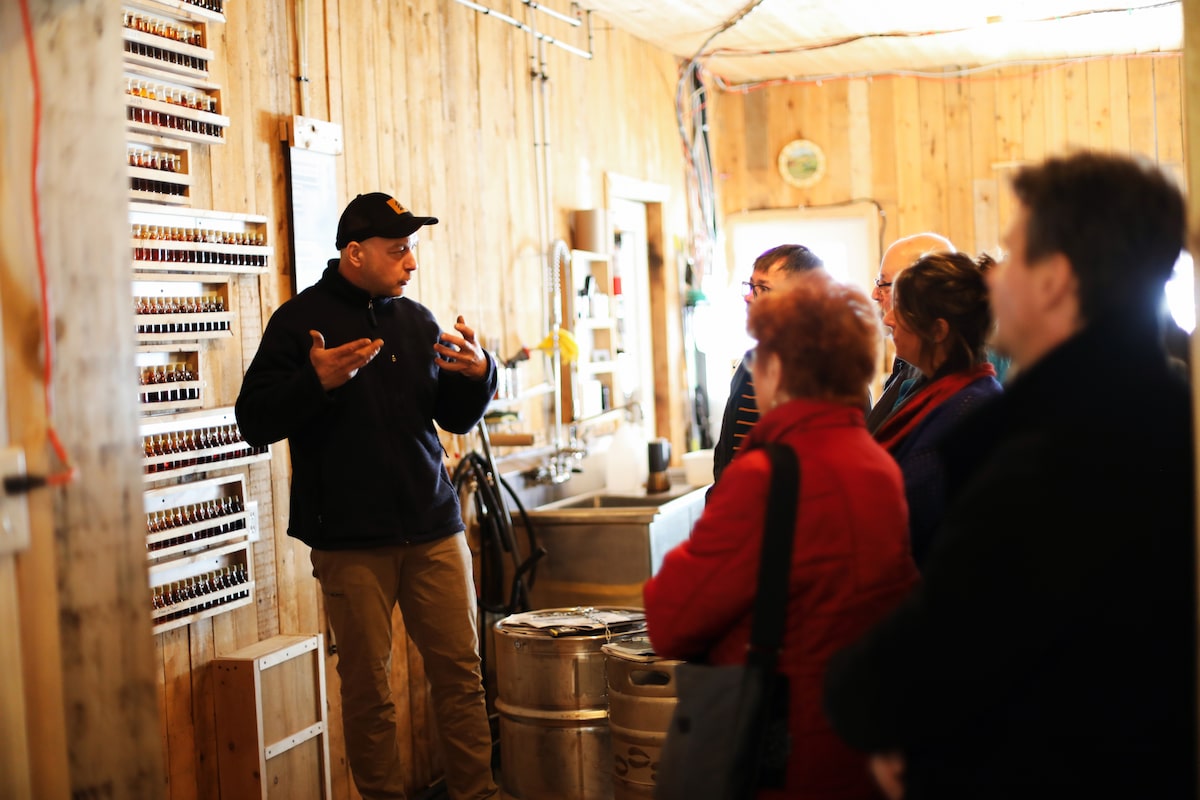
In addition to satisfying taste buds, Le Bistreau d’érable helps educate visitors on maple syrup production.
Le Bistreau d’érable
Developed in collaboration with chef Sébastien Royer, Le Bistreau d’érable’s recipes showcase the versatility of maple syrup and a bevy of local ingredients, a focus that remains today with the now-rotating culinary team.
“In my village of 300 people, some have planted sea buckthorn,” Gautreau-Régnier offers as an example of the unique local flavours that appear on diners’ plates. “My grandma used to make ham with orange, so the sea buckthorn is a nice local switch for the recipe. We also make sea buckthorn juice with maple syrup, which is so tasty and a bit different because of the maple twist.”
The chef who cooks using foraged ingredients — with a twist
Marie-Cecile Kakgoosh Nottaway-Wawatie, who goes by Cezin Nottaway, recalls an early childhood memory: packing her knapsack and snares and heading out into the bush in hopes of catching a meal.
Growing up hunting, fishing and foraging off the land, Nottaway learned to cook in the bush long before enrolling in culinary school. Now, she helps keep her ancestors’ traditions alive through food, which has evolved into a culinary style she describes as “old-school, grandmother-like — with a modern twist.”
Her cuisine has garnered attention far beyond Québec’s borders. The Algonquin Anishinaabe chef, who resides in the First Nations community of Kitigan Zibi in the Outaouais region, has been featured in The New York Times, The Globe and Mail and in the docu-series Red Chef Revival. She is also a director with Indigenous Culinary of Associated Nations (ICAN), which brings awareness to Indigenous food and culinary experiences across the country.
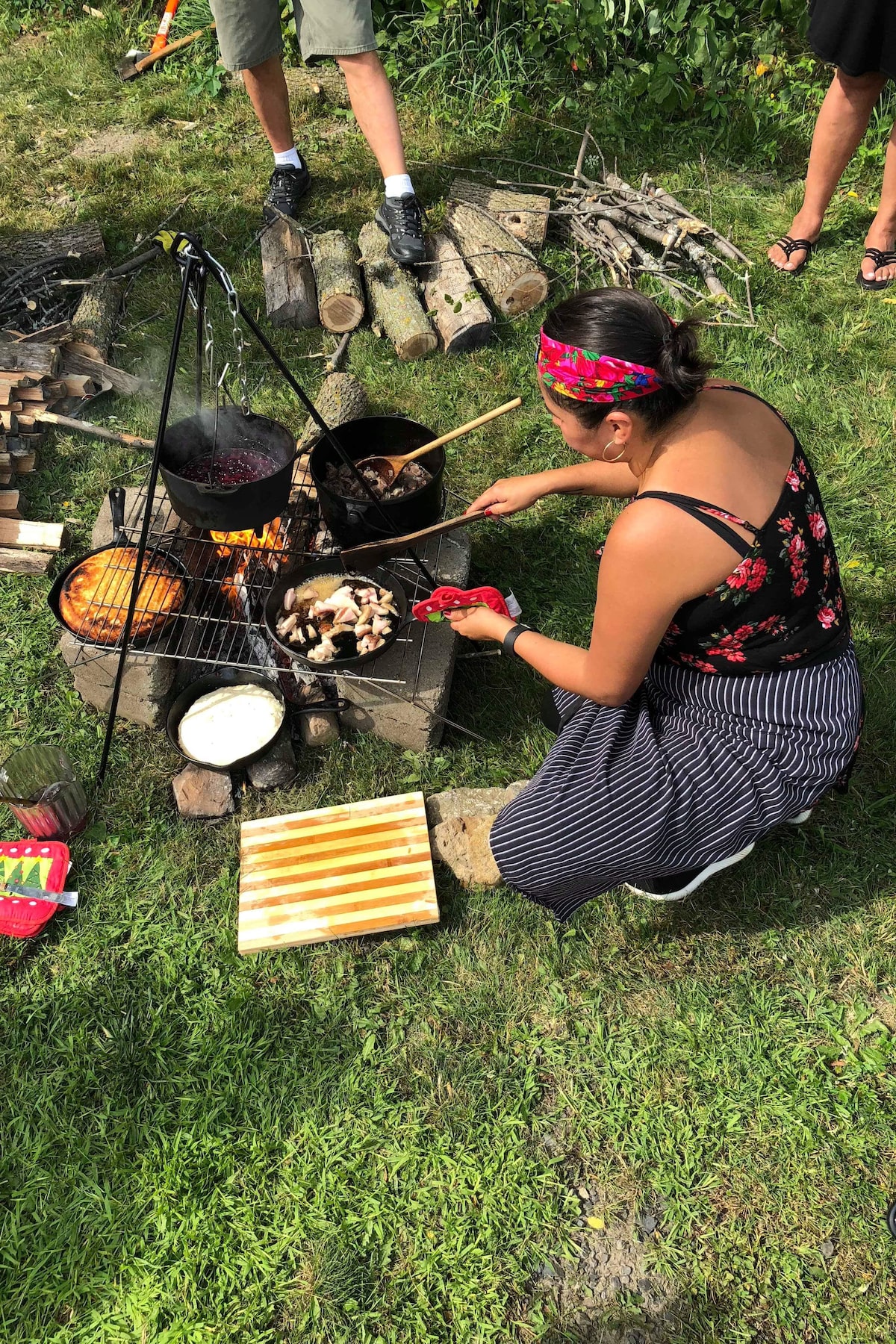
Growing up in Québec, Cezin Nottaway learned to hunt, fish, and forage from the land around her.
Cezin Nottaway.
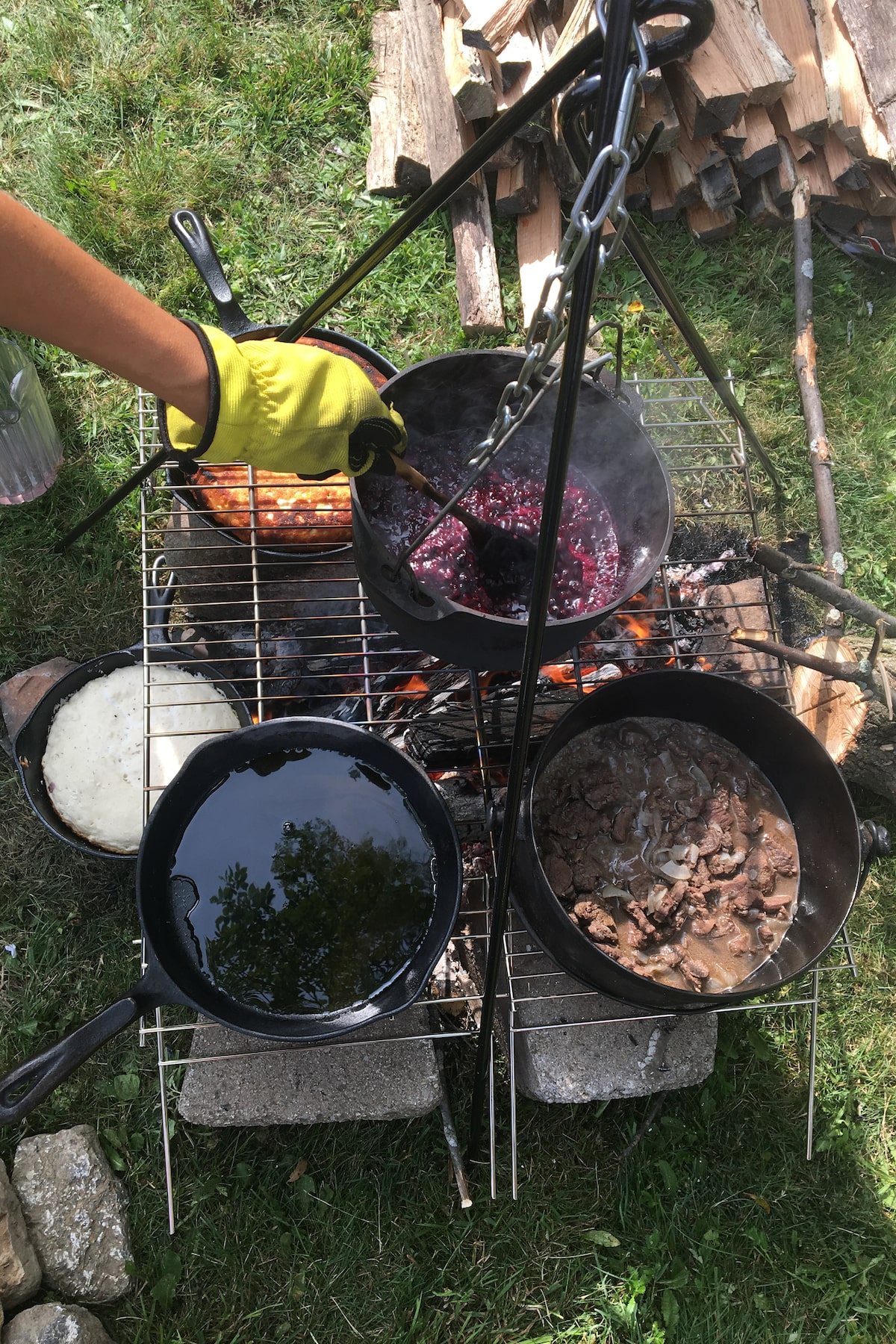
Now, Nottaway shares her culture with others, introducing traditional cuisine and cooking techniques to her dishes.
Cezin Nottaway
Since retiring her award-winning company Wawatay Catering during the pandemic, Nottaway now keeps busy with projects that fulfill her entrepreneurial and creative spirit, like constructing a building with her husband where she will hold cooking and cultural workshops in the future (follow Nottaway on Instagram for updates). She also assisted an archaeological team working nearby, cooking wild meats in clay pottery to replicate recipes from thousands of years ago.
Her favourite meal to share with others? Moose meat with tea and onions, cooked over an open fire to elevate the flavours. “It’s the simplest dish but so delicious,” she says.
For more ideas on what to do when you plan your next trip, visit Bonjour Québec, Terroir et Saveurs du Québec and Artisans at Work for information. To keep exploring more of what Québec has to offer for your tastebuds, head to canadaculinary.com.
The most unique farm to table experiences across Ontario
It’s no secret that modern society has become disconnected from what it takes for a tomato to make it to the dinner table.
Read More
Meet the surprising culinary leaders coming out of the Prairies
Typically known for its endless fields and rich farming traditions, Saskatchewan is quickly emerging as a Canadian culinary hotspot.
Read More
The best way to experience the Northwest Territories is with your taste buds
In the Northwest Territories, summertime is especially sweet, with long, hot days that roll into a twilight that never truly fades.
Read More
Advertising feature produced by Globe Content Studio with Great Taste of Canada. The Globe’s editorial department was not involved.