Jacqueline Newsome served four years as a Nova Scotia volunteer firefighter and is now a journalist in Toronto.
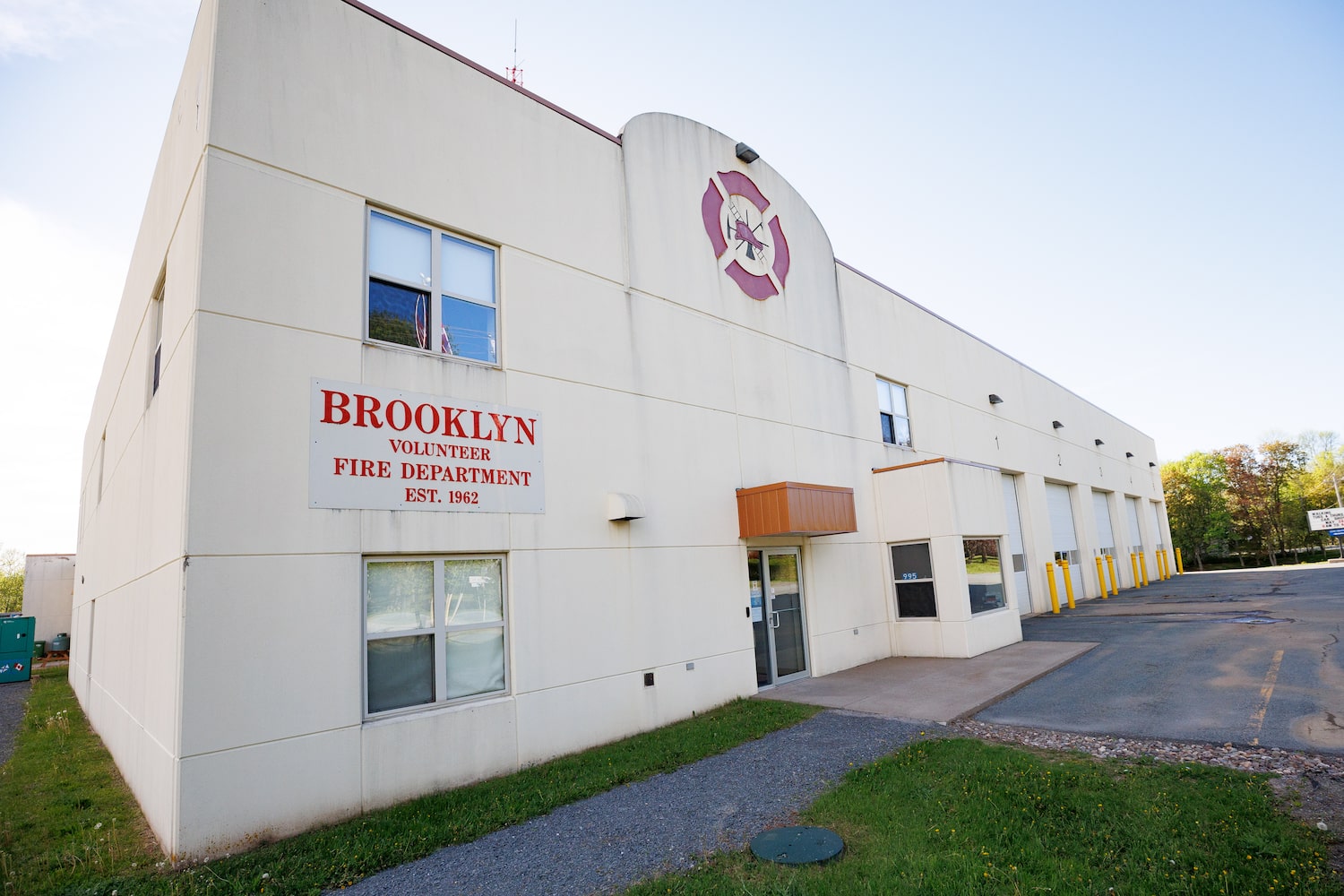
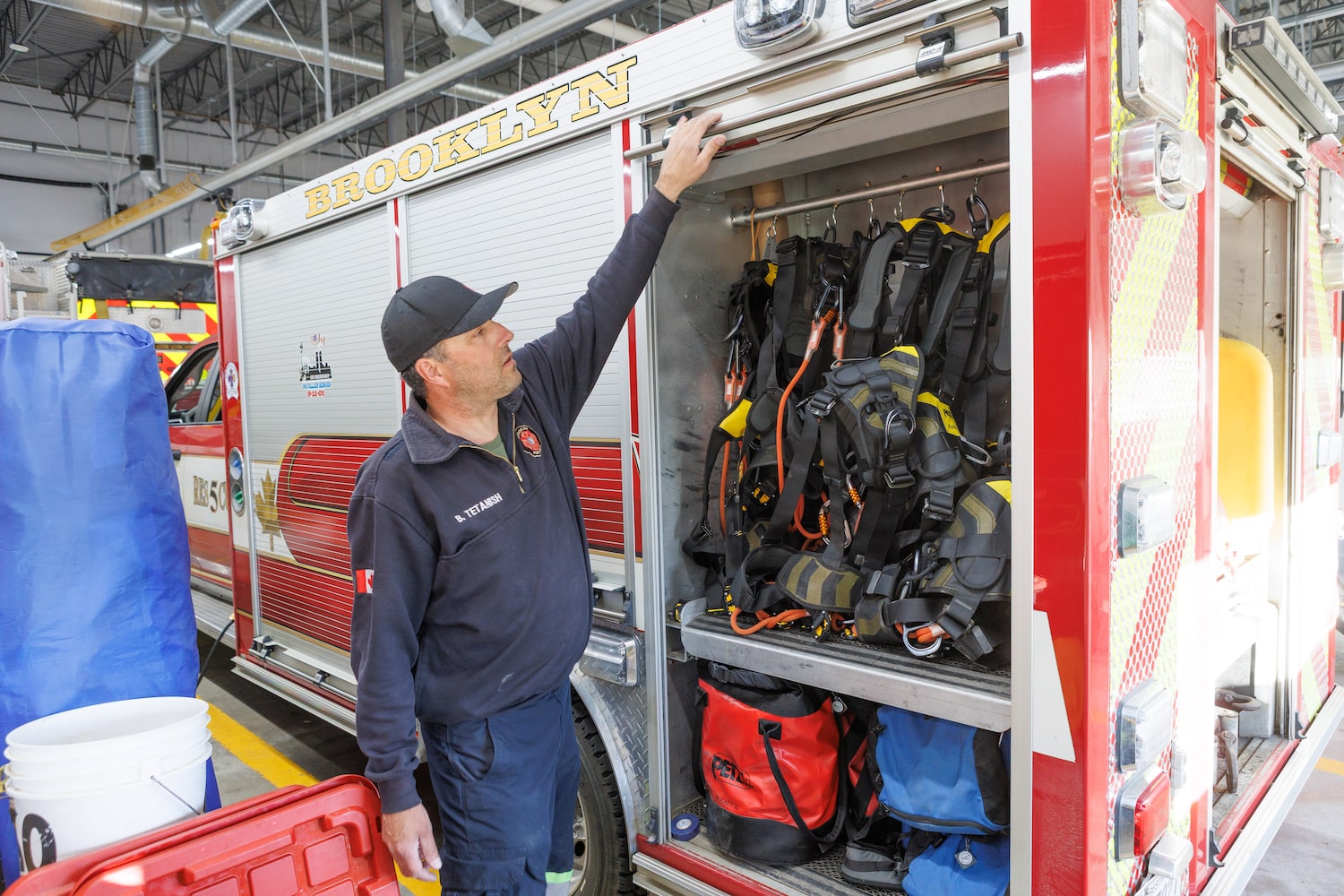
On a muggy summer night in July, 2023, Brett Tetanish, deputy fire chief with the Brooklyn Volunteer Fire Department, was pumping two feet of water out of his mother’s basement in West Hants, N.S. Heavy rain had been falling for five hours straight, showing no signs of reprieve.
As he worked, the radio attached to his belt began vibrating. The staticky voice of a dispatcher alerted him that residents nearby needed rescuing from homes that were rapidly filling with floodwater.
Mr. Tetanish was no stranger to crisis. Then 47, he began volunteering with the fire department at 14 years old, taking after his father – and over the next three decades, worked his way up the ranks of the rural station.

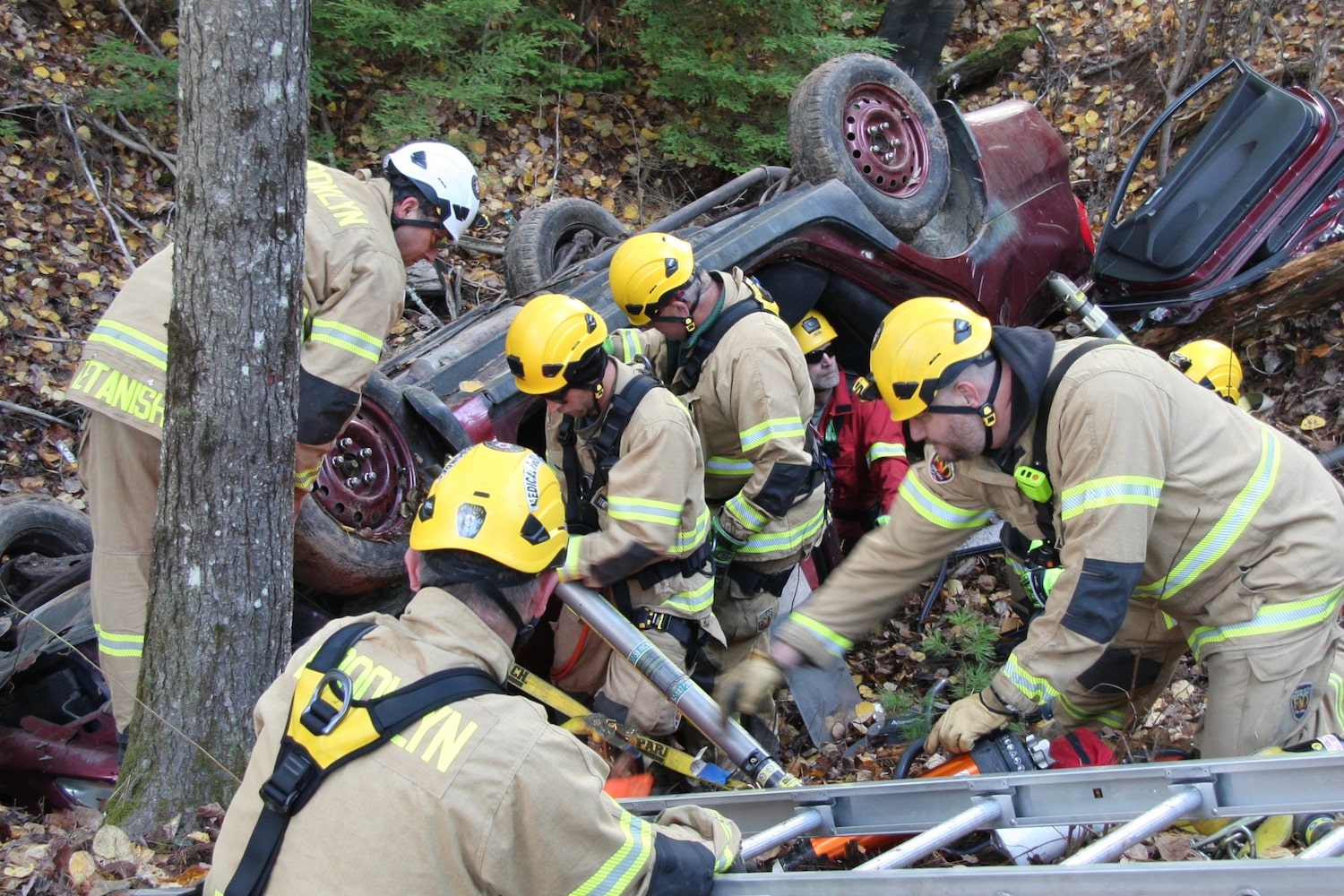
After wrangling two other volunteers into a fire truck, the small crew was navigating the flooded roads when they spotted a woman on the porch of her house, waving to get their attention. Her woodshed had been swept away, and the foundation of her house was quickly eroding. A gully of water, coursing downhill from an overflowing brook, separated her from the truck. To save her from the same fate as her shed, Mr. Tetanish and his crew would need to tie a rope around a firefighter and send them to wade across the rushing water.
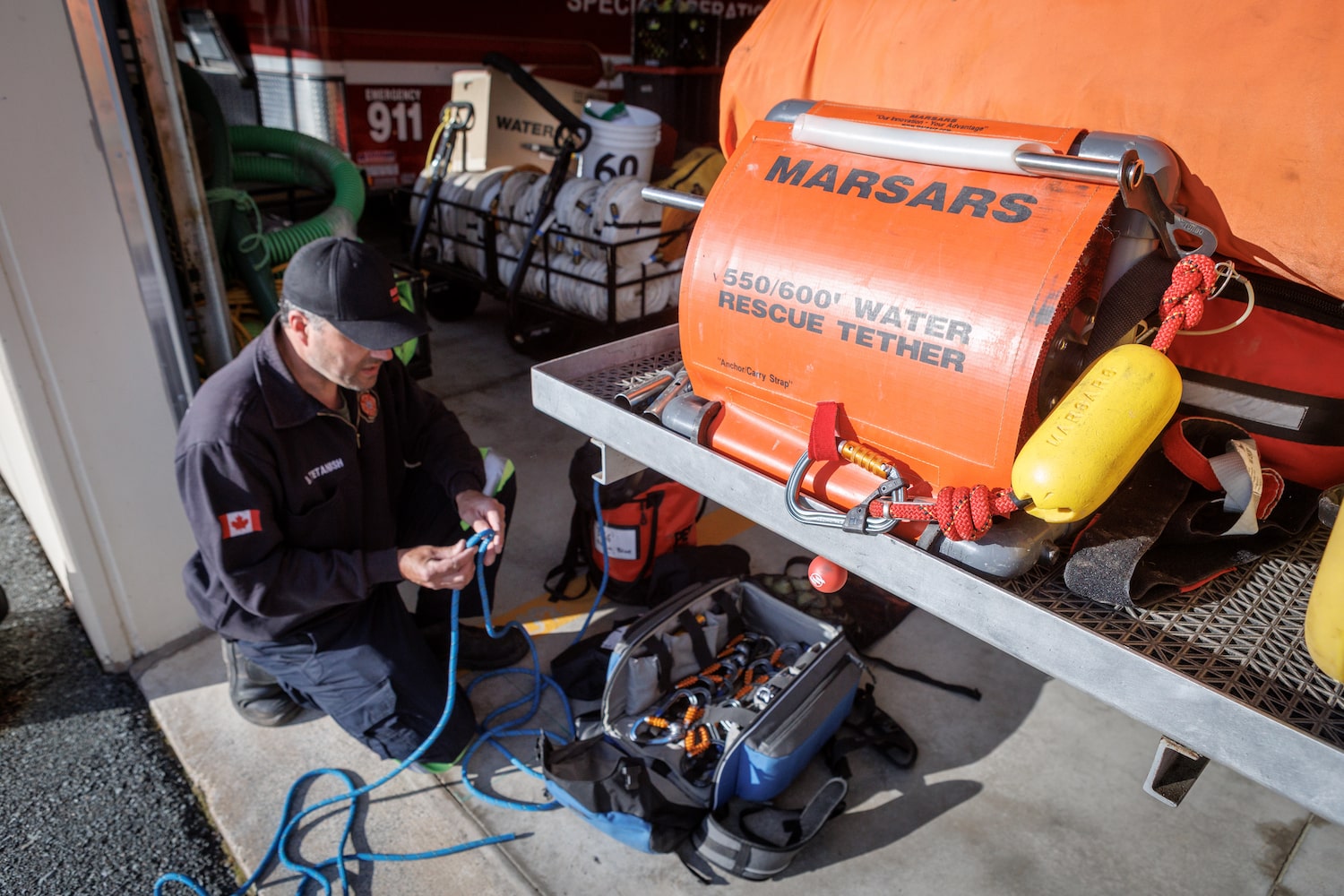
The volunteers had neither the equipment nor the training to perform the rescue. Their ropes were not made for turbulent water, and the flotation suits they had were lined with fleece, which in summertime put them at risk of passing out from heat exhaustion.
But they had no choice. They sent Logan Hope, a 23-year-old volunteer six years into his service, into the flood. After making it to the woman and wrapping her in his arms, he was on his way back through the stream with her when the rope snapped.
A second truck’s worth of volunteers had arrived and watched as the pair of them were swept 300 feet downstream, where they got lodged on an island of debris. Together, the firefighters formed a human chain and dragged the pair to shore. The woman had broken her leg and Mr. Hope had torn his knee, but they were safe.
The West Hants flooding is remembered as an event the likes of which volunteers had never seen before. More than 250 millimetres of rain, almost an entire summer’s worth, fell on the county in just a few hours.
Mr. Tetanish said that in his tenure, local emergency management officers, police and military had never trained on the ground with the region’s volunteer firefighters before that night. Figuring out processes in real time meant that two hours elapsed before a shelter-in-place alert that he requested reached residents’ phones.
Volunteers responded to more than 55 emergencies, many of which they did not have the training to attempt. At one point, six critical rescues took place simultaneously. Four people who went missing during the flood were later found dead.
“We were not prepared. It was one of those things we never thought would happen in our area,” Mr. Tetanish, who is now the department’s chief, told me as he recounted that day. “We don’t always have the tools and the knowledge, and especially in the last five years with climate change, with the flooding and the forest fires.”
The West Hants volunteers did the best they could with what they had. When I volunteered in a different municipality starting when I turned 18, my fire department did the same.
Across Canada, firefighters make valiant, consistent best efforts in a crumbling volunteer fire system that is often the country’s first line of defence against climate disasters.
‘It was like nothing we had ever seen before’

Ninety-six per cent of Canadian fire departments are run by volunteers, who make up 73 per cent of the country’s local firefighters. Unlike career firefighters – the Chicago Fire types who sleep at halls in 24-hour shifts – volunteers will interrupt their working days, time with family and vacations to respond to emergencies at a moment’s notice. For their service, fire departments like Brooklyn offer free licence plates, tax credits and sometimes a small honorarium.
Relying on this largely unpaid labour for first response has become a shakier prospect with each passing year. Between 2022 and 2025, Canada lost around 7,100 volunteer firefighters each year.
As of 2023, more than a third of volunteer firefighters were older than 50. Half of all fire departments can’t afford to buy equipment. Firefighters are the first call for help in instances of flooding, but 55 per cent of fire departments have no water rescue skills. Seasonal, provincially hired wildland firefighters are tasked with putting out fires in the woods, but volunteers and career firefighters fend off the fires that bleed into neighbourhoods – and just 20 per cent of departments have trained to take on that wildland-urban interface threat.
The emergencies they are called to respond to are growing in frequency and danger, striking parts of the country – like Nova Scotia – where residents are not historically accustomed to extreme fires and floods. The province’s climate risk – while not at the same magnitude as British Columbia or Alberta – is unexpectedly potent. Forty-five per cent of its land has forest that borders on structures, the most of any province, so every small fire that breaks out in summer demands urgent attention.
Surrounded by ocean, the province also has the third greatest number nationally of homes at risk of coastal flooding. In the past seven years, Nova Scotia has been rocked by no less than six climate disasters, costing more than $850-million in combined insured damages.
Nova Scotia is a stark example of Canada’s emergency-management blind spot. The province’s roughly 220 volunteer fire departments are the oldest firefighting outfits in the country, and the only departments nationally to still operate with no provincial standards for competency – placing an all-encompassing responsibility for safe conduct on the shoulders of each local fire chief.
Nova Scotia’s status quo is a centuries-long carry over from the beginnings of the service: no governing body asked the first fire brigades to serve, nor would anybody have a say over operations. Though provinces like British Columbia, Ontario, and Manitoba had standards enacted by the early 2000s, a 2025 national fire census showed that self-reported training gaps spanned volunteer departments across the country.
In Nova Scotia, the provincial legislature does not have a current list of departments it knows to be operational. Volunteer fire departments are not audited by the province. Firefighters have no standardized workers’ compensation or indemnity to protect them in case of accidents on the fireground. Volunteer hours are routinely spent fundraising for essential safety equipment, like breathing masks and turnout gear. Fire chiefs define their own training and fitness standards based on what time their volunteers can give outside of family and work commitments. And with no age restriction for service, there are front-line firefighters in some volunteer departments serving into their seventies because they see few young recruits coming up to take their place.
Still, these departments continue on, weathered and wholly dependent on loyal volunteers who will answer the call regardless of whether they have the appropriate equipment, training or capacity to do so – as is their 250-year-old tradition.
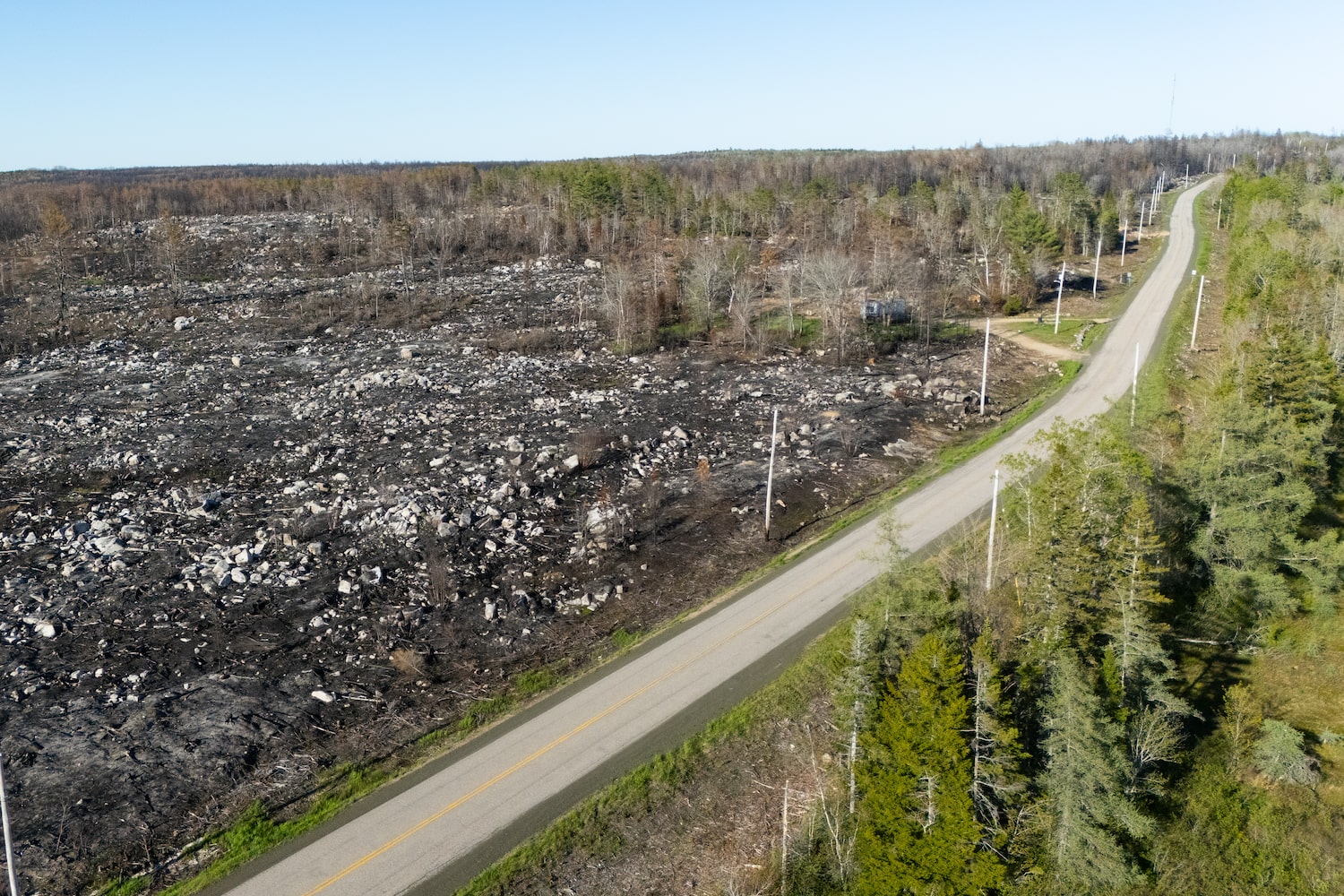
When Hurricane Dorian hit in 2019 and destroyed more of the province’s infrastructure than any storm before it, volunteers were the ones to venture out with chainsaws to keep the roads clear of debris, in case an ambulance needed to pass. In May, 2023, when the concurrent Barrington Lake, Shelburne and Tantallon wildfires displaced 20,000 people and destroyed 200 homes, volunteers worked three years’ worth of hours over two weeks to shield communities.
And in August, 2025, when extreme drought and hurricane-driven winds combined to feed the Long Lake wildfire, Justin Oliver, the deputy fire chief of the Bridgetown Volunteer Fire Department, stepped away from his job and his family for 27 days to personally co-ordinate all 77 volunteer departments that showed up to help. Without a pre-existing system to manage the response, Mr. Oliver made it up as he went along.
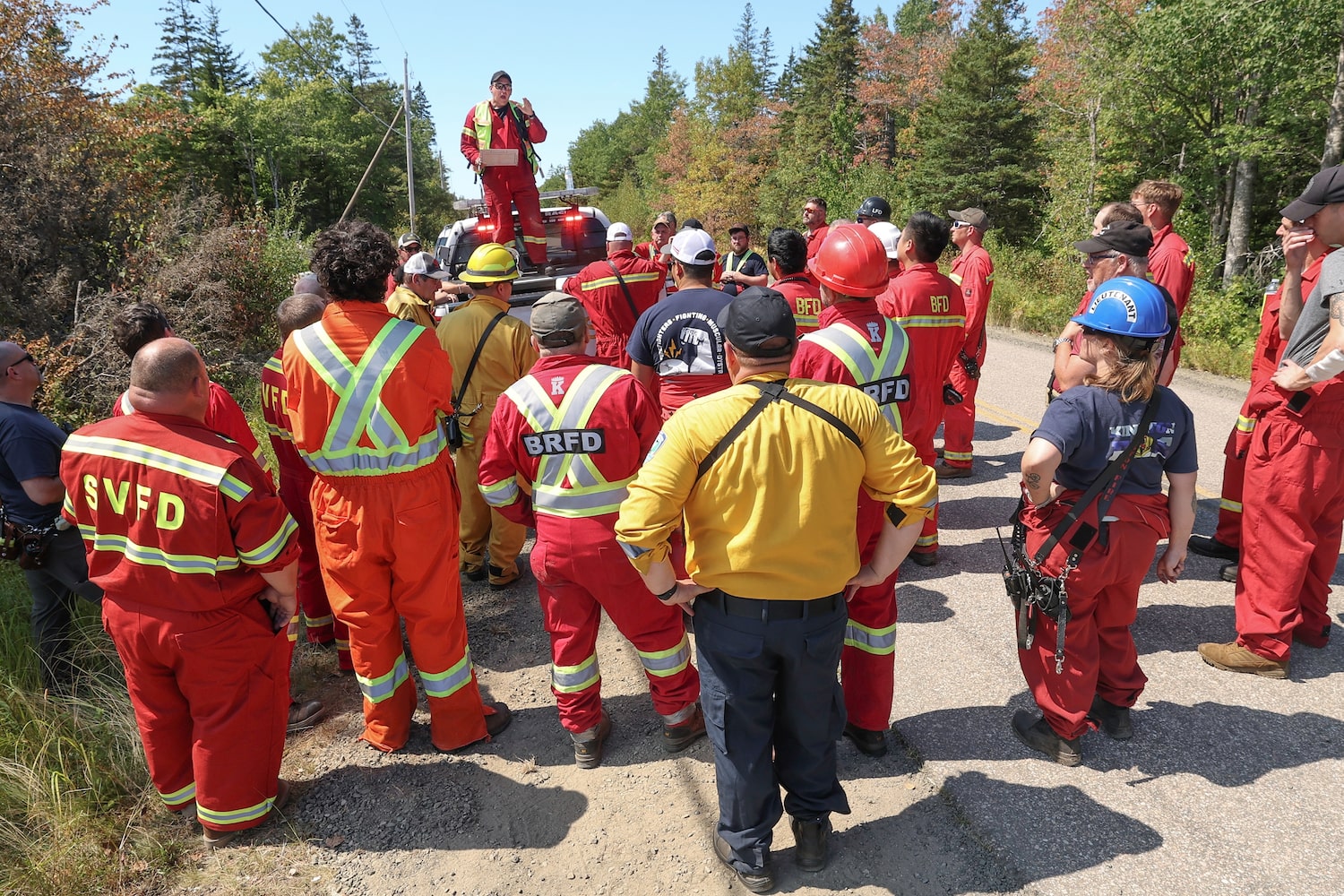
Mr. Oliver told me that, on some days, he got back to his station from a full day of firefighting, cleaned his equipment until 10:30 p.m. and then started sending messages to fire chiefs, asking for the dozens of crew members and trucks needed for the next day of work. Routinely, volunteers outnumbered the wildland firefighters during the response – on one day, by 16 to one.
“There were so many firsts on this fire, it was just unbelievable,” he said. “The amount of resources we had, the amount of fire for this area, the drought and lack of precipitation. It was like nothing we had ever seen before.”
As decades of projected climate damage loom, volunteer fire chiefs in Nova Scotia and across the country are calling for organizational overhaul, paired with an investment in the hundreds of millions that would fortify the service for future generations.
‘We might be little, we might be poor, but we’re proud’

My interest in becoming a firefighter began in my sophomore year of high school. Tired of hearing how my generation was doomed to suffer the worst of climate change, volunteering seemed like a useful action I could take in a burning world. In 2019, during my first week of university in Nova Scotia’s Annapolis Valley, I applied to the Wolfville Fire Department. Within two months, I was responding to car crashes, small fires and medical emergencies.
A typical week involved two hours of training on Monday nights, and responding to emergencies at any time. Every volunteer knows the sound of a new call deep in their nervous system. My department-issued pager would emit a blaring noise, start violently shaking, and a loud, distorted voice gave me the details. No matter whether I was in the middle of dinner or sound asleep, when the pager went off, the race was on.

Newsome on scene at a residential fire call in August, 2020, rolling hose to clean up with a fellow volunteer.Brian Taylor/Supplied
Some calls stick with me more than others. I remember jolting on the back of a fire truck as we drove deep into rough wooded terrain for 20 minutes to reach a patient who needed CPR. We arrived too late. Another time, a landfill caught fire, and I can still remember the stink of hot waste splattering onto my face mask as I plunged a hose into garbage mounds at close range.
As a young volunteer, the unpredictability of the commitment started off as addictive. At any moment I could be paged away from my daily life, sprint to the fire hall to catch the fire truck in time, and go on an adventure. Then, as more responsibilities crept into my college life, volunteering began to overwhelm me; being on call 24/7, ready to be pulled into extreme circumstances, occasionally with fatalities, weighs on the mind. The demands of attendance, fire schooling and practical training stack up quickly, sometimes taking up to 30 hours a week – all of it unpaid.
I retired in 2023 once I graduated university – depleted after just four years of service. Like many firefighters who volunteer as students, there was no job or family tying me to the community, and so I became one of the many young Nova Scotia firefighters who the department invests in only for them to leave after a few short years.
Recruitment and retention are evergreen struggles in rural departments. The expectations of the volunteer service were built for a bygone era, when employers could afford to let a staff member leave work to fight fire and the more common single income family granted free child care. Today, more Nova Scotians have to travel out of town for work or balance multiple side gigs to make ends meet, making it harder than ever to find young, able-bodied firefighting recruits who are available to run to the station at any time of the day or night. To get two firefighters and a driver on the road in the middle of working hours is a tough prospect.
For volunteer fire chiefs, diminished recruitment, surging call volumes and rising prices for necessities are daily antagonists.
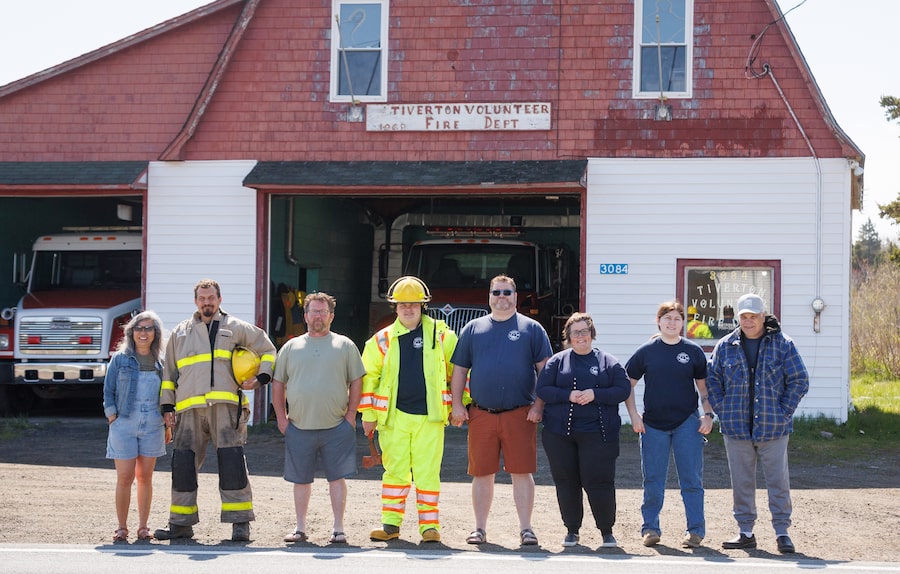
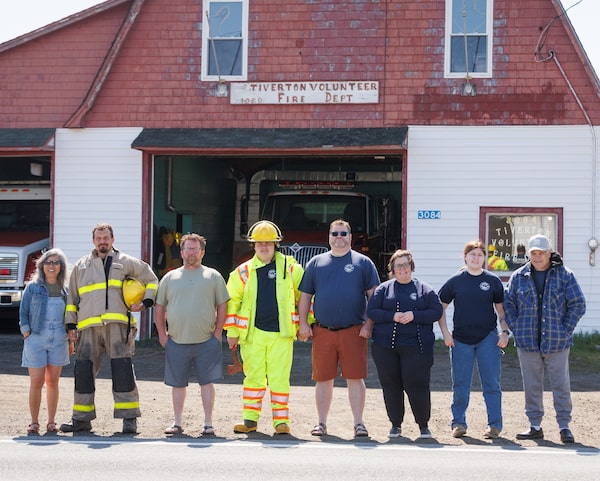
I travelled Nova Scotia’s counties to meet volunteer fire chiefs and ask them about their experiences. One of them was Richard Crocker, chief of the Tiverton Fire Department in Digby County.

Richard Crocker stands next to a fire truck in the fire station in Tiverton, N.S., in May, 2026.Dan Froese/The Globe and Mail
Mr. Crocker joined his department at 15 years old, another teen folded into the service by relatives. A lobster fisherman by trade, he spends the time he has off the water finding ways to keep the fire hall running on a wire-thin budget.
Cast out just off the Bay of Fundy, the Tiverton fire hall appears well beyond its glory days. Weathered by coastal wind, its coat of rust red paint is badly chipped. Cracks run through the walls; fire trucks sit crammed together on the first floor, with inches of clearance from the station doors. The hall has stayed the same size since 1968, but updated fire trucks have grown bigger over the years.
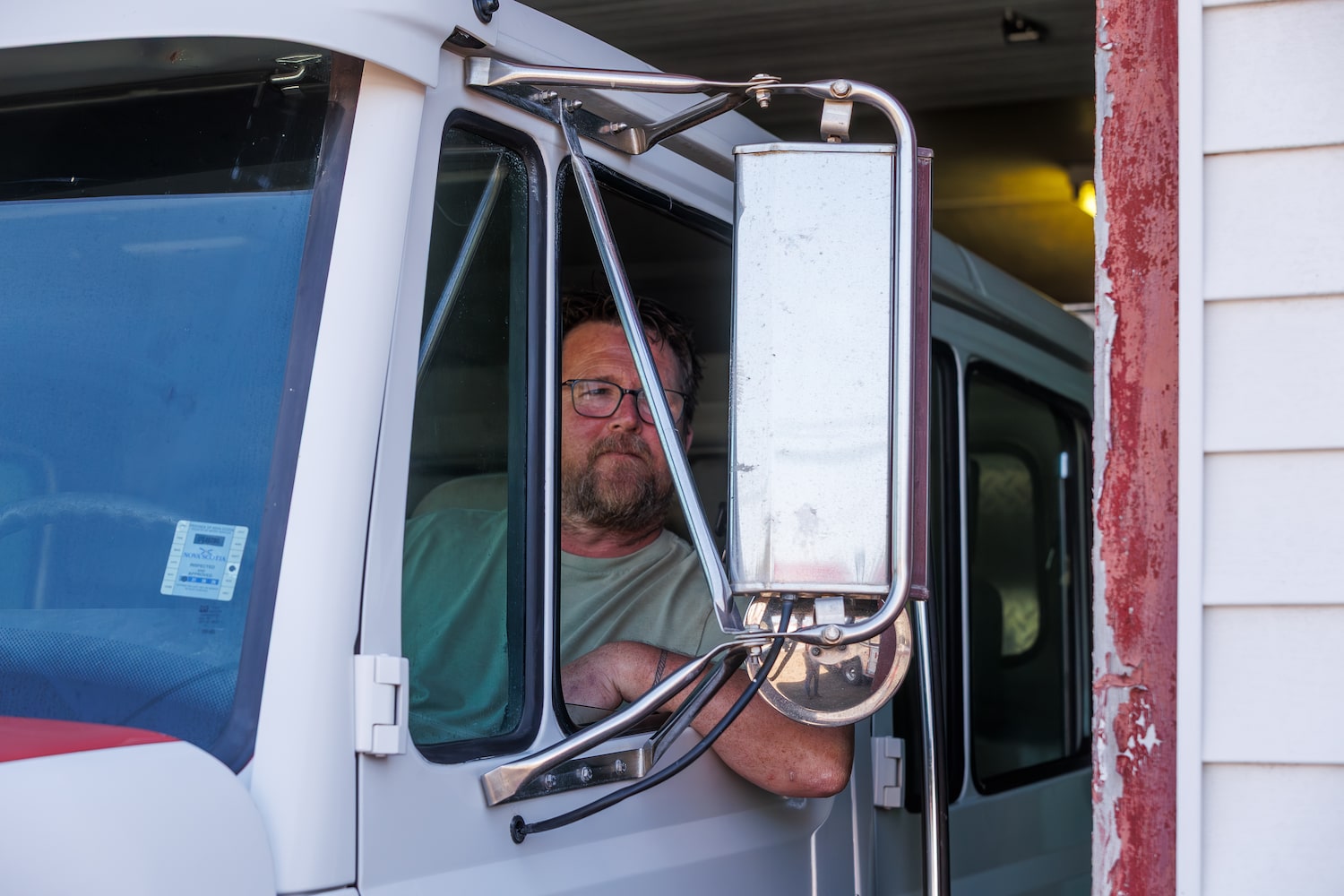
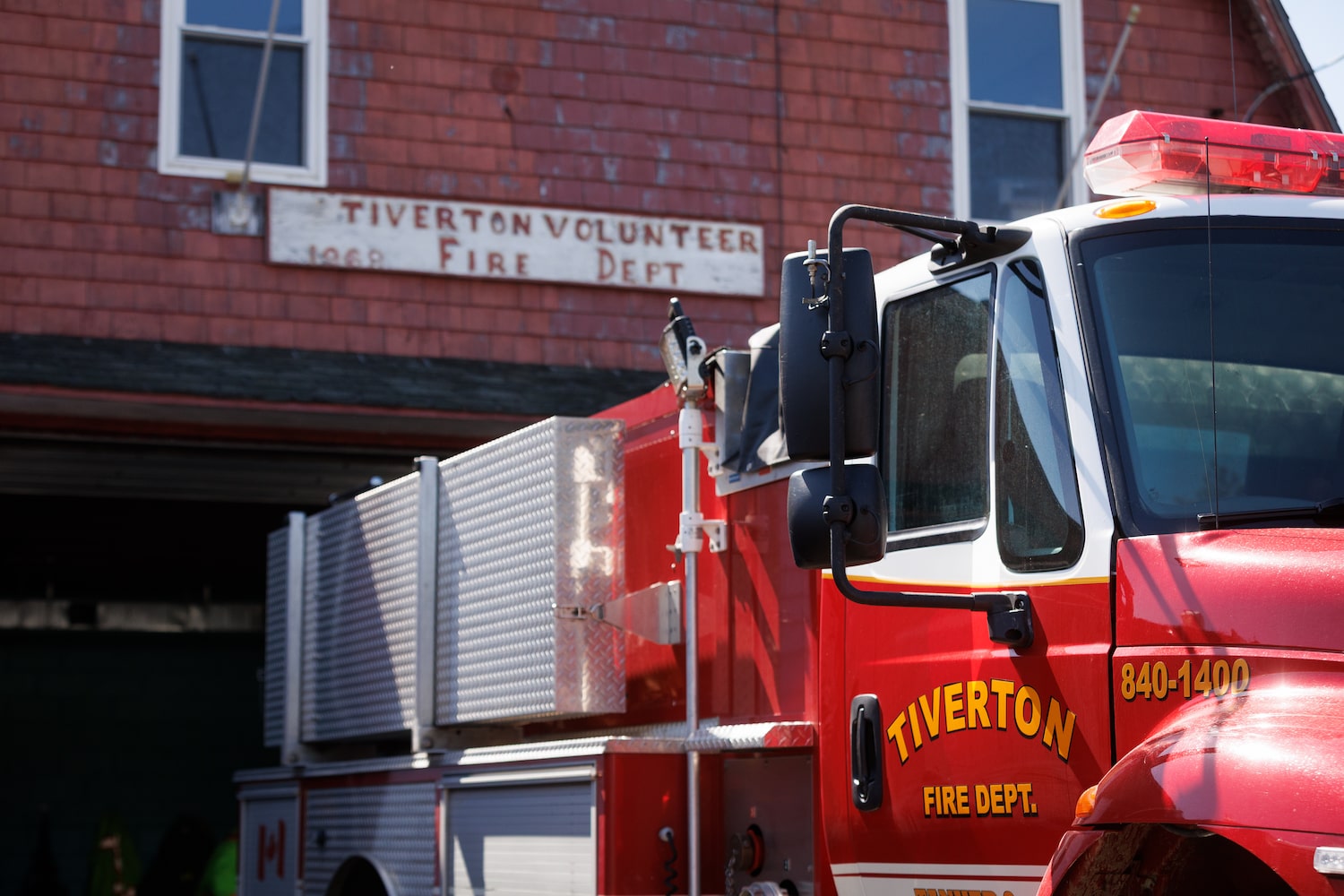
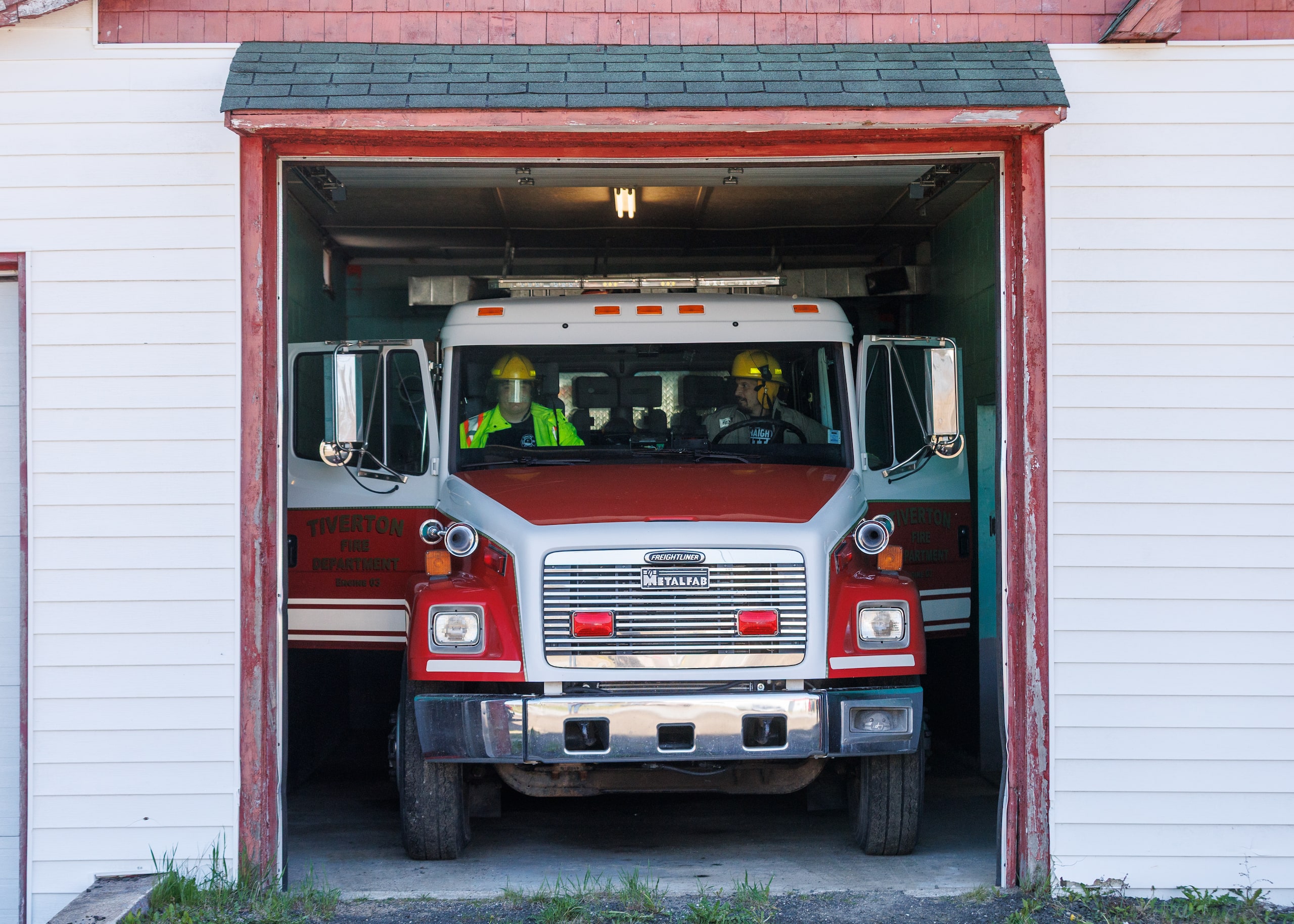
On the second floor is a storage space with a neglected pool table. Firefighters used to hang out here, but no more: Since 2014, the building has been condemned, considered unsafe for human occupancy. The station has no running water to clean firefighting gear from the carcinogens that abound in burning buildings; the old guard never saw a need for it. If firefighters want to wash off their jackets, pants and suspenders after a big fire, they have to send it for custom dry cleaning an hour and a half away.
Tiverton operates with two annual $20,000 stipends from its municipality. Insurance, equipment repairs, and electric and heating bills take up all of that money. Mr. Crocker organizes fundraising – bingo every Tuesday, a monthly breakfast, money collection in old firefighter boots – but there’s only so much Tiverton’s population of about 300 people can give.
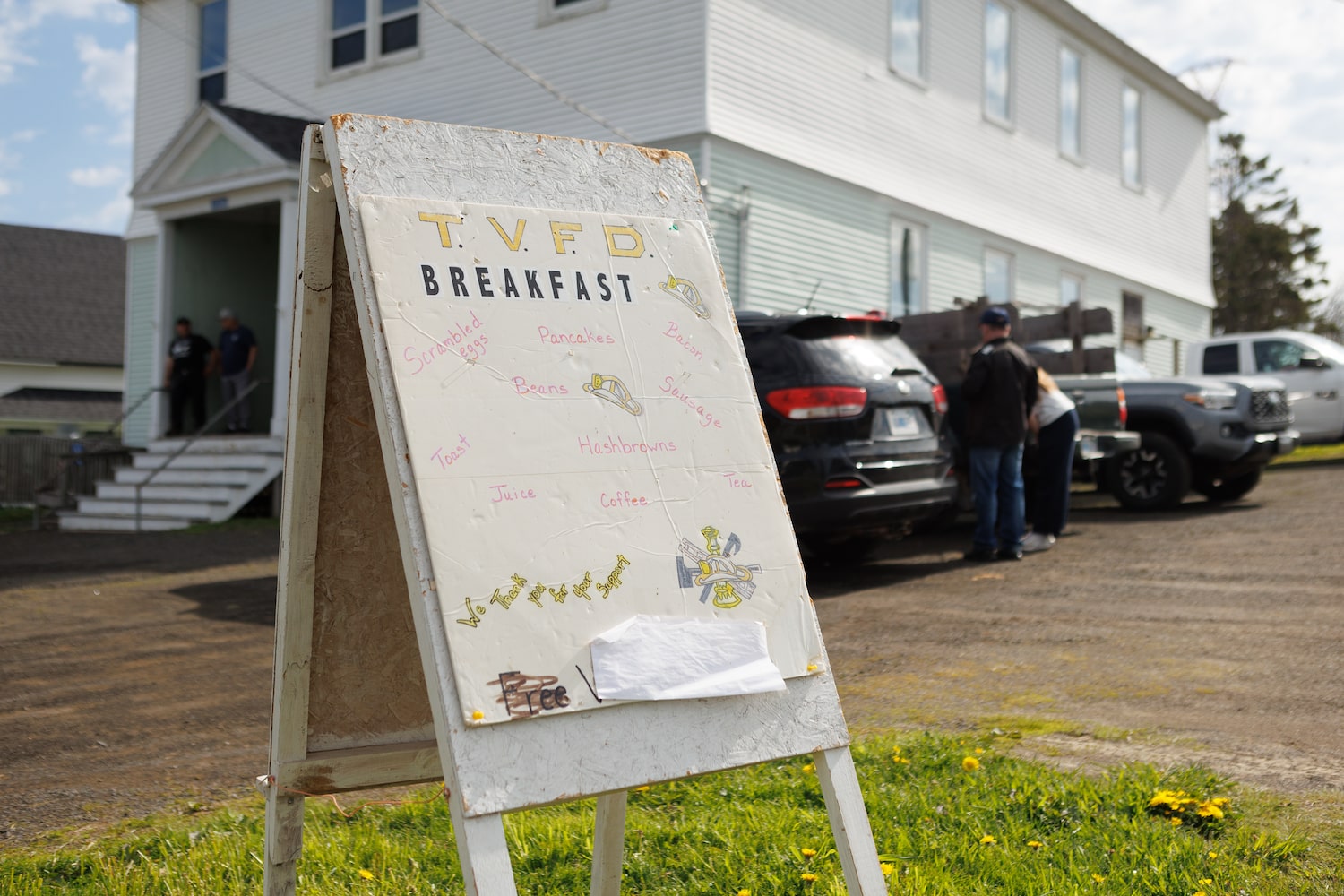

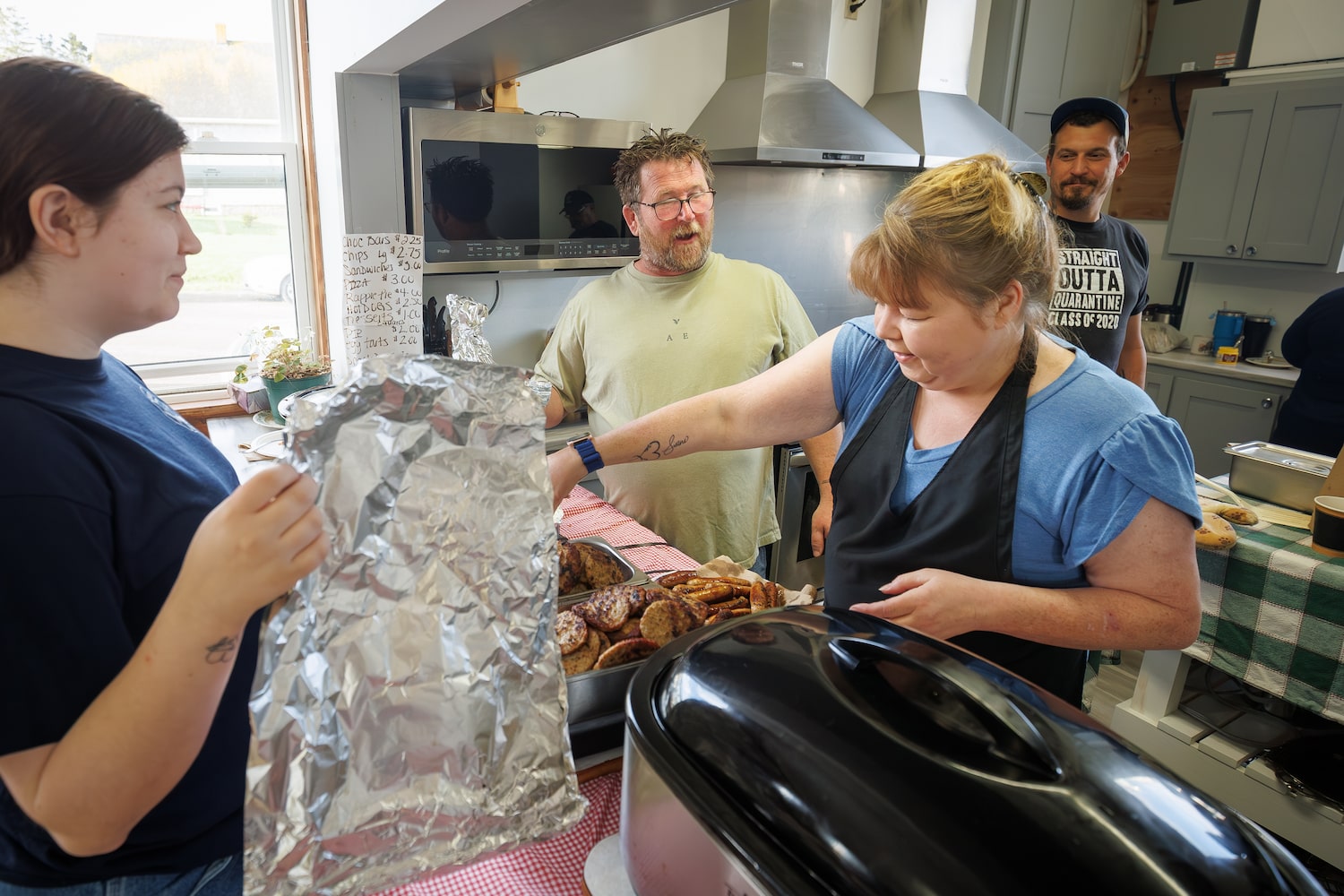
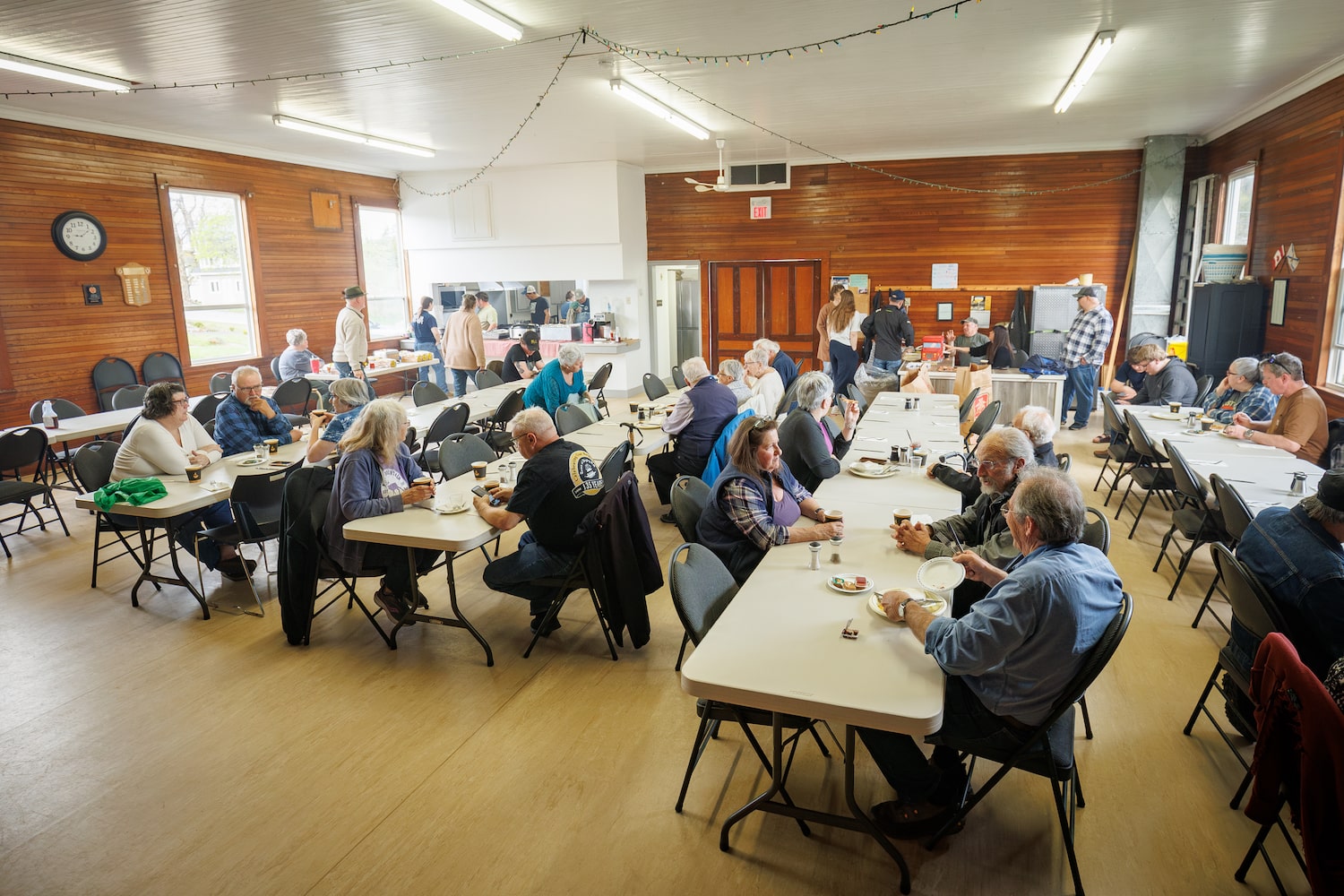
He has no spare funds to send firefighters away for basic structural training, let alone anything leftover to renovate their hall. All of Tiverton’s fire trucks, save for one, are past 20 years old – the nationally recommended age of retirement.
The youngest of Tiverton’s 10 members – Mr. Crocker’s nephew – is 19, and then the next youngest is 40. One front-line member recently ran his last call at 80, and Mr. Crocker had to talk him into retiring.
“We do the best we can with what we have,” Mr. Crocker told me as he showed me around the station. “We might be little, we might be poor, but we’re proud.”
For little halls like Tiverton, the need to perform while under-resourced yields life-threatening close calls on the fireground. Firefighters across rural Nova Scotia shared memories with me of times where the unregulated nature of their service had the potential to put firefighter and resident lives in jeopardy.
They told me about groups of rookie firefighters being led into burning buildings to perform rescues, even though they had never been trained to run that type of operation. Of firefighters promoted to captains who had no training credentials or experience fighting fire inside a house. Of fire departments whose hoses routinely break because they can’t afford to get them inspected.
Many municipal administrators give stipends to volunteer fire departments without a full understanding of the level of service they provide, or the risk that fire departments continually tolerate.
When floods and wildfires start to consume entire neighbourhoods, gaps in funding, training and equipment are laid bare. During the Long Lake wildfire last summer, the province only had two sprinkler systems to protect properties from wildfire – the first of which was purchased by Mr. Tetanish and the Brooklyn firefighters.

Mr. Tetanish with fire protection sprinklers in Brooklyn, N.S. in May.Dan Froese/The Globe and Mail
Halifax Fire and Emergency had just received the second, but hadn’t had time to train with it yet. During a regular fire season, British Columbia has more than 50 sprinkler units.
When smoke from that Long Lake fire drifted down to Tiverton and settled over the island, Mr. Crocker kept nine fire trucks consistently at the ready. He remembers worriedly running through potential responses in his head until a spotter plane confirmed there was no active fire nearby – a relief, considering that never in his career has he been made aware of an evacuation plan for the island.
New standards must come with adequate funding

Canada’s volunteer firefighting problem is an open secret. Nearly every firefighter, veteran, trainer and chief who I asked about the long-term viability of the service sighed, smirked or took a moment of silence as they considered the systemic change needed to bring volunteer fire responsibly into the future – and whether it’s even possible.
For two years, Nova Scotia’s fire service association has asked the province to review how the fire service is governed, in light of recent generational wildfires, floods and hurricanes. This April, the province enacted the Support for Fire Protection Services Act; for the first time in Nova Scotia fire history, a provincial minister is tasked with overseeing some fire department operations. The landmark legislation also aims to establish provincial standards for governance, training and equipment.
It’s a move volunteer fire chiefs have for decades been calling for, with one key caveat: Many believe the provincial government should only establish such standards if fire departments are also given the funds needed to meet them.
Mr. Crocker told me that to bring only his hall up to the recognized North American standard would cost between $3-million and $5-million; so far, the 2026 Nova Scotia budget has allocated $3-million to improve fire service, province-wide. Mr. Crocker said without outside investment, meeting a new standard would be impossible.

Mr. Crocker holds expensive and expired turnout gear.Dan Froese/The Globe and Mail
Still, he added that it would take the province padlocking the fire hall doors for him to give up on the community fixture to which he has devoted his entire adult life.
“We are not asking anyone to close their doors, we are not asking anyone to downgrade,” Nova Scotia’s Minister of Emergency Management, Kim Masland, told me. “We know it’s going to take more money. This is just the beginning.”
Where that money will come from is uncertain. Two fire chiefs I spoke with estimated it would cost hundreds of millions to bring all departments up to a consistent standard of equipment. All the while, Nova Scotia’s $1.4-billion deficit projection in February downgraded the provincial credit rating.
Federal funding exists to support firefighters in climate adaptation, but rarely does it make its way into the hands of volunteers.
Upward of $1.3-billion in funding has been announced by Ottawa over the last five years specifically to help in the fight against wildfire. By 2025, a national fire census showed that 70 per cent of Canada’s fire departments have yet to receive any funding from any government source to buy new equipment. Of that federal money, $13-million was transferred to Nova Scotia’s Department of Natural Resources – and not shared with any volunteer fire departments.
As for flooding, the only federal program through which volunteer firefighters can receive trickle-down support is the Disaster Financial Assistance Arrangements Program, through which provinces can recover damage costs they can’t absorb alone.
The bottlenecks to front-line support are a product of Canada’s bottom-up approach to emergency management. “We fight wildfires and all disasters locally first,” federal Minister of Emergency Management Eleanor Olszewski said in an interview in December. “The way the system works is it’s only when local capacity is overwhelmed that the provinces step in, and then it’s only when they’re overwhelmed that the federal government steps in, just in terms of wildfire suppression and evacuation.”
But that local capacity – the municipal departments protecting neighbourhoods at large from fires and floods – seems like an afterthought in current emergency management policy. In May, 2025, Public Safety Canada’s report on its emergency management system included no mention of firefighters, let alone volunteers, in any of its key listed stakeholders.
The Canadian Association of Fire Chiefs (CAFC) is the nation’s de-facto advocate and watchdog when it comes to fire, a responsibility they take on as volunteers. Since 2017, they have asked the federal government to establish a national fire administration: an office that could establish a funding pipeline to volunteer fire departments, build interoperability between structural and wildland firefighters, and drive proactive fire policy conversations before wildfire season begins. Those responsibilities currently fall again on fire chiefs in the CAFC who take on advocacy as another unpaid responsibility.
Ms. Olszewski said she is “seriously exploring” the concept of an emergency-management agency. She also identified the provinces of Nova Scotia, Manitoba and Saskatchewan as under-resourced when it comes to fire, and acknowledged a federal responsibility to “balance things out.” The CAFC believes the minister should allocate some of the 1.5-per-cent of GDP reserved for defence spending to domestic local emergency preparedness systems.
For chiefs like Mr. Tetanish and Mr. Crocker, a fraction of that roughly $35-billion yearly pledge could make all the difference for the survival of the service.
The system carries on

I left the fire service in the spring of 2023, and watched numb from afar that summer as the biggest fires in Nova Scotia’s history spread beyond what anyone had previously imagined. The volunteer firefighters were thanked for their commitment and sacrifice, as they always are, but a more concrete recognition of their service is still lacking. There are no employment protections for volunteer firefighters who have to leave work to respond to an emergency. And recruitment of volunteers is still dwindling, despite a repeated call in provincial engagement sessions for free post-secondary tuition to be offered as an incentive to draw in new, young volunteers.
Still, the system carries on as it always has: entirely dependent on volunteer fealty and grit.
“What do you do, right?” said Mr. Crocker. “Keep your head held high, keep a smile on your face and keep on going.”
Last summer, Mr. Tetanish and the Brooklyn firefighters responded to the Long Lake fire for six weeks straight. Late in the fall, once the fire season had finally wrapped, they took a sustained break from training.
“With a volunteer fire service, we can’t ask our people to be off work for a month,” said Mr. Tetanish. “We’re getting to the point now where we’re not going to be able to offer any new services because I can’t ask more of our people when it comes to training.”
But at least for this year?
“Bring it on,” he said with a sarcastic chuckle.
With reports from Natasha Bulowski