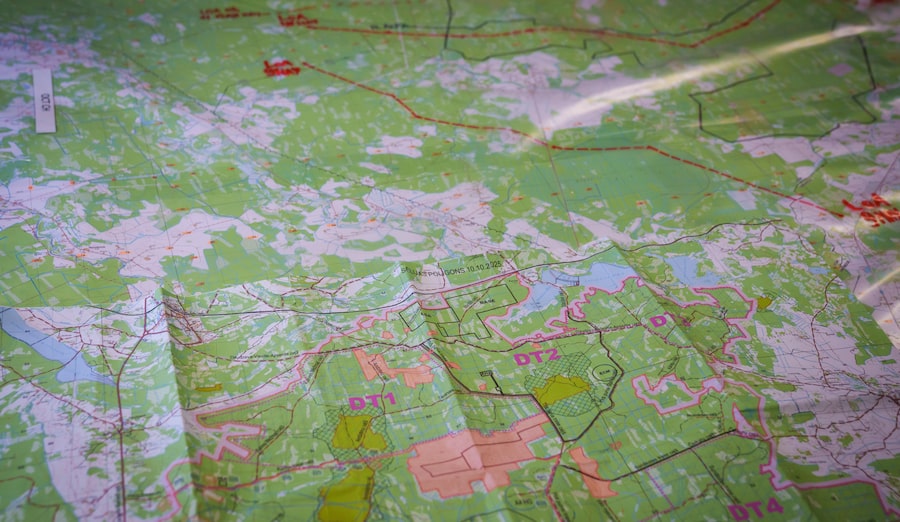
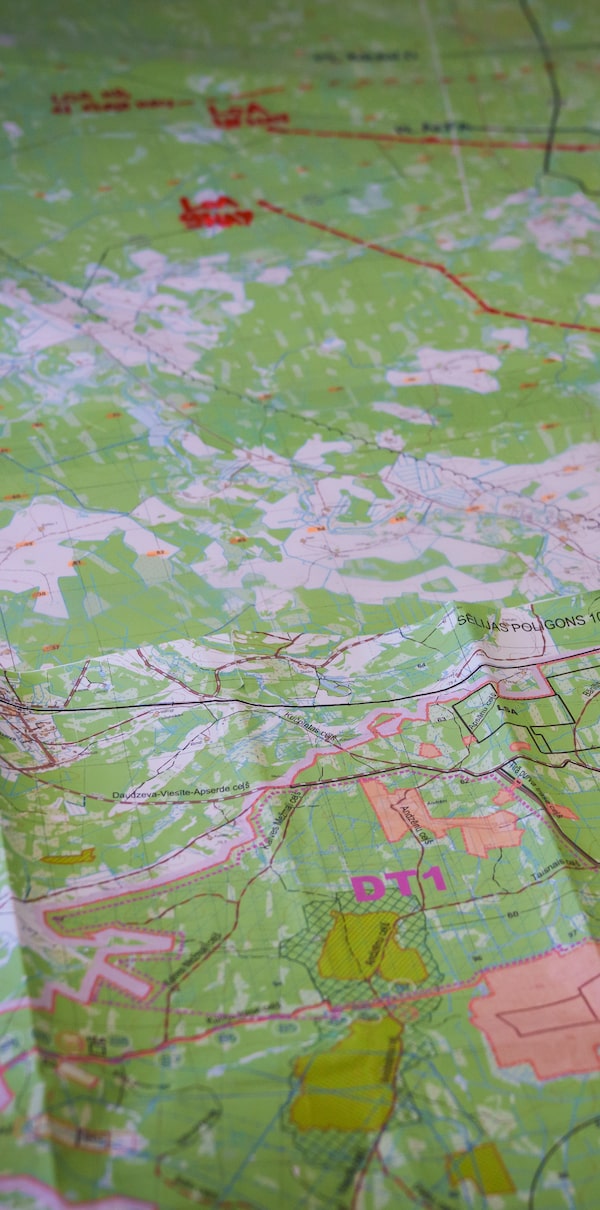
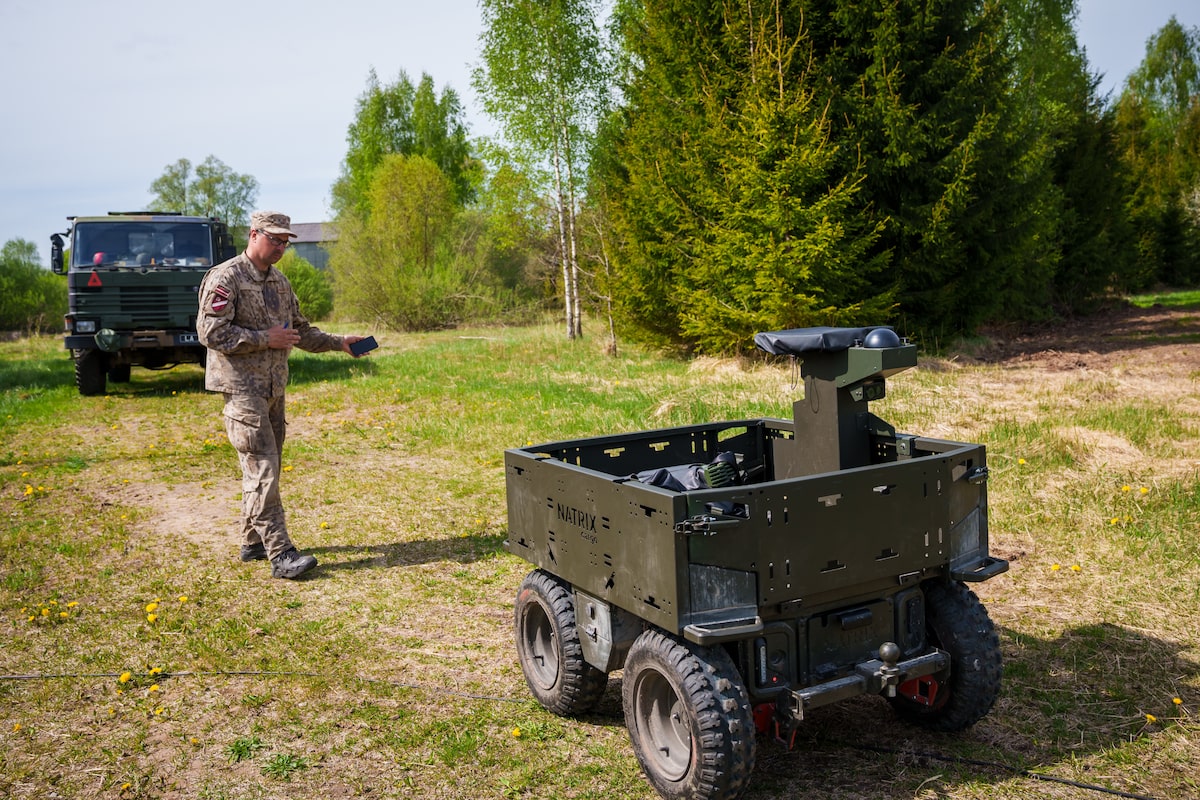
Sergeant Cody Baltzer watched on a computer screen as a remote-controlled vehicle hurtled along a dirt road, cutting through a forest of pine trees.
The wheeled drone and Sgt. Baltzer were both part of red team in a NATO war game carried out Monday in central Latvia, a short drive from where the eastern edge of the Western military alliance meets Russia. The robot – a small, four-wheeled vehicle mounted with a high-definition camera – was the Canadian soldier’s eyes and ears for the mock battle about to unfold.
Even a few years ago, those playing the red team – assigned the role of the attacking force in the annual war game – would have sent reconnaissance troops down the forest road, risking human casualties to discover the location of the blue team’s defensive lines.
No more.
In 2026, North Atlantic Treaty Organization war games are modelled on the war in Ukraine, a conflict that is increasingly dominated by air, ground and sea drones – to the extent that Ukraine claimed last month to have liberated a Russian-held position using only unmanned systems, which, if confirmed, would be a world first.
At the conclusion of the battle, Russian troops reportedly surrendered directly to Ukrainian drones, speaking to their controllers over video feeds not unlike the one Sgt. Baltzer was staring at on Monday.

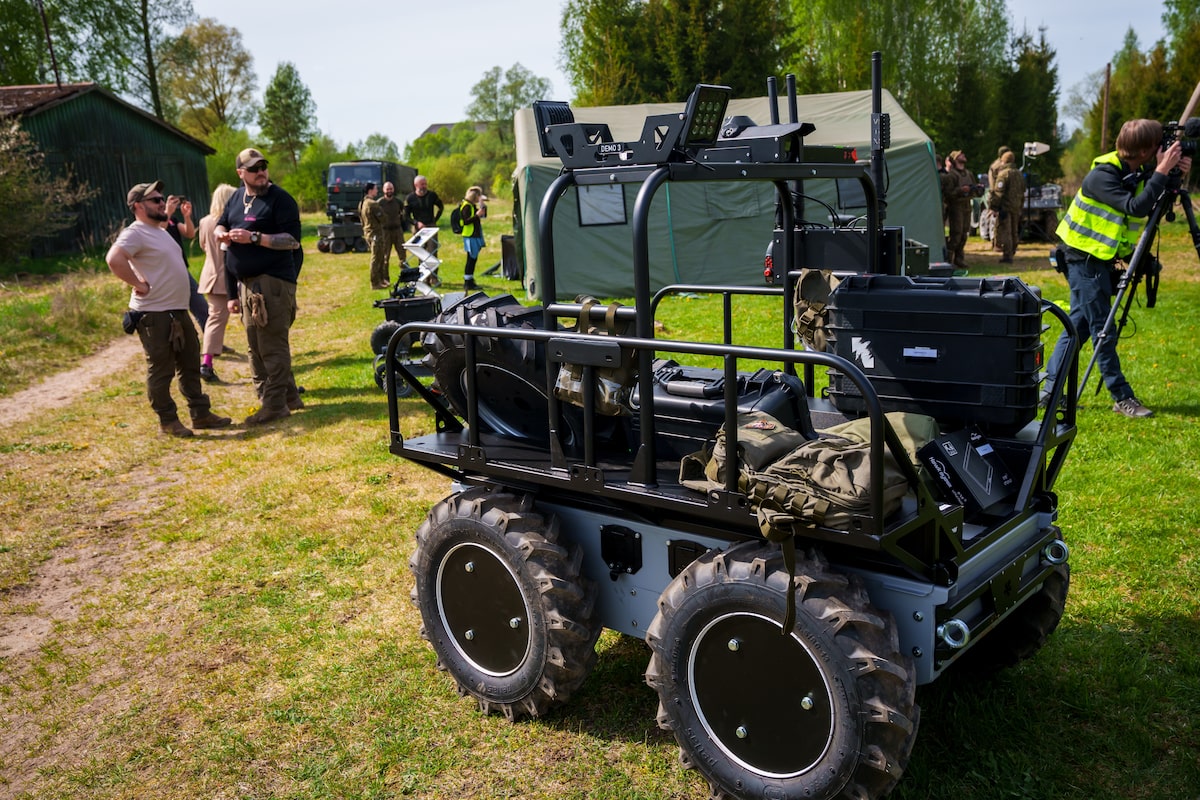


Participants also got to operate first-person-view drones, or FPVs, that can be piloted through the air from portable consoles.
It’s a brand-new type of conflict, and one that the previously unrivalled NATO alliance is scrambling to catch up on.
It’s also a form of warfare that recently crashed over Latvia’s borders. Monday’s exercise – part of a 10-day NATO drill called Crystal Arrow – came days after a pair of aerial drones struck an oil storage facility in eastern Latvia, causing minor damage. The explosive drones were initially launched from Ukraine, but entered Latvia from Russian airspace on May 7.
Ukrainian Foreign Minister Andrii Sybiha said the drones had been redirected into Latvia as a result of “Russian electronic warfare deliberately diverting Ukrainian drones from their targets in Russia.” Latvia’s air defences failed to detect the incursion, and local residents received alerts on their mobile phones an hour after the drones had already crashed.
On Sunday, Latvian Prime Minister Evika Silina fired Defence Minister Andris Spruds over the incident, saying the country “must be able to respond quickly, clearly, and without hesitation” to such incursions in the future.


Latvian and NATO troops are eager to avoid a repeat of last month's aerial drone incident at an oil-storage facility in the country's east.
Claudio Palestini, head of the innovation and technology adoption section at NATO headquarters in Brussels, said the incursion showcased how rapidly drone warfare was evolving.
The latest area of technological competition is something Mr. Palestini calls “navigation warfare” – a reference to what appears to be Russia’s new ability to redirect Ukrainian attack drones into the airspace of neighbouring countries.
“There is a lot ongoing in the field of electronic warfare … including navigation warfare – jamming, spoofing of GPS, and command and control,” Mr. Palestini told reporters in Latvia via a video call.
NATO’s 3,700-strong multinational brigade was initially deployed to Latvia in the wake of Russia’s 2014 annexation of Crimea. Back then, NATO was training the Ukrainian army, which was desperate to learn all it could from the Western alliance about modern military tactics.
Those roles have now reversed to the extent that several ex-Ukrainian military officers – wearing balaclavas pulled up to their noses to hide their identities – took part in the Crystal Arrow exercise as trainers.
“They are the experts, and they are right here in front of us,” Major Andris Bruveris, commander of the Latvian army’s Second Mechanized Infantry Battalion, said as another reconnaissance drone lifted off into the sky behind him. “We need to learn from them, because … there is a jump in the tactics every three to four months. We cannot adapt in peacetime at such a pace.”
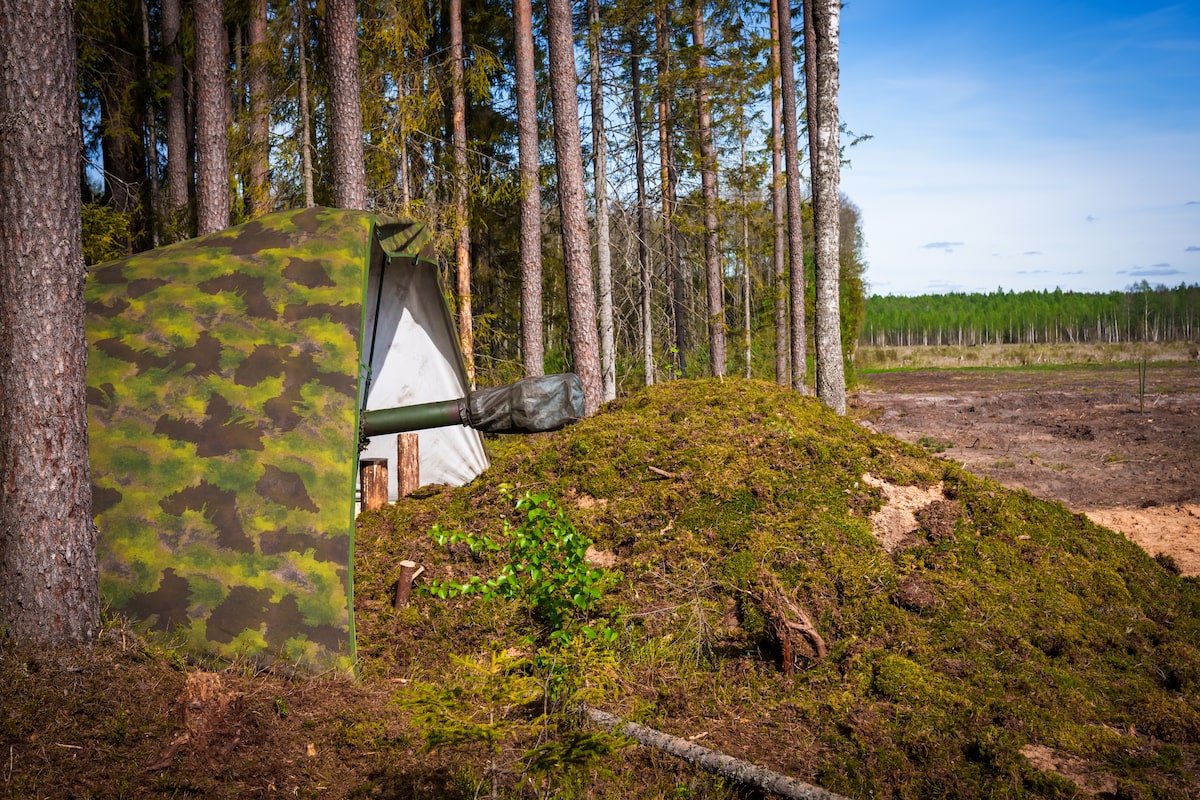
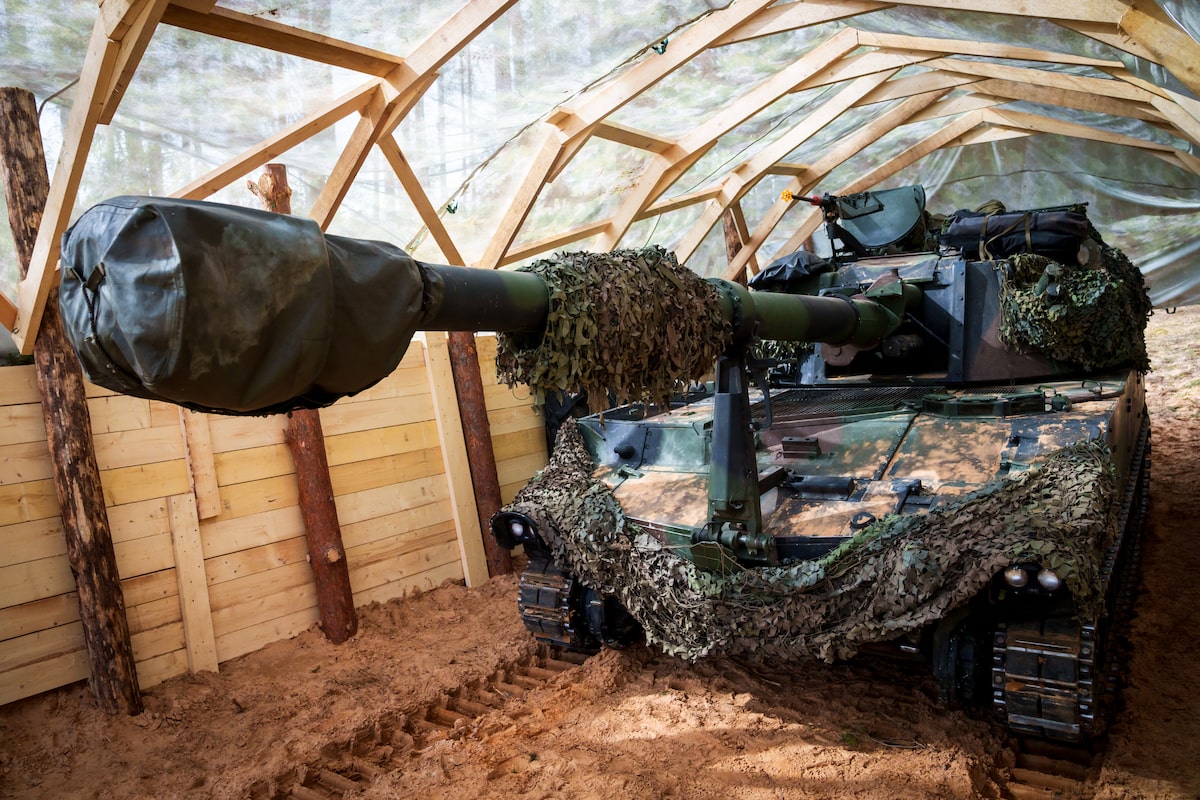
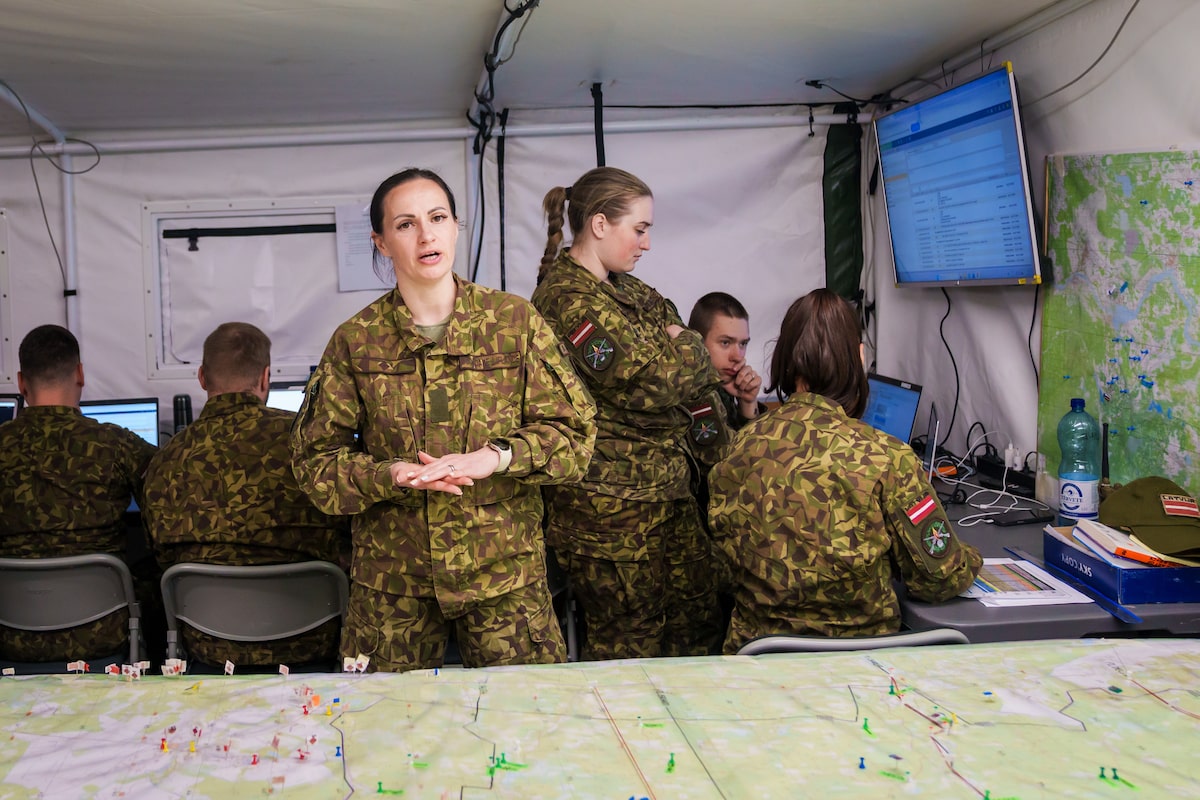
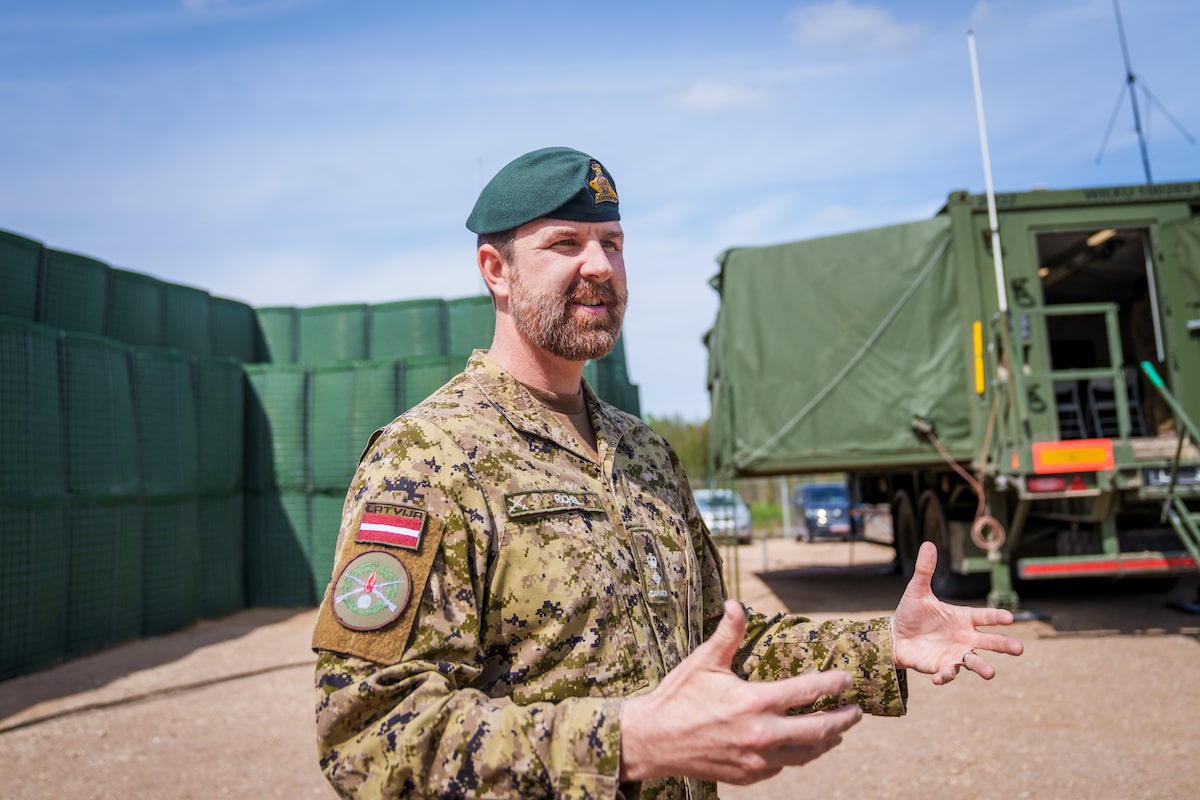
The 10-day war games, which wrap up on Friday, involve some 2,500 soldiers, as well as 500 pieces of equipment. Many of the 2,200 Canadians currently stationed in Latvia are taking part in the exercise.
Sgt. Baltzer said the drone-heavy focus of the war game was unlike anything he had previously trained for as part of the Gagetown, N.B.-based 2nd Battalion, Royal Canadian Regiment. The 13-year veteran is on his third tour of duty in Latvia.
“When I first got into the military, we were using a map and a compass to navigate,” he said. Standing in a green tent filled with more than a dozen computer screens broadcasting back live footage from the red team’s array of air and ground drones, Sgt. Baltzer said it was “crazy” how fast the nature of conflict had changed over the four years since the start of the Russian invasion of Ukraine.

Sgt. Baltzer, a 13-year veteran of the Canadian military, remarks on how far the technology of war has come in that time.
While previous Crystal Arrow drills involved loud clashes between armies firing blanks at each other from close range, Monday’s mock battle was largely a silent one, other than the sound of buzzing drones overhead. The red drones passed over blue artillery pieces and armoured personnel carriers hiding in forests and under camouflage nets. If the drones failed to detect the equipment below, that was a success for the blue side.
But despite the talk of modernizing, the exercise felt little like the fighting in eastern Ukraine, where drones dominate the skies in such numbers that tanks and artillery can hardly move. The Crystal Arrow drill, at least on Monday, saw drones used one at a time, and primarily as reconnaissance tools, rather than attacking positions in swarms as is now commonplace on the battlefields of Ukraine. “We’re behind the times,” Sgt. Baltzer acknowledged. “Behind where we should be.”

Game of drones: More from The Globe and Mail
The Decibel podcast
Canada has ambitions to develop drones of its own. Can our defence industry catch up? Reporter Pippa Norman spoke with The Decibel about what the technology can do and how it could reduce dependence on U.S. firepower. Subscribe for more episodes.
Canadian defence in focus
As the U.S. turns on its allies, Canadians look toward joining Europe
Military beats recruitment target after 1,400 permanent residents sign up